Evan Lee Salim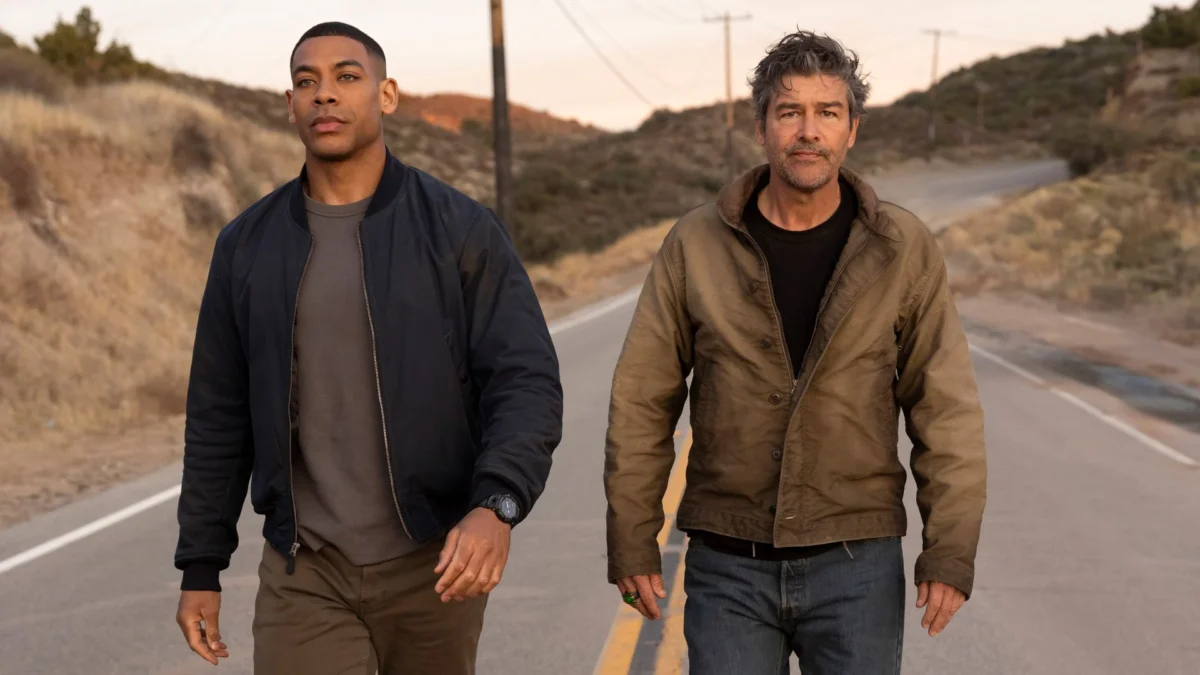
The DC Universe (DCU) is embarking on a bold, ambitious reset under the stewardship of James Gunn and Peter Safran, and the upcoming HBO series Lanterns has emerged as the linchpin of this new era. Far from a standard superhero procedural, Lanterns is set to rewrite the narrative structure of the DCU by introducing a dual-timeline approach that anchors the franchise’s past, present, and future.
As the first entry on the official DCU timeline, the series is tasked with a monumental objective: grounding the cosmic, ring-slinging mythology of the Green Lantern Corps into a gritty, earth-bound, "upscale mystery."
The Chronological Blueprint: A Tale of Two Eras
The most striking revelation regarding Lanterns is its commitment to non-linear storytelling. By bifurcating the narrative into two distinct eras, the showrunners are establishing a sense of history that many shared universes often struggle to convey.
The 2016 Foundation
The primary narrative thrust of Lanterns is set in 2016. This timeline serves as the origin point for the new DCU. It follows a classic, character-driven mystery structure: a shooting in the rural landscape of Nebraska. This is not merely a random act of violence; it serves as the catalyst that brings together two of the most iconic figures in DC history: the seasoned, perhaps weary, Hal Jordan and the fresh-faced, idealistic recruit John Stewart.
By setting this portion of the show in 2016, DC Studios is effectively "retro-fitting" the DCU with a foundational mystery that establishes the relationship between these two Lanterns. It allows the audience to see the mentor-mentee dynamic—or perhaps the friction between an old guard and a new generation—before the wider superhero world fully realizes the cosmic stakes at play.
The 2026 Convergence
The series will frequently jump forward to 2026, creating a decade-long gap that serves as a narrative vacuum. While specific plot details regarding the 2026 timeline remain tightly under wraps, it is clear that the events of 2016 have ripple effects that manifest in the "something else" happening a decade later. This structure allows the show to function as a prequel and a contemporary drama simultaneously, weaving a tapestry of cause and effect that will likely pay off in later DCU films and series.
Crafting the ‘Upscale Mystery’: A New Tone for DC
The creative team behind Lanterns has been vocal about their desire to move away from the "save the world every week" trope. Instead, the series aims to capture the essence of a high-end HBO mystery drama, reminiscent of True Detective or Mare of Easttown, but filtered through the lens of sci-fi mythology.
Elevating the Mythology
The Green Lantern ring is arguably one of the most powerful weapons in fiction, capable of manifesting anything the user can imagine. However, the creators are acutely aware of the pitfalls of such power. If a hero can conjure a wall, a gun, or a spaceship at will, where is the dramatic tension?
"We wanted to tell an on-the-ground story," the production team noted. "We want to use everything that’s great about the mythology of the Green Lanterns, but at the same time, we wanted it to feel like an upscale mystery—a very emotionally tangible story about these people."
This approach suggests that the "ring" is not just a tool for combat, but a tool for investigation. The show will explore the forensic capabilities of the rings, the psychological toll of cosmic duty, and the human cost of being an intergalactic police officer patrolling a planet that is largely unaware of the wider universe.
Embracing the Cosmic and the Local
The beauty of the Green Lantern mythos lies in its duality. They are soldiers of the cosmos, capable of traversing sectors and fighting interdimensional threats, yet they are also sworn protectors of specific territories. Lanterns intends to balance this by showing that while the protagonists do "go off the planet," the emotional core of the series remains firmly rooted in the human experiences of Hal and John.
Supporting Data: Why This Matters for the DCU
The success of Lanterns is critical to the long-term viability of the Gunn-Safran DCU. To understand why, one must look at the structural challenges of shared universes in the current media landscape.
- Establishing a Canon Timeline: By placing Lanterns at the very beginning of the timeline, DC is signaling that the show is the "Year Zero" of their new continuity. This provides a reference point for every subsequent project, allowing fans to track the development of the DCU in a way that feels intentional rather than haphazard.
- Character Dynamics: The Hal Jordan/John Stewart pairing is a fan-favorite dynamic. By focusing on them, the series taps into decades of comic book history while providing an accessible entry point for new viewers. The contrast between Hal’s experience and John’s potential creates an inherent narrative engine that can drive multiple seasons.
- Genre Diversification: Superhero fatigue is a constant topic in entertainment journalism. By positioning Lanterns as a mystery-thriller, DC is diversifying its portfolio. It proves that the DC brand isn’t limited to bombastic action sequences, but can also inhabit the space of prestige television.
Official Responses and Creative Vision
The creative team has emphasized that the "Green Lantern" brand has been underutilized in live-action media for too long. Their goal is to rectify the past failures by leaning into the "police procedural" aspect of the Corps.
"The ring is a tool for everything," the creators have suggested in promotional discourse. "It’s a tool for discovery, it’s a tool for interrogation, and it’s a tool for combat." By highlighting the discovery and interrogation aspects, the show shifts the focus from the spectacle of combat to the tension of investigation.
Furthermore, the decision to maintain a 10-year gap between the two timelines provides the writers with a massive narrative playground. It allows them to show how the characters have changed over a decade, how the world of the DCU has evolved, and how a singular mystery from 2016 could evolve into a cosmic threat by 2026.
Implications: The Future of the Green Lantern Corps
The implications of Lanterns being the first entry in the DCU timeline are profound. It sets the tone for the quality, tone, and maturity level of the entire universe. If the show succeeds in delivering a complex, emotionally resonant mystery, it will pave the way for a more grounded, character-focused DCU.
The Ripple Effect
If the "shooting in Nebraska" turns out to be a manifestation of a larger, intergalactic conspiracy, it connects the mundane world of the DCU to the high-stakes cosmic stories that will likely populate films like The Authority or future Justice League iterations. This connectivity is what fans crave—not just cameos, but a cohesive sense of a living, breathing world.
The Casting and Chemistry
The casting for Hal Jordan and John Stewart will be the definitive factor in whether this series becomes a cultural phenomenon. The chemistry between the two leads will serve as the heartbeat of the show. With a dual-timeline structure, the actors must be able to portray both the raw, earlier versions of their characters and the hardened, more cynical versions of themselves ten years later. This requires a level of performance depth that elevates the show from standard comic book fare to genuine prestige drama.
Final Thoughts: A New Dawn
As we look toward the release of Lanterns, it is clear that the DCU is not merely repeating the mistakes of the past. By starting with a story that is intimate, grounded, and mystery-focused, DC is showing a level of restraint and planning that was sorely missing in previous attempts at a cinematic universe.
The Green Lantern Corps has always been about the courage to face the unknown. In Lanterns, the unknown isn’t just a monster in deep space; it’s the mystery of the past, the weight of the present, and the uncertainty of a future that the DCU is only just beginning to build. As the first chapter in this new saga, Lanterns isn’t just a show about space cops—it’s the foundation of a new era of storytelling.

 Reynand Wu
 Layla Zulfa