

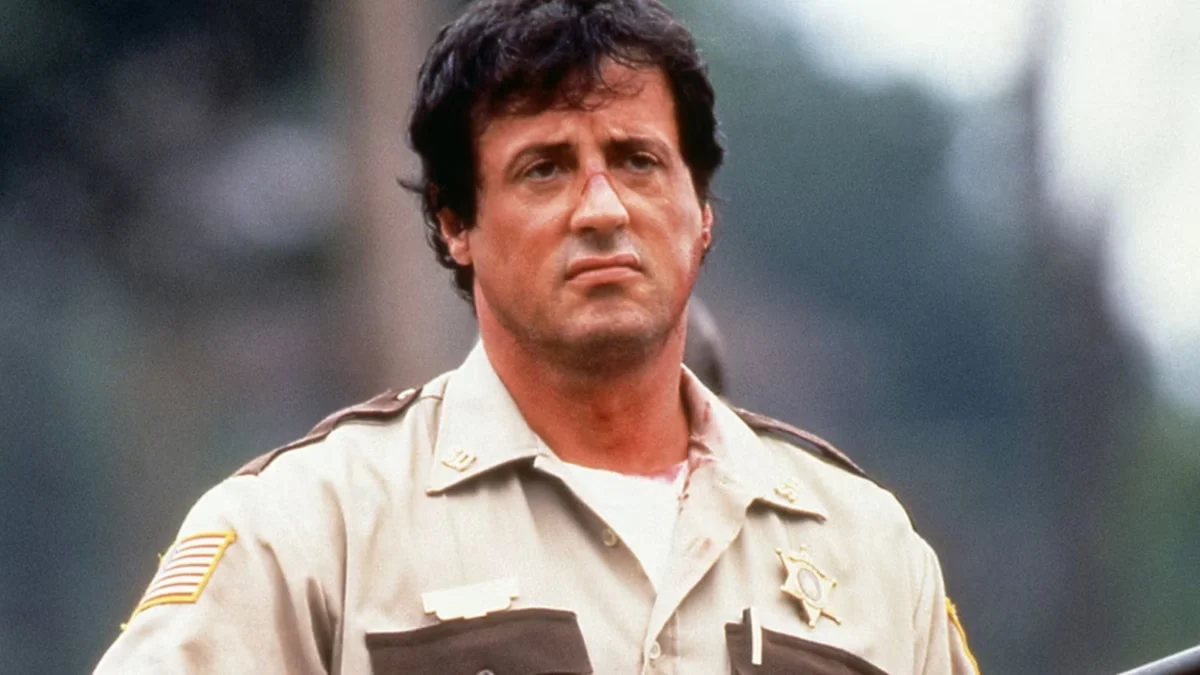
In the current landscape of prestige television, the "modern-day Western" has become a dominant subgenre. Propelled by the massive success of Taylor Sheridan’s Yellowstone universe and its various spin-offs, audiences have demonstrated an insatiable appetite for stories that transpose the ethos of the American frontier—lawlessness, isolation, and the moral ambiguity of the lone vigilante—into contemporary settings. Yet, long before the Dutton family began defending their Montana ranch, director James Mangold was already perfecting this formula.
His 1997 crime thriller, Cop Land, stands as a masterful, albeit frequently overlooked, contribution to the genre. A gritty, atmospheric examination of institutional corruption set against the humid backdrop of a New Jersey suburb, the film serves as a poignant reminder that the archetypes of John Ford and Howard Hawks are not tethered to dusty trails and six-shooters.
The Architecture of a Modern Myth: Main Facts
At its core, Cop Land is a character study of Freddy Heflin (Sylvester Stallone), the sheriff of Garrison, New Jersey. Known colloquially as "Cop Land," the town is a quiet, suburban enclave populated almost exclusively by New York City police officers who seek refuge from the chaos of the city they patrol.
The film operates on the classic Western tension of the "outsider within." Freddy is a man partially deaf, physically diminished, and emotionally hollowed out by a tragic past. He is the sheriff of a town where he holds no real power; he is tolerated by the residents because he is seen as harmless. When a corruption scandal involving a high-ranking officer, Ray Donlan (Harvey Keitel), and his volatile nephew (Michael Rapaport) threatens to spill over into his jurisdiction, Freddy is forced to shed his passivity.
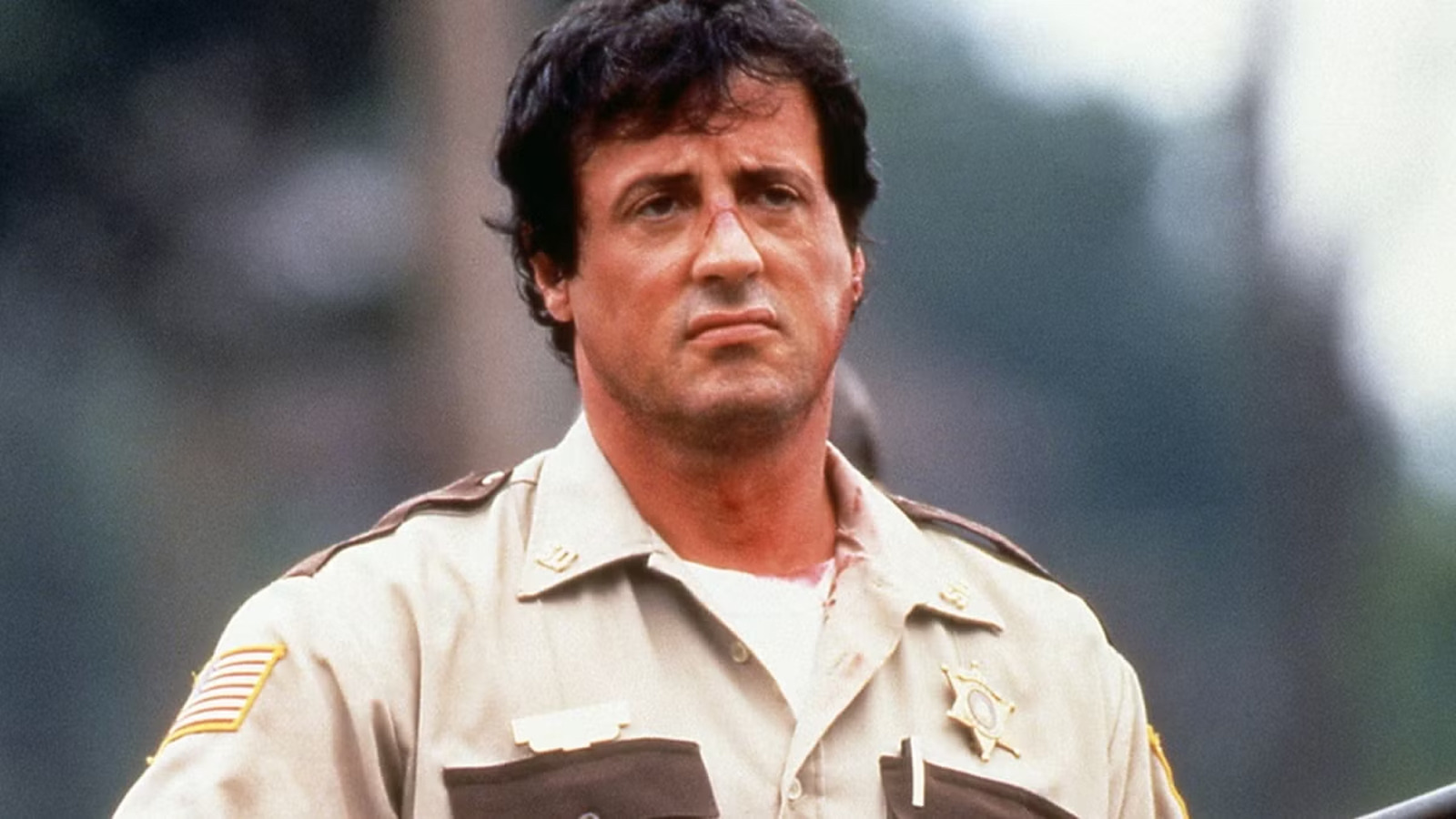
The conflict is a mirror image of High Noon. Just as Will Kane stood alone against a gang of outlaws while the townspeople turned a blind eye, Freddy finds himself abandoned by the institutions meant to uphold justice, including the Internal Affairs department led by Moe Tilden (Robert De Niro). The film functions as a masterclass in tension, building slowly toward a violent, inevitable confrontation that feels less like a police procedural and more like a final stand at the O.K. Corral.
A Chronological Descent: From Pre-Production to Reassessment
The journey of Cop Land from a script in development to a cult classic is a fascinating study of 1990s Hollywood expectations.
1996: Casting and Production
Director James Mangold, fresh off his debut Heavy, was tasked with directing a film that many executives viewed as a star-driven vehicle. Originally, Mangold did not envision Stallone for the lead role of Freddy Heflin. In various retrospective interviews, Mangold has noted that he initially hoped for Gary Sinise, aiming for a smaller, more intimate production. However, the studio’s push for a major name led to the casting of Stallone, who was then synonymous with high-octane action heroes like Rambo and Rocky.
1997: The Release and the "Stallone Effect"
The marketing machine behind Cop Land focused heavily on the transformation of its lead. Stallone gained nearly 40 pounds to play the weary, defeated sheriff, and the industry press was rife with rumors of a potential Oscar nomination for his "serious" acting turn. When the film premiered in August 1997, the hype surrounding Stallone’s performance arguably eclipsed the film itself. Audiences expecting a typical Stallone action movie were confronted with a somber, character-driven drama, leading to a lukewarm box office reception and a critical response that was respectful but muted.
2000s–Present: The Long Tail of Critical Appreciation
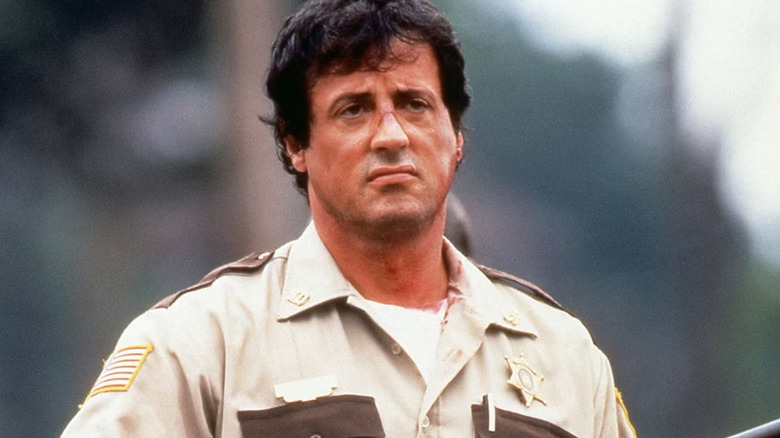
As the years passed, the "hype" surrounding the film faded, allowing the work to be viewed on its own merits. It began to gain traction as a "director’s film," praised for its technical precision and its ability to capture the specific malaise of late-90s suburban decay. With the rise of the modern Western genre, critics have returned to Cop Land as a foundational text that successfully bridged the gap between the neo-noir and the traditional Western.
Supporting Data: The Cast and the Craft
The success of Cop Land is rooted in its ensemble, a collection of talent that defined the era’s acting prestige. The interplay between the veteran cast members is essential to the film’s authenticity:
- Sylvester Stallone (Freddy Heflin): Stallone’s performance is defined by restraint. He eschews the machismo that defined his career, opting instead for a performance of slumped shoulders and quiet desperation.
- Ray Liotta (Gary "Figgsy" Figgis): Liotta plays the "drunken gunfighter" archetype—a twitchy, substance-addicted cop whose moral compass is spinning. His performance provides the kinetic energy that counterbalances Stallone’s inertia.
- Harvey Keitel (Ray Donlan): Keitel serves as the quintessential Western antagonist—the town boss who believes he is the law. His performance is one of terrifying, quiet entitlement.
- Robert De Niro (Moe Tilden): De Niro’s role is that of the stoic investigator, the only man who represents the "outside world." His scenes with Stallone act as the moral gravity of the film, reminding the audience of the high stakes involved in doing the right thing.
The soundtrack, featuring the evocative, blue-collar aesthetic of Bruce Springsteen, underscores the film’s thematic resonance. By utilizing the music of "The Boss," Mangold situates the film within the cultural geography of the American working class, effectively turning the New Jersey suburb into a modern-day prairie.
Official Perspectives and Behind-the-Scenes Realities
One of the most compelling aspects of the film’s history is the working relationship between Mangold and Stallone. Despite the initial friction over casting, Mangold has frequently cited Stallone’s professionalism as a key factor in the film’s success. Stallone famously adhered to a "no-interference" policy, trusting Mangold’s vision completely.
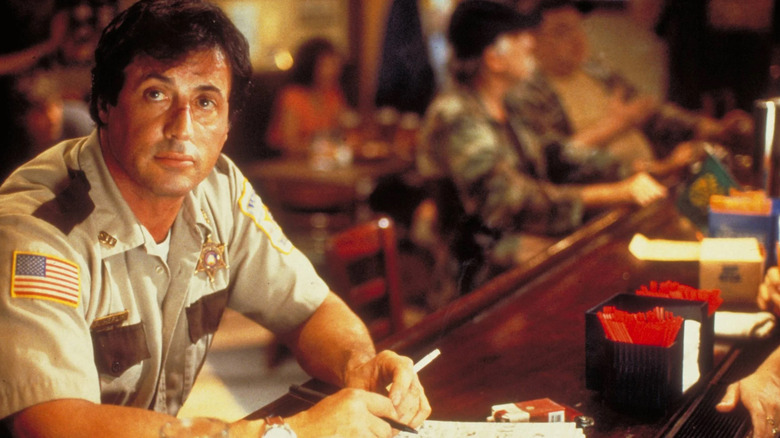
In a 2017 interview with Birth.Movies.Death, Mangold noted: "He delivered. He never suggested a change to the script, he never told me how I should shoot him, he never interfered in the movie production at all." This level of trust is rare in high-budget filmmaking and allowed for the quiet, lingering shots and the slow-burn pacing that define the movie’s atmosphere. It suggests that while the studio may have wanted a "Stallone movie," they ultimately received a "Mangold film."
Implications: The Legacy of the Modern Western
The enduring legacy of Cop Land lies in its subversion of genre expectations. It proves that the "Western" is not about the setting; it is about the code. The code of the sheriff, the code of the town, and the inevitable breaking point where a man must choose between his community and his conscience.
For viewers looking to understand the lineage of shows like Yellowstone or films like Logan (also directed by Mangold), Cop Land serves as a crucial link. It removed the artifice of the frontier and showed that the same fundamental human struggles exist on a paved street in New Jersey as they did on the plains of the 19th-century West.
In an era of content saturation, where films are often forgotten as quickly as they are consumed, Cop Land remains a testament to the power of character-driven storytelling. It is a film that refuses to offer easy answers, choosing instead to linger on the faces of its protagonists—men who have lost their way, and the difficult, violent path they must take to find their redemption. For those who have yet to experience it, or for those who dismissed it in 1997, it is time to revisit the town of Garrison. The frontier is closer than you think.









No comments yet. Be the first to join the conversation!