Ammar Sabilarrohman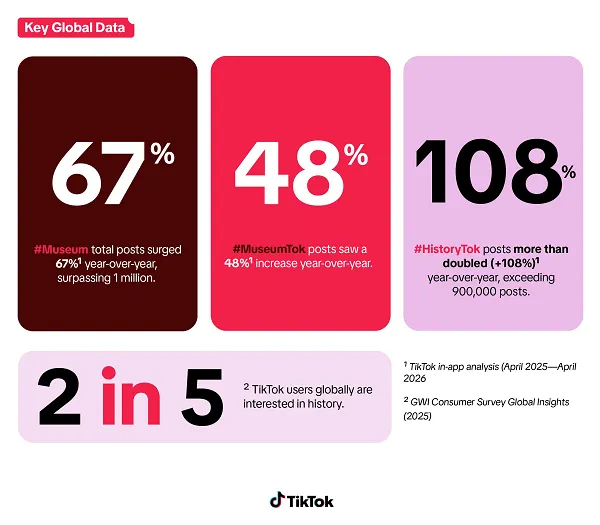
In an era where digital engagement is the primary currency of cultural consumption, the traditional "do not touch" sanctity of the museum is undergoing a radical transformation. On May 18, to coincide with International Museum Day, TikTok announced a sophisticated suite of in-app activations and strategic creator partnerships designed to bridge the gap between high-culture institutions and the platform’s massive, mobile-first audience.
By leveraging the power of TikTok LIVE and influencer storytelling, the platform is not merely documenting history; it is actively democratizing access to it. This initiative, anchored by the launch of the "Museums Come Alive" series, marks a significant shift in how cultural heritage is presented, consumed, and preserved in the digital age.
The Main Facts: Bridging History and the Digital Native
The core objective of TikTok’s International Museum Day programming is to shift the perception of museums from static repositories of the past to dynamic, interactive hubs of contemporary learning. Recognizing that younger generations increasingly turn to social media for discovery, TikTok has positioned itself as an essential partner for global institutions.
The "Museums Come Alive" initiative is not a one-off event but a foundational pivot in the app’s content strategy. By partnering with world-renowned curators and popular content creators, the platform aims to peel back the velvet ropes, offering behind-the-scenes glimpses into the maintenance, conservation, and curation processes that usually remain hidden from the public eye.
The campaign focuses on three primary pillars:
- Immersive Access: Using TikTok LIVE to broadcast real-time tours that are geographically agnostic, allowing a student in rural Brazil to walk through the halls of the Louvre.
- Creator-Led Narrative: Utilizing the storytelling prowess of TikTok influencers to translate academic, often dense, art history into digestible, engaging, and viral short-form content.
- Global Reach: Scaling local museum events into international cultural moments through algorithm-driven discovery.
Chronology: The Evolution of TikTok’s Cultural Integration
The path to this year’s International Museum Day has been paved with successful pilot programs that proved the viability of digital museum engagement.
- November 2023: The Grand Egyptian Museum (GEM) set a high bar for cultural streaming by broadcasting its opening ceremony on TikTok. The event transformed a national milestone into a global digital experience, proving that institutions could reach audiences in the millions beyond their physical walls.
- March 2024: The Metropolitan Museum of Art (The Met) took this momentum further with a three-day, multi-part LIVE series. By featuring both professional curators and popular TikTok creators, the museum successfully gamified the art-viewing experience, resulting in a surge of interest among demographics that had previously felt alienated by traditional museum gatekeeping.
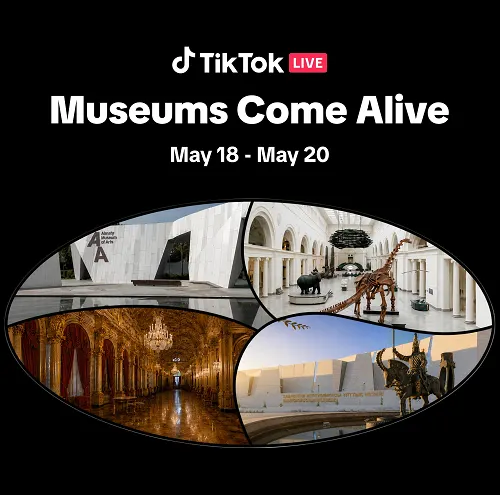
- May 18, 2024: The official launch of "Museums Come Alive." This date marks the transition from sporadic experiments to a permanent, year-round program designed to provide continuous access to education, food, travel, and historical discourse.
The cumulative effect of these milestones has been significant. TikTok reports that viewership across these experimental streams has reached nearly five million people globally—a testament to the latent demand for high-quality, educational content delivered through an accessible interface.
Supporting Data: The 2026 Museum Insights Report
To validate the strategic importance of this pivot, TikTok has released its 2026 Museum Insights Report. The data provides a compelling case for why cultural institutions must embrace the vertical-video format to remain relevant.
The Landscape of Digital Presence
The report indicates that 56% of the world’s top 100 most visited museums have established an official, active presence on TikTok. This list includes titans of the art world such as the Louvre, the Metropolitan Museum of Art, and the Grand Egyptian Museum.
Engagement Trends
The report highlights a "discovery loop" where users who engage with museum content on TikTok are statistically more likely to seek out physical visits or support these institutions through digital memberships. The engagement isn’t merely passive; users are interacting with these accounts through:
- Educational Loops: Re-watching technical explanations of restoration processes.
- Community Building: Using the comments section to debate historical context or share personal interpretations of artworks.
- Direct Support: Increased interest in virtual gift shops and donation portals linked directly through the app.
The data suggests that the "TikTokification" of museums does not cheapen the experience; rather, it creates a "teaser" effect that whets the audience’s appetite for deeper, real-world engagement.
Official Responses: A Vision for the Future
Representatives from both TikTok and the cultural sector have framed this initiative as a necessary evolution of the "Museum" concept.

In a statement regarding the launch, a TikTok spokesperson emphasized: "Museums Come Alive is a global LIVE program that provides TikTok users with year-round access to live content across education, food, travel, and more. Programming will kick off on May 18, where viewers will get a behind-the-scenes look into iconic cultural institutions that were previously inaccessible to the average person."
Museum administrators have mirrored this enthusiasm. Many curators, who once feared the "distraction" of social media, now view TikTok as a vital tool for audience development. The consensus among partners is that the platform serves as a modern-day "digital plaza," where the barrier to entry is lowered without compromising the scholarly integrity of the exhibits.
Implications: Why This Matters for the Future of Culture
The implications of this move extend far beyond a simple marketing campaign. The integration of high-culture institutions into TikTok’s ecosystem has three major consequences:
1. The Redefinition of "Cultural Literacy"
For decades, museum access was gated by physical geography and socio-economic status. By bringing the museum to the smartphone, TikTok is making cultural literacy a mobile-first activity. The "Museums Come Alive" series invites a broader cross-section of society to participate in global discourse, effectively shifting the demographic of who "owns" cultural history.
2. A New Revenue Model for Institutions
As traditional funding sources for museums face volatility, the digital engagement model offers a path toward new revenue streams. By converting casual viewers into digital followers, museums can increase their fundraising efficacy, drive traffic to their e-commerce stores, and justify their public and private funding allocations by demonstrating massive, verifiable engagement metrics.
3. The Future of Edutainment
TikTok’s shift toward educational content is a direct response to the "Edutainment" movement. Users are no longer satisfied with just entertainment; they are seeking value in their screen time. Museums that master the art of the short-form, high-quality video will lead the next generation of public intellectualism.
Conclusion: The Museum Without Walls
As we look toward the future, the "Museums Come Alive" series represents a fundamental change in the cultural landscape. It suggests that the future of the museum is not a building, but a connection.
By leveraging the algorithmic power of TikTok to distribute content that was once confined to physical halls, these institutions are ensuring their survival in a digital-first world. While critics may argue that a screen cannot replace the tactile experience of standing before a masterpiece, the reality is that for millions of people, the screen is the only window they have. On this International Museum Day, TikTok has proven that when you bring the museum to the people, you don’t just increase views—you ignite a lifelong passion for history, art, and the shared human experience.
The digital doors are open. The question is no longer whether museums belong on TikTok, but how they will continue to evolve within it to keep history alive for the next century.


 Evan Lee Salim
 Rifan Muazin