Ammar Sabilarrohman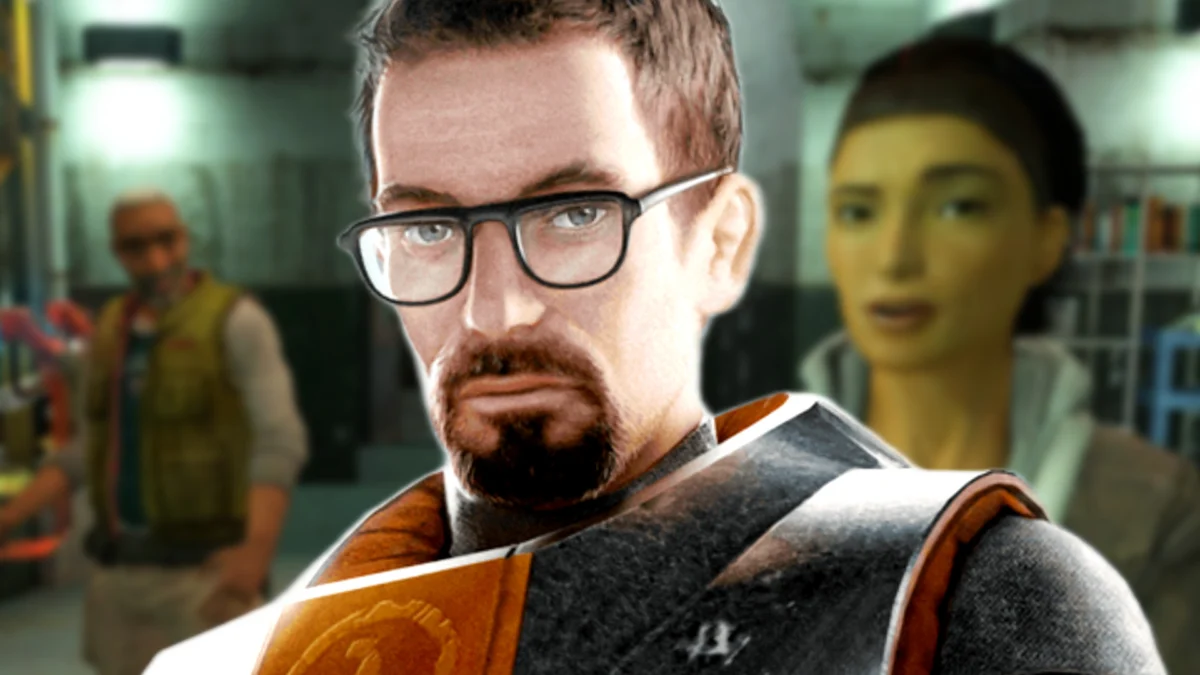
For nearly two decades, the gaming industry has been haunted by a phantom: Half-Life 3. It is a title that carries more cultural baggage than perhaps any other in the medium’s history. Fans have dissected every frame of Half-Life 2: Episode Two, constructed elaborate theories regarding the G-Man’s true identity, and speculated on the motivations of the Combine. However, according to Chet Faliszek—a pivotal figure in the writing rooms of Half-Life 2: Episode One, Episode Two, Portal, and Left 4 Dead—the assumption that a sequel is a simple creative endeavor is fundamentally flawed.
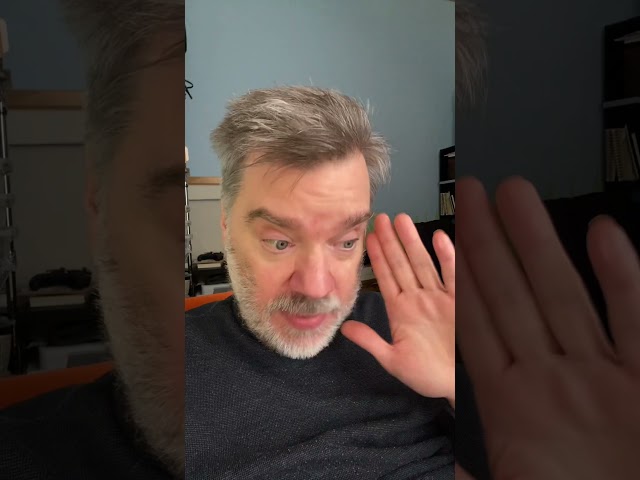
In a recent candid discussion, Faliszek dismantled the common fan sentiment that Half-Life 3 would be "easy" to produce, revealing the crushing weight of institutional memory and the paralyzing fear of violating the lore that Valve painstakingly cultivated.
The Myth of Narrative Freedom
The catalyst for Faliszek’s remarks was a casual claim made on TikTok: "It would be so incredibly easy to make a Half-Life 3. It wouldn’t even be hard. The plot could go anywhere."
Faliszek, who spent years at Valve navigating the labyrinthine narrative threads of Gordon Freeman’s journey, responded with a skepticism born of experience. He was quick to issue a disclaimer, emphasizing that he possesses no inside information regarding current projects at Valve. Instead, he offered a retrospective look at the "intimidating prospect" of returning to a franchise with a fifteen-year-plus pedigree of intense scrutiny.
The central point of contention for Faliszek is the audience’s perceived understanding of the story. "Here’s the thing… for some people it could [go anywhere]," he mused. "But do you know what happened at the end of Half-Life 2: Episode Two? Not the sad part of the end, but what did the rocket do? You launched a rocket—what did it do? Why did you launch it? Do you know? You would be surprised."
This challenge to the community serves as a microcosm for the broader issue. Fans often recall the emotional beats—the tragedy, the loss—while overlooking the mechanical and narrative logistics that drive the plot forward. When a narrative is as dense and long-standing as Half-Life, every action carries a weight of causality that limits the "freedom" of a sequel.

A Chronology of Expectation
To understand why Faliszek views the project as a "disaster nightmare," one must look at the timeline of Valve’s narrative development.
- The Early 2000s: Valve established the foundation of the Half-Life universe, balancing environmental storytelling with the mysterious agency of the G-Man.
- The Mid-2000s: With the release of the Episodes, the story grew increasingly complex. Valve writers, including Faliszek, engaged in deep-dive sessions to reconcile the lore across multiple titles, ensuring that Portal and Half-Life maintained a cohesive, if opaque, history.
- The "Lore Summit": Faliszek recalls a pivotal meeting where the writing team consolidated all existing lore. During this session, the realization struck that the protagonist, Gordon Freeman, was perceived by some as little more than a "hired hitman" traveling the universe at the whim of an interdimensional bureaucrat. This realization forced the writers to grapple with the existential implications of their own story.
- The Post-Alyx Era: The release of Half-Life: Alyx in 2020 drastically altered the timeline and the audience’s perception of "what is possible" within the canon. Whether Alyx simplified or complicated the roadmap for a potential sequel remains a point of intense debate.
The Burden of Institutional Memory
Faliszek’s primary resistance to returning to Half-Life is rooted in the fear of fan-enforced constraints. He argues that once a franchise has existed for decades, it ceases to be just a game; it becomes a religion for its most devoted followers.
"I don’t want to touch anything old," Faliszek admitted. "I don’t have to have people who remember stuff better than I do yelling at me about changing some history or lore from 50 years ago at this point."
This sentiment is echoed by many veteran writers in the industry who view "legacy sequels" with trepidation. The fear is not of the creative work itself, but of the inevitable backlash that occurs when a new vision clashes with the "headcanon" of a community that has spent years filling in the gaps of a story left dangling.
Comparing Notes: The Bungie Example
To illustrate the overwhelming nature of established lore, Faliszek compared his experience at Valve to the legendary complexity of Bungie’s portfolio. He referenced the Myth series, Halo, and Destiny.
"They have so much lore, and that lore terrifies me," he said. "I don’t know that much lore about my own life, let alone your game. I don’t want to have to write inside of that."
This perspective is crucial for understanding why major studios are often hesitant to revisit dormant franchises. When a universe has expanded to include novels, comics, and decades of fan discussion, the "barrier to entry" for a writer becomes a wall. The pressure to remain perfectly consistent—without stifling the creative spark that made the series successful in the first place—is a tightrope walk that few are willing to perform.
Implications for the Future of the Franchise
What does this mean for the future of the Half-Life series? Faliszek’s stance is clear: "Any sequel to me is just a disaster nightmare that I never want to do." He maintains that he would not touch a Half-Life project "with a ten-foot pole, or even a grav gun separating me from that ten-foot pole."
The implications are twofold:
- The Creative Impasse: If the writers who defined the series are intimidated by the lore, it suggests that any future installment will likely need to be handled by a new generation of creators who are not beholden to the "old ways." However, this risks alienating the purists who demand adherence to the established canon.
- The Shift in Perspective: Valve has clearly moved toward smaller, more focused experiences like Half-Life: Alyx rather than attempting to tackle the massive, monolithic "Episode Three" that fans have been clamoring for since 2007. By shifting the focus to a prequel-adjacent story, Valve managed to revitalize the franchise without having to reconcile every lingering question from the original saga.
Conclusion: Letting the Past Be
Chet Faliszek’s comments serve as a necessary reality check for a community that often views game development through the lens of pure creative potential. While the plot could go anywhere in theory, in practice, it is tethered to a legacy that is as fragile as it is expansive.
The lesson from Faliszek is that sometimes, the most respectful thing one can do for a masterpiece is to leave it alone. The "disaster nightmare" he describes is not just a personal professional concern; it is an acknowledgement that once a story has become a cornerstone of gaming history, the cost of continuing it may be higher than the audience is prepared to pay—or that the creators are willing to bear.
For now, Half-Life 3 remains in the realm of the theoretical, protected by the very lore that Faliszek finds so paralyzing. Whether it is a blessing or a curse, the legacy of Gordon Freeman remains untouched, preserved in the amber of a decade-long silence.



 Nana Wu