


While Housemarque’s Saros does not aim to reach the punishing, singular intensity of Returnal, it presents a sophisticated, multi-layered challenge that requires players to evolve alongside the game’s increasingly lethal fauna. Across the alien, shifting landscapes of Carcosa, players are granted an arsenal of new mechanics—yet the game’s inherent complexity often leaves these tools poorly explained.
After dozens of hours spent navigating the treacherous biomes of Carcosa, it has become clear that success in Saros is less about raw reflexes and more about a deep, tactical understanding of the game’s underlying systems. Below is an exhaustive breakdown of strategies designed to turn the tide against the overwhelming odds of Housemarque’s latest roguelike masterpiece.

1. The Mechanics of Difficulty: Utilizing Carcosan Modifiers
Saros introduces a granular approach to difficulty through "Carcosan Modifiers." Unlike traditional difficulty settings, these represent a balancing act of buffs and debuffs.
Strategic Balancing for Optimal Runs
Players can toggle modifiers to boost damage, nullify artifact corruption, or grant regenerative health. However, these benefits are frequently tethered to compensatory penalties. The key to mastering Saros is not to avoid these modifiers, but to curate them. If your playstyle is naturally defensive, you might opt for a damage-output boost at the cost of a movement penalty you can mitigate with smart positioning. Furthermore, for those finding the initial learning curve insurmountable, the settings menu provides an option to disable the balancing requirement entirely—a vital inclusion for accessibility and player retention.

2. Curating Your Arsenal: Why Being Picky with Artifacts Matters
In a genre defined by RNG (random number generation), the temptation to hoard every artifact found is high. In Saros, this is a critical error. Many artifacts provide passive bonuses that are mathematically negligible compared to the utility of high-tier combat items.
Prioritizing Power and Mitigation
General stat-buffing artifacts should generally be discarded in favor of items that influence "Power Generation," "Overload Efficiency," and "Damage Mitigation." As you progress through the biomes, your base proficiency levels will naturally scale your stats. Therefore, artifacts that offer specific combat interactions—such as damage reduction upon successful parries or increased power generation during intense firefights—are the true game-changers.

3. The Snowball Effect: Investing in Lucenite Generation
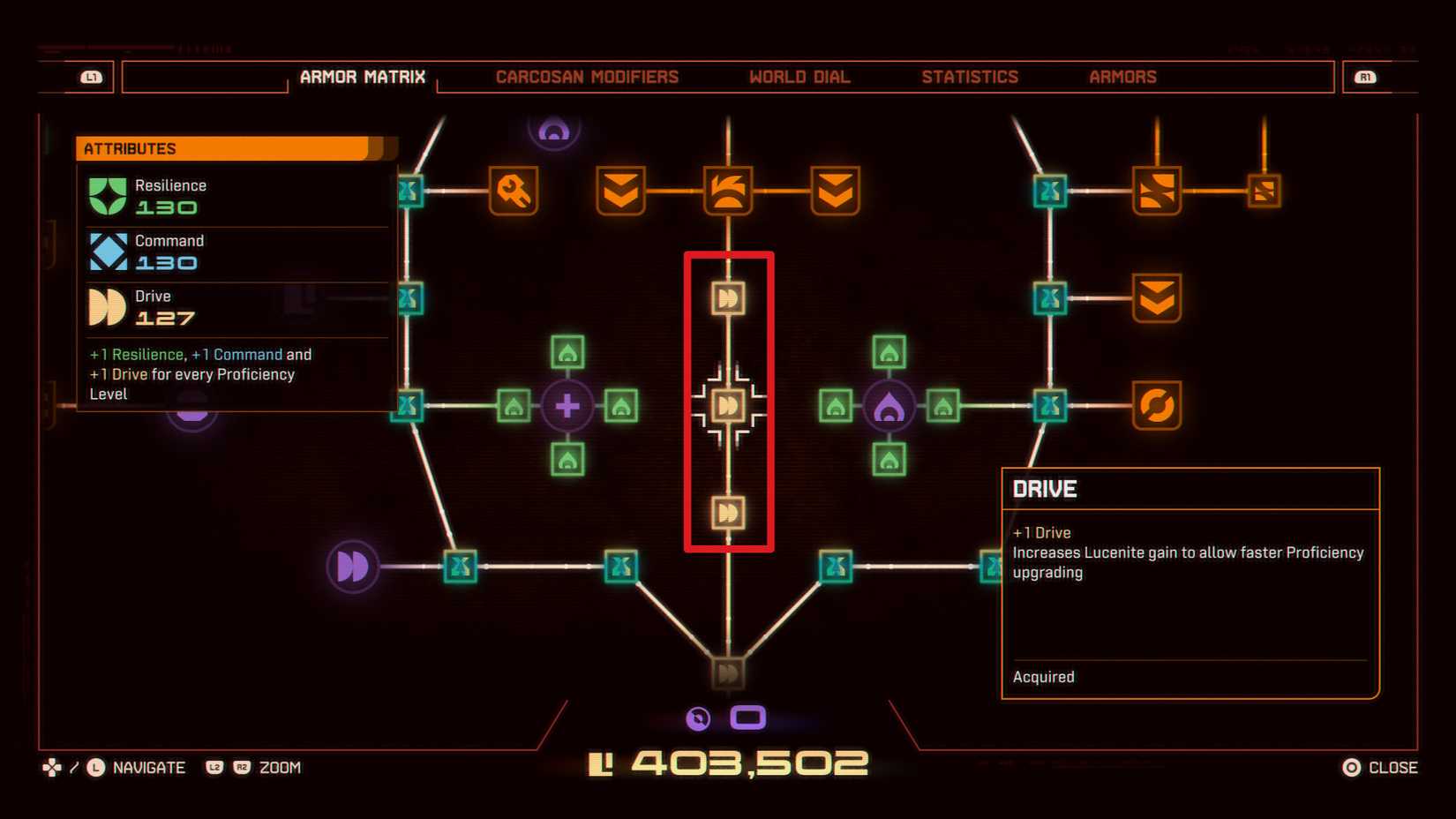
Lucenite is the lifeblood of your progression in Saros. While it is tempting to spend early-game currency on temporary buffs, the most experienced players prioritize "Lucenite Generation" perks immediately.
Long-Term Economic Stability
Investing early in Lucenite yield ensures that by the time you reach the mid-game, your armor and weapon upgrades are consistently ahead of the difficulty curve. This reduces the need for "farming" runs, allowing you to focus on pushing deeper into the game’s later, more complex biomes. By sacrificing immediate gratification in the first biome, you secure a logistical advantage that pays dividends throughout the entire run.
4. The "No-Go" Zone: Avoiding Dash Debuffs
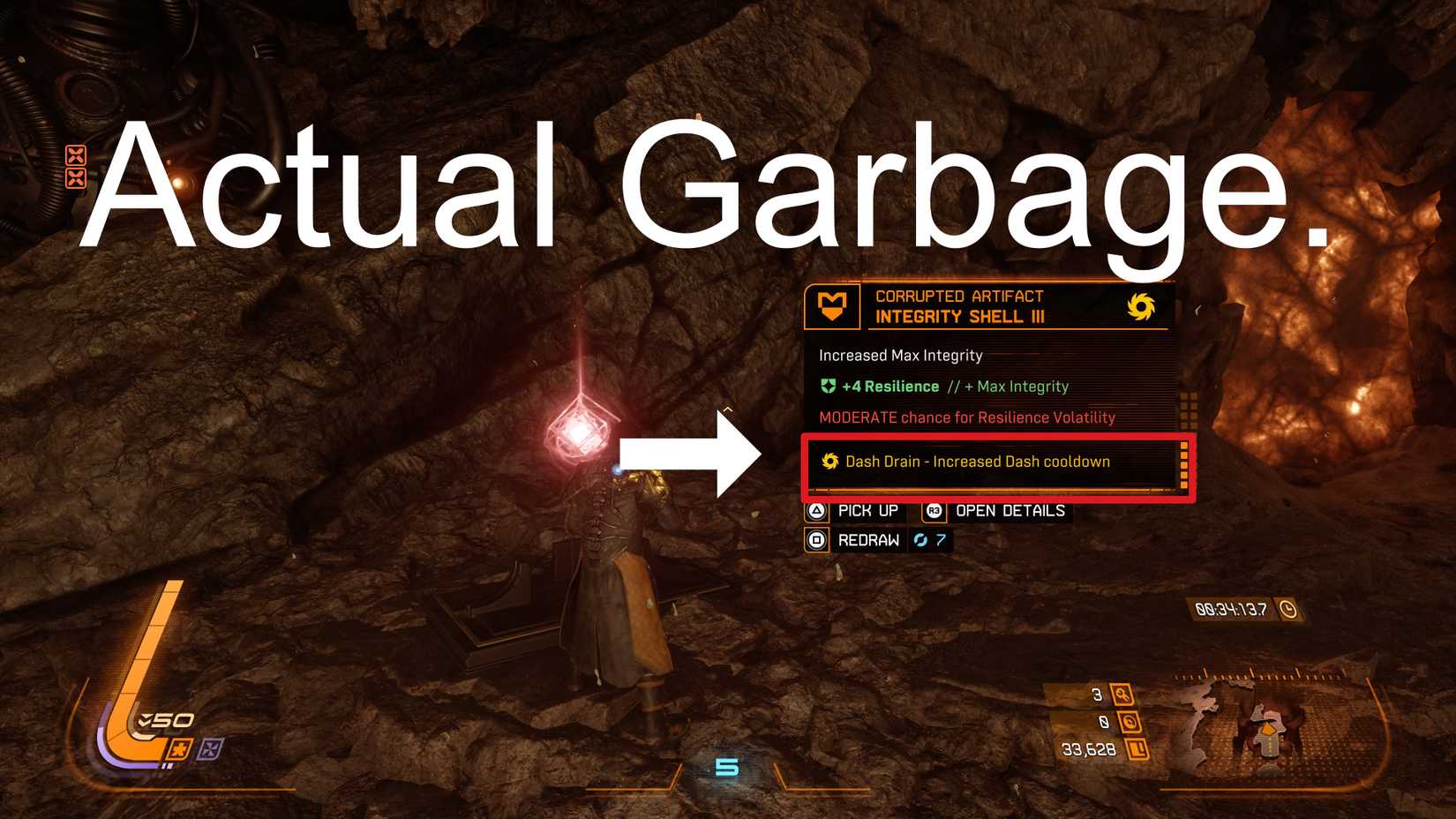
In the high-speed combat of Saros, your dash is your primary defensive mechanism. It is the bridge between safety and failure.
The Fatal Flaw of Dash Cooldowns
There are certain artifacts and modifiers that offer massive damage buffs but impose a "Dash Cooldown" penalty. Never take these. Even if the damage increase is tempting, the loss of consistent, on-demand mobility is almost always a death sentence. In boss encounters, where dodging projectile patterns is the primary objective, any delay in your dash uptime will inevitably lead to a failed run.
5. Tactical Utility: The Power of Acolyte’s Wagers
Acolyte’s Wagers are among the most misunderstood items in the game. They function as both a reroll mechanic for loot and a sophisticated inventory management tool.
Managing Your Loadout
If you find yourself stuck with a mediocre artifact loadout, you can use an Acolyte’s Wager to delete an existing, undesirable piece of equipment to free up a slot for a superior item. To do this, access your equipment menu, highlight the unwanted item, and hold the square button. This hidden mechanic is essential for maintaining an "S-Tier" build as you enter the endgame.
6. Weapon Mastery: Specialization vs. Versatility
While Saros offers a wide variety of weaponry, the most consistent path to victory is early specialization.
Finding Your "Main"
Each weapon in Saros aligns with a specific playstyle. Whether you prefer the long-range precision of the Smart Rifle or the area-of-effect devastation of the Nova Lance, mastering the rhythm and reload cadence of a single weapon is paramount. By "clinging" to one weapon, you reduce the cognitive load required during combat, allowing your brain to dedicate more processing power to reading enemy animations and projectile patterns.
7. Visual Clarity: Optimizing Projectile Visibility
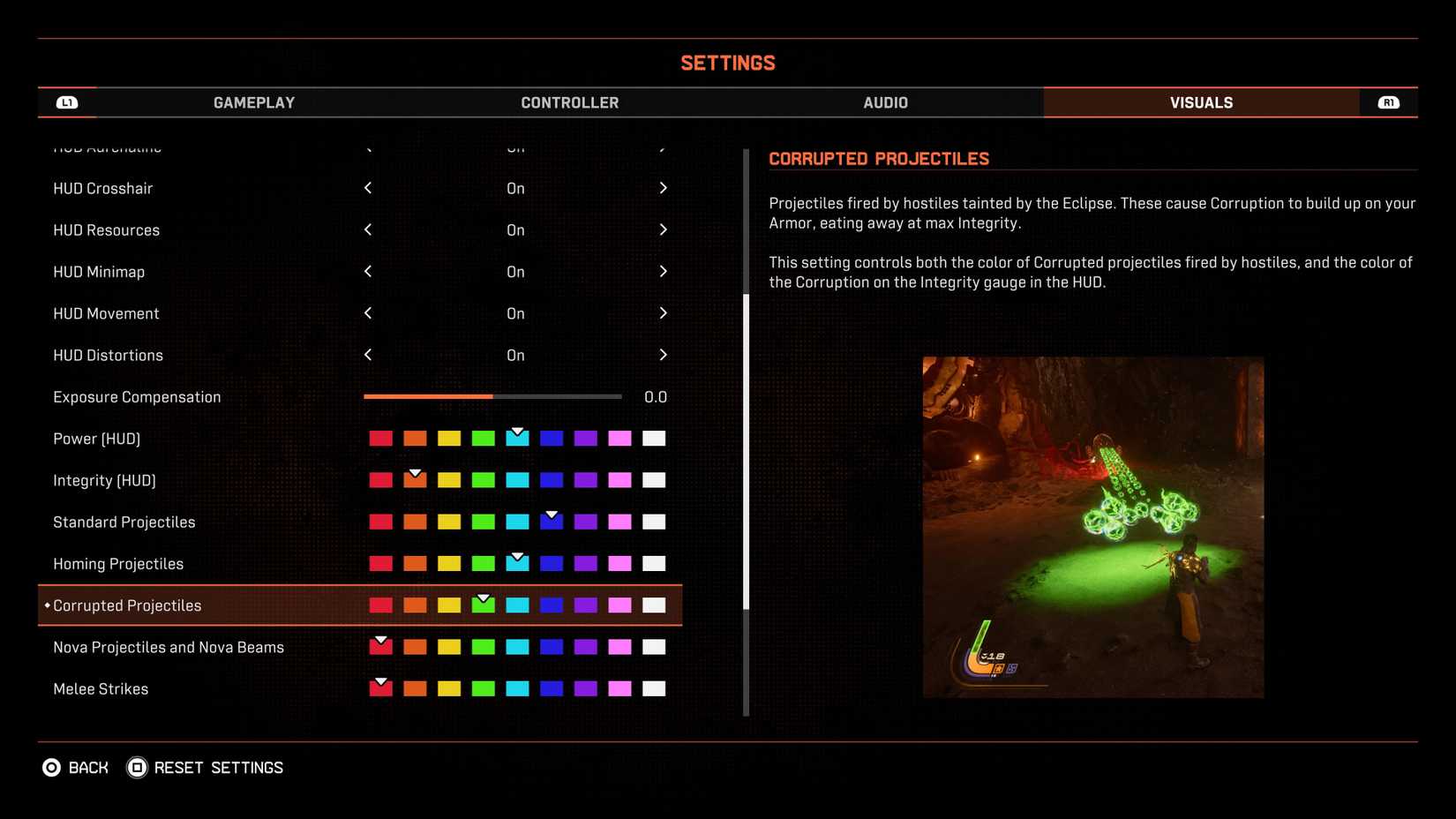
Accessibility options in modern gaming are often overlooked, but in Saros, they are a competitive necessity. The game’s color palette can sometimes make specific "Corrupted Projectiles" difficult to distinguish from environmental effects.
The Purple/Green Advantage
The default gold/orange hue of corrupted projectiles can blend into the vibrant, alien foliage of Carcosa. Changing these to high-contrast colors like purple or green in the accessibility settings can drastically improve your reaction times. This simple change allows you to identify incoming threats instantly, turning chaotic skirmishes into manageable puzzles.
8. Strategic Progression: Starting from Earlier Biomes
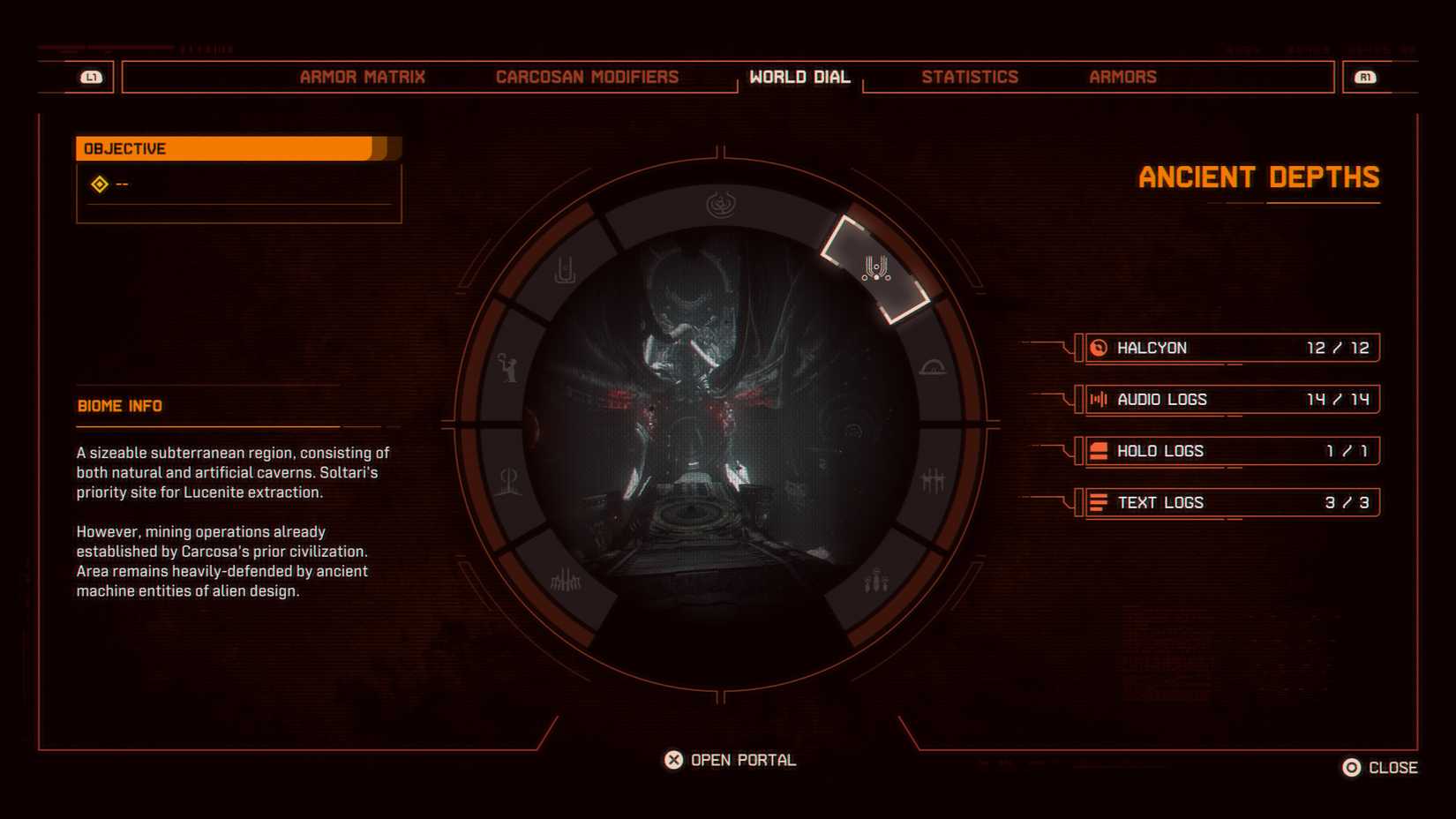
When a run ends, the game offers you the chance to restart at the beginning of the last biome you reached. While convenient, this is often a trap for players who are struggling.
Building Momentum
If you hit a wall in a later biome, it is often more effective to restart from an earlier one. This grants you the opportunity to farm more Lucenite, find better artifacts, and increase your baseline proficiency before entering the harder areas. It transforms a difficult, high-stakes situation into a controlled environment where you can build your character into a powerhouse.
9. Combat Mastery: The Shield and the Parry
The shift from Returnal to Saros is most evident in the addition of the shield and the parry system. These are not merely defensive options—they are offensive tools.
The Hidden "Mini-Shield"
While holding R1 deploys a full shield, a quick tap of R1 triggers a "mini-shield" with a near-instant animation. This is your panic button. It absorbs projectiles with zero damage and converts them into power weapon charges. Mastering the timing of this tap allows you to turn an enemy’s barrage into your own ammunition, effectively turning their aggression against them.
10. The Ultimate Build: The Power Generator
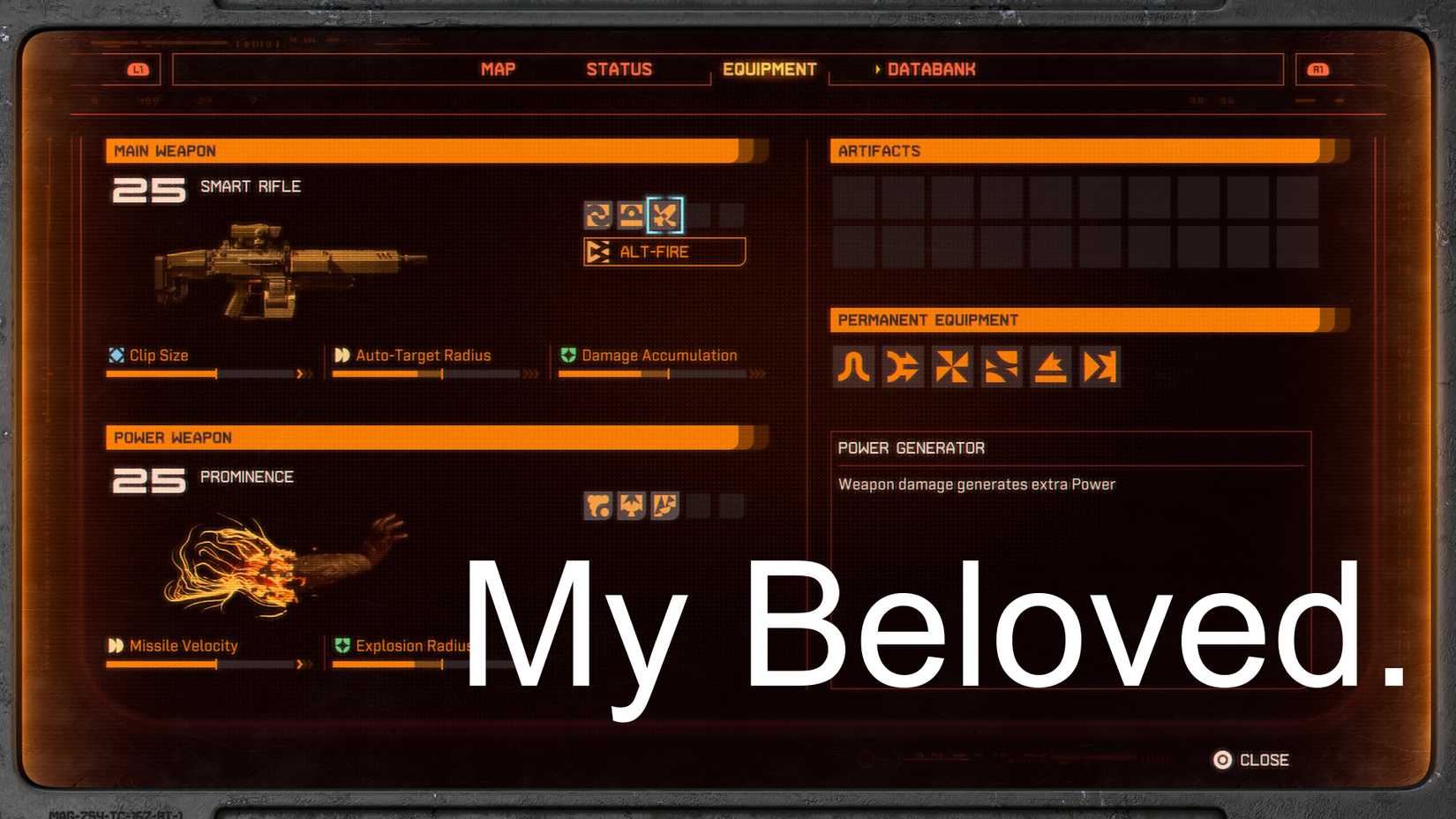
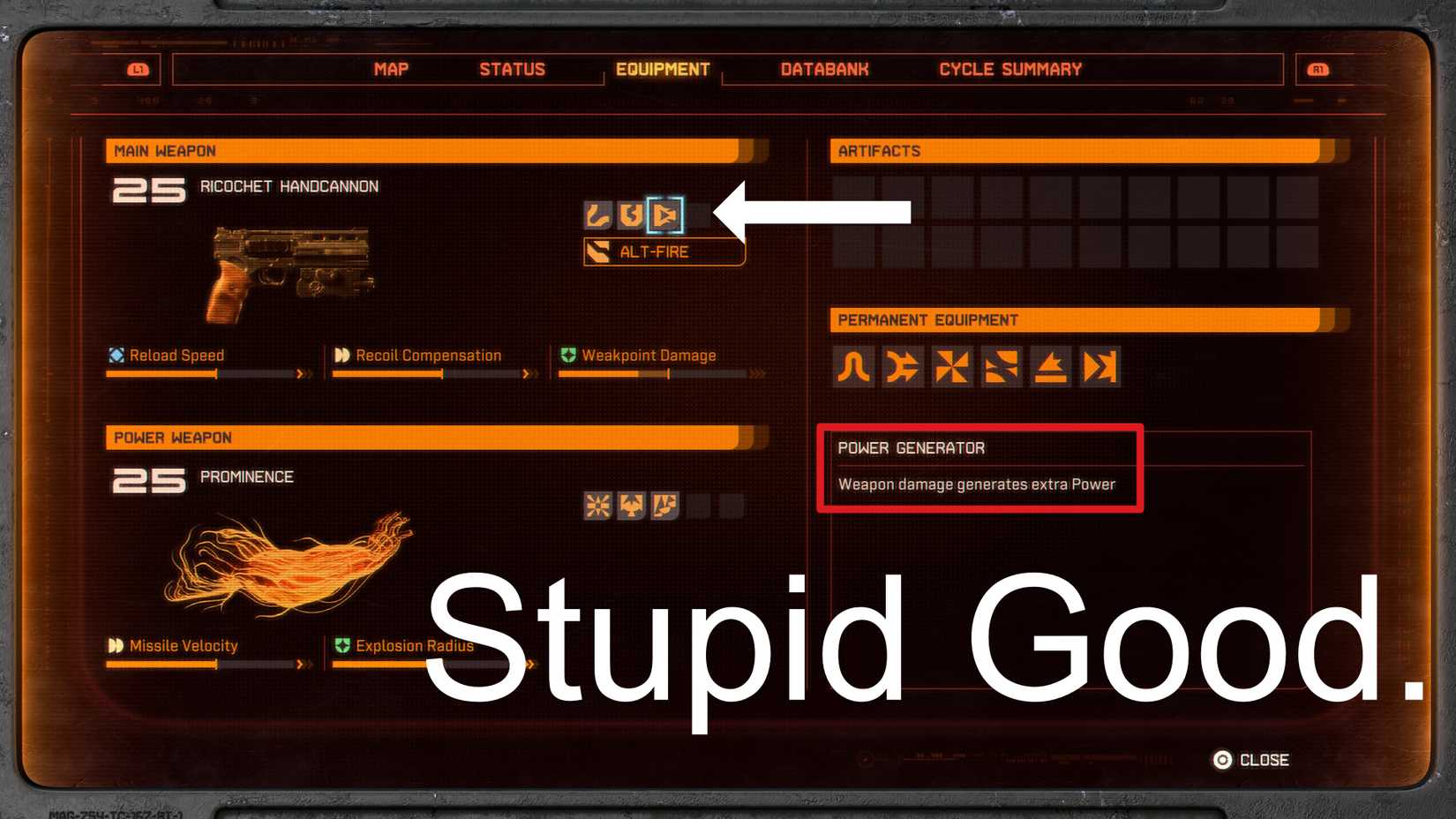
If you find the "Power Generator" weapon perk, your run has essentially been won.
Unlimited Potential
The Power Generator perk allows you to generate power simply by dealing damage. When paired with high-damage, rapid-fire weapons like the Smart Rifle, you effectively gain an infinite supply of power weapon ammunition. This removes the need for careful resource management and allows you to unleash your strongest attacks with reckless abandon. When you combine this with artifacts that provide bonus OverDrive charges, you become a force of nature, capable of melting bosses before they can even initiate their second phase.

Implications for the Genre
The emergence of Saros highlights a shift in the roguelike genre toward "player-defined difficulty." By providing tools that are powerful but complex, Housemarque has created a system where knowledge is the ultimate currency.
The game’s design philosophy encourages a "flow state," where the challenge is not just surviving the game, but understanding its mechanics so thoroughly that the difficulty becomes an extension of the player’s own skill. While the initial journey across Carcosa may feel overwhelming, these strategies provide the foundational knowledge required to transition from a struggling scavenger to a master of the abyss. As you continue to play, remember: in Saros, every death is a lesson, and every run is an opportunity to refine your mastery of this complex, beautiful, and deadly world.












No comments yet. Be the first to join the conversation!