

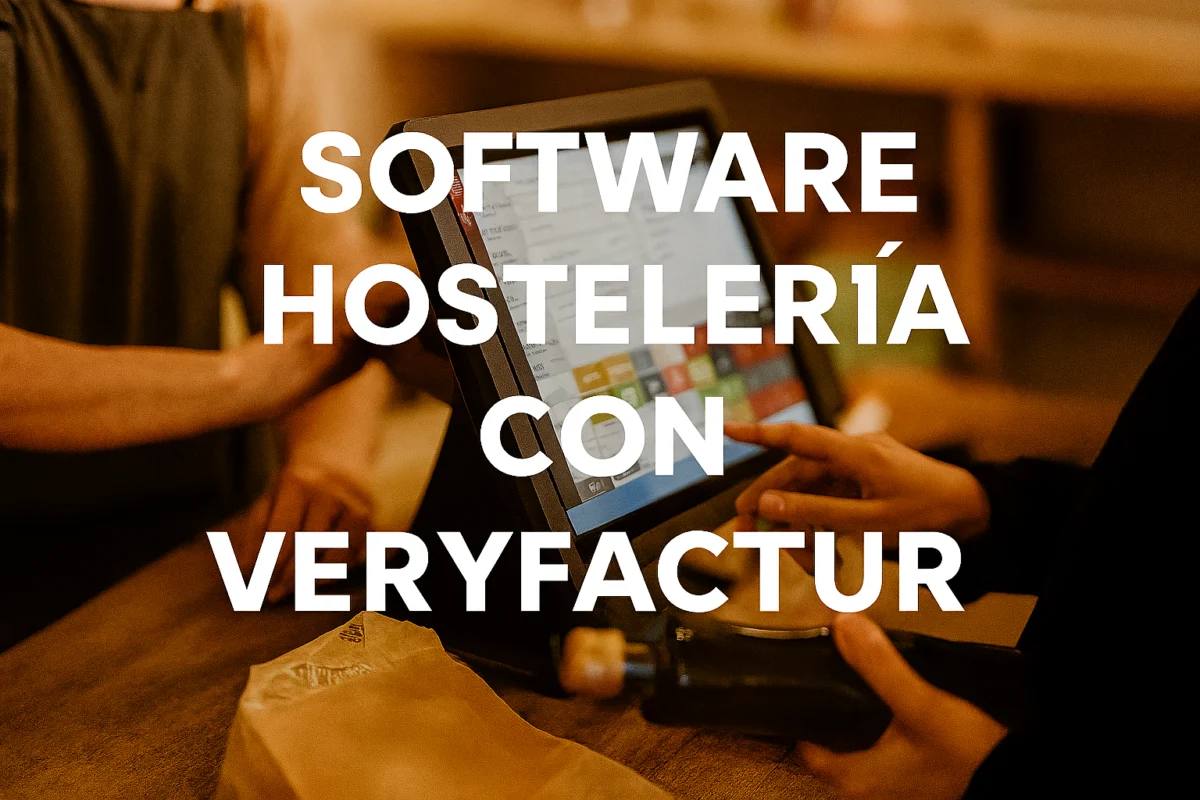
In the modern hospitality landscape, the era of relying on handwritten notes, mental arithmetic, and fragmented spreadsheets is rapidly drawing to a close. For restaurant owners, café managers, and catering entrepreneurs, digitalization has evolved from a competitive advantage into a fundamental prerequisite for survival. As profit margins tighten and customer expectations reach new heights, the integration of advanced software ecosystems—ranging from Point of Sale (POS) systems to automated billing—is redefining how the industry operates.
The Paradigm Shift: From Intuition to Precision
Historically, the restaurant industry was governed by intuition. Chefs relied on "gut feeling" to order supplies, and managers managed rosters based on habits rather than hard data. Today, that paradigm has shifted toward an operating model defined by precision, speed, and connectivity.
The core of this transformation lies in the elimination of operational friction. By centralizing sales, kitchen production, and inventory management, businesses can react to demand fluctuations in real-time. Whether it is a quiet Tuesday lunch or a chaotic Saturday night service, a digital infrastructure ensures that the business remains agile.
The Role of Integrated Infrastructure
At the heart of this digital ecosystem is the modern POS system. Far more than a cash register, a robust POS acts as the "brain" of the establishment. It synchronizes every order, tracks inventory depletion by the gram, and generates hourly performance reports. When a restaurant implements such a system, it is no longer guessing about its peak hours or its most profitable menu items; it is observing the data and adjusting its strategy accordingly.
The Chronology of Digital Integration
For businesses looking to transition from traditional methods to a fully digital environment, the process typically follows a clear trajectory:
- Phase One: Digitizing the Transaction: The foundation begins with replacing manual cash registers with a cloud-based POS system. This allows for accurate tax calculation and reliable sales recording.
- Phase Two: Streamlining Communication: Once the POS is in place, the introduction of digital "comanderos" (order takers) connects the dining room directly to the kitchen. This eliminates the "lost order" phenomenon.
- Phase Three: Inventory and Supply Chain Integration: With the sales data flowing, the software is programmed to deduct ingredients from inventory in real-time, signaling the need for reordering before shortages occur.
- Phase Four: Administrative Automation: Finally, the business integrates billing and fiscal compliance tools, such as Veryfactur, to ensure that the back-office accounting matches the daily performance of the kitchen and bar.
Reducing Operational Friction: The Death of the "Lost Order"
One of the most persistent bottlenecks in hospitality is the communication gap between the front-of-house and the kitchen. Errors—such as misread handwriting, forgotten allergy warnings, or timing mismatches—are not merely inconveniences; they are costly leaks in a restaurant’s profit margin.
When a digital system takes over, the order flows seamlessly from the waiter’s mobile device directly to the kitchen display screen. This transition ensures that the kitchen team has clear, legible, and prioritized information. Furthermore, it provides the management with real-time data on "ticket times"—the duration from order placement to delivery. By monitoring these metrics, chefs can identify where bottlenecks occur and optimize their workflow to ensure a consistent, high-quality guest experience.
Data-Driven Management: The New Competitive Edge
Perhaps the most significant benefit of digital adoption is the ability to move from reactive management to proactive strategy. With sophisticated dashboards, owners can extract actionable insights from raw data:
- Menu Engineering: By identifying which dishes have the highest contribution margin and the fastest prep time, managers can prune their menus to focus on items that drive profitability.
- Labor Optimization: By analyzing sales trends, managers can create rosters that perfectly align with peak demand, preventing the dual errors of overstaffing (which kills margins) and understaffing (which hurts service quality).
- Predictive Purchasing: Automated inventory alerts prevent the "dead stock" that leads to food waste, one of the primary killers of restaurant profitability.
Fiscal Compliance and the Veryfactur Impact
While the guest-facing side of technology often grabs the headlines, the backend automation of billing and tax compliance is where many businesses find their most significant relief. Solutions like Veryfactur have emerged as essential tools for navigating complex regulatory requirements.
Automated billing removes the human error factor from the checkout process. It ensures that every item is correctly taxed and that the financial records match the inventory used. For the business owner, this means that tax season is no longer a period of manual reconciliation and stress, but rather a simple export of verified, accurate data. Furthermore, it strengthens the relationship with financial advisors, as the accountant receives a clean, digital audit trail rather than a box of crumpled paper receipts.
Supporting Data: Why Digitalization Matters
Recent industry studies suggest that restaurants utilizing integrated digital systems experience a 15–20% increase in operational efficiency within the first six months. The primary drivers of this efficiency include:
- Reduction in Food Waste: Real-time inventory tracking can reduce food spoilage by up to 25% by preventing over-purchasing.
- Service Speed: Digital order transmission has been shown to reduce table turnover times by approximately 10 minutes per table, allowing for higher volume without sacrificing quality.
- Accuracy: Digital systems virtually eliminate "void" errors and pricing discrepancies, which, in a traditional environment, can account for 2–3% of total revenue loss.
Official Perspectives: The Expert View
Industry consultants often emphasize that technology is not a replacement for human hospitality, but a tool to amplify it. "The goal of a digital POS or a kitchen display system is to remove the ‘noise’ from the operational side," says one industry analyst. "When a waiter doesn’t have to worry about whether the kitchen read their handwriting, they can spend that time talking to the customer, upselling, or ensuring the guest’s needs are met. Technology buys you the time to be human."
Overcoming the Barriers to Adoption
Despite the clear benefits, some operators hesitate to adopt new systems due to fears of technical complexity or staff resistance. However, modern implementation strategies focus on "incremental digital maturity."
- Start Small: Don’t overhaul everything at once. Begin with a solid POS foundation.
- Invest in Training: Technology is only as good as the team using it. Comprehensive training sessions for staff are vital to success.
- Choose Scalable Solutions: Select platforms that integrate easily via API, ensuring that as the business grows, the software can evolve alongside it.
Implications for the Future of Hospitality
The trajectory is clear: the gap between "digitized" and "traditional" restaurants will continue to widen. Those who embrace the shift will benefit from leaner operations, more accurate data, and a superior ability to adapt to market changes. Conversely, those who cling to manual processes will find themselves at a disadvantage in terms of cost, speed, and scalability.
Ultimately, the digital transformation of the hospitality sector is about reclaiming the craft of service. By offloading the administrative and logistical burdens to intelligent software, chefs and restaurateurs can redirect their focus toward the true heart of the business: the food, the service, and the guest experience.
Conclusion
The integration of advanced software—from POS systems and digital comanderos to automated fiscal solutions like Veryfactur—is the catalyst for a new era of restaurant management. By creating a unified, data-driven ecosystem, operators can slash inefficiencies, minimize waste, and provide a superior, consistent experience for their customers. The transition may require an initial investment of time and resources, but the long-term payoff is a more resilient, profitable, and agile business capable of thriving in an increasingly competitive global marketplace.












No comments yet. Be the first to join the conversation!