Layla Zulfa
This article was produced in collaboration with Valnet Inc. and the sponsor Logitech G.
The landscape of professional competition is undergoing a seismic shift. As digital arenas continue to fill stadiums and draw millions of concurrent viewers online, the question of whether "professional gamer" constitutes a legitimate, sustainable career path has become a focal point of global debate. A comprehensive new study commissioned by Logitech G and conducted by the data firm Censuswide offers a candid look at these perceptions, revealing that while the industry is maturing, it remains shackled by significant generational prejudices and systemic hurdles.
The Study: Mapping Global Perspectives
The findings, derived from an expansive survey of 18,000 individuals across 12 countries—including the United States, China, Brazil, Germany, and South Korea—paint a complex portrait of how the world views the digital athlete. Between January 20 and January 27, 2026, researchers gathered 1,500 responses per market to identify trends in career legitimacy, societal respect, and educational integration.
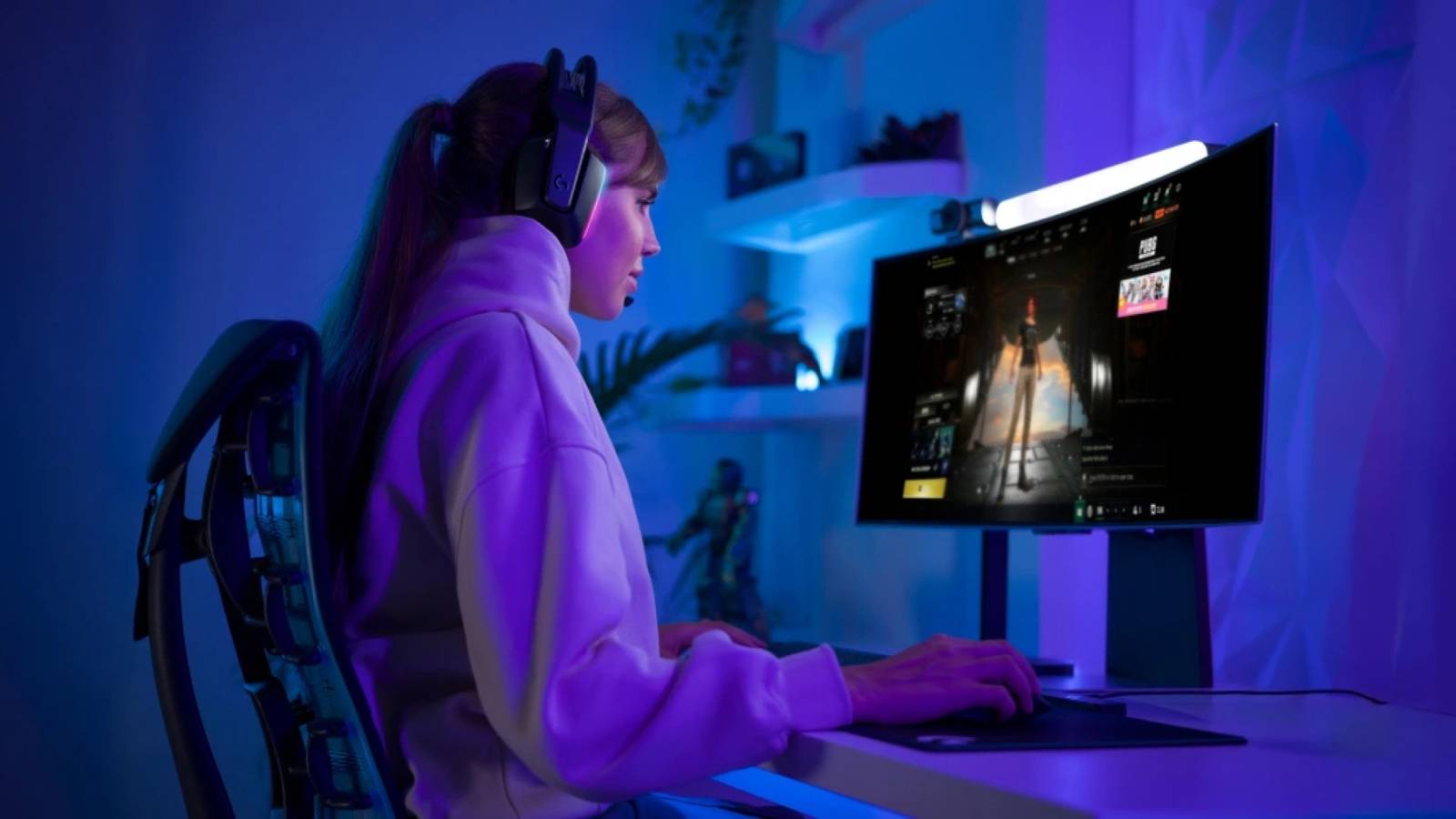
The data confirms a pronounced "generational chasm." Among Baby Boomers, only 37% of respondents classified professional gaming as a legitimate career. In stark contrast, the digital natives of Generation Z and the tech-savvy Millennial demographic view the profession with significantly higher validation, at 67% and 60% respectively.
However, geography remains a powerful variable. China, for instance, serves as a notable outlier, where 74% of Baby Boomer respondents recognized the validity of a professional gaming career—a figure that drastically outpaces their Western counterparts and suggests that in certain regions, the cultural integration of eSports has transcended age-based skepticism.
Chronology of an Emerging Industry
To understand why these perceptions persist, one must look at the rapid evolution of the medium.

- The Early 2000s: Professional gaming was largely relegated to LAN centers and underground tournaments, viewed primarily as a niche hobby with little to no financial viability.
- The 2010s: The rise of streaming platforms and massive prize pools for titles like Dota 2 and League of Legends brought eSports into the mainstream consciousness.
- 2020-2025: The global pandemic accelerated the consumption of digital entertainment, solidifying eSports as a staple of modern media.
- 2026: As of the current survey results, we find ourselves at a crossroads where the industry is struggling to transition from a "booming trend" to a "respected institution."
Despite the massive growth in revenue and audience size, the social "prestige" of the job remains low. When participants were asked to rank the respectability of various professions, traditional pillars like medicine, engineering, and law dominated the top tiers. Professional gaming, conversely, languished at an 8% approval rating—placing it in the same bracket as musicians, actors, and politicians.
Supporting Data: The Hurdles to Legitimacy
The survey highlights a triad of obstacles preventing eSports from achieving the same level of societal endorsement as traditional athletics:
- Financial Instability (42%): A persistent fear that, unlike a salaried corporate position, the life of an eSports athlete is one of feast or famine, dominated by volatility.
- Hyper-Competitiveness (34%): The perception that the "career window" for a gamer is painfully short, often ending before the athlete reaches their mid-twenties.
- Lack of Support (31%): A perceived absence of parental, educational, and institutional backing for those who wish to pursue a path in the digital arts.
Furthermore, when asked if they would recommend a career in professional gaming to their children or close associates, the response was overwhelmingly negative. Only 1% of Boomers, 3% of Gen X, and 4% of Millennials expressed a willingness to endorse the path, highlighting a profound disconnect between enjoying the medium as a fan and desiring it as a livelihood.
Official Perspectives: The Role of Industry Leaders
Derek Perez, Global Communications Gaming Lead at Logitech G, believes these findings are a call to action for the tech sector. He notes that the research confirms that while gaming has cemented itself as a cultural juggernaut, the infrastructure supporting the individuals behind the screens is still in its infancy.
"This research shows how far esports and gaming have come—not only as entertainment, but as a genuine path to personal and professional success," Perez stated. "However, more can be done to support younger generations in pursuing careers in professional gaming. The more companies like Logitech support athletes and the industry overall, the more opportunities there will be for people around the world to pursue roles in esports."
Logitech G’s commitment to this mission, underscored by their ongoing development of high-performance gear like the G PRO Series, aims to professionalize the tools of the trade. By treating gaming hardware with the same rigorous engineering standards as professional medical or design equipment, companies are attempting to signal to the world that these tools are for serious, high-stakes environments, not just leisurely pastimes.

The Path Forward: Education and Integration
Perhaps the most optimistic finding in the study is the broad support for formal education. 65% of respondents globally expressed favor toward the establishment of formal academic pathways for eSports. This suggests that society is beginning to recognize that gaming, like any other discipline, requires cognitive training, strategic analysis, and physical discipline.
Indeed, 84% of survey respondents characterized professional gaming as "mentally demanding," while over half acknowledged the physical strain inherent in the profession—a reality often overlooked by critics who view gaming as a sedentary activity.
The Olympic Question
The debate over the inclusion of eSports in the Olympic Games continues to be a bellwether for the industry’s acceptance. Currently, 37% of the global public supports the inclusion of eSports in the Olympics. Among Gen Z, this support climbs to 49%, indicating that as the current generation ages into positions of influence within global sporting bodies, the barriers to entry may eventually collapse.
Implications: A Shifting Career Paradigm
The survey findings offer a stark contrast between professions. While 44% of respondents believe politics has become a less desirable career path and 25% feel the same about teaching, 40% feel that professional gaming has become more inspirational over the last decade.
The implications are clear: the "career of the future" may not be found in traditional halls of power or classrooms, but on the digital stage. However, for that transition to occur, the industry must address the "legitimacy gap." This includes:
- Transparency: Clearing up the murky waters surrounding professional earnings and contract structures.
- Mainstream Media: Moving eSports coverage beyond specialized outlets and into the fabric of general news and sports reporting.
- Institutional Infrastructure: Developing colleges and university programs that provide a clear, stable roadmap for aspiring athletes, mirroring the collegiate system found in traditional sports.
In conclusion, the Logitech G study reveals an industry at an inflection point. The appetite for eSports as a professional career is undeniably present, particularly among the youth, but the societal scaffolding required to sustain it—parental support, educational programs, and professional respect—is still under construction. As the technology behind the game evolves, the social perception of the gamer must also undergo a significant upgrade. For those looking to the future, the message is clear: the digital arena is not going away; it is simply waiting for the rest of the world to catch up.


 Asro
Asro
 Muslim