

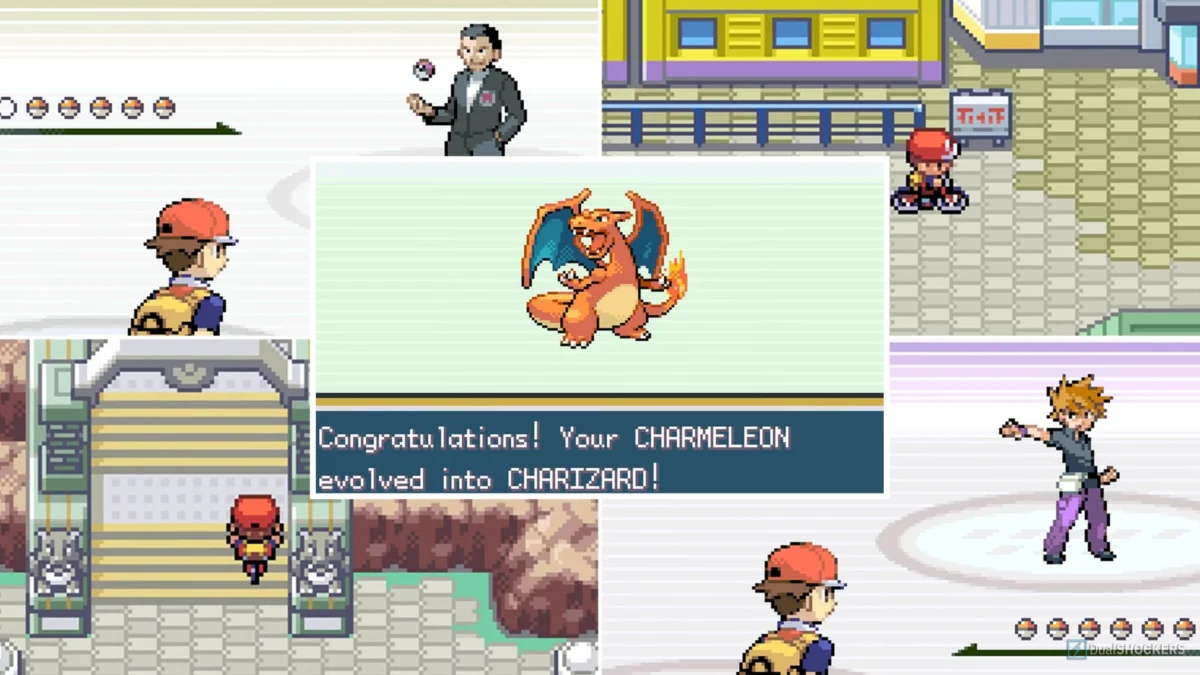
Released in 2004, Pokémon FireRed and LeafGreen represented a pivotal moment in the history of the franchise. For many, these titles served as their introduction to the Kanto region, providing a modernized, polished bridge between the primitive 8-bit charm of the original Red and Blue and the expansive, vibrant world that the series would eventually become. While the original titles released in Japan in 1996 and North America in 1998, the Game Boy Advance remakes solidified the "Kanto experience" for a new generation, proving that a classic adventure could feel both nostalgic and revolutionary.
A Modern Foundation: The Evolution of a Classic
At their core, FireRed and LeafGreen were faithful recreations of the original Kanto journey, but they were far from simple ports. Developers utilized the graphical capabilities of the Game Boy Advance to introduce a more vibrant, color-saturated aesthetic, replacing the monochrome and muted palettes of the original hardware.
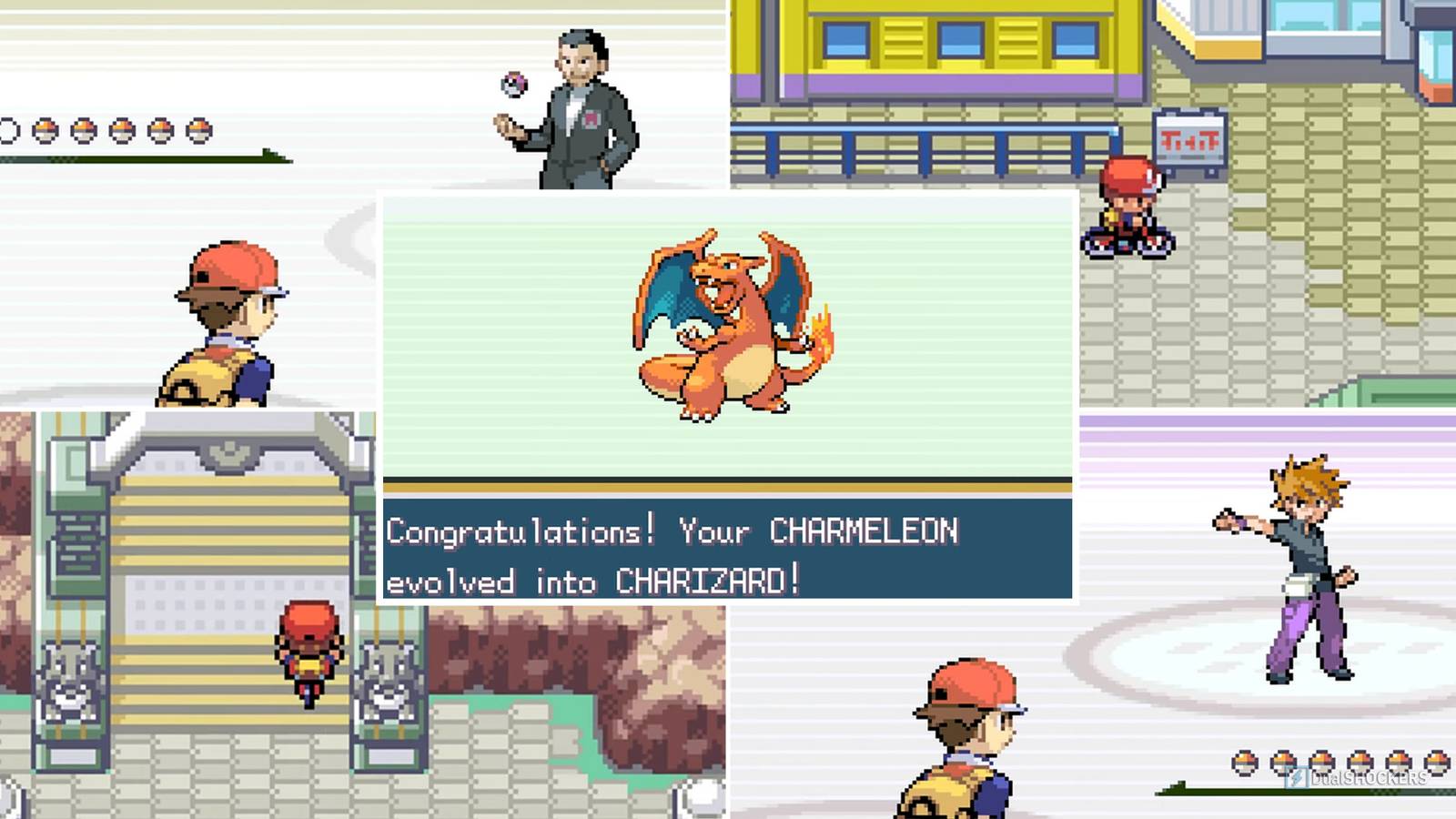
Beyond the visual overhaul, the games implemented significant mechanical improvements. The introduction of the held-item system, the separation of Special Attack and Special Defense stats (a carryover from the Gen II Gold and Silver era), and a more intuitive interface made the experience far more accessible. These changes did more than just update the code; they established the "Gold Standard" for how remakes in the Pokémon series should function: preserving the soul of the original while streamlining the experience for modern sensibilities.
Chronology of the Kanto Journey: A Trainer’s Rite of Passage
1. The Choice at Oak’s Lab
The journey begins, as it always does, in Pallet Town. The decision to choose between Bulbasaur, Charmander, and Squirtle remains one of the most iconic moments in gaming. In FireRed and LeafGreen, this choice felt weightier. With the inclusion of more nuanced move sets and type-effectiveness tutorials, players were encouraged to think about team synergy from the very first minute. The subsequent battle against Blue—your arrogant, ever-present rival—served as the immediate catalyst for the rivalry that would define the entire campaign.

2. The Siege of Silph Co.
As the player traverses the region, the narrative takes a darker, more mature turn in Saffron City. The Team Rocket takeover of Silph Co. was, at the time, the most ambitious narrative sequence in the series. Unlike the brief, isolated skirmishes found in earlier locations, this was a full-scale corporate hostage situation. For the player, navigating the complex floor-teleportation puzzles while battling through waves of Rocket Grunts felt like a high-stakes action sequence. It was a clear signal that the stakes had escalated far beyond simple Gym badges.
3. The Weight of the Master Ball
Following the liberation of Saffron City, the player is gifted the Master Ball. While it is a staple of the series today, in the context of the early 2000s, it represented an unprecedented level of power. It wasn’t just an item; it was a psychological milestone. It forced players to confront the "Great Responsibility" dilemma: do you use it on the first Legendary Pokémon you encounter, or do you save it for a more elusive, perhaps even more dangerous, target? This single item turned the act of catching into a strategic exercise in patience.
4. The Path to Viridian Gym
The journey culminates in a full loop of the Kanto region, leading the player back to the elusive eighth Gym in Viridian City. The revelation that the Gym Leader is none other than Giovanni, the head of Team Rocket, serves as the ultimate narrative payoff. Having defeated him in the Rocket Hideout and again at Silph Co., the final showdown feels personal. It is the definitive clash between the young, rising hero and the established, corrupt authority figure of the region.
5. Victory Road and the Indigo Plateau
Victory Road remains perhaps the most daunting gauntlet in the series. It serves as the final test of a trainer’s endurance, combining complex environmental puzzles with a high density of powerful, random encounters. Upon emerging from the dark tunnels into the sunlit Indigo Plateau, the sense of relief is palpable. It is the threshold between the "journey" and the "legacy."

6. The Final Confrontation: Champion Blue
Battling Blue at the end of the Indigo League remains the emotional climax of the game. Throughout the journey, Blue has acted as the player’s shadow, always one step ahead. Discovering that he has already defeated the Elite Four and claimed the title of Champion creates an immediate sense of urgency. The battle itself is a test of everything learned along the way, requiring the player to utilize every advantage they have spent dozens of hours cultivating.
The Hall of Fame and the Peak of Power
Registration in the Hall of Fame is more than a simple victory screen. It is an acknowledgment of the player’s history. The game records the team used, their levels, and the total playtime, turning the save file into a digital scrapbook. This moment of recognition, accompanied by the legendary credits theme, reinforces the bond between the trainer and their Pokémon—a core pillar of the franchise’s philosophy.

Post-Game Implications: The Sevii Islands
One of the most significant differences between the original titles and the GBA remakes is the inclusion of the Sevii Islands. While original players in 1996 had their journey end at the Hall of Fame, FireRed and LeafGreen introduced a robust post-game experience. This expansion allowed players to encounter Pokémon from the Hoenn region, trade with other games, and engage in a series of quests that effectively extended the game’s lifespan.
For many, this was the first time they realized that a Pokémon game could offer an "adventure after the adventure." It signaled a shift in development philosophy, where the end of the main story was no longer the end of the content, but rather the beginning of a broader, more interconnected world.

Official Responses and Long-term Impact
In the years since their release, FireRed and LeafGreen have been cited by developers at Game Freak and The Pokémon Company as the blueprint for future remakes, including HeartGold/SoulSilver and Omega Ruby/Alpha Sapphire. Critics have noted that while the graphics have aged, the game design remains "perfectly paced."
The impact of these games is not just found in their sales, but in the community-driven content they spawned. From "Nuzlocke" challenges to competitive team-building guides, the games continue to be a primary focus for the series’ dedicated fanbase. The ability to trade, battle, and explore with friends via the GBA wireless adapter was, at the time, a technological marvel that deepened the social fabric of the Pokémon community.
Conclusion: A Timeless Adventure
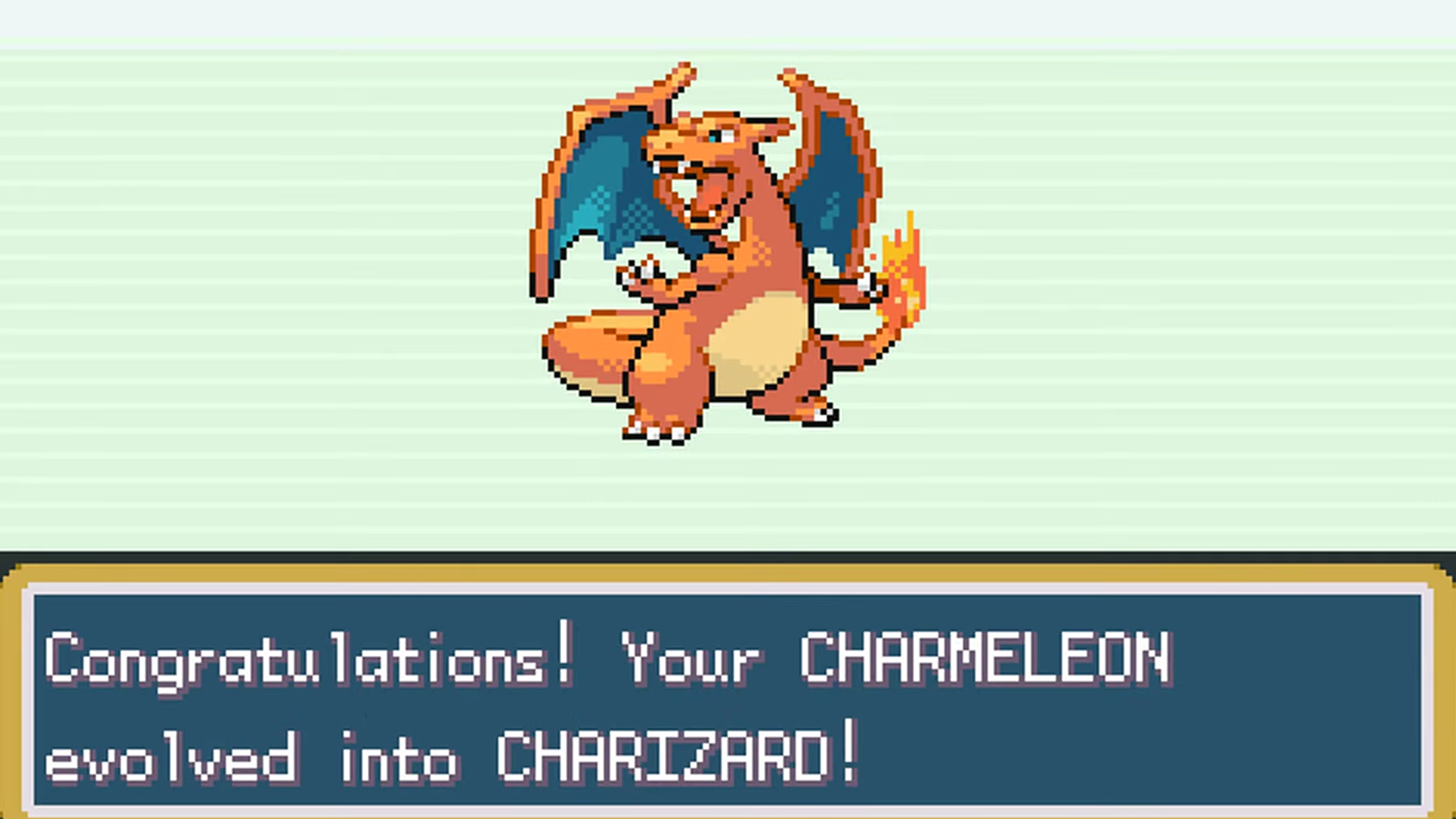
Pokémon FireRed and LeafGreen succeeded because they understood the fundamental appeal of the franchise: the feeling of growth, the joy of discovery, and the bond with one’s team. Whether it was the thrill of finally evolving a starter to its final form or the nervous excitement of encountering Mewtwo in Cerulean Cave, these games provided a consistent, high-quality experience that respected both the source material and the player.
Decades later, they stand as a testament to the fact that while technology and mechanics may change, the spirit of a great adventure remains constant. They were more than just a trip down memory lane; they were a masterclass in how to honor the past while paving the way for the future of the Pokémon brand. Even as the series pushes into new frontiers of open-world exploration and 3D rendering, the foundations laid by these two GBA titles remain an essential chapter in the history of interactive entertainment.












No comments yet. Be the first to join the conversation!