

The publishing landscape has undergone a period of intense activity, marked by significant seven-figure acquisitions, major structural shifts in independent media, and a surge in high-profile film development. As the market for genre fiction—particularly fantasy, horror, and speculative romance—continues to expand, authors and publishers alike are positioning themselves for a robust slate of upcoming releases.
Main Facts: The Multi-Million Dollar Landscape
The most striking development in the current market is the consolidation of high-value intellectual property. S.A. Chakraborty has secured a massive seven-figure deal with Harper Voyager US for an untitled novel and a subsequent book, represented by Hannah Bowman of Liza Dawson Associates. This underscores the enduring appetite for expansive, world-building-heavy fantasy from established voices.

Similarly, Morgan Bridges has seen a seven-figure acquisition for her dystopian romance trilogy, The Nocturnal Sequence, which was picked up by Podium Publishing. In a move that highlights the competitive nature of modern acquisitions, Sheila Masterson’s The Poison Daughter was resold to Slowburn in another seven-figure auction, with international rights also fetching high interest in competitive bidding wars.
Chronology of Key Acquisitions
The following deals highlight the breadth of activity across the speculative spectrum:

- Contemporary & Epic Fantasy: Brandon Sanderson and Peter Orullian have partnered with The Broken Binding Press for their Strata Wars trilogy, starting with Songs of the Dead. Christopher Ruocchio’s Songs of the Sun Eater collection, a companion to his celebrated saga, has been acquired by DAW, with UK rights secured by Head of Zeus.
- Speculative & Literary Fiction: David Massengill’s "queer horror-thriller" Mr. Doppelganger was acquired by Slashic Horror Press. Meanwhile, Paige Cooper’s literary debut, Nulligravida, has moved to Flying Books, signaling a continued interest in genre-blending literary works.
- Horror and Gothic Romances: Mazey Eddings’ gothic horromance The Bargain was snapped up by Dutton in an auction, while Rebecca Kenney’s Writhe series continues to find a home at Sourcebooks Casablanca.
- Young Adult Expansion: The YA market remains a growth engine, with Kendall Annette’s Tylor Whitlock Just Won’t Die and its sequel securing a six-figure deal with Scholastic. Hafsa A. Jawad continues her momentum with the resale of The Tales of Arcana Fortune and a new contract for the sequel, The Mirrors of Runisia Winters.
Supporting Data: Structural and Agency Shifts
The industry is not merely shuffling books; it is redefining its organizational infrastructure.
The Uncanny Magazine Restructuring
A significant change in independent publishing media was confirmed following the amicable divorce of Lynne M. Thomas and Michael Damian Thomas on April 2. Per the settlement, Uncanny Magazine is now under the sole ownership of Michael Damian Thomas. This transition marks a new chapter for the Hugo Award-winning publication.

Agency and Corporate Movements
- Jon Courtenay Grimwood has joined the John Jarrold Literary Agency.
- Sarah Gerton has moved from New Leaf Literary to The Caldwell Agency, where she will serve as a literary agent and audio rights manager.
- Ashleigh Heaton, formerly the director of marketing at Penguin Random House, has launched Enchantress Marketing. This agency provides a full-service suite for genre authors, bridging the gap between traditional, indie, and hybrid publishing models.
- Tor Books has announced a wide array of internal promotions, reflecting a strategic strengthening of their marketing and publishing strategy departments, including the elevation of Emily Mlynek to senior director of marketing.
Hollywood Adaptations: Bridging Print and Screen
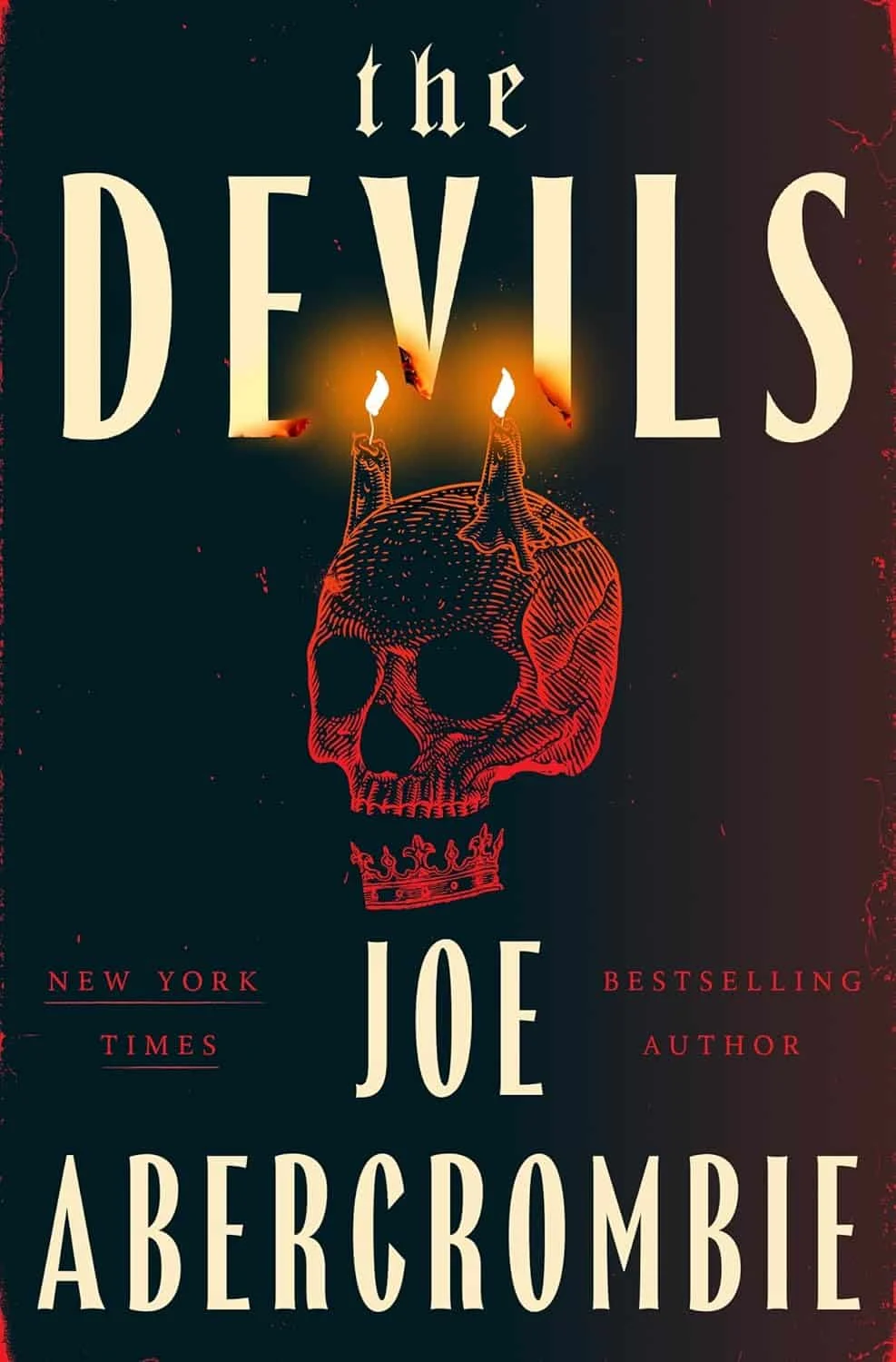
The intersection of literature and film is currently characterized by high-stakes creative collaborations. The most notable development is the acquisition of film rights to Joe Abercrombie’s The Devils by James Cameron’s Lightstorm Entertainment. Perhaps most significantly, Abercrombie and Cameron are set to co-write the screenplay, ensuring the original author’s voice remains central to the adaptation.
Warner Bros. has also moved to adapt Octavia E. Butler’s seminal work, Parable of the Sower. The production team includes a heavyweight roster of industry figures: Melina Matsoukas (who will also direct), Inga Veronique, Nina Jacobson, Brad Simpson, and Jules Jackson, the managing director of the Butler estate.

Furthermore, Ben Mezrich’s upcoming The Last Orbit has been optioned by TriStar Pictures. The project features a high-profile creative team, with Matt Shakman attached to direct and Josh Friedman penning the script.
Implications for the Industry
The Rise of the "Genre-Blur"
The current acquisitions data suggests that "purity" in genre is no longer the primary driver for commercial success. Publishers are leaning heavily into hybrids: "Ocean’s Eleven but fantasy," "indigenous graffiti artist horror," and "Greek mythology-inspired romantic comedies." The success of these titles indicates that readers are increasingly seeking complex, multifaceted narratives that defy traditional shelving categories.

The Stability of the Seven-Figure Deal
While the broader economy faces fluctuations, the "big bet" remains a pillar of publishing. The willingness of houses like Harper Voyager, Podium, and Slowburn to commit seven-figure sums to series and standalone novels suggests that publishers are prioritizing long-term franchise potential over one-off successes.
The Professionalization of Independent Support
The launch of agencies like Enchantress Marketing and the robust activity of independent presses (such as Tachyon, Aethon & Vault, and City Owl) indicate that authors now have more sophisticated tools at their disposal than ever before. The traditional "big house" model is increasingly complemented by agile, niche-focused marketing and editorial services that cater specifically to the speculative fiction community.

Future Outlook
As we move into the latter half of the year, the industry appears to be doubling down on established series and high-concept adaptations. The influx of new talent, particularly in the horror and romantasy spaces, suggests that the current creative boom is far from over. However, the consolidation of ownership and the emphasis on high-dollar pre-empts will continue to force agents and authors to navigate an increasingly competitive and high-stakes environment.
The successful transition of Uncanny Magazine and the strategic promotions within legacy houses like Tor demonstrate a commitment to stability and continuity, even as the market shifts toward new modes of storytelling and media integration. For authors and industry professionals, the current landscape offers a unique combination of risk and reward, provided they can balance creative ambition with the rigorous demands of the modern publishing marketplace.










No comments yet. Be the first to join the conversation!