Muslim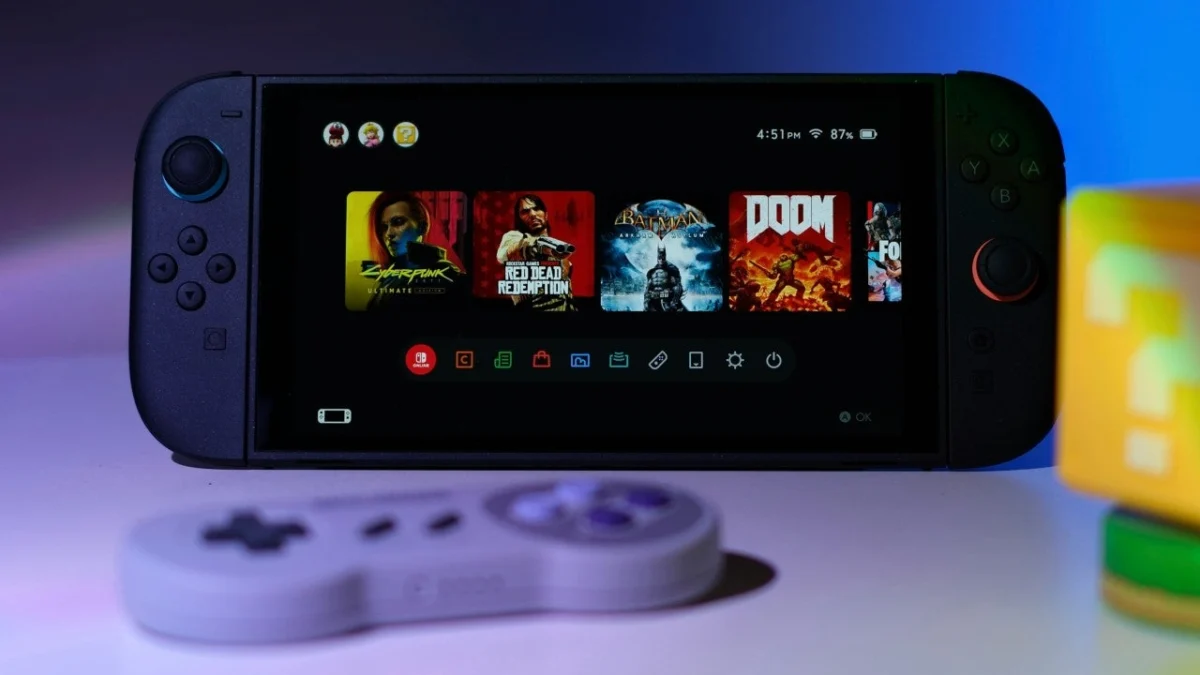
In a move that has sent ripples through the global gaming industry, Nintendo has officially confirmed a comprehensive restructuring of its pricing strategy. The announcement, which accompanied the company’s latest quarterly financial results, signals a significant shift in how the Japanese gaming giant intends to manage its hardware and digital ecosystem amidst an increasingly volatile global economic landscape.
While the adjustments are most severe in Nintendo’s home market of Japan—affecting the legacy Switch lineup, the highly anticipated Switch 2, and the Nintendo Switch Online (NSO) subscription service—the implications for North American and European consumers are also substantial, particularly regarding the next generation of Nintendo hardware.
The Core Facts: What Is Changing?
The primary driver of this decision is a combination of shifting market conditions and a cautious outlook on global component supply chains. Nintendo, which has historically been resistant to aggressive price hikes, appears to be bowing to the realities of rising production costs.
Hardware Adjustments
Starting May 25, 2026, Japanese consumers will see a sharp increase in the price of all current Switch models, including the OLED, standard, and Lite versions. Furthermore, the Japanese-language specific SKU of the Nintendo Switch 2 will see a hike from ¥49,980 to ¥59,980.
For Western markets, the impact is focused exclusively on the upcoming Nintendo Switch 2. Effective September 1, 2026, the device will see a $50 price increase in the United States ($449.99 to $499.99), a $50 jump in Canada ($629.99 to $679.99), and a €30 increase in Europe (€469.99 to €499.99). It is worth noting that these prices exclude regional taxes, meaning the final cost at the register will be even higher for the average consumer.
Subscription Hikes
In Japan, the Nintendo Switch Online service is also undergoing a major price overhaul effective July 1, 2026. Both individual and family plans, including the premium "Expansion Pack" tier, are seeing increases of approximately 20–30%. This suggests that Nintendo is not only looking to protect its hardware margins but is also moving to maximize the recurring revenue generated by its massive, active user base.
A Chronology of the Decision
The path to this decision has been paved with months of speculation. For years, Nintendo executives have played a delicate balancing act, attempting to keep hardware affordable to maintain the Switch’s status as a household staple, even as component costs for flash memory and semiconductors rose globally.
- Early 2025: Industry analysts began noting that global memory component shortages were beginning to affect the manufacturing margins of major consumer electronics companies.
- Late 2025: Nintendo President Shuntaro Furukawa addressed the press, explicitly stating that the company was "not ruling out" price increases. He emphasized that the decision would be "comprehensive," looking at the installed user base, sales velocity, and overall profitability.
- Q1 2026: As the fiscal year closed, it became evident that the rising costs of raw materials were no longer sustainable for Nintendo to absorb. The internal decision was made to adjust pricing models globally.
- May 2026: The official announcement was released, providing specific timelines for the Japanese, North American, and European markets, effectively ending the period of uncertainty for retail partners and consumers.
Supporting Data: The Economic Reality
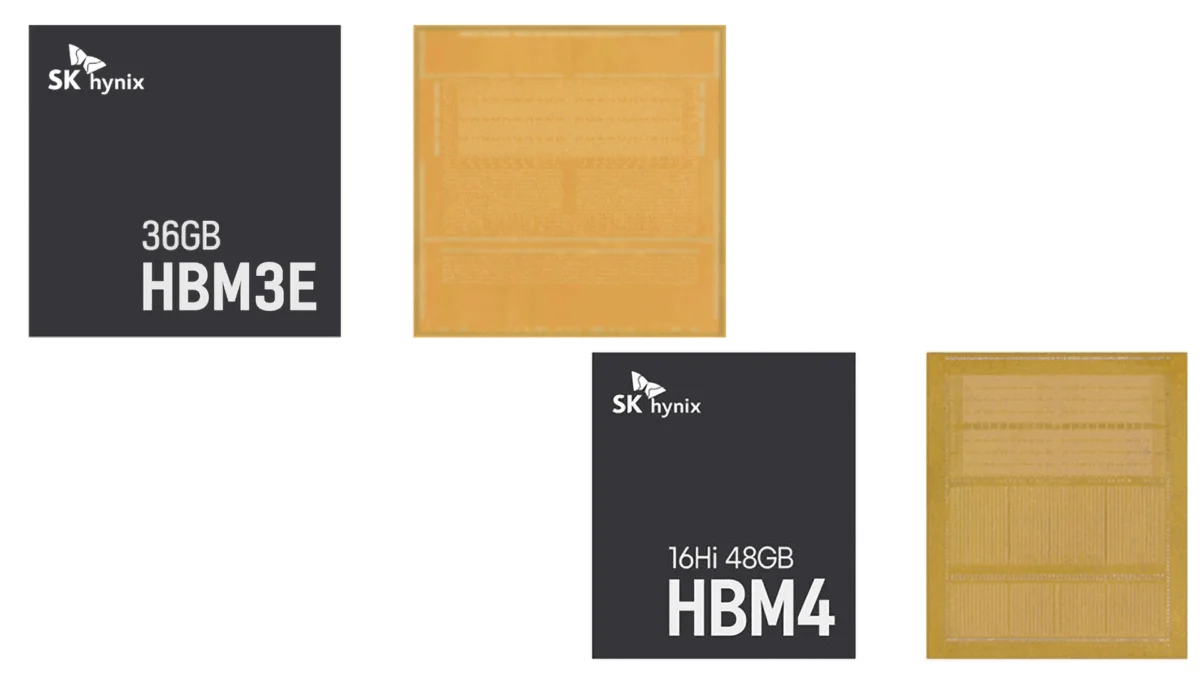
To understand why Nintendo is taking these steps, one must look at the specific costs currently pressuring the tech sector. Memory components—the building blocks for the storage and RAM in modern consoles—have seen a sustained price increase due to geopolitical tensions, supply chain logistics, and the high demand for AI-driven hardware, which competes for the same manufacturing capacity.
Japan Price Breakdown (Effective May 25, 2026)
| Hardware | Current Price (¥) | Revised Price (¥) |
|---|---|---|
| Switch 2 (JP Lang) | 49,980 | 59,980 |
| Switch (OLED) | 37,980 | 47,980 |
| Switch (Standard) | 32,978 | 43,980 |
| Switch Lite | 21,978 | 29,980 |
The disparity in the Japanese price increases reflects a broader effort to align local pricing with the weakened Yen against the Dollar and Euro. Meanwhile, the international price hikes on the Switch 2 are designed to ensure that the launch of the new console does not immediately erode the company’s profit margins, a common trap for hardware manufacturers at the start of a product life cycle.
Official Responses and Corporate Strategy
In the formal statement released by Nintendo, the company offered a rare, albeit brief, apology: "We sincerely apologise for the impact these price revisions may have on our customers and other stakeholders, and we deeply appreciate your understanding."
President Shuntaro Furukawa’s comments provide the necessary context. By framing the price increase as a "comprehensive" decision, he is signaling to shareholders that Nintendo remains committed to its long-term health. The company is clearly attempting to avoid a scenario where it sells hardware at a loss—a strategy often used by competitors like Sony or Microsoft, but one that goes against the traditional Nintendo business model.
By keeping the "multilanguage" version of the Switch 2 at its original price point, Nintendo is likely attempting to appease the core enthusiast and international market, while the localized Japanese-only hardware bears the brunt of the cost adjustments required to maintain profitability in their most sensitive market.
Implications for the Future of Gaming
The decision to raise prices has several far-reaching implications for the industry and the consumer.
1. The "Premiumization" of Consoles
The move toward a $500 price point for the Switch 2 places Nintendo squarely in the "premium" category. While the original Switch was lauded for its accessibility, the successor is clearly positioning itself as a more powerful, expensive, and sophisticated piece of technology. Whether the consumer base will accept this price jump depends entirely on the library of games available at launch.
2. Subscription Fatigue
The increase in Nintendo Switch Online prices in Japan is a significant indicator of the company’s digital strategy. As Nintendo shifts focus toward live-service elements and cloud-based features, they are betting that the value proposition of the service—which includes access to retro libraries and online multiplayer—will outweigh the increased monthly cost. If this rollout is successful in Japan, it is highly probable that similar tiered price increases will be rolled out to North America and Europe in late 2026 or early 2027.
3. Impact on Competitors
Nintendo’s willingness to raise prices may embolden other players in the industry. If Sony or Microsoft feel the same pressure from memory component shortages, they may view Nintendo’s announcement as a "green light" to adjust their own console pricing, fearing less backlash from the market now that the industry leader has taken the first step.
4. Retail and Consumer Sentiment
Retailers are now facing a complex logistics challenge: managing inventory that was purchased at the old price point while transitioning to the new pricing structure. For consumers, the news is a bitter pill to swallow, particularly as households continue to grapple with broader inflation. The "Switch effect"—the idea that a Nintendo console is an affordable, fun addition to any home—may face its greatest test yet.
Conclusion
Nintendo’s decision is a stark reminder that even the most beloved gaming companies are not immune to the harsh realities of global economics. While the price hikes for the Switch 2 and the legacy lineup will undoubtedly lead to a period of consumer frustration, Nintendo is clearly prioritizing financial stability and the ability to continue delivering high-end hardware.
As we approach the September 1, 2026, deadline for Western markets, all eyes will be on the company’s marketing strategy. To justify the higher price tags, Nintendo will need to prove that the "Switch 2" experience offers significant technological leaps over its predecessor. For now, the gaming community must adjust its expectations and prepare for a more expensive era of Nintendo gaming.


 Nana
Nana
 Ammar Sabilarrohman