

By Ollie Ring, Senior Editor
Updated: May 15, 2026
Valve has deployed a targeted update for Counter-Strike 2 (CS2), focusing on the iterative refinement of the iconic map Cache, critical adjustments to grenade utility mechanics, and quality-of-life improvements for workshop tools and audio. The patch, which went live on May 14, represents the developer’s continued commitment to "sanding down" the rough edges of the tactical shooter, prioritizing competitive integrity over flashy, headline-grabbing content.
While the update may appear modest in size, its implications for the professional circuit and high-level matchmaking are significant. By addressing geometry glitches, bullet penetration inconsistencies, and "edge-case" utility exploits, Valve is signaling a long-term investment in the technical stability of its map pool.
Main Facts: What Changed in the May 14 Update?
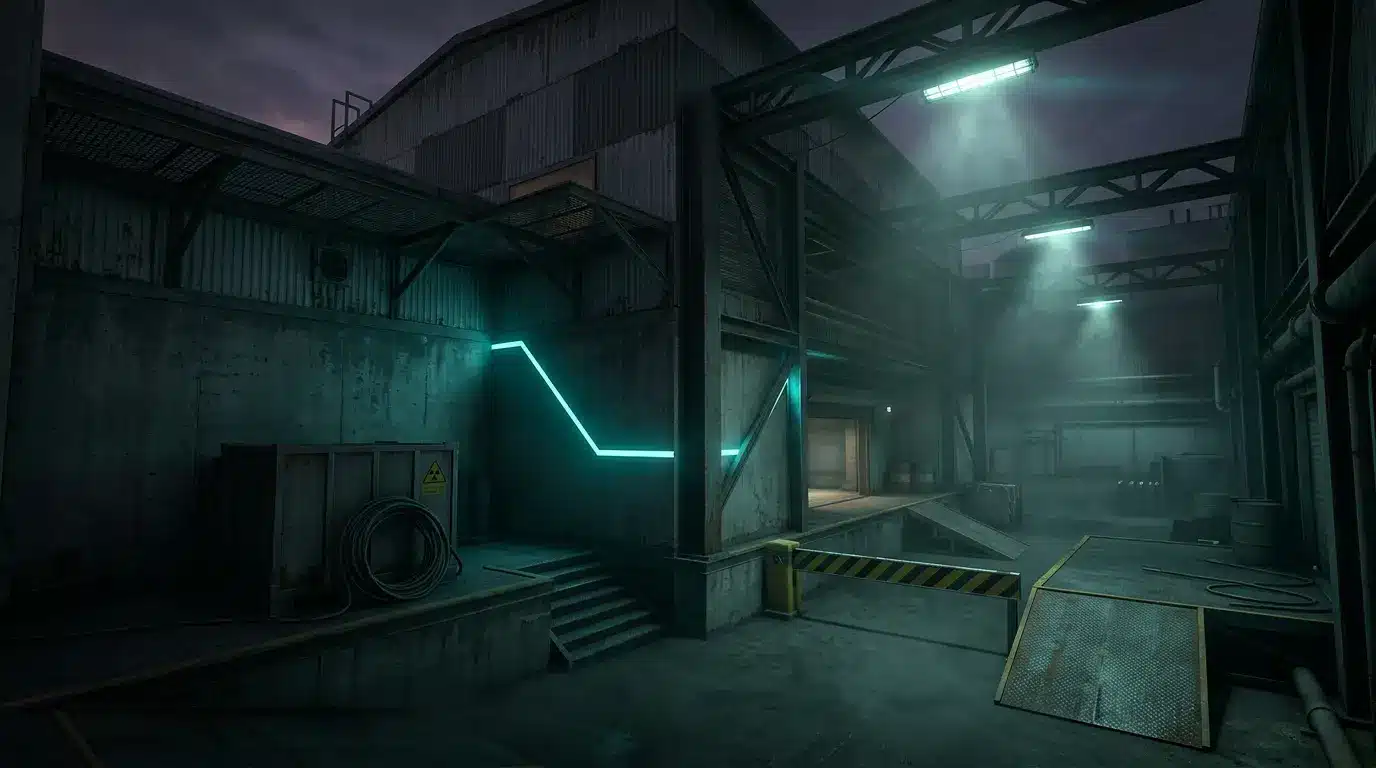
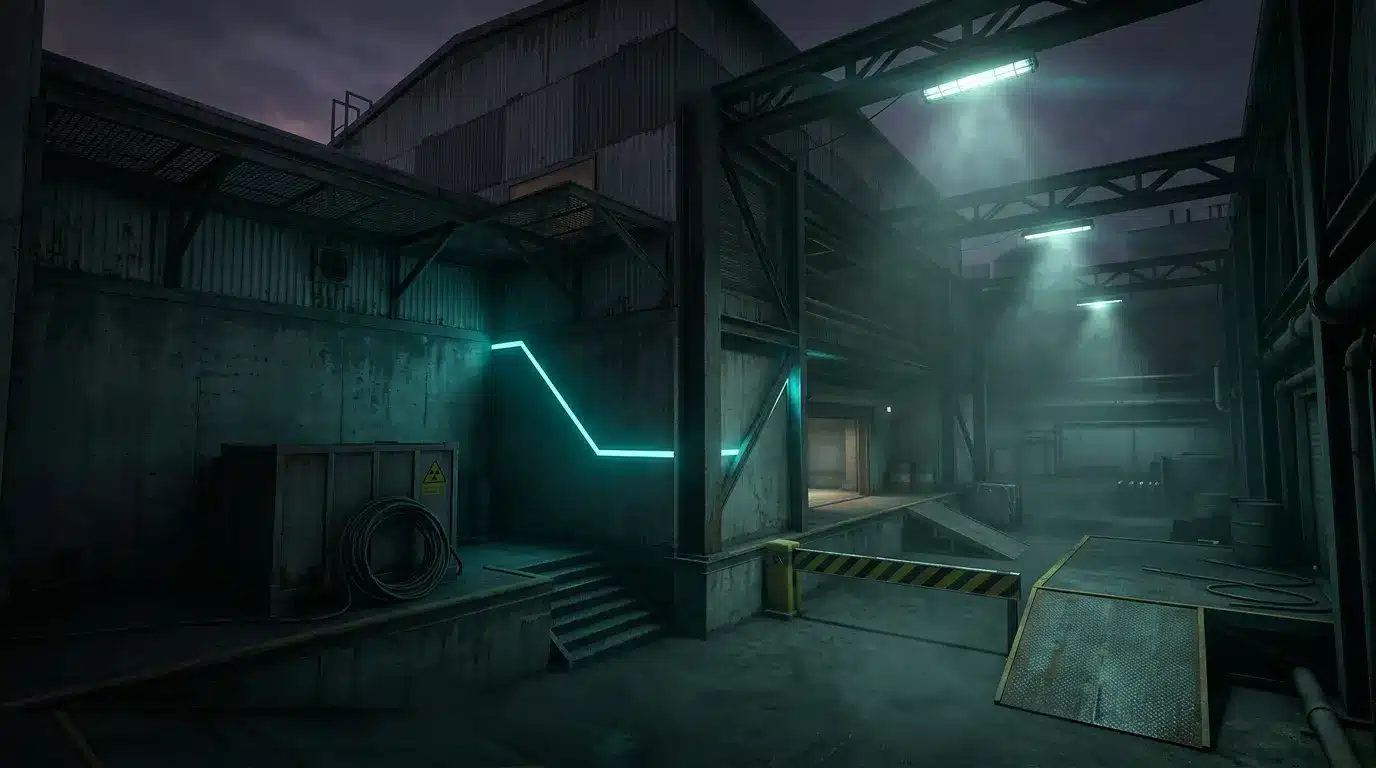
The core of this update centers on the community-favorite map, Cache. Since its reintroduction to the CS2 environment, the map has undergone several rounds of optimization. This latest patch introduces:
- Material and Clipping Adjustments: Extensive work has been carried out on the map’s geometry to resolve clipping issues that could potentially disrupt player movement or line-of-sight.
- Bullet Penetration Logic: Holes in the geometry have been sealed, and specific surface types have been corrected. Most notably, new grating has been added to various windows, effectively blocking bullets that previously passed through surfaces in an unintended manner.
- Grenade Mechanics: Valve has closed a notable utility exploit. Players can no longer cancel a grenade throw once the pin-pull animation has entered its final stage. This adjustment prevents "faking" utility, a maneuver that, while niche, could have been leveraged by elite players to manipulate opponent positioning.
- Audio Enhancements: The NIGHTMODE II music kits have received an update, now featuring a secondary round MVP anthem that triggers at a one-to-five ratio, adding a layer of audio variation for competitive play.
- Stability and Tooling: The update includes general performance stability fixes and a resolution to a bug in the workshop model browser, which previously failed to highlight the currently selected asset upon opening.
Chronology: The Road to a Polished Cache
The journey of Cache in Counter-Strike 2 has been one of continuous maintenance. Unlike legacy maps that transitioned to the Source 2 engine with relative ease, Cache has required a surgical approach to ensure it meets the modern standards of the game.
The Post-Release Cleanup Phase
Following its initial integration into the CS2 map pool, Cache faced immediate scrutiny from the community. Early feedback highlighted concerns regarding sound propagation, which were critical for a map that relies heavily on verticality and tight corridors. Valve responded quickly with a series of minor patches aimed at eliminating sound dropouts, which had previously plagued players in high-stakes retake scenarios.
The Engine and Animation Overhaul
This latest patch follows closely on the heels of the significant CS2 engine and animation update released in mid-April 2026. That update was a major milestone, overhauling how the game processes player movement and hit registration. By focusing on Cache now, Valve is ensuring that the geometry of the map aligns with the improved backend architecture established just a month ago.
Current Iteration
As of May 15, 2026, Cache remains under the proverbial microscope. Players and analysts are currently stress-testing the new geometry to ensure that the "spam angles" and wallbang spots remain fair and predictable. This process of iterative testing is expected to continue as Valve works toward a state of definitive map balance.
Supporting Data: Why Small Tweaks Matter
In professional Counter-Strike, rounds are often decided by the smallest of margins—a millisecond of reaction time or a single bullet path. When map geometry is inconsistent, it creates "map-generated injustice," where the game environment itself hinders a player’s performance rather than their skill level.
The Impact of Geometry Adjustments
Small changes to geometry, such as the new window gratings, have a ripple effect on competitive play. For example:
- Lineups: Smokes and flashes rely on precise geometry. Even a slight change to a window frame or a wall corner can render a professional team’s set-piece utility obsolete.
- Movement: Clipping adjustments ensure that players don’t get "stuck" on invisible geometry, a common issue in early-access map releases that can lead to frustrating deaths.
- Wallbangs: Correcting surface properties ensures that high-caliber weapons interact with the environment as expected. If a wall is intended to be penetrable, it must be consistently so.
Competitive Integrity
Valve’s strategy reflects a focus on competitive integrity. By closing off utility edge cases—such as the grenade cancel mechanic—they are preventing the "discovery" of broken meta-strategies. If such an exploit were left unchecked, it could lead to an unfair advantage where players with specialized knowledge of the glitch could dominate higher tiers of play.
Official Responses and Developer Philosophy
While Valve rarely provides long-form commentary on every individual patch, the frequency and nature of these updates speak volumes about their development philosophy for Counter-Strike 2.
The company is moving away from the "big bang" update model, favoring a pattern of smaller, frequent patches. This approach minimizes the risk of introducing major game-breaking bugs and allows the competitive community to adapt to changes in real-time. By treating maps like Cache as living documents, Valve ensures that the game evolves alongside its player base.
The decision to focus on workshop tools and material properties also suggests that Valve is empowering the community-driven aspect of the game. By fixing the model browser and addressing surface properties, they are making it easier for map creators and modders to contribute to the game’s ecosystem, ensuring that the Counter-Strike community remains a central pillar of the title’s longevity.
Implications: What This Means for the Pro Scene
For professional teams and analysts, the next few weeks will be defined by "re-learning" Cache. The latest patch forces teams to re-evaluate their standard plays.
The End of "Fake" Utility
The removal of the grenade throw cancel is perhaps the most significant tactical change. Teams that relied on the bluff of a grenade to bait out defender utility will now have to find new ways to create openings. This increases the skill ceiling, as players will need to be more committed and calculated with their resource management.
The "Sanding Down" Effect
The ongoing fixes to Cache suggest that it is currently being prepared for a larger role in the competitive rotation. As Valve continues to "sand down" the map, we can expect fewer reports of strange lighting, inconsistent bomb blast radii, and audio anomalies. This refinement process is essential for the map to eventually be considered a "finished" competitive venue suitable for Majors and other Tier-1 events.
A New Standard for Stability
Ultimately, this update is a testament to the fact that Counter-Strike 2 is a work in progress. For the average player, these changes might seem minor, but for the competitive scene, they are essential. Fewer awkward clips and more consistent grenade interactions mean that when a player misses a shot or loses a round, it is the result of their own performance rather than an unintended game behavior.
As we look toward the remainder of the 2026 season, it is clear that Valve is prioritizing a rock-solid foundation. By focusing on the fundamentals—geometry, utility, and stability—they are building a version of Counter-Strike that respects the history of the franchise while embracing the technical possibilities of the Source 2 engine.
Cache will now return to the testing phase, with the community waiting to see if these fixes hold up under the pressure of professional competition. For now, the game feels just a little bit tighter, a little bit more consistent, and certainly more refined.
About the Author: Ollie Ring is a Senior Editor at Esports News UK. With over a decade of experience covering the intersection of video games, esports, and the gambling industry, Ollie has contributed to the BBC, Red Bull Gaming, PC Gamer, and more. He is also the author of "Esprouts," a thought-leadership substack focused on the evolving landscape of digital gaming.












No comments yet. Be the first to join the conversation!