

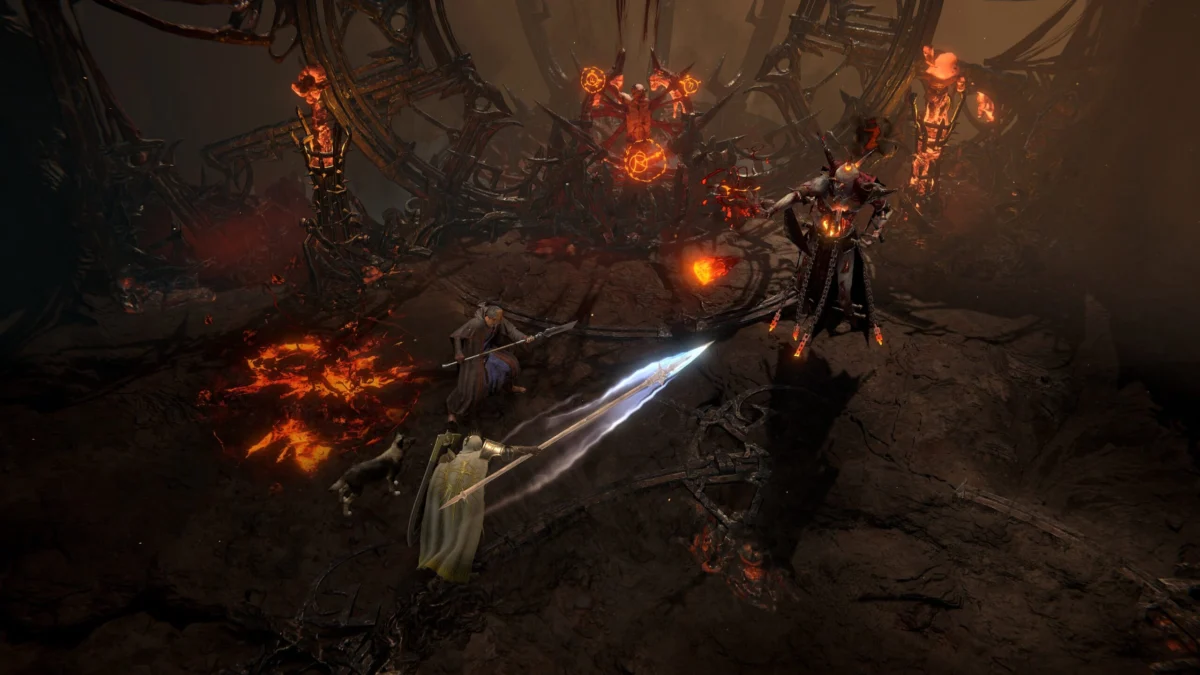
Sanctuary, Adrift in Anticipation – Diablo 4 is on the precipice of its most significant content injection since its launch, with the imminent arrival of the "Lord of Hatred" expansion. This monumental update, set to redefine the landscape of Sanctuary, will be accompanied by the game’s thirteenth seasonal journey, aptly named "Season of Reckoning." While all players will gain access to this new season, a crucial distinction has been drawn by Blizzard Entertainment: those who do not purchase the "Lord of Hatred" expansion will find the "Season of Reckoning" to be a notably less substantial experience compared to previous seasonal offerings. This strategic alignment of expansion and seasonal content marks a pivotal shift in Diablo 4’s post-launch development philosophy, raising questions about player engagement and the future of free seasonal content within the live-service ARPG model.
A New Era Dawns, But Not for All
The convergence of a major paid expansion and a free seasonal update is a common practice in the realm of live-service games, often leveraging the season to onboard new players or re-engage existing ones with fresh mechanics and rewards. However, Blizzard’s communication regarding "Season of Reckoning" for non-expansion owners suggests a more pronounced segregation of content than players might have anticipated. The core message is clear: the most exciting, gameplay-altering elements are intrinsically tied to the "Lord of Hatred" purchase, leaving free players with a more streamlined, albeit familiar, seasonal progression path.
Simultaneous Launch and a Shifting Seasonal Paradigm
The "Season of Reckoning" is scheduled to kick off simultaneously with the "Lord of Hatred" expansion, an event poised to capture the attention of Diablo enthusiasts worldwide. This synchronized launch, slated for next week (specifically April 27th/28th, depending on region), ensures a unified experience for those fully invested in the expansion. For those opting out, the new season will still be accessible, maintaining the fundamental structure that has become a hallmark of Diablo 4’s seasonal cycle. Players will engage in the customary Season Rank chase, earn Smoldering Ashes to unlock Season Blessings, and progress through various chapters to claim rewards. However, the absence of a distinct, overarching seasonal theme or groundbreaking new mechanics for non-expansion holders marks a significant departure from previous seasons.
Season of Reckoning: What Free Players Can Expect
For players who choose not to delve into the new narrative and gameplay offered by "Lord of Hatred," "Season of Reckoning" will present a familiar, if somewhat pared-down, experience. The expectation of substantial, season-specific gameplay systems – akin to the Malignant Hearts of Season 1, the Vampiric Powers of Season 2, or the Seneschal Companion of Season 3 – will not be met for the free-to-play segment of the player base.
The Core Offerings: Familiar Systems Return
The fundamental loop of Diablo 4’s seasonal progression remains intact. Players will create new seasonal characters, embark on a fresh journey through Sanctuary, and strive to climb the Season Rank ladder. Smoldering Ashes, earned through seasonal progression, will once again be redeemable for Season Blessings, offering valuable bonuses to experience gain, gold acquisition, and other quality-of-life improvements. The seasonal chapters will also be present, providing a structured set of objectives and rewarding players with various in-game items, cosmetics, and crafting materials upon completion. Blizzard has indicated that there will be "more goals and objectives to tackle this season," suggesting a focus on quantity of tasks within the existing framework rather than novel gameplay systems.
This approach ensures that even without the expansion, players have a clear path for progression and a reason to engage with the game. However, the absence of a unique seasonal mechanic, which has historically been the primary draw for many players to return each quarter, will undoubtedly be felt. Previous seasons introduced transformative elements that reshaped combat, character building, and dungeon exploration, providing a fresh meta and compelling new ways to play. "Season of Reckoning," for free players, appears to lean heavily on the intrinsic appeal of the core Diablo 4 experience, augmented by standard seasonal rewards, rather than introducing a new, self-contained seasonal gameplay loop.
The Battle Pass: Reliquaries and Progression
As with all preceding seasons, "Season of Reckoning" will feature a battle pass. This tiered reward system, offering both free and premium tracks, will be an integral part of the seasonal progression. Players can expect to find four "Reliquaries" within the battle pass structure. Typically, the first Reliquary, offering a taste of the battle pass rewards, is made available for free, while subsequent Reliquaries, containing more exclusive or high-value items, are locked behind the paid premium battle pass. This model is consistent with Blizzard’s previous monetization strategies for Diablo 4’s seasonal content, ensuring that committed players have an avenue to acquire unique cosmetics and other non-power-boosting rewards. The battle pass provides an additional layer of objectives and incentives, encouraging consistent play throughout the season.
Lord of Hatred: The True Content Injection
The reason for "Season of Reckoning’s" comparatively lighter offering for free players becomes abundantly clear when considering the sheer scope and ambition of the "Lord of Hatred" expansion. This is not merely a content patch; it is a full-fledged narrative and gameplay expansion designed to significantly deepen and broaden the Diablo 4 experience.
A Deep Dive into Nahantu and the Spiritborn
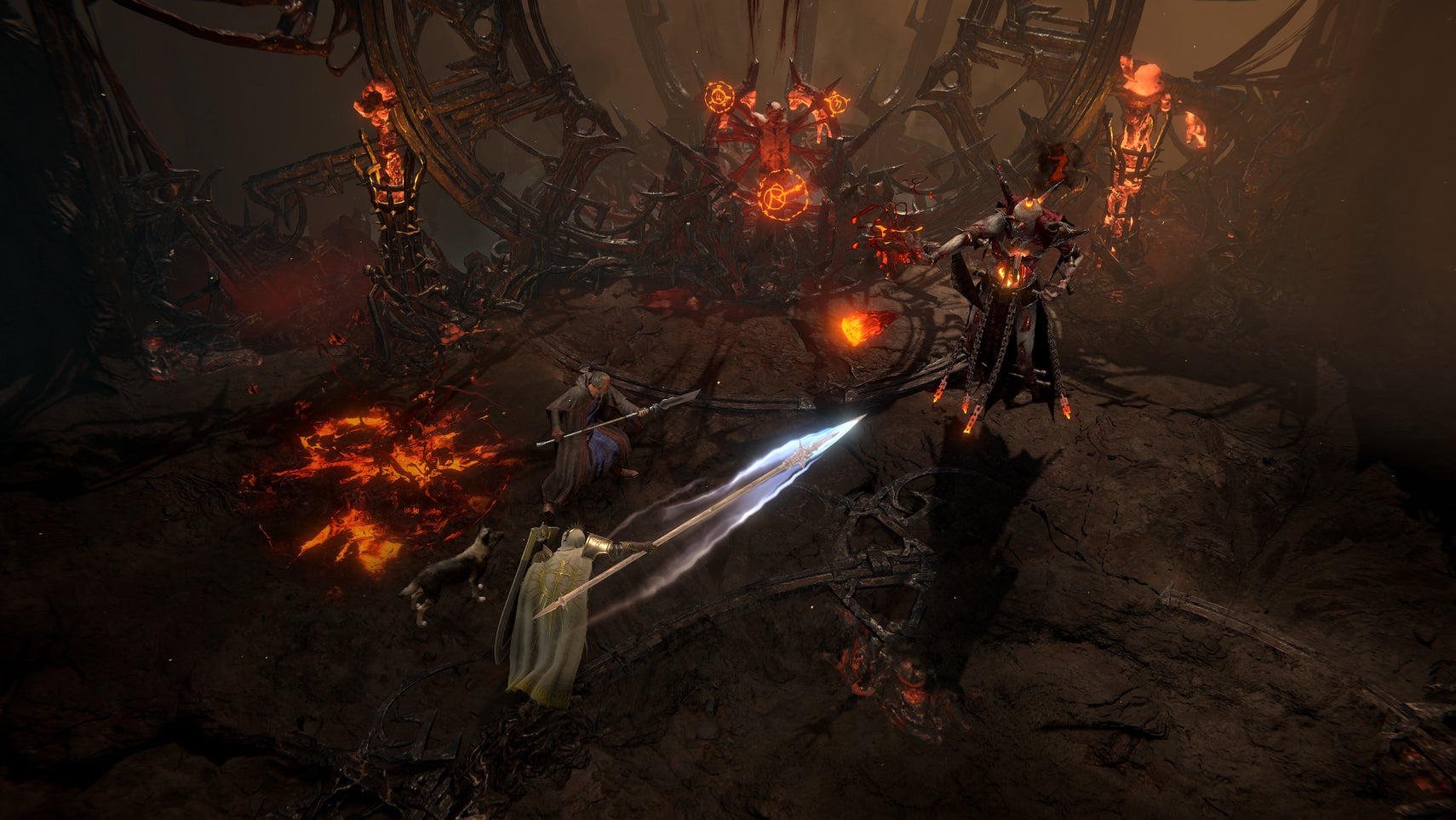
"Lord of Hatred" plunges players into the perilous jungles of Nahantu, a brand-new region rife with untold dangers, ancient secrets, and the pervasive influence of Mephisto, the Lord of Hatred himself. The expansion continues the overarching narrative of Diablo 4, delving into the consequences of the base game’s events and pushing the story into darker, more intricate territory. Players will encounter new characters, face formidable foes, and unravel a complex plot that promises to expand the lore of Sanctuary in profound ways.
Beyond the expansive new zone and compelling storyline, "Lord of Hatred" introduces a highly anticipated new playable class: the Spiritborn. This agile, nature-attuned warrior promises a unique playstyle, blending martial prowess with elemental magic and spiritual connections. The addition of a new class is a momentous event for any ARPG, offering countless hours of new character building, experimentation, and high-level optimization. Furthermore, the expansion is expected to bring a host of new gameplay systems, including additional endgame activities, new itemization possibilities, and potentially significant overhauls to existing mechanics. These additions collectively represent the "meat" that non-expansion seasons typically provide, now packaged within the paid expansion.
Pre-Loading and Technical Preparations
To facilitate a smooth global launch, Blizzard has already made the pre-load for "Lord of Hatred" available across all platforms. This includes PC, PlayStation, and Xbox. Crucially, even players who do not intend to purchase the expansion are advised to pre-download the associated patch, version 3.0.0. This is because the patch contains all the underlying expansion content, ensuring a unified game client for all players. While non-expansion owners won’t be able to access the new regions, class, or story, having the necessary files downloaded in advance will prevent lengthy update times on launch day. On April 27th/28th, a smaller follow-up patch, version 3.0.1, will be required, likely containing final bug fixes and activation protocols for the expansion content. This staged download process aims to minimize disruption and ensure that players can jump into the new content – or the new season – as quickly as possible.
A Departure from Seasonal Norms: Analyzing Blizzard’s Strategy
The decision to make "Season of Reckoning" less content-rich for free players, effectively bundling the major seasonal innovations into the "Lord of Hatred" expansion, represents a calculated move by Blizzard. This strategy, while understandable from a business perspective, carries significant implications for the Diablo 4 player base and the long-term health of its live-service model.
The "Less Meaty" Dilemma: A Contrast to Past Seasons
Previous Diablo 4 seasons set a high bar for free content. Season of the Malignant (Season 1) introduced Malignant Hearts, gem-like items that slotted into gear, offering powerful and build-altering effects. Season of Blood (Season 2) brought Vampiric Powers, a temporary but impactful system that allowed players to embrace vampiric abilities. Most recently, Season of the Construct (Season 3) featured the Seneschal Companion, a customizable robotic ally that fought alongside players and could be equipped with various Governing and Tuning Stones to tailor its abilities. Each of these seasons offered a distinct, overarching mechanic that fundamentally changed how players approached combat, character building, and progression, providing compelling reasons for both returning and new players to dive in.
"Season of Reckoning," for free players, lacks such a singular, game-altering mechanic. While the promise of "more goals and objectives" suggests an increase in grindable content, it doesn’t replace the excitement of a completely new system. This stark contrast highlights the deliberate choice to reserve significant gameplay innovations for the paid expansion, effectively making "Lord of Hatred" the de facto "seasonal mechanic" for those who purchase it. This could create a "two-tier" player experience, where expansion owners enjoy a rich, evolving game, while free players might feel like they are experiencing a holding pattern until the next "classic format" season.
The Business of Expansions and Live Service
From a business standpoint, Blizzard’s approach is a clear incentive to drive "Lord of Hatred" sales. In the competitive live-service landscape, expansions are crucial for both revenue generation and reinvigorating player interest. By integrating the most compelling new gameplay elements directly into the expansion, Blizzard creates a powerful pull for players to invest. This strategy is not without precedent in the ARPG genre; games like Path of Exile often release major content updates alongside new leagues, with many of the new features becoming core game elements after the league concludes. However, Diablo 4’s previous seasons consistently delivered significant new mechanics for all players, establishing an expectation that is now being subtly redefined.
The challenge for Blizzard will be to balance this monetization strategy with the need to keep the free-to-play segment engaged. A disenfranchised free player base could lead to decreased overall engagement, reduced battle pass sales, and a smaller pool of potential future expansion purchasers. The free "Season of Reckoning" must still offer enough intrinsic value to retain players, even if that value is primarily in the form of refined systems and increased objectives rather than revolutionary new mechanics.

Official Stance and Future Prospects
Blizzard Entertainment has been transparent about this shift in seasonal content delivery. Their explanation underscores the unique nature of an expansion launch and its impact on the seasonal flow. Crucially, they have also offered reassurance about the future.
Blizzard’s Commitment to the "Classic Format"
According to Blizzard, "future seasons will follow the classic format." This statement is a critical piece of information for the Diablo 4 community. It implies that "Season of Reckoning’s" leaner profile for free players is an anomaly, a necessary adjustment during an expansion launch cycle, rather than a permanent change to their seasonal strategy. The "classic format" presumably refers to the model seen in the first three seasons, where significant, standalone gameplay mechanics and themes were introduced for all players, independent of any paid content.
This commitment suggests that once the dust settles from the "Lord of Hatred" launch and its associated content has been integrated, Blizzard intends to revert to delivering substantial, free seasonal content that offers novel gameplay experiences. This reassurance is vital for maintaining player trust and managing expectations. It indicates that the long-term vision for Diablo 4 still includes a robust, evolving free seasonal experience, distinct from the paid expansion content. The current strategy, therefore, can be viewed as a temporary divergence aimed at maximizing the impact and value proposition of "Lord of Hatred."
Long-Term Player Engagement and the Two-Tier Experience
The temporary "two-tier" player experience created by "Season of Reckoning" will be a key factor in assessing Blizzard’s long-term engagement strategy. Will free players find enough enjoyment in the refined base game and increased objectives to weather a season without a major new mechanic? Or will the allure of the expansion prove too strong, leading many to either purchase "Lord of Hatred" or temporarily step away from the game?
The success of this approach hinges on several factors: the perceived value of "Lord of Hatred," the depth and replayability of the content within "Season of Reckoning" for free players, and the effectiveness of Blizzard’s communication regarding their future plans. A strong launch for "Lord of Hatred" could naturally elevate the entire game, bringing more players into the ecosystem, some of whom may eventually convert to expansion owners. Conversely, if the free seasonal experience feels too barren, it risks alienating a segment of the player base essential for the game’s overall health and vibrancy.
Concluding Thoughts: Weighing Value and Anticipation
The launch of "Lord of Hatred" and "Season of Reckoning" represents a pivotal moment for Diablo 4. It signifies the game’s first major expansion and a recalibration of its seasonal content strategy. For those who choose to invest in "Lord of Hatred," the upcoming weeks promise a wealth of new narrative, a fresh class, and expansive new zones to explore, fundamentally changing their Diablo 4 experience. Our comprehensive review of "Lord of Hatred," published earlier this week, offers an in-depth look at its impact on the game’s narrative and core gameplay, providing valuable insights for prospective buyers.
For free players, "Season of Reckoning" will be a test of their commitment to the core game loop, offering a more traditional seasonal progression without the novel mechanics seen in previous updates. Blizzard’s assurance of a return to the "classic format" for future seasons provides a beacon of hope, suggesting that this particular seasonal structure is an exception rather than the new rule. As Sanctuary braces for the Lord of Hatred’s return, the community watches with keen interest to see how this ambitious new chapter will unfold for all denizens, regardless of their investment in the expansion. The balance between monetizing substantial content and maintaining a vibrant, engaging free-to-play experience remains a delicate tightrope walk for all live-service titles, and Diablo 4’s "Season of Reckoning" will be a crucial indicator of its mastery.











No comments yet. Be the first to join the conversation!