

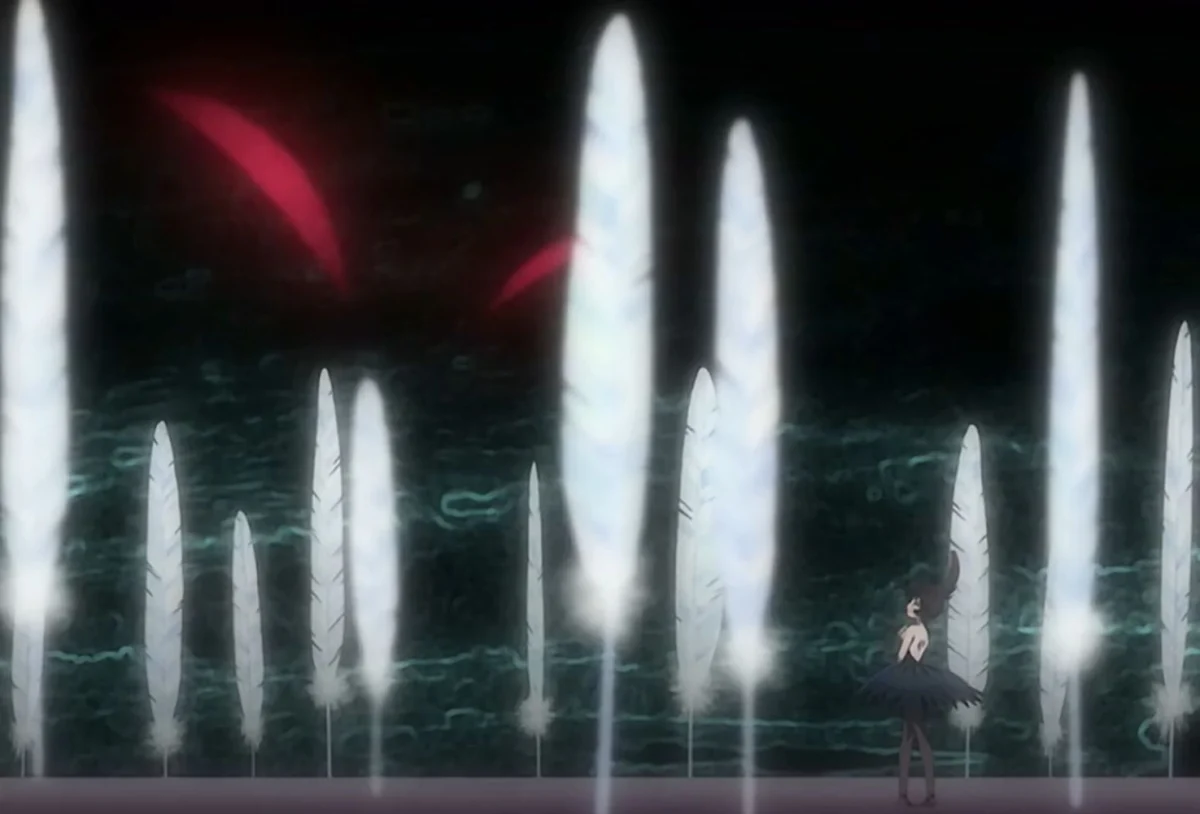
In the vast, sprawling landscape of early 2000s anime, few series have defied categorization as thoroughly as Princess Tutu. Originally airing in 2002, this production from Hal Film Maker, directed by Junichi Sato and character-designed by the legendary Ikuko Itoh, initially presents itself as a deceptively simple magical girl series. Yet, beneath its pastel-colored aesthetic and ballet-focused premise lies a profound, meta-narrative exploration of trauma, free will, and the suffocating nature of traditional storytelling. For many, the show was an acquired taste, often dismissed by those who prejudged its "princess and tutu" branding—a sentiment mirrored by the very people who eventually found their worldviews irrevocably altered by its narrative complexity.
Main Facts: A Ballet of Existentialism
At its core, Princess Tutu follows the story of Ahiru (Duck), a duck transformed into a girl by the mysterious and somewhat sinister author, Drosselmeyer. Her mission is to gather the shattered fragments of Prince Mytho’s heart to restore his emotions and save him from a predetermined tragedy. However, the show is far more than a "save the prince" quest.
The series is set in Gold Crown Town, a surreal, European-esque village where reality and fiction bleed together. The inhabitants—both human and animal—exist within a storybook construct, often unaware that their actions are being dictated by Drosselmeyer’s mechanical writing machine. The brilliance of the show lies in how it treats its genre conventions: it uses the tropes of Swan Lake, Giselle, and The Nutcracker not merely for aesthetic flair, but as thematic anchors to discuss the roles we are forced to play in our own lives.

Chronology of the Narrative
The series is divided into two distinct arcs that function like a two-act ballet.
The Discovery (Episodes 1–13): The first arc establishes the rules of the world. Duck discovers her ability to transform into the heroic Princess Tutu. She encounters the cold, emotionless Mytho and his fiercely protective, abrasive knight, Fakir. During this time, the audience is introduced to the "Monster of the Week" format, which serves as a clever misdirection. Each "monster" is actually a manifestation of a heart shard, and each battle is a literal dance-off, where Tutu must perform a routine to help the victim reconcile with their own emotions.
The Deconstruction (Episodes 14–26): The second half of the series shifts tone dramatically. As Mytho begins to recover his heart, he regains not only love and joy but also pain, jealousy, and fear. The narrative focus turns inward, examining the "villainess," Rue (Princess Kraehe), and the moral transformation of Fakir. It is here that the characters begin to actively fight against Drosselmeyer’s script. They realize that their "destinies" are merely words on a page, and they begin to exert their own agency—a process that is often painful, physically destructive, and philosophically revolutionary.

Supporting Data: The Art of the Tableaux
Princess Tutu is a masterclass in budget-conscious, high-impact animation. Because the show operated on a limited budget, the production team utilized stylistic choices that heightened the "fairy tale" atmosphere. The frequent use of still frames and tableau-style compositions mimics the experience of watching a live stage performance.
- Musical Integration: The score features iconic compositions from Tchaikovsky, Mussorgsky, and Delibes. These are not merely background tracks; the rhythm of the music dictates the flow of the animation, making the "dance battles" feel visceral and grounded in the mechanics of classical ballet.
- The "Gold Crown" Environment: The setting serves as a character itself. The walls at the border of the town prevent anyone from leaving, trapping the characters in a permanent state of narrative stasis. This physical manifestation of "plot armor" is a stroke of genius that justifies the show’s recursive storytelling.
Official Responses and Cultural Impact
While Princess Tutu was not a mainstream blockbuster in the vein of Naruto or Bleach, its critical reception has been overwhelmingly positive over the last two decades. Scholars and critics often point to its influence on the "magical girl" genre, specifically in how it paved the way for darker, deconstructive works like Puella Magi Madoka Magica.
In various retrospective interviews, director Junichi Sato has noted that the goal was to explore the "dissonance" between a person’s public persona and their internal reality. He emphasized that the show was designed to speak to the viewer’s own feelings of being "trapped" in a role—whether that role is a student, a worker, or a societal expectation. The series remains a cult favorite, frequently cited in academic circles as a prime example of "metacognitive anime."

Implications: The Power of Agency
The primary implication of Princess Tutu is the rejection of destiny. Drosselmeyer, the author-antagonist, represents the patriarchal and deterministic forces that try to force women (and men) into tragic, predictable roles. By the end of the series, the characters succeed not by following the script, but by rewriting it through their own empathy and courage.
The show posits that the "story" is not what makes a person real; their connections to others do. When Duck asserts her identity—defying the binary of "Duck vs. Princess"—she proves that one can be multiple things at once. The characters’ struggle to break free from their assigned roles serves as a powerful metaphor for personal growth and queer identity, as many fans have noted the difficulty of finding oneself when the "scripts" provided by society do not align with one’s lived experience.
A Masterpiece of Existentialism
Ultimately, Princess Tutu is a triumph of narrative design. It succeeds in being a cute, accessible magical girl show for children, while simultaneously serving as a complex, haunting examination of existence for adults.

If we look at the characters—Duck’s self-doubt, Fakir’s fear of change, Rue’s desire for love, and Mytho’s vulnerability—we see reflections of our own human condition. We are all, in some way, trying to find our place in a story that we didn’t choose to be in. The beauty of the series is that it encourages us to take the pen from the narrator.
It teaches us that even if we are "just a duck," even if we are clumsy or overlooked, we have the capacity to dance. And through that dance—through the pursuit of our own truths—we can create a narrative that is entirely, beautifully our own. Decades after its release, Princess Tutu remains a testament to the idea that the best stories are the ones where the characters are brave enough to surprise their own creator. It is a work that humbles the critic and inspires the dreamer, proving that the most profound insights often come from the most unexpected places. Whether you are a fan of anime or merely a lover of well-crafted fiction, the halls of Gold Crown Academy have a lesson waiting for you—if you are willing to step onto the stage.









No comments yet. Be the first to join the conversation!