Lina Irawan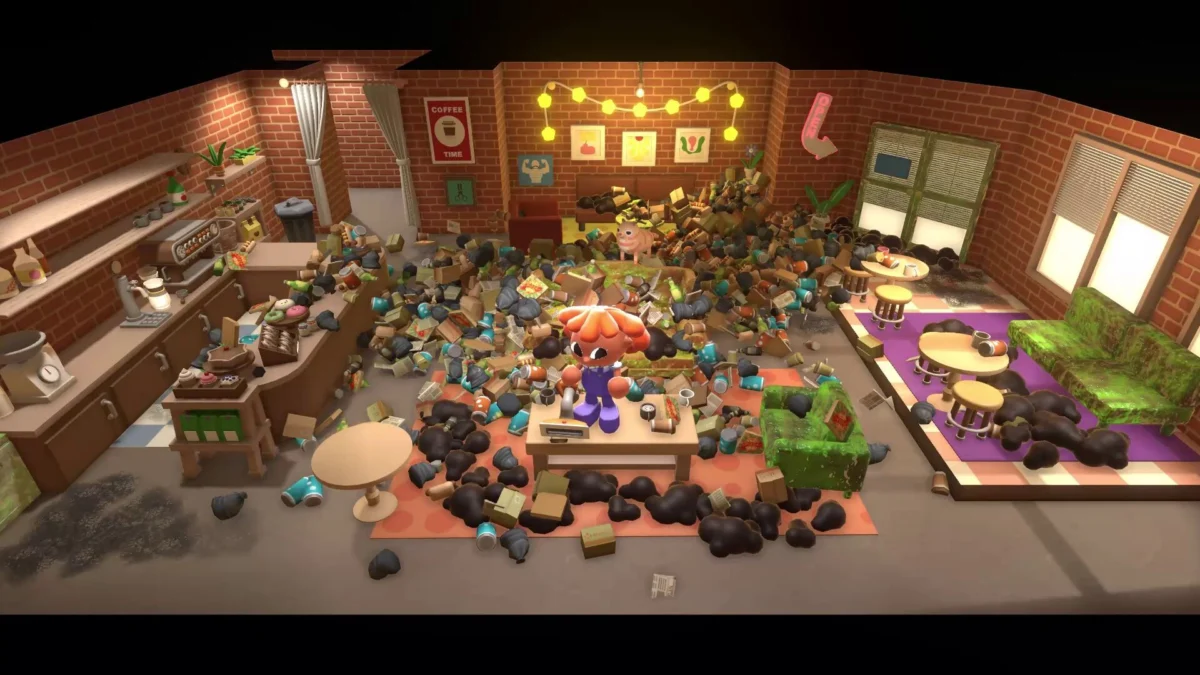
In the modern gaming landscape, the "cozy game" genre has expanded far beyond farming simulations and home decorators. We are currently witnessing a renaissance of the mundane, where the repetitive, laborious tasks of real life—scrubbing floors, organizing shelves, and power washing grime—are transformed into meditative, high-reward digital experiences. Enter Cleaning Up!, a new physics-based title that invites players to channel their inner janitor and restore order to a world gone hilariously, and often dangerously, messy.
The Core Concept: Physics-Based Sanitation
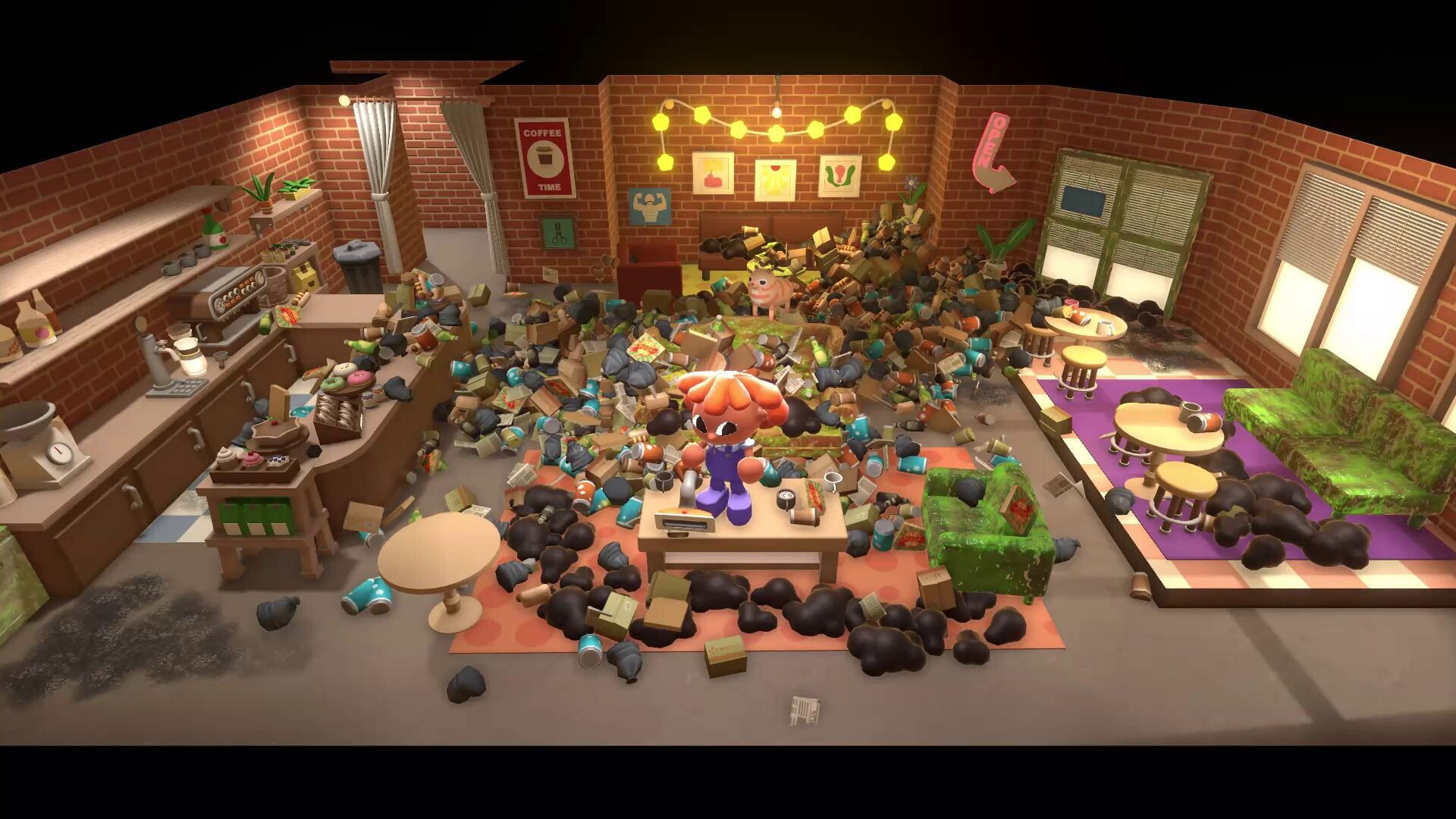
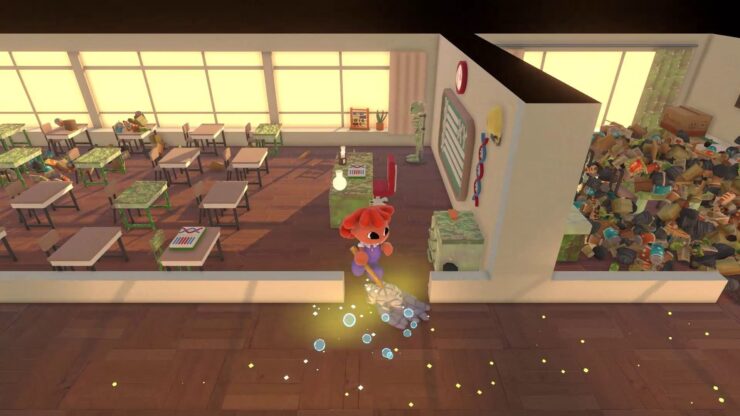
At its heart, Cleaning Up! is a masterclass in simplicity. Players are dropped into a variety of neglected environments—ranging from cafes and schools to more surreal, otherworldly locations—and tasked with one primary directive: make it sparkle. The game eschews high-stress time limits in favor of a player-led pacing model, allowing users to sink into a "flow state" that is increasingly rare in the fast-paced world of competitive gaming.
The gameplay loop is built upon a satisfying tactile foundation. Initially, your arsenal is limited to a standard vacuum cleaner. Players must navigate cluttered rooms, gobbling up debris and periodically offloading the collected trash into disposal bins. The physics of the objects—how they collide, pile up, and respond to the suction—provide an immediate, visceral sense of progress. There is an undeniable psychological thrill in watching a room transition from a chaotic disaster zone to a pristine, organized space.
A Growing Arsenal of Janitorial Tech
As players progress through the game’s stages, the complexity of the cleanup increases, requiring a more specialized toolkit. The game developers have clearly leaned into the "satisfaction factor" by diversifying the ways players can interact with their environment:
- The Broom: Essential for handling viscous messes, such as piles of mysterious black goo, which must be consolidated into manageable chunks before they can be vacuumed.
- The Mop: Used for tackling wet, stained surfaces that require a bit of elbow grease.
- The Power Washer: Perhaps the most iconic tool in the modern cleaning genre, this device is used to restore grimy furniture to its former glory. It even includes a secondary utility: watering plants for extra rewards.
- The Odor Neutralizer: A spray-based tool that adds a layer of "freshness" to the room. While it is arguably the most abstract tool in the set, it adds a layer of depth to the objective-based progression system.
Each tool is tied to a progress bar at the top of the screen, providing a visual representation of how much work remains. This design choice serves as a gentle guide rather than a pressure-cooker, ensuring that the player feels a steady sense of accomplishment without the anxiety of a ticking clock.
Chronology of the Experience: From Basic Chores to Paranormal Puzzles
While the game begins as a straightforward cleaning simulator, it quickly evolves. The levels are not merely empty containers for trash; they are environmental puzzles. One of the standout features of Cleaning Up! is the introduction of obstacles that force players to rethink their approach.
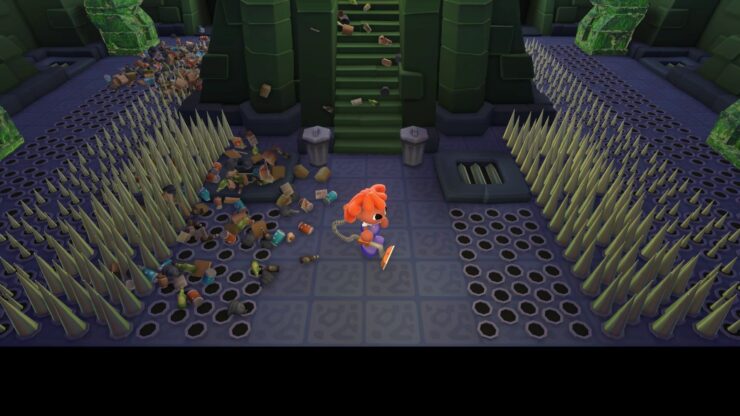
Early in the experience, players are introduced to levels where "dangerous packages" are scattered amongst the refuse. Vacuuming these up results in failure, forcing the player to be precise rather than reckless. As the journey continues, the stakes rise. Players will encounter ghosts that must be avoided, zombies that require strategic displacement back into their tombs, and temperamental cats that take great offense to being power-washed.
These encounters shift the genre from pure "cleaning simulation" to "puzzle-action," requiring the player to balance their janitorial duties with environmental awareness. It is a refreshing pivot that keeps the gameplay from becoming stale, even if the implementation of these mechanics is sometimes fleeting.
Supporting Data: Strengths and Missed Opportunities
In assessing the longevity of Cleaning Up!, one must weigh the joy of the core loop against the game’s structural design. There is a curious tendency in Cleaning Up! to introduce a mechanic or a specific type of enemy, utilize it for a single level, and then abandon it entirely.
From a design standpoint, this is a double-edged sword. On one hand, it keeps the experience fresh and unpredictable; the player is never quite sure what the next room will throw at them. On the other hand, it represents a missed opportunity for the game to build on its own complexity. By stacking these mechanics—perhaps requiring the player to manage zombie containment while power-washing furniture and avoiding dangerous packages—the game could have offered a more significant late-game challenge.
However, the game compensates for this lack of escalation with a robust progression system. Players earn currency through their work, which can be spent on upgrading tool efficiency or purchasing purely aesthetic items, such as frog-themed hats for their character. This customization adds a layer of personal expression that serves as a nice reward for the time invested.
Official Responses and Developer Intent
The developers have positioned Cleaning Up! as a humorous, lighthearted escape. This is most evident in the game’s narrative window dressing. The player is accompanied by a sentient sponge—an AI-chat-bot-sidekick that acts as both a tutorial guide and a source of dry, self-deprecating humor. Its presence is a nostalgic nod to the "helpful" digital assistants of the late 90s, offering a layer of meta-humor that keeps the tone light even when the player is waist-deep in digital trash.
The dialogue, too, reinforces this silly atmosphere. Characters will frantically exclaim things like, "This is a cafe full of trash!" providing a sense of urgency that is playfully at odds with the player’s ability to take their time. The intention here is clear: the developers want to create a space where the player can laugh at the absurdity of the situation while finding genuine satisfaction in the act of restoration.
Implications for the Genre
Cleaning Up! sits comfortably within the growing niche of "satisfaction-based" games. Its existence implies a continued market appetite for low-stakes, high-reward gameplay. While some may criticize the lack of persistent mechanical depth, the game succeeds in its primary goal: it is a "joyful little game."
For those who find the chaos of real life overwhelming, or for those who simply enjoy the tactile pleasure of tidying up, Cleaning Up! offers a digital sanctuary. It serves as a reminder that games do not always need to be about high-stakes combat or complex geopolitical narratives. Sometimes, the most satisfying thing a player can do is simply pick up the trash, wash the floor, and leave a room better than they found it.
Conclusion
Whether you are a fan of the growing "power-washing" subgenre or simply looking for a relaxing title to unwind with after a long day, Cleaning Up! is a worthy addition to your library. Its blend of humor, satisfying physics, and quirky puzzle elements creates a delightful experience that—much like the rooms you clean—leaves you feeling better than when you started.
Cleaning Up! is currently available for purchase on both the Nintendo eShop and Steam, offering a polished, albeit slightly unconventional, cleaning experience that is well worth the time of any indie gaming enthusiast.


 Siti Muinah
 Suro Senen