Basiran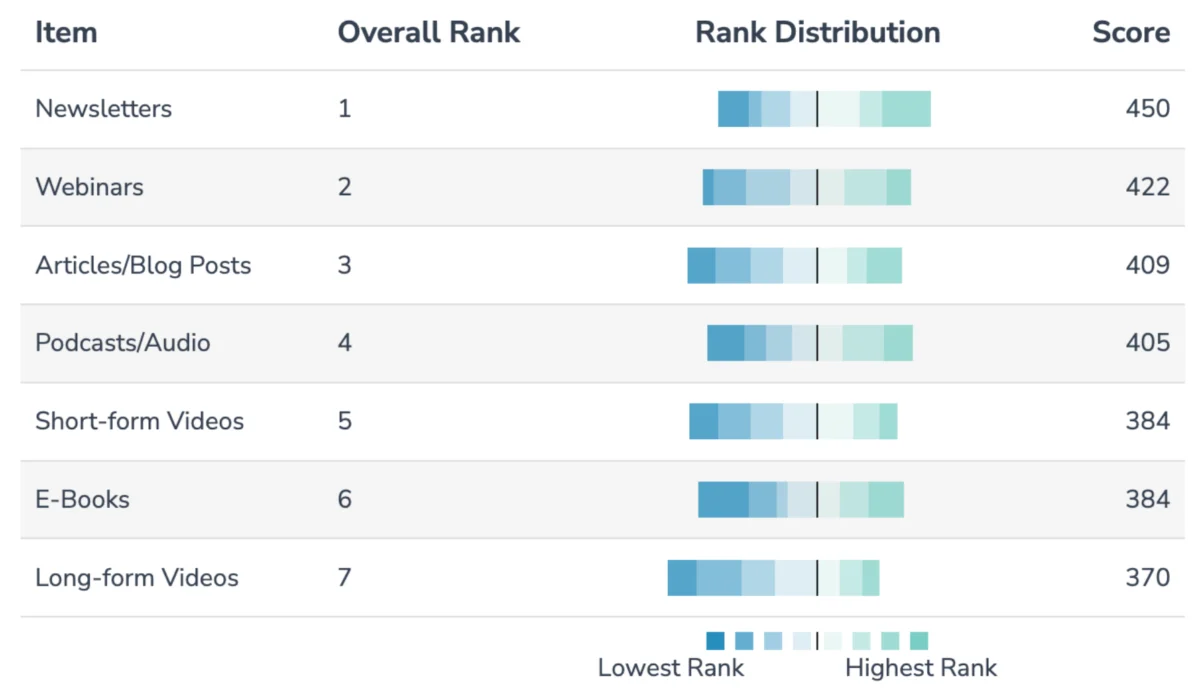
In the digital marketing landscape, the prevailing wisdom has long been "more is better." Brands have spent the last decade churning out an endless torrent of blog posts, white papers, webinars, and short-form video clips, all in a desperate bid to capture the fleeting attention of time-starved professionals. However, a seismic shift is underway. Marketing leaders are no longer suffering from a lack of information; they are suffering from a lack of time.
The consensus among industry veterans is becoming clear: the modern CMO doesn’t need more content—they need better filters. This realization has triggered a quiet revolution in email marketing, as brands pivot away from generic blast strategies toward highly curated, insights-driven newsletters that promise to do the "heavy lifting" of analysis on behalf of their readers.
The Death of the "Link-Farm" Newsletter
For years, the standard operating procedure for brand newsletters was the "link list"—a collection of headlines and summaries designed to drive traffic back to a corporate website. While this model served its purpose during the infancy of content marketing, it has reached a point of diminishing returns. As content mediums have matured, the bar for quality has risen exponentially. What functioned as a "must-read" email in 2015 is often ignored or deleted in 2025.
The core issue is a fundamental misunderstanding of the reader’s goal. Marketing leaders do not necessarily want to be pointed toward more work; they want to be equipped with the intelligence to make better decisions. They crave context. When a newsletter simply acts as a repository of links, it forces the reader to do the cognitive labor of determining what matters and why. If the content isn’t immediately valuable, the authority of the brand diminishes.
The Rise of the "Debrief": A Case Study in Evolution
One entity currently navigating this shift is the consultancy firm Convince & Convert (C&C). After years of running their legacy newsletter, ON, the team recognized a stagnation in engagement. Through their annual audience survey, they identified a stark trend: despite the explosion of short-form video and the ubiquity of podcasts, their audience overwhelmingly preferred the newsletter format as their primary source for industry trends and insights.
"Newsletters are our audience’s preferred way to stay informed," the team noted in their latest research. "More than short-form video, webinars, blogs, or podcasts."

This data prompted a total overhaul of their email strategy. The firm decided to sunset ON and launch a successor: The Trendline. This wasn’t just a rebrand; it was a fundamental change in philosophy. The goal was to provide "value upfront," allowing the reader to consume strategic insights directly within the body of the email, eliminating the requirement to click through to a landing page to get the core takeaway.
Chronology of the Shift
The transition from a "link-heavy" strategy to a "debrief-focused" strategy occurred in three distinct phases:
- The Diagnostic Phase: C&C conducted an annual survey of their audience, asking: "What content formats do you prefer when learning about marketing trends and insights?" The results were definitive, with newsletters ranked as the top medium by a significant margin.
- The Gap Analysis: The team identified that their existing newsletter, ON, was structured around the medium (blog posts, then podcasts, then research) rather than the reader’s needs. It was inherently "work-heavy" for the recipient.
- The Execution: The team implemented a new editorial structure for The Trendline, prioritizing strategic synthesis over mere content distribution. They moved from a "list" format to a "debrief" format, where each section serves a specific, predefined purpose.
Data-Driven Decisions: Why Newsletters Still Rule
The efficacy of the newsletter is rooted in its intimacy and its ability to act as a "strategic filter." In the C&C survey, when participants were asked to rank seven different content formats from 1 to 7, newsletters were nearly twice as likely to be ranked first than any other medium.
This preference exists because, at its best, a newsletter acts as a trusted advisor. It doesn’t just report on the news; it interprets the news. For a busy marketing executive, a well-written, curated summary acts as a force multiplier. It saves them time, provides a competitive edge, and offers a sense of clarity in an industry defined by rapid, often overwhelming, change.
Implications for Modern Brand Strategy
The implications for the wider marketing industry are profound. If you are a brand leader, the "more is better" mantra is now a liability. To remain relevant, brands must move toward a strategy that prioritizes:
- Front-Loaded Value: Can the reader understand the "so what" without clicking a single link? If the answer is no, the email is likely failing.
- Contextual Synthesis: It is no longer enough to share a report. You must share why that report matters to your specific audience and what actions they should consider taking.
- The "Debrief" Model: Treat your email like a high-level executive summary, not a newsletter. Use your team’s collective brainpower to curate and distill complex topics into actionable bite-sized insights.
Rethinking the Format: The Anatomy of a Successful Newsletter
In redesigning The Trendline, the team at C&C moved toward a more rigorous editorial structure. This provides a blueprint for any organization looking to revitalize its email strategy. The key is in the "Hierarchy of Needs" for the reader:

- Strategic Lens: Every story must be framed through the specific expertise of the organization. If the newsletter doesn’t offer a unique perspective, it is simply a commodity.
- Actionable Takeaways: Instead of summarizing a white paper, the newsletter should focus on the "3 questions every CMO should ask after reading this."
- Interactive Engagement: Using tools like "Sound Off" polls allows for a two-way conversation. These metrics are often more indicative of true audience interest than vanity metrics like "open rates," which have become increasingly unreliable due to privacy changes in email clients.
Official Responses and Lessons Learned
Reflecting on the change, leadership at C&C emphasized that this is not a "lateral move." It requires more labor, more editorial oversight, and a higher level of subject matter expertise to produce a truly valuable, curated debrief. However, the investment is worth it.
"We believe owned media channels like newsletters are more important than ever to engage modern audiences," the firm noted. By consistently appearing in the inbox as a source of high-quality thought leadership, a brand builds a level of trust that cannot be achieved through social media algorithms alone.
The lessons for the industry are twofold:
- Know your Audience’s Pain Points: If your audience is time-starved, your content must be time-efficient.
- Don’t be a Repository: Be a guide. Your value isn’t in finding all the content on the internet; your value is in ignoring 99% of it to present the 1% that actually matters.
Conclusion: The Future is Curated
As we move deeper into an era of AI-generated noise and information saturation, the value of the "human filter" will only increase. Marketing leaders are exhausted by the firehose of content. They are looking for someone to hold the umbrella.
Brands that successfully pivot their email marketing strategy from "broadcasting" to "curating" will find themselves in a unique position of influence. By respecting the reader’s time, providing deep context, and focusing on the "why" rather than just the "what," brands can transform their newsletters from a marketing chore into a critical, high-trust asset.
In the final analysis, the goal of a newsletter should not be to keep your audience informed—it should be to help them think. When you provide that service, the clicks, shares, and loyalty will follow naturally. The era of "more" is over; the era of "meaningful" has begun.


 Nana Wu
 Ammar Sabilarrohman