Dwi Wanna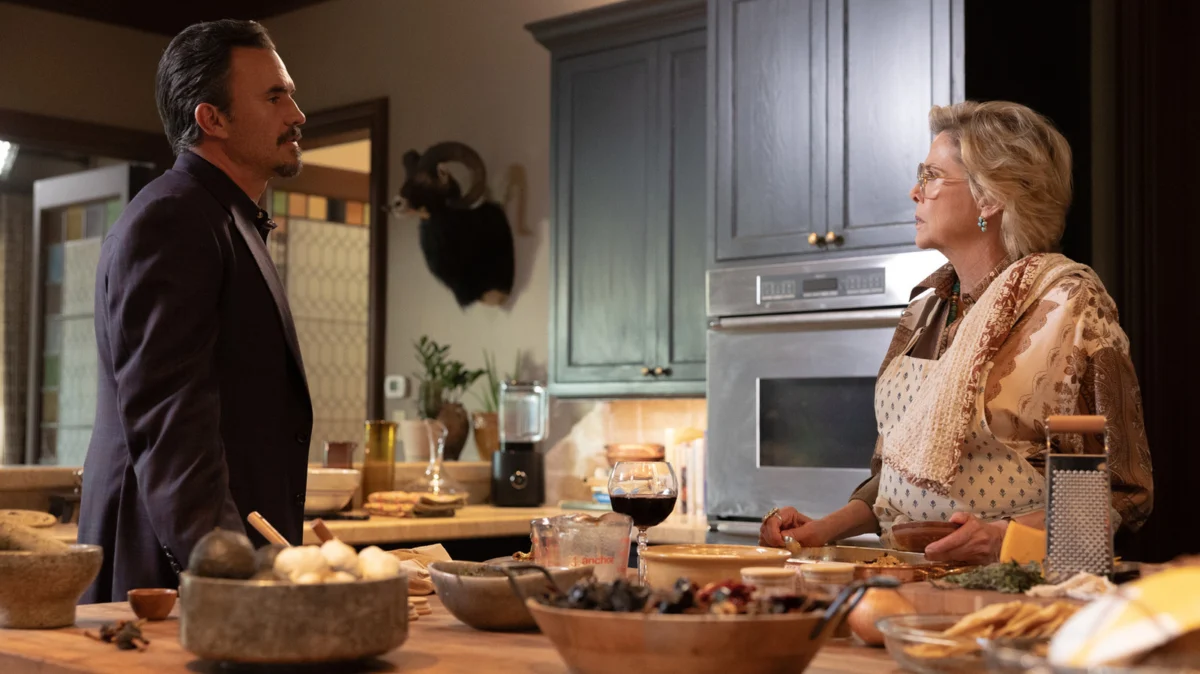
The sprawling, dust-choked landscapes of the Yellowstone universe have always been defined by more than just cattle and borders; they are defined by the toxic, often explosive dynamics of the families that claim them. With the arrival of the latest spin-off, Dutton Ranch, Paramount+ has invited viewers into a new, equally treacherous power structure. However, fans of Taylor Sheridan’s gritty Western saga are already noting a chillingly familiar narrative thread: a deep-seated, potentially fatal animosity between step-siblings that feels ripped straight from the playbook of Beth and Jamie Dutton.
As the series progresses into its second episode, the tension between the Jackson brothers—the erratic, volatile Rob-Will and the cool, calculated Joaquin—has moved from a simmering resentment to a full-blown existential threat. For those watching, the question is no longer if things will go wrong, but how much blood will be spilled before the credits roll on the first season.
The Jackson Family: A New Dynasty Under Siege
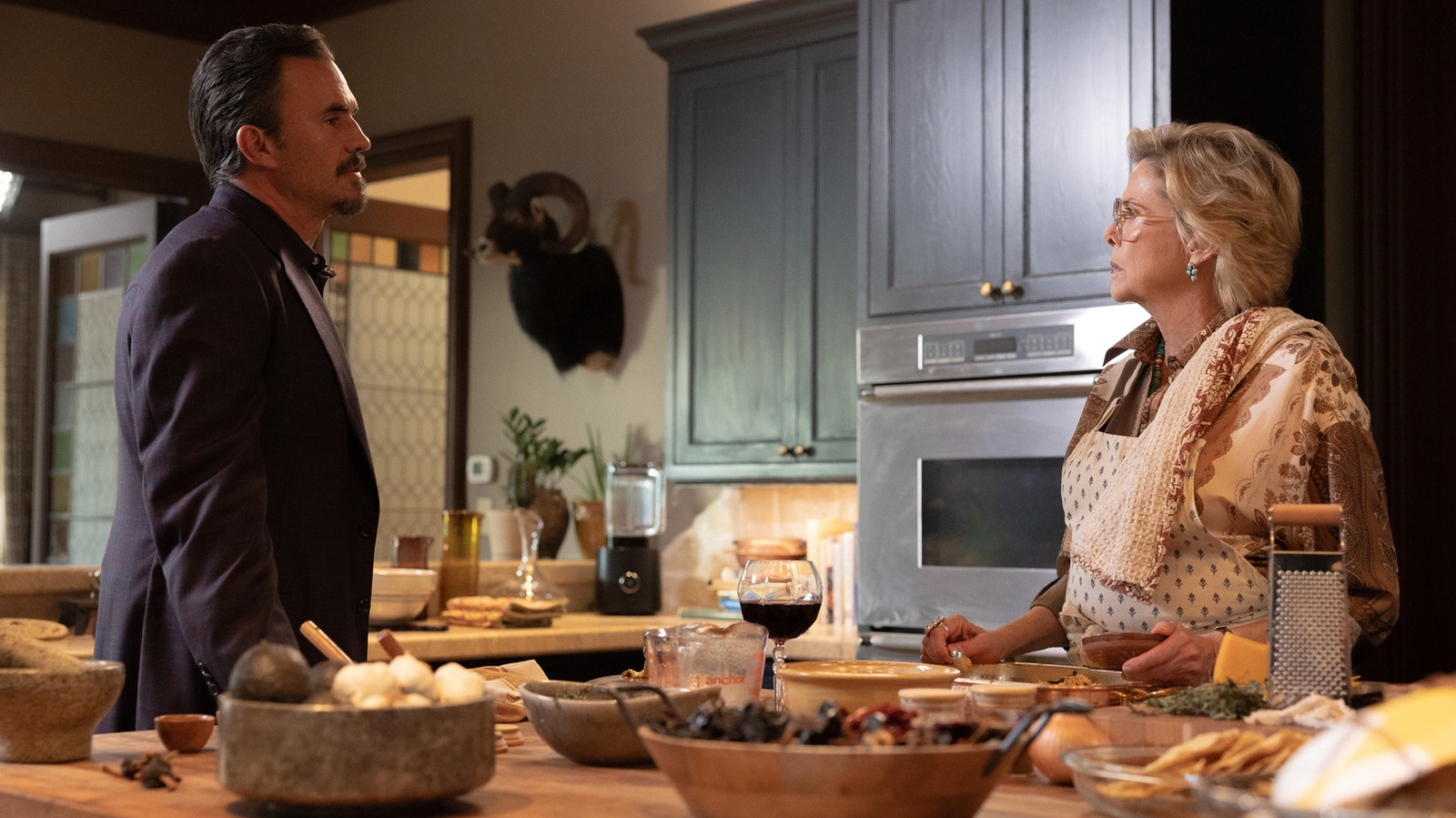
At the center of Dutton Ranch stands Beulah Jackson, portrayed with a commanding, icy grace by Annette Bening. Much like John Dutton, Beulah is the architect of a local empire, steering her family through the cutthroat world of modern ranching. But while the Duttons grapple with political maneuverings and land-grab developers, the Jacksons are currently battling a much more intimate, internal rot.
The dynamic between her sons, Rob-Will (Jai Courtney) and Joaquin (Juan Pablo Raba), serves as the series’ primary engine of conflict. Rob-Will is the personification of a loose cannon—an alcoholic whose erratic temper makes him a liability to the family name. Conversely, Joaquin occupies the role of the "fixer," the stoic, reasonable sibling tasked with scrubbing away the stains left by his brother’s destructive impulses.
In a world where reputation is currency, this imbalance of power has created a pressurized environment. Joaquin’s desire to see his brother permanently removed from the picture is not merely a matter of sibling rivalry; it is a desperate attempt at damage control. Beulah, however, clings to the hope of redemption, insisting on rehab rather than exile—a decision that may ultimately prove fatal.
Chronology of a Crisis: The Shovel Scene
The second episode of Dutton Ranch crystallized the growing rift between the two brothers in a sequence that felt distinctly "Yellowstonian." Tasked with cleaning up the aftermath of a crime—the murder of a ranch hand by a drunken, paranoid Rob-Will—the brothers find themselves in the remote wilderness, armed with nothing but shovels and mutual distrust.
This sequence serves as the emotional anchor for the episode. As they prepare to dispose of the evidence, the dialogue shifts from the logistical to the existential. Rob-Will, in a moment of intoxicated bravado, taunts his step-brother, questioning whether Joaquin has the intestinal fortitude to use his shovel for something other than digging a grave.
Joaquin’s reaction is telling. He does not lash out, nor does he offer a platitude of brotherhood. Instead, he offers a look of chilling calculation. The viewer is left with the distinct impression that Joaquin is weighing the merits of a permanent solution. In the context of the Yellowstone universe, where "the train station" is a shorthand for permanent erasure, this moment of hesitation serves as a foreshadowing of the violence that seems inevitable for the Jackson family.
The Ghost of Beth and Jamie Dutton
It is impossible to discuss the tension in Dutton Ranch without addressing the specter of the original series. The hatred between Beth and Jamie Dutton has become the gold standard for television rivalries, a multi-season arc defined by manipulation, legal warfare, and a mutual desire for total destruction.
Character Parallels
The parallels between the two pairs are striking:
- The Volatile Sibling: Much like early-seasons Beth, Rob-Will is driven by impulsive, destructive rage. He acts without regard for the long-term health of the family, relying on his status as a "Dutton-equivalent" to escape consequences.
- The Diplomatic Fixer: Joaquin’s role mirrors that of Jamie Dutton. He is the intellectual, the lawyerly mind who tries to maintain the appearance of order while harboring a deep, simmering resentment toward the sibling who threatens his position.
In Yellowstone, this rivalry culminated in the Season 5 finale, with Beth effectively sentencing Jamie to his demise. The writers of Dutton Ranch appear to be leaning into this trope, suggesting that in this particular brand of frontier drama, family ties are not a bond, but a shackle.
Supporting Data: Why Tragedy Seems Inevitable
In the broader context of the Yellowstone franchise, peace is a luxury that none of the central families can afford. Statistically, in the world created by Taylor Sheridan, character arcs that focus on internal familial strife rarely resolve in reconciliation.
The structural similarities between the Jacksons and the Duttons are not accidental. They serve as a narrative device to remind the audience of the "poisoned roots" inherent in these ranching dynasties. When a family operates outside the bounds of traditional law to maintain their land and legacy, the internal morality of that family becomes the only law that matters. If Rob-Will represents the chaos that the ranch cannot sustain, and Joaquin represents the ruthless pragmatism required to keep it alive, the collision between them is not just likely—it is a thematic necessity.
Official Perspectives and Implications
While Paramount+ has remained tight-lipped regarding the long-term trajectory of the Jackson family, the creative direction of Dutton Ranch suggests a commitment to the darker, more visceral elements of the Western genre.
Industry analysts suggest that the decision to mirror the Beth-Jamie dynamic is a deliberate play to retain the Yellowstone fanbase. By introducing a "familiar" conflict, the showrunners provide an immediate point of entry for viewers who have spent years tracking the slow-motion car crash of the Dutton family.
Implications for the Season
The implications of this rivalry for the remainder of the season are severe. If the show follows the established precedent of its predecessor, we should expect:
- Escalation of Violence: The shovel scene is unlikely to be the last time the brothers face off in a life-or-death situation.
- The Mother’s Burden: Beulah Jackson’s refusal to accept the reality of her sons’ dysfunction will likely lead to her own undoing. Her bias toward rehabilitation over discipline creates a power vacuum that her sons are all too eager to fill with blood.
- Thematic Devolution: The question of whether the Jackson family will ultimately survive their own internal civil war is the primary hook of the series. If history is any guide, the "Jackson Ranch" may end up as hollowed out as the Duttons’ own legacy.
Conclusion: A Legacy of Blood
Dutton Ranch has successfully established its own identity, yet it remains firmly rooted in the tradition of the franchise that birthed it. By focusing on the corrosive nature of sibling rivalry, the series taps into the same primal anxieties that made Yellowstone a cultural phenomenon.
As the Jacksons continue to navigate their precarious reality, one thing remains clear: in the high-stakes world of modern ranching, the most dangerous enemies aren’t the developers or the government—they are the people sitting across the dinner table. Whether Joaquin will finally succumb to his darkest impulses or if Rob-Will’s erratic behavior will lead to an accidental tragedy, the path forward is marked with the same warning signs that have defined the Dutton name for years.
For now, the audience must watch and wait, knowing that in this corner of the world, every shovel in the dirt tells a story, and most of them end in tragedy.


 Muslim