

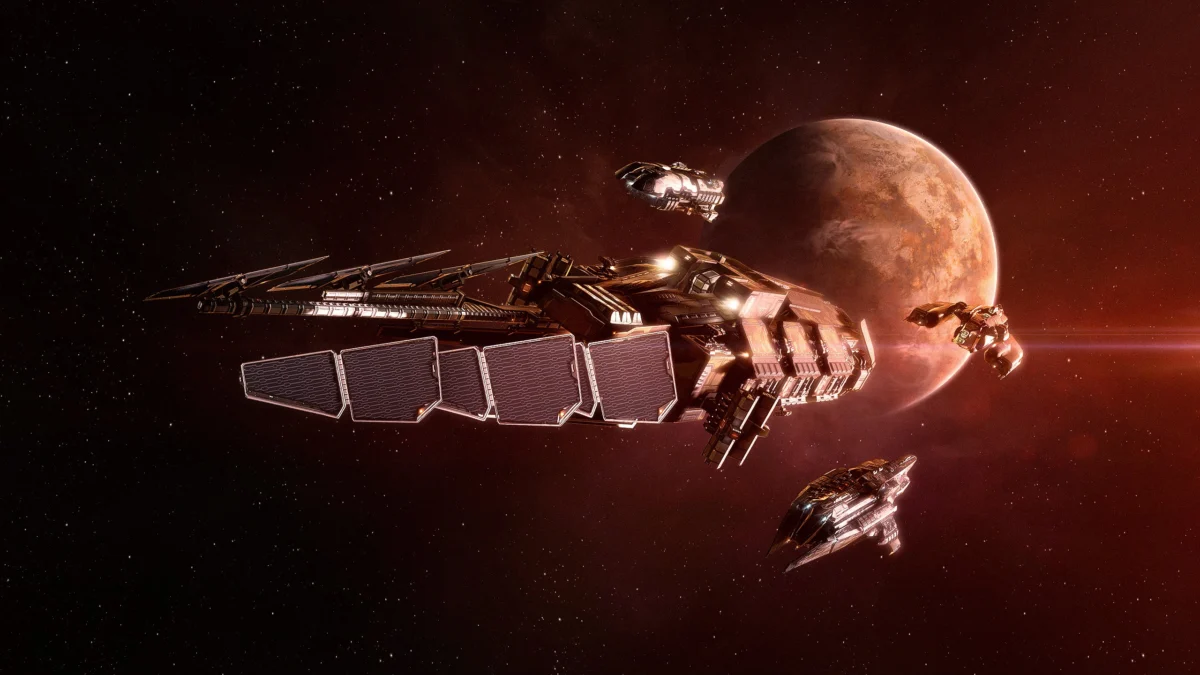
For over two decades, EVE Online has stood as a monolithic anomaly in the MMORPG landscape. Known for its cutthroat player-driven economy, legendary stories of corporate espionage, and a steep learning curve that has been jokingly compared to a part-time job, the game remains a triumph of emergent gameplay. However, this complexity has historically acted as a double-edged sword. While the depth keeps veterans engaged for years, it has often proven impenetrable for newcomers.
Now, under the stewardship of Fenris Creations—the studio that emerged following the restructuring of the original developers, CCP Games—the game is bracing for its most significant shift in years. The upcoming expansion, Cradle of War, scheduled to launch on June 9th, represents a deliberate effort to bridge the gap between the daunting reality of New Eden and the curiosity of the uninitiated.
The Main Facts: A Dual-Track Strategy
The Cradle of War expansion is defined by two primary objectives: stabilizing the influx of new players and escalating the high-stakes military volatility that veteran pilots crave.
Central to this initiative is the introduction of "Exordium," a specialized network of systems designed to act as a safe harbor for fresh accounts. Unlike existing starter zones, which rely on localized security measures that can still be circumvented by determined players, Exordium will function as a "truly safe space." PvP (Player vs. Player) combat will be entirely disabled within these boundaries, allowing novices to master the fundamentals of ship navigation, economic management, and PvE (Player vs. Environment) combat without the constant looming threat of being podded by veteran pirates.
On the other end of the spectrum, the expansion leans heavily into the game’s core identity as a war simulator. The "Theatres of War" system will provide objective-based military campaigns tied to the game’s four major empire factions: the Amarr, Caldari, Gallente, and Minmatar. This system is designed to inject more frequent, meaningful conflict into the sandbox, moving beyond the static status quo of empire borders and providing a structured framework for mercenary work and large-scale fleet engagements.
Chronology of Development
The path to Cradle of War has been one of gradual iteration and community consultation:
- April 2024: The concept of Exordium is first teased to the public, signaling a shift in the developer’s philosophy regarding player retention.
- May 2024 (EVE FanFest): Fenris Creations officially unveils the expansion to a crowd of hundreds, confirming the June 9th release date and providing a technical breakdown of the new ship classes.
- June 9, 2024: Official launch of Cradle of War, introducing the Exordium starter systems, the Theatres of War campaign mechanics, and the first wave of new ship hulls.
- September 2024: Scheduled "Cradle of War Major Update," intended to introduce comprehensive balance patches to combat fleet power projection.
Supporting Data: Fleet Logistics and Ship Diversification
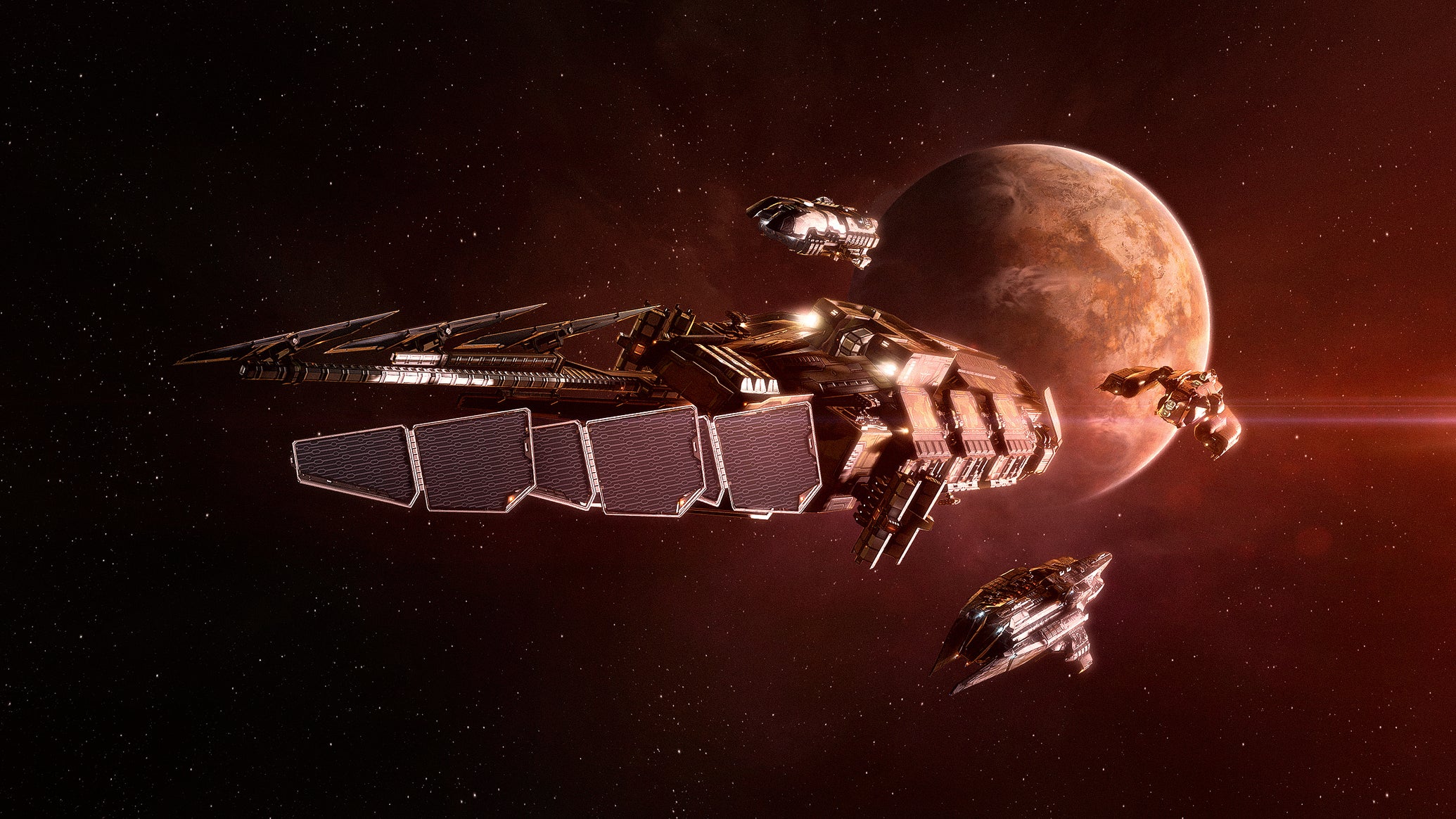
The expansion is set to introduce eight new vessels, a move aimed at refreshing the current meta. The highlight of these additions is the Tech 2 Command Carrier. During the FanFest keynote, the reveal of these support-oriented powerhouses drew the loudest response from the audience, suggesting that the community has been clamoring for high-end utility vessels that can shift the tide of a battle without necessarily needing to be the primary damage dealers.
The inclusion of these ships is not merely aesthetic. In EVE, where "spreadsheets in space" is a term of endearment, the tactical implications of new hull types are significant. By diversifying the support role, Fenris Creations is subtly shifting the meta toward more nuanced fleet compositions, moving away from simple "doomsday weapon" exchanges toward more strategic, multi-layered warfare.
Furthermore, the introduction of a formal achievement and title system represents a departure from the game’s purely organic progression. While EVE has always been a game where the "only goals are the ones you set yourself," the introduction of these milestones provides a tangible, gamified sense of accomplishment that should help provide structure for newer players who might otherwise feel adrift in the vastness of the galaxy.
Official Responses and Developer Intent
The leadership at Fenris Creations has been transparent about the "Exordium Paradox." In interviews following the FanFest keynote, developers acknowledged the risk: if a space is too safe, does it lose the very essence of what makes EVE unique?
"We are not trying to change EVE into a different game," stated a lead designer during a breakout session. "We are trying to ensure that the bridge between the ‘safe’ initial experience and the ‘dangerous’ reality of New Eden is one that players actually want to cross. Exordium is a nursery, not a destination. With heavy taxes on trade and limited mining output, we are providing every incentive for players to graduate to the main game once they have learned the ropes."
The response to the mercenary-focused campaign has been equally calculated. By integrating these campaigns into the existing Freelance Jobs framework, the developers are effectively monetizing the "squabbling" of the empires, creating a recurring loop of content that relies on player participation to function. If no one signs up to fight, the empire’s campaign fails—a design choice that forces the community to decide the trajectory of the game’s lore.

Implications for the Future of New Eden
The long-term success of Cradle of War will likely hinge on the September update. By tackling the issue of "power projection," Fenris Creations is taking aim at a long-standing complaint regarding how large, established alliances can exert influence across the map with relative ease.
Reducing the distance and speed at which massive fleets can be deployed is a bold move. Historically, such changes have triggered massive, game-altering wars, as alliances scramble to adapt to their newly limited operational ranges. This suggests that while the summer is focused on onboarding new players, the autumn will be focused on restructuring the power dynamics between the established titans of the game.
The "DayZ" Comparison and the Sandbox Dilemma
The comparison to games like DayZ is apt, yet incomplete. In DayZ, the threat is the player; in EVE, the threat is the system itself—the economy, the geography, and the political machinations of thousands of others. By creating a temporary "no-fire zone" in Exordium, Fenris is essentially creating a training ground where the player is taught how to survive in a vacuum before being thrust into a pressure cooker.
The implication here is that EVE is moving toward a more curated, tiered experience. Whether this will dilute the game’s legendary "anything goes" reputation remains to be seen. However, the survival of the game depends on a steady influx of new blood to replace the veterans who inevitably retire. If Exordium succeeds in keeping even 15% more players active past their first month, the expansion will be considered a monumental success by the developers.
Final Thoughts
Cradle of War is a delicate balancing act. It is a game trying to be two things at once: a welcoming entry point for the uninitiated and a crucible for the hardened veteran. By segmenting the player base via the Exordium systems while simultaneously fueling the fires of war for the rest of the galaxy, Fenris Creations is attempting to solve a problem that has plagued the franchise for twenty years.
As June 9th approaches, the community is watching closely. The success of this expansion will not be measured solely by the number of ships destroyed or the new hulls added to the hangars; it will be measured by the number of new pilots who, after completing their tutorials, feel confident enough to jump through that first gate into the unknown. In the unforgiving, cold vacuum of New Eden, that is perhaps the most ambitious goal of all.











No comments yet. Be the first to join the conversation!