

It usually becomes obvious around week three. The honeymoon phase of a new agency-client partnership begins to fray, not because of a bad marketing strategy or poor creative, but because of a digital ghost town in the comments section.
A potential customer leaves a query on a brand’s latest post: "Hey, do you offer this in blue?" The clock starts ticking. A day passes, then two. A second user chimes in: "Yeah, I’ve noticed they never reply to their comments either." That exchange is now a permanent, public testament to the brand’s neglect. For the agency, it was an oversight; they assumed the client was monitoring the inbox. For the client, it was an expectation that the agency was handling "social media management." Because the responsibility was never codified, the ball dropped—leaving a trail of unanswered questions that signals to every visitor that the brand is essentially closed for business.
The Magnitude of the Problem: A Crisis of Connectivity
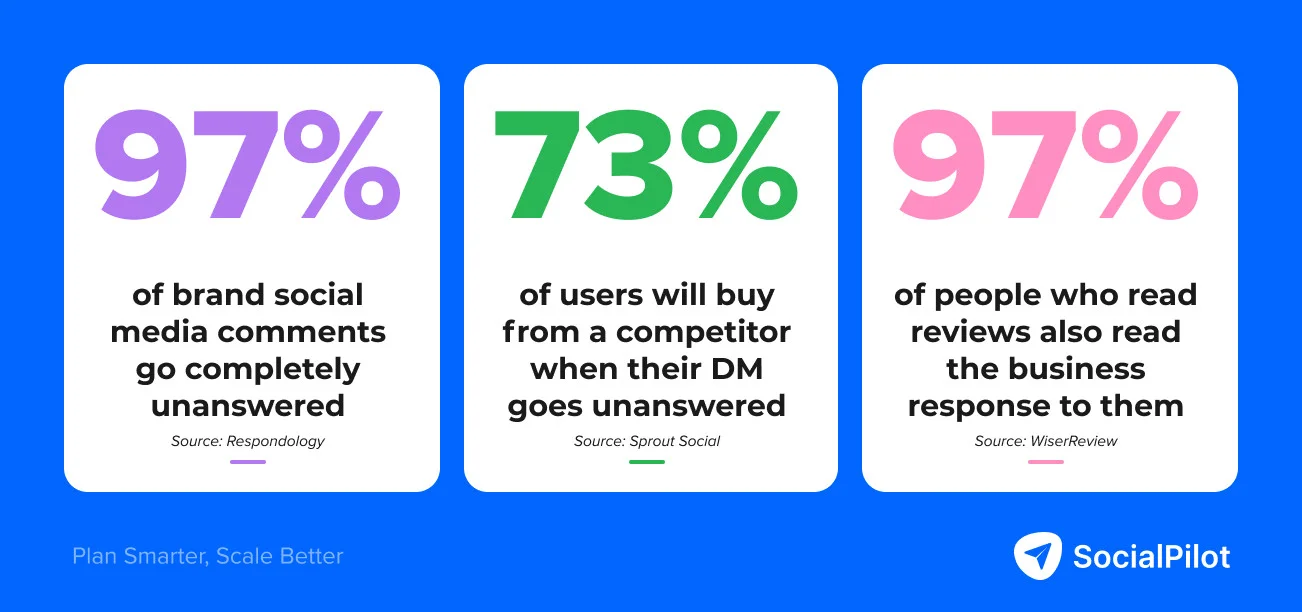
According to the Business of Comments Report by Respondology, a staggering 97% of brand social media comments go unanswered. This figure encompasses everything from high-intent purchase questions and customer service complaints to simple, enthusiastic messages from genuine fans.
This isn’t just an anecdotal annoyance; it is a systemic failure in modern digital operations. While brands invest thousands in content production and ad spend, they are simultaneously leaking revenue by ignoring the very people who have already signaled their intent to buy. In an era where social media serves as the front door to a business, leaving the door locked is a strategic error that competitors are more than happy to exploit.
The Anatomy of the "Week Three" Breakdown
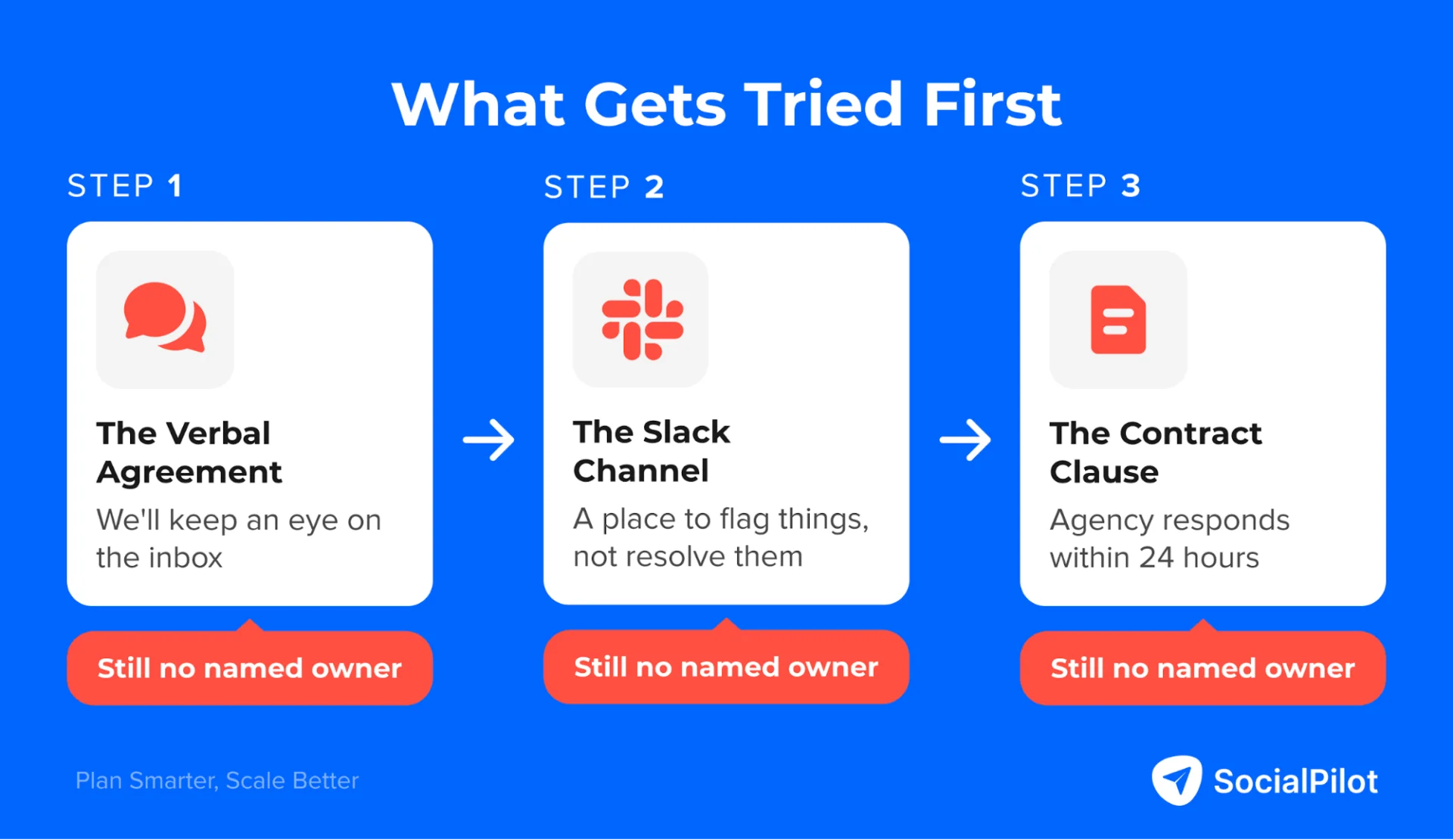
The breakdown typically follows a predictable chronology. It begins during the onboarding call, where excitement is high and administrative details are often glossed over. The agency presents a slick content calendar, and the client approves the brand voice. Amidst the flurry of strategy, someone says, "We’ll keep an eye on the inbox," and everyone nods in agreement.
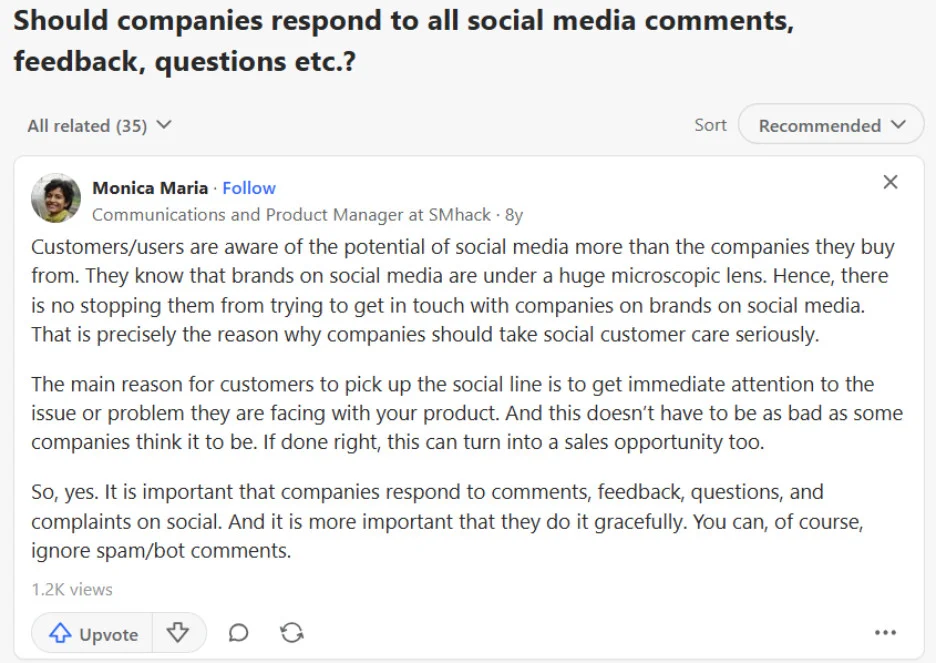
The error here is the assumption that "watching" is synonymous with "ownership." In the fast-paced environment of social media, passive monitoring is a recipe for failure. As evidenced by various industry threads on platforms like Quora and Reddit, agency owners and social media managers frequently clash over this exact ambiguity.
Without a formal "Reply System," the following pattern emerges:
- The Vacuum: A customer asks a question. No one is assigned to reply, so the message sits in the notification queue.
- The Social Proof of Neglect: Other users observe the silence, fueling a narrative that the brand is either inactive or indifferent to its customers.
- The Escalation: A frustrated customer takes their grievance to a public forum or a more visible platform, tagging the brand in a negative review.
- The Blame Game: The agency and client jump on a crisis call. The agency argues it wasn’t in their scope; the client argues they paid for "management." The relationship suffers, and the root cause remains unaddressed.
The Real-World Impact: Revenue and Reputation
The consequences of this silence extend far beyond bruised egos; they directly impact the bottom line and long-term brand equity.
Financial Leakage
Recent 2026 social media statistics indicate that 73% of consumers who receive no response to an inquiry will pivot to a competitor. When a customer sends a DM, they are typically in the "consideration" or "decision" phase of the sales funnel. By ignoring these messages, brands aren’t just missing a conversation; they are handing a warm lead to a competitor who happens to be more responsive.
Search and Trust Metrics
Reviews carry a heavier weight than comments because they are indexed by search engines and remain permanently visible on business profiles. Data from WiserReview reveals that 97% of consumers read a business’s response to reviews. If there is no response, that silence is interpreted as a lack of accountability. Conversely, ReplyOnTheFly’s analysis found that when a business responds to a negative review within four hours, they are three times more likely to see the reviewer update their rating to something more positive.
Defining the Surfaces: A Functional Approach
To solve this, agencies and clients must move away from the blanket term "engagement" and instead categorize interactions by their nature and urgency. Not all digital touchpoints are created equal.
| Surface | Visibility | Response Urgency | Primary Owner |
|---|---|---|---|
| Comments | Public | 24–48 Hours | Agency |
| DMs | Private | Within 4 Hours | Client |
| Reviews | Permanent | Within 24 Hours | Split (Agency drafts, Client approves) |
Why This Segmentation Matters
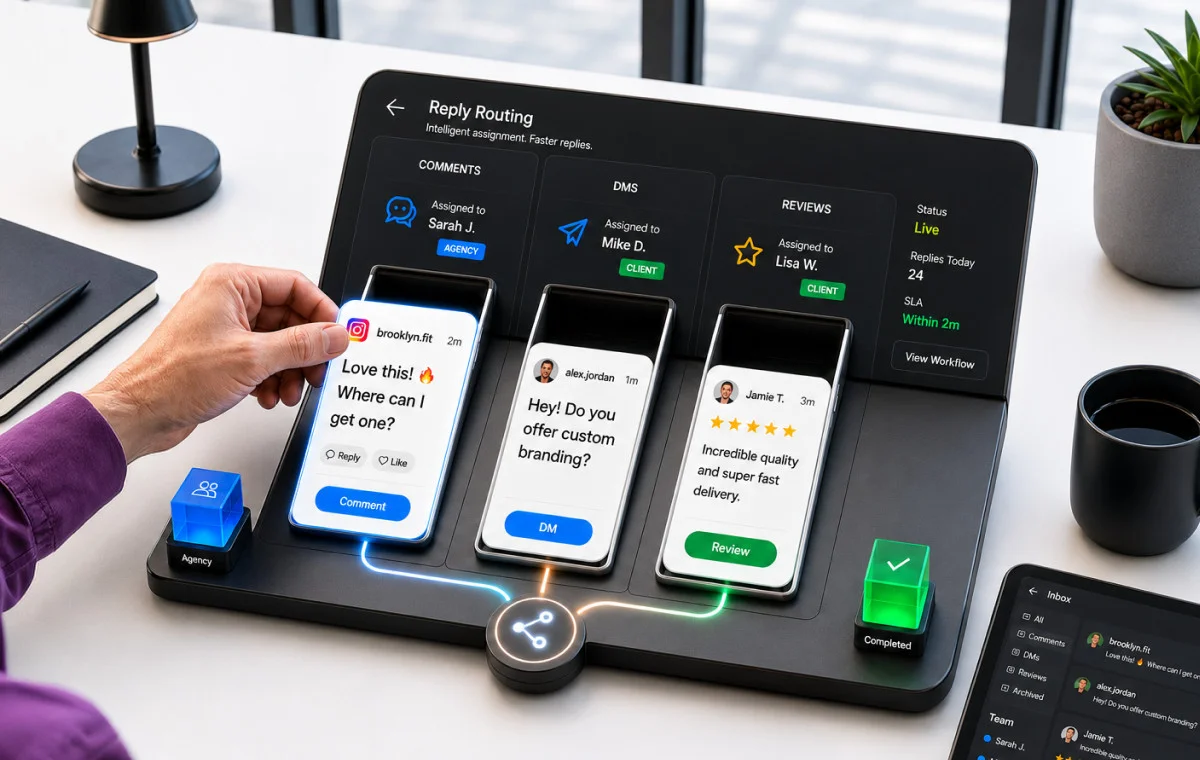
- Comments: These are public performances of brand personality. Agencies are best suited for this because they are already deeply immersed in the brand voice and can ensure consistency across all posts.
- DMs: These are private, high-intent transactions. Because they often involve inventory, pricing, or specific service logistics, the client—who has the internal operational knowledge—must be the primary respondent.
- Reviews: This is the most sensitive area. The agency brings the diplomatic tone, but the client brings the factual accuracy. A collaborative approach prevents the brand from sounding either too robotic or too defensive.
Why Conventional Solutions Fail
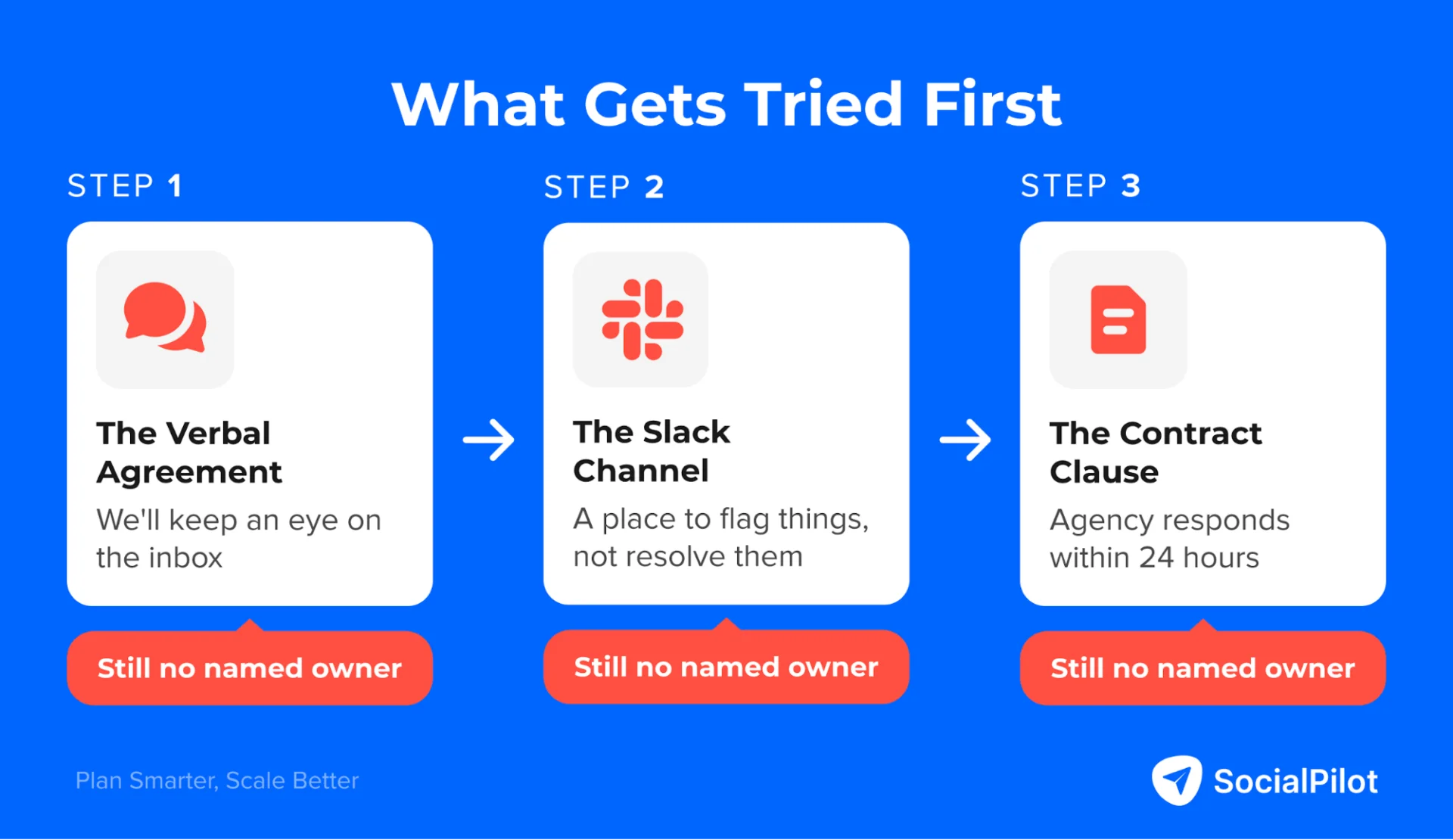
Most businesses attempt to rectify the situation with three common but ineffective strategies:
- The Verbal Agreement: "Just flag anything urgent." This fails because "urgent" is subjective. To a client, a lost package is urgent; to an agency, a typo in a caption is urgent.
- The Shared Slack Channel: While this provides a venue for communication, it serves as a dumping ground rather than a system of accountability. It creates a "passing the buck" culture where items sit in the channel until they become emergencies.
- The Vague Contract Clause: Clauses stating the agency will handle "all engagement" sound legally binding but lack the operational specifics required to function. Does this include technical support? Does it include sales inquiries? Without a clear roadmap, these clauses are essentially unenforceable.
The Ownership Map: A 20-Minute Fix
Before the first post goes live, both parties must construct an "Ownership Map." This is a document that explicitly dictates:
- The Surface: Which platform and which specific area of the platform.
- The Owner: Who is explicitly responsible for hitting "reply."
- The Window: The maximum acceptable time between a message and a response.
- The Escalation Protocol: Exactly when and how to loop in the other party.
This map should be signed during the onboarding process. When the rules are written down, they stop being a source of tension and start being a standard operating procedure.
Leveraging Technology for Accountability
Once the ownership is defined, the system must be enforced through technology. Relying on manual reminders or spreadsheets is prone to human error. Role-based access control (RBAC) is the modern gold standard for managing these relationships.
Platforms like SocialPilot allow agencies to assign specific roles—Owner, Admin, Manager, and Client—that dictate exactly what each user can see and act upon. For example, a Client role can be restricted to only viewing their Google Business reviews and DMs, ensuring they handle the critical, operationally-heavy tasks, while the Agency team manages the general comments.
This creates a "separation of duties" that protects the brand. When the client knows exactly which part of the inbox they own, and the agency knows which part they own, the "Week Three" confusion disappears.
The Competitive Advantage of Responsiveness
In a digital landscape cluttered with content, responsiveness is the new marketing. Algorithms favor accounts that foster genuine interaction. When you reply, you aren’t just serving the individual customer; you are signaling to the platform that your content is valuable, which in turn boosts reach.
Stop waiting for the crisis that inevitably follows a lack of systemization. By defining ownership, setting clear response windows, and utilizing role-based access, you transform your social media presence from a silent billboard into a thriving, revenue-generating community. The partnership should be defined by the results you produce, not the blame you assign for missed opportunities. Set the system today, and ensure your brand is always part of the conversation.












No comments yet. Be the first to join the conversation!