

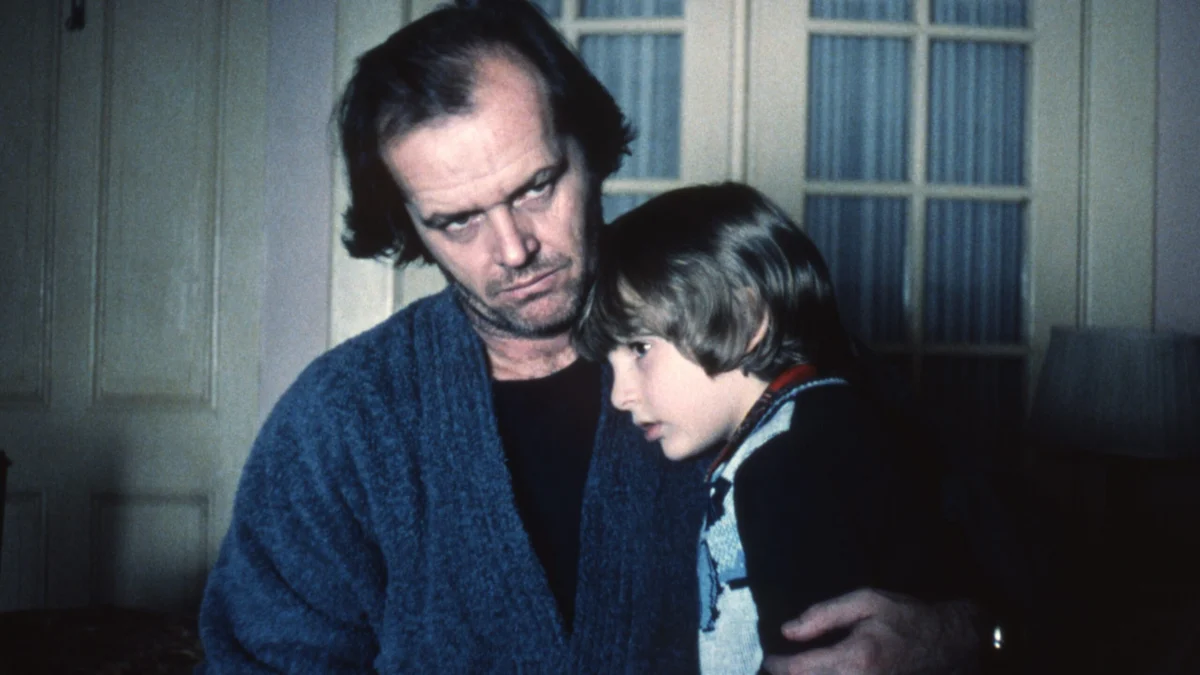
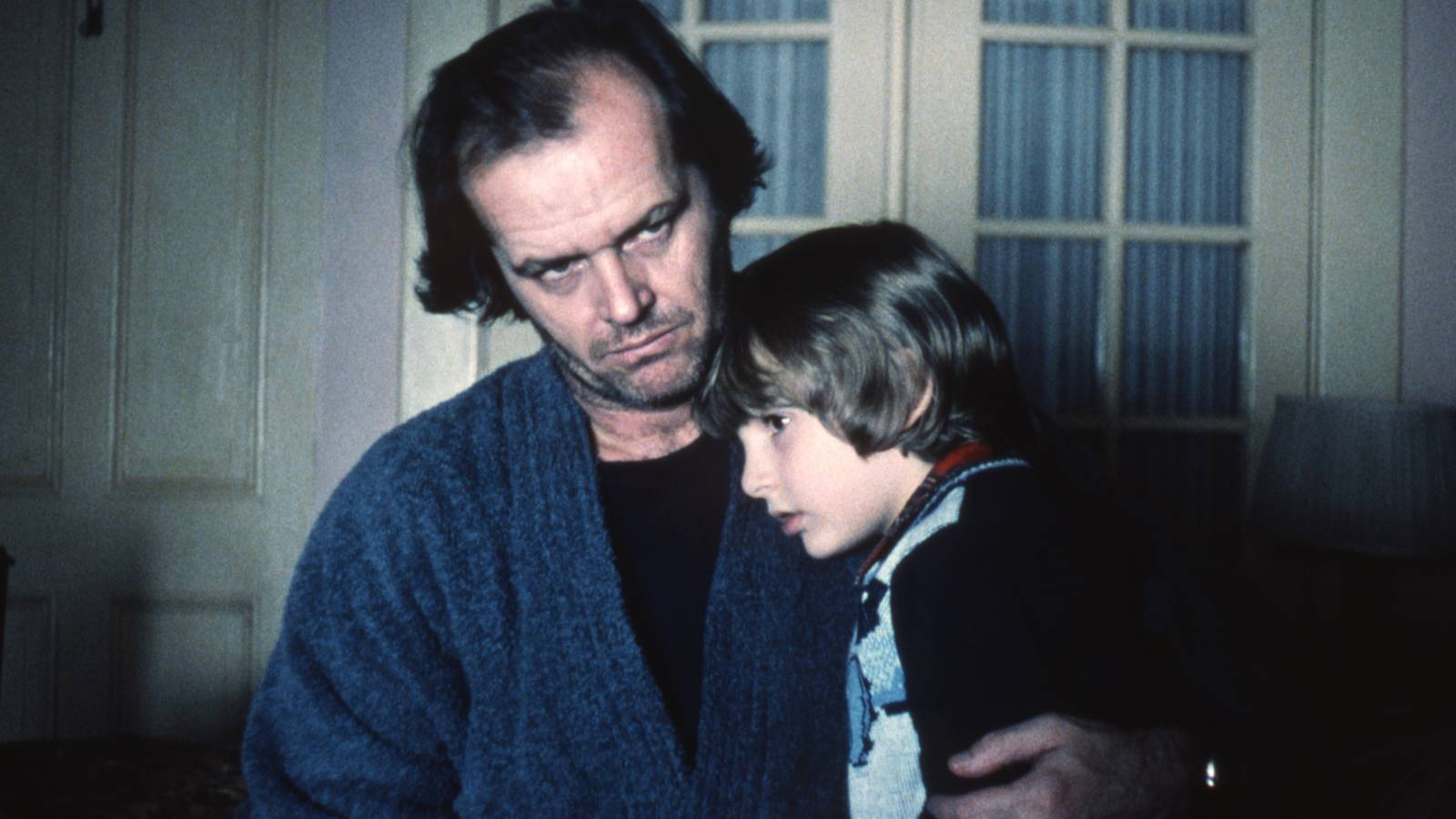
Stephen King’s The Shining (1977) stands as a monolith in the landscape of horror literature. Its portrayal of the Overlook Hotel—a sentient, malevolent entity—and the psychological disintegration of Jack Torrance has influenced generations of writers and filmmakers. However, the designation of "greatest horror novel" is perpetually contested. While Stanley Kubrick’s iconic 1980 film adaptation solidified the story’s place in the cultural zeitgeist, literary critics and horror aficionados often argue that other works have pushed the boundaries of the genre further, offering deeper existential dread, more innovative narrative structures, and more profound meditations on the human condition.
To appreciate horror, one must look beyond the most famous hallways of the Overlook. Several works exist that, by merit of their experimental prose, cosmic scale, and psychological depth, arguably surpass King’s masterpiece in their ability to haunt the reader long after the final page is turned.
The Evolution of the Haunted Narrative: A Chronology of Terror
The horror genre has never been static. To understand why certain novels rival The Shining, one must place them in a historical context that tracks how the genre has evolved from Victorian gothic tradition to modern experimental fiction.
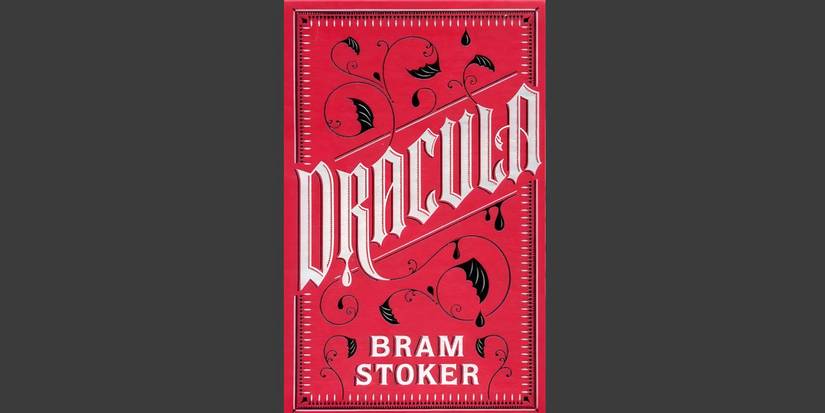
- 1897: Dracula by Bram Stoker. Establishing the epistolary format as a tool for visceral realism.
- 1959: The Haunting of Hill House by Shirley Jackson. The gold standard for psychological hauntings and the primary inspiration for King himself.
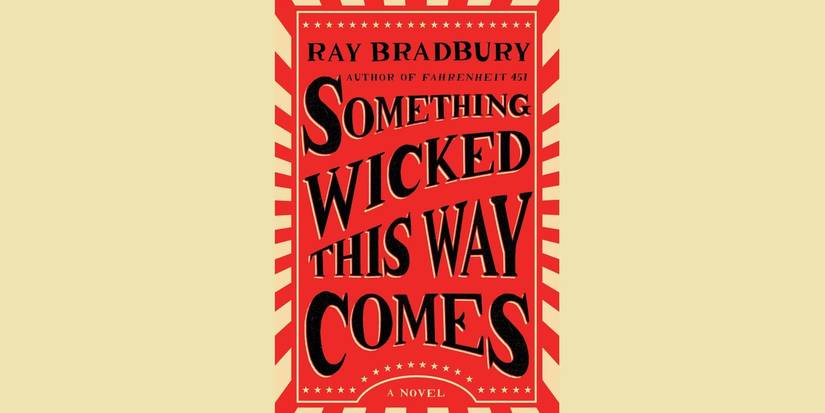
- 1962: Something Wicked This Way Comes by Ray Bradbury. A poetic, dark fantasy that blurred the lines between childhood wonder and existential dread.
- 1977: The Shining by Stephen King. The definitive domestic horror tragedy.
- 1983: Pet Sematary by Stephen King. King’s own darkest, most nihilistic descent into grief.
- 2000: House of Leaves by Mark Z. Danielewski. A postmodern, meta-textual collapse of reality that challenged what a book could physically be.
- 2016: The Fisherman by John Langan. A modern masterclass in integrating personal trauma with cosmic, Lovecraftian horror.
The Pillars of Comparative Horror
When we evaluate whether a book is "better" than The Shining, we look at four key metrics: narrative innovation, the depth of dread, thematic resonance, and the ability to transcend tropes.
The Fisherman: Expanding the Horizon of Grief
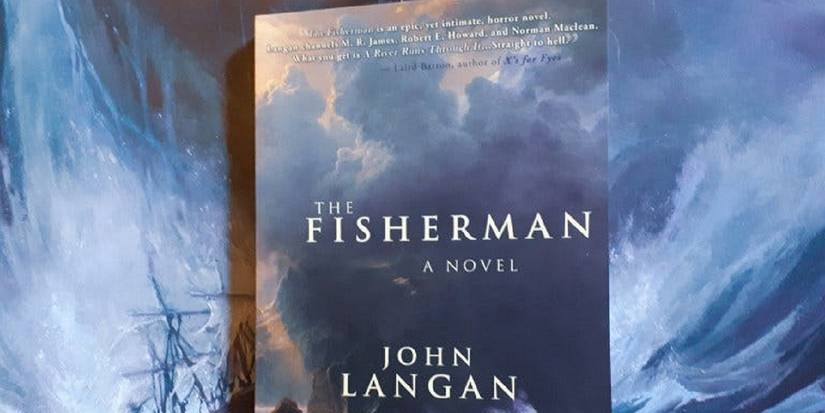
John Langan’s The Fisherman is a triumph of modern horror. While The Shining is a contained story—trapped within the physical walls of a hotel—Langan’s narrative begins as a poignant exploration of two widowers bonding over fishing, only to spiral into an ancient, cosmic abyss.
The brilliance of The Fisherman lies in its "story-within-a-story" structure. By embedding a historical legend into the protagonists’ present-day journey, Langan creates a sense of scale that The Shining lacks. Where King’s ghosts are personal manifestations of Jack Torrance’s failures, Langan’s "Fisherman" is an unknowable, indifferent force of the universe. It moves the horror from the domestic sphere into the ontological, suggesting that our grief is merely a small ripple in a much larger, darker ocean.

Dracula: The Immersive Epistolary Edge
Bram Stoker’s Dracula remains the foundational text of modern vampire lore. While The Shining relies on internal monologue and third-person omniscience to convey its terror, Dracula utilizes an epistolary format—journals, telegrams, and ship logs. This creates a "found footage" effect that feels eerily immediate. By denying the reader direct access to the Count’s thoughts, Stoker turns the villain into a pervasive, creeping threat that exists in the periphery. The sheer scope of the story, spanning from the remote mountains of Transylvania to the heart of the British Empire, offers a geopolitical scale of terror that makes the Overlook Hotel feel surprisingly provincial.
Something Wicked This Way Comes: The Poetics of Fear
Ray Bradbury is often associated with science fiction and nostalgia, but Something Wicked This Way Comes is arguably the most beautifully written horror novel of the 20th century. Bradbury’s prose is rhythmic, dense, and deeply metaphorical. He treats the arrival of a traveling carnival as a philosophical attack on the concepts of youth and aging.
While The Shining is a visceral, blood-soaked descent into madness, Bradbury’s work is a cerebral haunting. It asks the reader to confront their own mortality through the "Autumn People." Its inability to be effectively translated to the screen—due to its reliance on poetic internal reflection—serves as a testament to its unique literary status. It is horror as high art, demanding more from the reader than the standard haunted house thriller.
The Haunting of Hill House: The Architect of Dread
It is a well-documented fact that Shirley Jackson is the progenitor of the modern haunted house story. Stephen King has been vocal about his debt to Jackson, noting that the Overlook is, in many ways, a descendant of Hill House. However, Jackson’s novel remains superior in its subtlety.
Jackson never relies on gore or overt, physical manifestations. The terror in Hill House is psychological, ambiguous, and deeply tied to the repression of its protagonist, Eleanor Vance. By refusing to explicitly define whether the house is haunted or if Eleanor is simply breaking down, Jackson creates a vacuum of certainty that is far more unsettling than the clear-cut supernatural elements in The Shining.
House of Leaves: The Meta-Horror Challenge
Mark Z. Danielewski’s House of Leaves is arguably the only book that can compete with the structural complexity of a haunted space. The novel is a puzzle—a story about a film that doesn’t exist, about a house that is bigger on the inside than it is on the outside.
Danielewski forces the reader to engage with the text physically: the footnotes, the shifting fonts, and the upside-down paragraphs mirror the descent into madness. While The Shining describes the experience of losing one’s mind, House of Leaves makes the reader feel the disorientation of that experience. It is a meta-horror masterpiece that renders the traditional linear narrative of The Shining feel traditional, if not safe.
The Darkest Corner: Why ‘Pet Sematary’ Outshines ‘The Shining’
Within the King bibliography itself, Pet Sematary occupies a singular space. King famously found the book so disturbing that he locked it in a drawer for years, refusing to publish it until a contract forced his hand.
Unlike The Shining, which provides the reader with a slight glimmer of redemption through Danny Torrance’s survival, Pet Sematary offers no such comfort. It is a bleak, uncompromising look at the human refusal to accept death. By invoking the classic cautionary tale of The Monkey’s Paw, King crafts a narrative where the protagonist’s descent is not caused by ghosts, but by his own desperate, selfish grief. The psychological weight of Pet Sematary is heavier, its conclusion more final, and its central thesis—that "sometimes, dead is better"—remains one of the most chilling concepts in the history of the genre.
Implications for the Horror Genre
The debate over whether these books are "better" than The Shining highlights a shifting preference in literature. While King remains the king of accessibility and page-turning momentum, modern readers are increasingly drawn to works that experiment with form and philosophy.
- The Shift Toward Cosmic Horror: As seen in The Fisherman, there is a growing desire for stories that move beyond the "haunted house" trope and into the vast, indifferent cosmic horror that Lovecraft popularized but modern authors have refined.
- The Demand for Structural Complexity: House of Leaves proved that readers are willing to endure a difficult, non-linear reading experience if it serves the atmosphere of the book.
- The Persistence of Psychological Ambiguity: The enduring success of The Haunting of Hill House suggests that audiences are becoming less satisfied with clear "ghosts" and more interested in the terrifying intersection of mental health and environment.
Conclusion
Stephen King’s The Shining is a foundational classic that deserves its place in the pantheon of great literature. Its legacy is secure, and its influence is undeniable. However, the horror genre is vast. By exploring the cosmic dread of John Langan, the epistolary genius of Bram Stoker, the poetic terror of Ray Bradbury, the subtle psychological mastery of Shirley Jackson, and the meta-textual brilliance of Mark Z. Danielewski, readers can find experiences that push the limits of the genre further than the Overlook ever could.
Great horror is not just about the fear of what is behind the door; it is about the fear of what the book itself is doing to our understanding of reality. In that regard, while The Shining is a brilliant story, these other works are profound, unsettling, and essential additions to any reader’s collection.











No comments yet. Be the first to join the conversation!