Lina Hope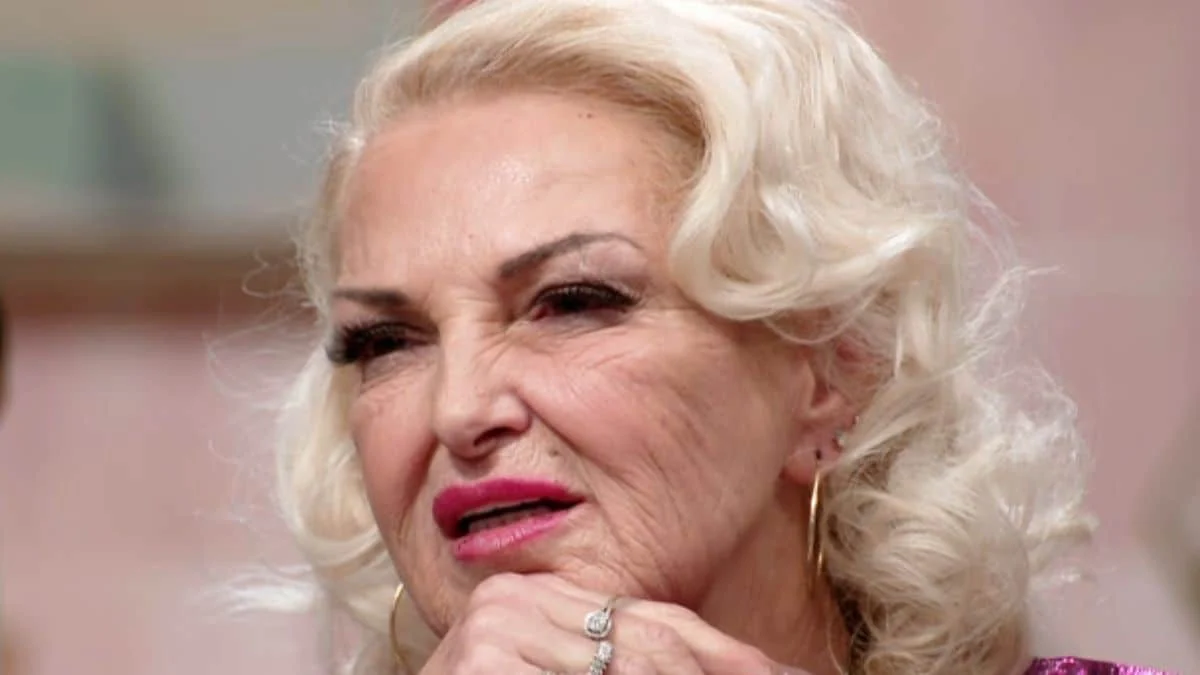
The intersection of reality television fame and social media remains a volatile landscape, often blurring the lines between public entertainment and private family life. For Angela Deem, a veteran fixture of the 90 Day Fiancé franchise, controversy is a familiar companion. However, a recent wave of online vitriol has shifted the focus from the 58-year-old grandmother to her nine-year-old granddaughter, Ariah Kaye. In a series of events that highlight the darker side of digital fandom, Deem has moved from her typical defensive posture to a full-scale advocacy role, revealing personal family medical struggles to silence critics who targeted a child’s physical appearance.
Main Facts: The Catalyst of the Controversy
The conflict began when Angela Deem shared a seemingly innocuous video of her granddaughter, Ariah Kaye, on her social media platforms. Ariah, one of three children belonging to Angela’s daughter, Scottie, was featured in a TikTok video that was subsequently cross-posted to Deem’s Instagram account. In the footage, the nine-year-old is seen lip-syncing to the popular duet "Die With A Smile" by Lady Gaga and Bruno Mars.
Captioned with affectionate tags such as "#TWINZY," "#FUTUREQUEEN," and "#queenofreality," the video was intended to showcase the child’s personality and burgeoning performance skills. While the majority of Deem’s followers—who have watched her family grow over several years of television appearances—responded with praise for Ariah’s charisma, a vocal minority of "trolls" utilized the comment section to post derogatory remarks. These comments primarily targeted the child’s weight and physical health, with one user notably writing, "You all need to eat healthier."
The situation escalated quickly, prompting Deem to issue a stern public rebuttal. In doing so, she disclosed that Ariah suffers from a chronic kidney condition, a detail previously kept relatively private, to provide context for the child’s appearance and to shame those who would bully a minor.
Chronology of Events
The timeline of this social media skirmish reflects the rapid pace at which digital narratives can turn from celebratory to predatory.
- The Initial Post: Earlier this week, Angela Deem recorded and posted a video of Ariah Kaye on TikTok. The video depicted Ariah holding a microphone and expressively performing the lyrics to a contemporary pop hit. The post was intended to highlight the bond between the grandmother (often referred to by her fans as "Meemaw") and her "twin" granddaughter.
- The Instagram Transition: Following the positive reception on TikTok, Deem shared the Reel to her Instagram profile, where she maintains a massive following of both ardent supporters and vocal "hate-watchers."
- The Influx of Criticism: Within hours of the post, the tone of the comment section shifted. While many praised Ariah’s confidence, several users began to body-shame the nine-year-old, offering unsolicited medical and dietary advice.
- The Response Video: Refusing to ignore the slights against her family, Angela Deem recorded a follow-up Instagram Reel captioned "DO BETTER GOD BLESS YOU." In this video, she addressed the critics directly, transitioning from her usual boisterous persona to a more somber, protective tone.
- The Medical Disclosure: During her rebuttal, Deem revealed that Ariah battles kidney disease, a condition she inherited from her mother, Scottie. This revelation served as a definitive "stop" to the speculation regarding the child’s health and dietary habits.
Supporting Data: Contextualizing the Deem Family Legacy
To understand the weight of this incident, one must look at Angela Deem’s tenure within the TLC universe. Deem first rose to prominence on 90 Day Fiancé: Before the 90 Days, documenting her tumultuous relationship with Michael Ilesanmi. Over the course of nearly a decade, she has appeared in multiple spin-offs, including Happily Ever After? and The Last Resort.
Throughout her television career, Angela’s family has been a central pillar of her narrative. Her daughter, Scottie Deem, and her six grandchildren have frequently appeared on screen, making them public figures by association. This visibility has often been a double-edged sword. While it has garnered the family a loyal fan base, it has also exposed them to the intense scrutiny that follows reality TV stars.
The Genetic Component
The disclosure of Ariah’s kidney disease is significant because it connects to a broader family health history. Scottie Deem has previously dealt with health complications that have been referenced vaguely on the show. By identifying the specific nature of Ariah’s struggle—kidney disease—Angela has provided a medical explanation for physical symptoms that trolls misinterpreted as poor lifestyle choices. Kidney disease in children can often lead to fluid retention and growth variations, factors that the "armchair doctors" of Instagram failed to consider before posting their critiques.
Official Responses: Angela Deem’s "Do Better" Mandate
Angela Deem’s response to the trolls was not merely a defense of her granddaughter, but a critique of modern social media ethics. In her video address, Deem maintained a controlled but firm demeanor.
"Hi queens and kings, I just wanna bring something to y’all’s attention," she began, acknowledging her supportive followers before pivoting to the detractors. "So you saw the TikTok of my granddaughter. I thought she did great. All y’all thought she did great, and the people that don’t, they kept it to [themselves]."

She then directly addressed the cruelty of targeting a minor: "She’s only nine years old, okay? Um, to the Instagrammers out there that come on my page to cut me down, I can take that. When you come after my granddaughter and talk about her belly, um, you should be ashamed of yourself."
The crux of her message was the "crown of thought" concept—a plea for users to think before they speak and to recognize the humanity behind the screen. "And just a little info for you: she has kidney disease like her mom. And um, what kind of person goes around cutting down kids anyway? Crown of thought. Do better. That kid hasn’t done nothing to you."
Implications: The Ethics of Reality TV and "Sharenting"
This incident raises several critical questions regarding the ethics of reality television and the responsibilities of public figures toward their children and grandchildren.
1. The Vulnerability of Reality TV Children
Children of reality stars occupy a precarious position. They do not choose fame, yet their lives are often broadcast to millions. The case of Ariah Kaye highlights a growing trend where the "sins" or perceived flaws of a reality star are visited upon their offspring. Because Angela Deem is a "love-to-hate" figure for many viewers, some trolls feel emboldened to attack anyone associated with her, including a nine-year-old child with a chronic illness.
2. The Body Shaming Epidemic
The comments directed at Ariah are symptomatic of a broader culture of body shaming that permeates social media. Even children are not exempt from the "beauty standards" enforced by anonymous commenters. The fact that a child’s medical condition was used as a weapon against her—even if the commenters were unaware of it—underscores the danger of making assumptions about a person’s health based solely on their appearance.
3. The Burden of Disclosure
Angela Deem was forced to choose between ignoring the bullying or revealing a minor’s private medical information to defend her. This "burden of disclosure" is a common theme for celebrities. To stop the harassment, Deem felt she had no choice but to make Ariah’s kidney disease public knowledge. While this may have silenced the trolls, it also means that Ariah’s medical history is now a permanent part of the public record, illustrating the high cost of digital defense.
4. The "Sharenting" Debate
Media critics often debate the merits of "sharenting"—the practice of parents or guardians frequently posting photos and videos of their children online. In the context of a reality star like Angela Deem, the stakes are significantly higher. While she views these posts as a way to share her pride and joy with fans, they also provide a platform for predators and bullies. This incident may prompt a re-evaluation of how much of the "next generation" of reality TV families should be visible on social media.
Conclusion: A Call for Digital Civility
The saga of Angela Deem and Ariah Kaye serves as a stark reminder of the need for empathy in the digital age. While reality television thrives on conflict and judgment, those sentiments should arguably stop at the edge of the screen—and certainly at the threshold of a child’s life.
Angela Deem, often criticized for her own behavior on 90 Day Fiancé, has found herself in the role of a moral arbiter, reminding her audience that behind every "character" on a screen is a real family facing real-world challenges, including chronic illness. As Season 11 of 90 Day Fiancé continues to air, the conversation surrounding the treatment of cast members and their families remains more relevant than ever. For now, "Meemaw" has made her stance clear: criticize the adult, but leave the children—and their health—out of the fray.


 Pevita Pearce
 Rifan Muazin