Jia Lissa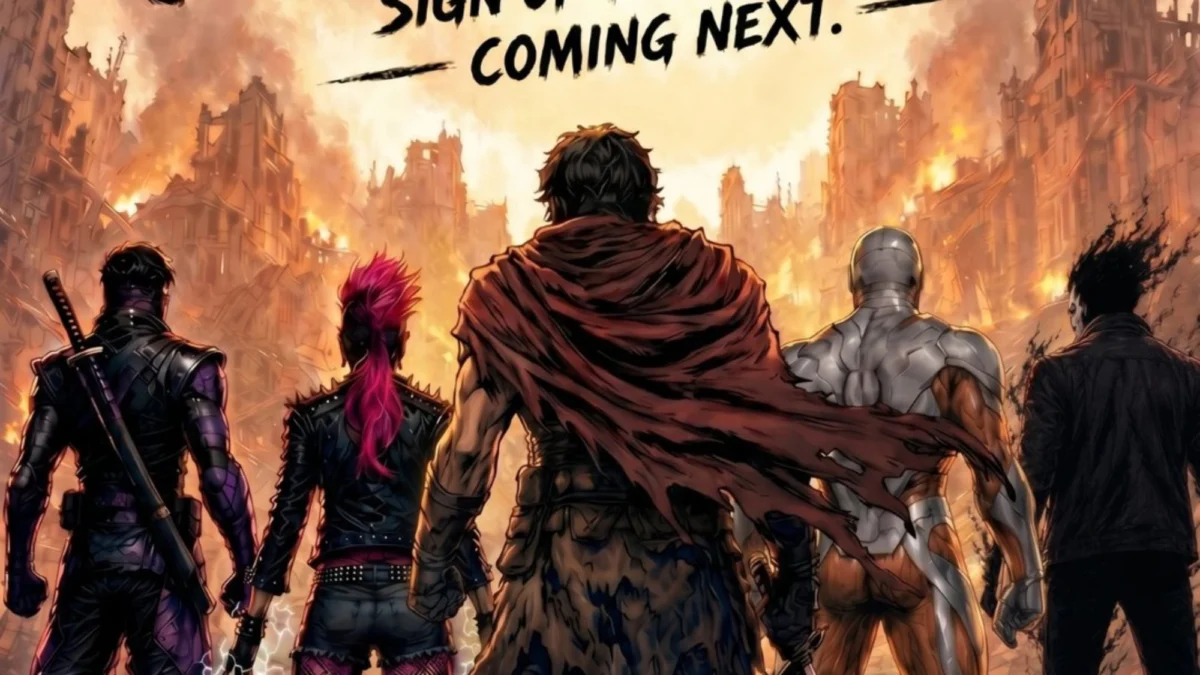
The comic book industry, a medium historically defined by the singular, visceral connection between a writer’s script and an artist’s ink, is currently grappling with an existential dilemma. In recent months, the integration of generative artificial intelligence into marketing materials, anthologies, and promotional content has sparked a fierce debate regarding artistic integrity, labor rights, and the future of creative authorship. From the boardroom-level decisions at publishers like Valiant Entertainment to the recognition of AI-assisted projects in prestigious industry awards, the lines between human craft and algorithmic imitation are blurring—and the community is pushing back.
A Growing Trend: AI in Marketing and Promotion
The controversy reached a boiling point recently when Valiant Entertainment began deploying AI-generated imagery in its Instagram advertising campaigns. These advertisements, which featured characters bearing a passing resemblance to iconic Valiant figures like Bloodshot, were met with immediate backlash from the professional artist community.
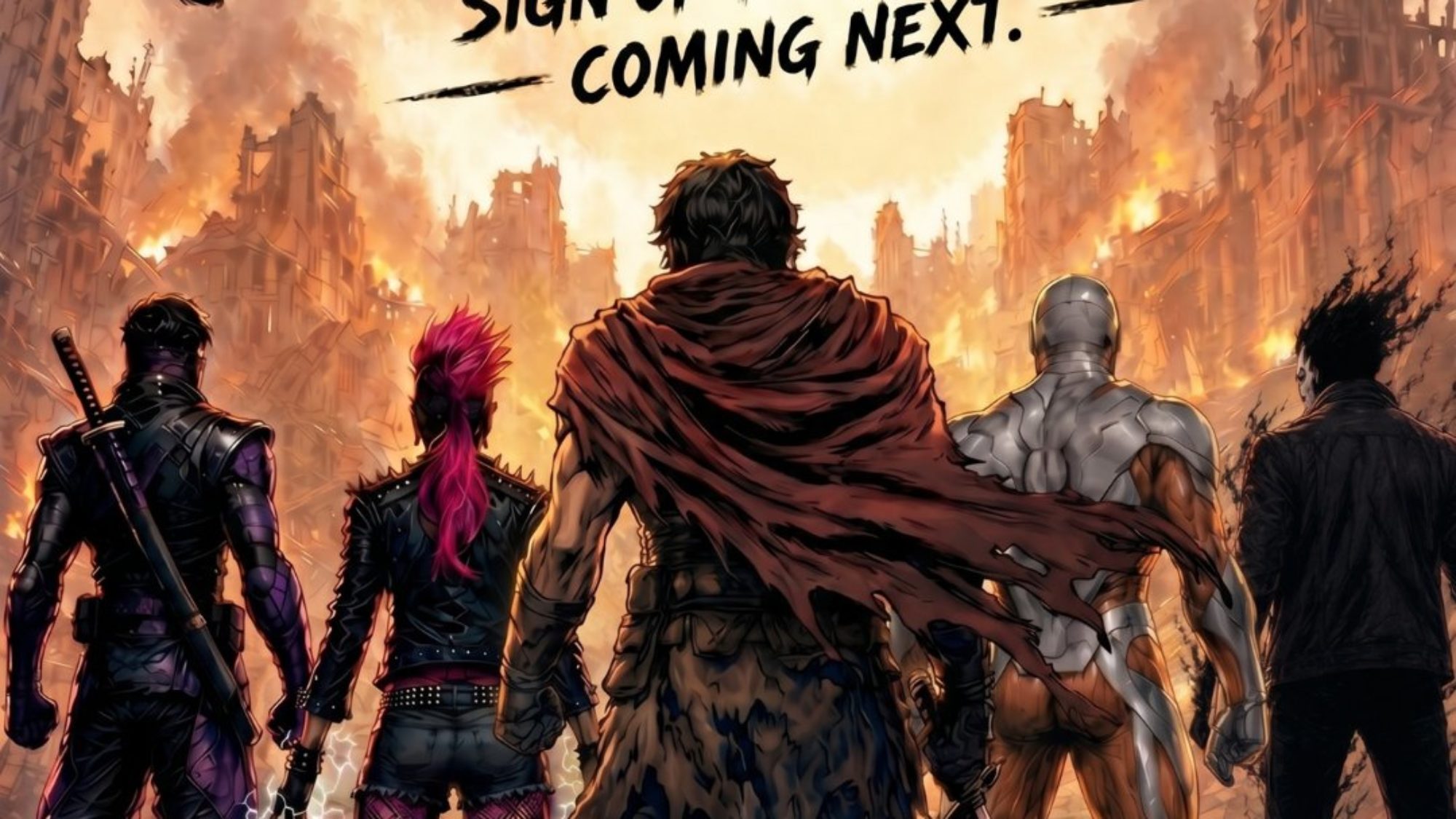
The visual dissonance—where a character meant to be Bloodshot appeared more reminiscent of a generic cinematic depiction of Blade—was not lost on the audience. More importantly, it highlighted a perceived lack of commitment to human talent. Among the most vocal critics was professional artist Raphael Stephan, who took to social media to express the frustration felt by many in the creative trenches.
“Are you serious? So we, the artists, are finishing the last piece of bread!” Stephan wrote in an impassioned response. “We work for years, we draw every day, we take care of our health to at least somehow break through. And you just decided to generate everything through AI? I’ve sent you my portfolio for so many years… I get up at 6 a.m. every damn day, draw, you can say I put off my life to draw and improve! And you just took and decided to replace the artists with a generation?”
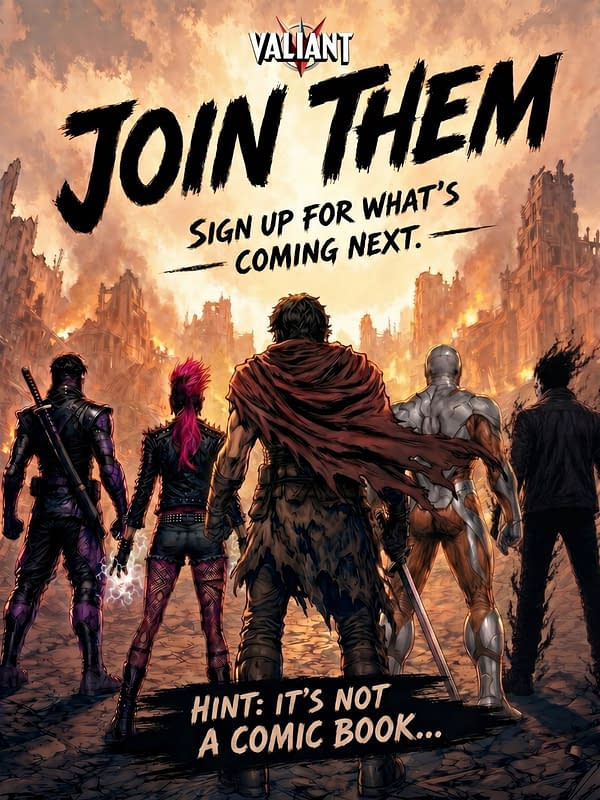
Stephan’s critique touched upon a fundamental grievance: the perceived devaluation of the grueling, lifelong training required to become a comic book artist. By bypassing human illustrators for marketing assets, critics argue that publishers are signaling a disregard for the very people who define their brand identity. While observers note that these decisions often stem from the corporate management at DMG—the owners of Valiant—rather than the creative teams behind the comics themselves, the optics remain damaging to the publisher’s reputation.
The Eisner Enigma: Recognition or Ethical Breach?
The friction is not limited to advertising. The landscape of industry awards is also shifting as AI-integrated works begin to earn accolades. The 2026 Eisner Awards, arguably the most prestigious honors in the medium, nominated Stardust the Super Wizard Anthology in the Best Anthology category. The project, edited by Van Jensen and crowdfunded via Zoop in 2023, is a complex case study in the new hybrid reality of publishing.
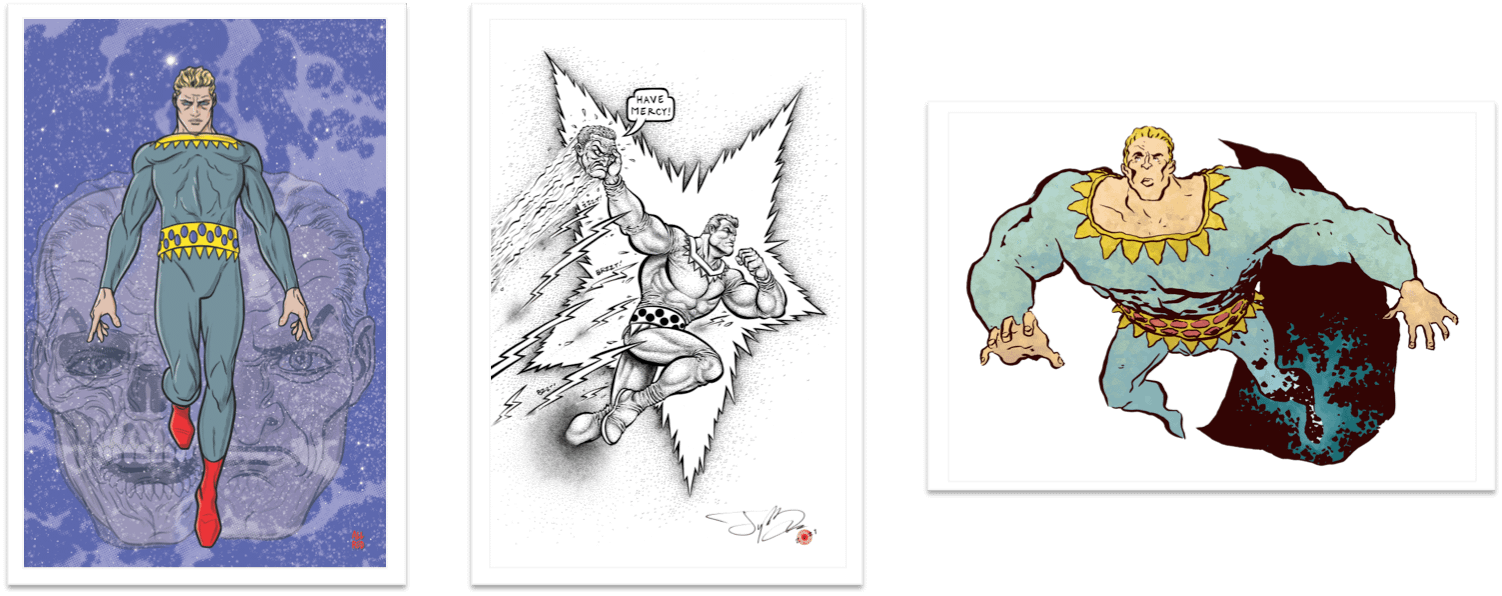
The anthology included a contribution from Michael Todasco, a visiting fellow at the James Silberrad Brown Center for Artificial Intelligence at San Diego State University. Todasco, who describes himself as an angel investor and advisor, openly utilized a model trained on the original 1940s Fletcher Hanks artwork to generate a story featuring the public domain character Stardust.
In a LinkedIn post from last year, Todasco defended the process, noting, “I trained a model on the original Fletcher Hanks artwork and story structure, and the AI generated the published tale. However, don’t buy it for that reason. There are 139 pages of insanely talented human creators who fill the rest of the book.”
While Todasco maintains that his contributions were an exploration of the medium’s future and that proceeds were donated to charity, the nomination has reopened the debate about whether "AI-assisted" works should compete on the same footing as purely human-authored narratives. Critics argue that even if the majority of an anthology is human-made, the inclusion of generative AI—especially when it mimics the specific style of a legendary creator like Fletcher Hanks—dilutes the value of the award and presents a slippery slope for future recognition.
The Ignition Press Case and Retailer Accountability
The complexity of the AI issue is further illustrated by the recent situation involving Ignition Press and their graphic novel Airwalker, which features writing by the late Stan Lee.
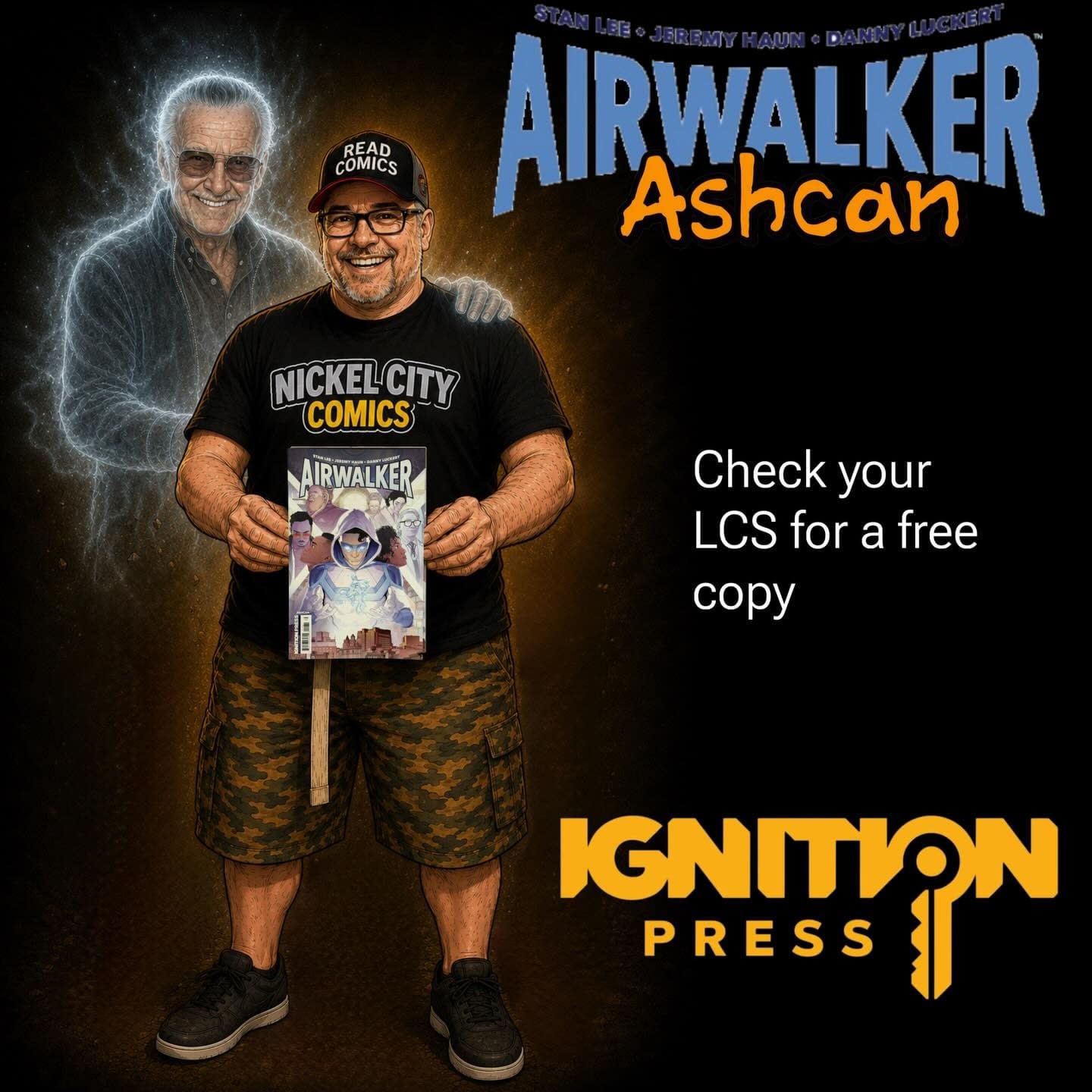
A promotional ashcan preview for the title was circulated by Nickel City Comics, an online retailer. The marketing material included an AI-generated image that appeared to resurrect Stan Lee to promote the book, accompanied by a block of AI-generated text praising the project. The post was met with scrutiny after it gained traction, eventually drawing the attention of Ignition Press’s leadership, including founder Jeremy Haun and Editor-in-Chief Jamie Rich.
Upon being alerted to the situation, Ignition Press acted swiftly to clarify their position. In a statement provided to the press, the publisher stated: “Since its inception, Ignition Press has been firmly committed to not using generative AI in any of our comics, marketing, or other content. In fact, all our agreements with creative talent explicitly prohibit its use.”
The publisher explained that the post was created independently by a retail partner and was shared before the AI nature of the content was identified. They emphasized that their routine engagement with hundreds of social media posts weekly led to an inadvertent signal boost, which they moved to rescind once the nature of the content was brought to light. This incident highlights the challenges publishers face in a decentralized media environment, where retail partners may utilize AI tools in ways that run contrary to the publisher’s stated ethical stance.
Implications for the Industry
The rapid proliferation of these incidents points to a deeper, structural shift within the comics industry. The implications are three-fold:

- The Labor Crisis: The primary concern remains the economic viability of the comic book artist. If publishers and retailers shift toward generative models for even minor marketing tasks, it shrinks the pool of paid labor for entry-level illustrators and designers who rely on such work to build their careers.
- The Question of Ownership and Legacy: The use of AI to mimic the specific styles of deceased creators (as seen with Fletcher Hanks and Stan Lee) raises profound ethical questions about artistic estate management and the "consent" of those who can no longer represent themselves.
- Institutional Integrity: As seen with the Eisner nominations and the behavior of corporate entities like Valiant, there is a lack of standardization across the industry. Some organizations are taking a hard "no AI" stance, while others are tacitly embracing the technology for efficiency, creating a fractured landscape where creators and consumers are often left to police the boundaries themselves.
Moving Forward: Can a Line Be Drawn?
The industry currently finds itself at a crossroads. Some publishers, like Ignition Press, are attempting to formalize their opposition to AI through contractual language, effectively setting a "red line" for their contributors. Others appear to be testing the waters, using AI to fill gaps in marketing or experimental anthologies.
Meanwhile, the vocal resistance from creators like Raphael Stephan serves as a reminder that the heart of the comic book industry is human. The process of creating a comic is not merely the production of an image or a script; it is the culmination of lived experience, emotional labor, and technical discipline.
As we look toward the remainder of 2026 and beyond, the industry will likely see a surge in policy development. Whether through union mandates, publisher-led ethical codes, or consumer-led boycotts, the pressure on companies to distinguish between "human-made" and "AI-generated" content is becoming unavoidable.
The question for the next few years is not whether AI will be used in comics—it is already here—but rather, what space will remain for the human creator in a market increasingly seduced by the promise of automated, instantaneous, and algorithmically optimized content. The industry is currently engaged in a high-stakes debate over the very definition of "creative work," and the outcome will define the next generation of visual storytelling.

 Sagoh
Sagoh
 Ammar Sabilarrohman