Suro Senen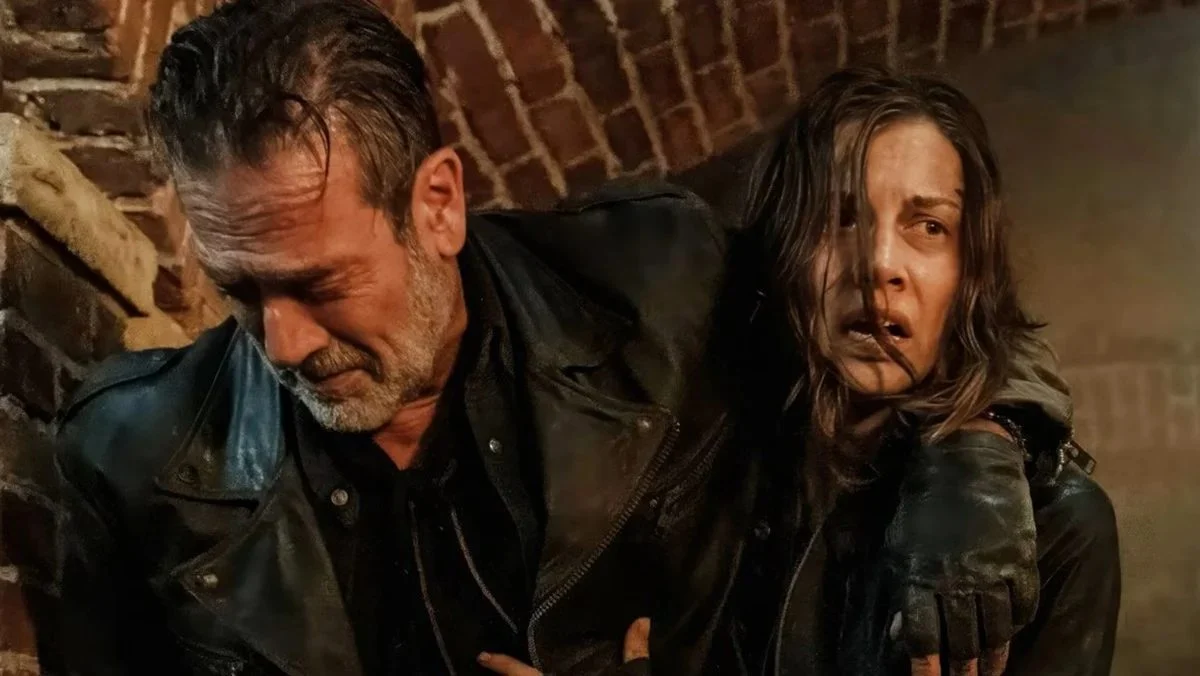
The sprawling television landscape of the post-apocalyptic era owes a significant debt to the enduring legacy of Robert Kirkman’s The Walking Dead. While the flagship series concluded its historic eleven-season run in 2022, the undead franchise has proven remarkably resilient, pivoting toward a series of high-stakes, character-driven spin-offs. Among these, the most atmospheric and narratively ambitious is undoubtedly The Walking Dead: Dead City.
As AMC prepares for the highly anticipated third season this July, fans are finally getting a glimpse of what’s next for the series’ most volatile duo: Maggie Rhee (Lauren Cohan) and Negan Smith (Jeffrey Dean Morgan). With the release of the first official teaser trailer, the stakes have shifted from mere survival to the daunting prospect of civilization-building amidst the ruins of Manhattan.
Main Facts: A New Chapter in the Concrete Jungle
The third season of The Walking Dead: Dead City arrives as a pivotal turning point for the franchise. Picking up the threads from a dramatic second season, the upcoming installment shifts the focus from the desperate search for Hershel (Logan Kim) to the structural challenge of rebuilding.
The premise of the third season is striking in its optimism, which is a rare commodity in this universe. Maggie and Negan are, against all odds, attempting to establish a "thriving community" within the isolated, walker-infested island of Manhattan. The central conflict of the season is no longer just about avoiding a gruesome death; it is about whether these two deeply traumatized individuals can forge a future together, or if the ghosts of their shared past—specifically the brutal murder of Glenn Rhee—will sabotage their efforts before they truly begin.
The season is slated for an official premiere on AMC and AMC+ on July 26, signaling a summer of tension for dedicated viewers of the franchise.
A Chronological Evolution of the Franchise
To understand the weight of Dead City, one must look at the timeline of the broader Walking Dead universe. The flagship show, which debuted in 2010, set the gold standard for zombie horror on television. As the main narrative wound down, AMC began an aggressive expansion strategy.
Dead City was the first of the direct character-led spin-offs to hit the airwaves, debuting in 2023. It introduced a stark change in scenery: moving from the rural forests of Georgia and the suburban sprawl of Alexandria to the vertical, claustrophobic nightmare of New York City. The series was immediately praised for its cinematic quality and the palpable chemistry between Cohan and Morgan.
However, the production history has not been without its challenges. The 2023 WGA strike, which brought Hollywood to a standstill, forced significant delays in the production cycle. This necessitated a shift in the timeline, pushing the second season’s premiere into 2025. With the industry now stabilized, Dead City has returned to a more traditional production cadence, allowing the creative team to build on the momentum of the season two finale and deliver a third season that promises to be the most expansive yet.

Supporting Data: The Cast and Creative Force
The success of The Walking Dead: Dead City is anchored by its lead performers, whose portrayals of Maggie and Negan have become iconic in modern television history. Jeffrey Dean Morgan’s transformation from a sadistic dictator to a man seeking redemption remains one of the most compelling arcs in the series. Lauren Cohan, meanwhile, has masterfully navigated the transition of Maggie from a grief-stricken widow to a steely, pragmatic leader.
The supporting cast has expanded to flesh out the world of Manhattan, bringing in a mix of new threats and allies:
- Logan Kim: Taking over the role of Hershel Rhee, Kim has brought a necessary, hardened maturity to the character. As the son of Maggie and the late Glenn, his presence serves as a constant reminder of the series’ emotional stakes.
- The Ensemble: Season three sees the return of a robust supporting cast, including Jimmi Simpson, Raúl Castillo, Aimee Garcia, and Michael Emery. Each of these actors brings a distinct flavor to the power struggle within the ruins of New York, complicating the already fraught relationship between the two leads.
The production values for season three have notably increased. By utilizing the verticality of Manhattan, the show has created a unique visual language—skyscrapers serving as natural prisons, bridges as choke points, and the sheer density of the walker population making the city feel like a character in its own right.
Official Synopsis and Narrative Implications
The official synopsis provided by AMC offers a chilling look at the central dilemma of the upcoming season:
"In season three, Maggie and Negan finally put aside their differences to build the first thriving community in Manhattan since the apocalypse, but when chaos in the city begins to arise, they are forced to question: have they learned from their old wounds or will their dark past spell doom for the entire city?"
This text implies a departure from the "road trip" structure of the previous seasons. By choosing to stay in one place, Maggie and Negan are no longer just survivors—they are politicians, architects, and governors of a dying world. The "chaos" mentioned suggests that internal conflict, rather than just the external threat of the undead, will be the primary engine of the plot.
The psychological weight of their history cannot be overstated. Maggie’s hatred for Negan for the murder of her husband is the bedrock of their interaction. For them to "put aside their differences" is not merely a tactical decision; it is a profound moral compromise. The question the show asks—whether they have learned from their old wounds—is one that will resonate with long-term fans who have watched this dance for over a decade.
The Implications: Why ‘Dead City’ Matters
The Walking Dead: Dead City is, in many ways, the "grown-up" version of the franchise. It avoids the broad ensemble feel of the original series to focus on two characters who are essentially two sides of the same coin. The implications of this show’s success are massive for AMC.
1. The Power of Niche Spin-offs
By narrowing the scope, Dead City proves that the audience is interested in character-focused drama rather than just "zombie of the week" action. This success has likely informed the development of other spin-offs like The Ones Who Live and Daryl Dixon.
2. High-Stakes Storytelling
The move to rebuild Manhattan provides a concrete goal for the audience to root for. In the original series, "safety" was a shifting goalpost. In Dead City, the goal is the construction of a city. If they fail, it isn’t just about losing a camp; it’s about losing the best chance at humanity in the Northeast.
3. The Legacy of the "Glenn" Trauma
Negan’s redemption arc is the most controversial and discussed topic in the entire Walking Dead fandom. By keeping him and Maggie in such close proximity, the show is forcing the audience to confront the morality of forgiveness. Can a murderer be a savior? That is the philosophical question that elevates Dead City from a typical horror show to a dark drama.
Conclusion: Looking Ahead to July
As the July 26 premiere approaches, the buzz surrounding The Walking Dead: Dead City continues to grow. The trailer, which features haunting shots of a decaying Times Square and intense, wordless confrontations between the leads, promises a season of high tension.
Will the city become a beacon of hope, or will it become another monument to the failure of humanity? The answer lies in the hands of two people who, by all rights, should have killed each other years ago. As the dust settles on the ruins of New York, the only thing certain is that the struggle for survival has never been more complicated.
For those who have followed the journey from the first season of the original show, Dead City offers the culmination of years of character development. It is a testament to the fact that, even in a world where the dead walk, the most dangerous things are still the memories and the people we carry with us. July 26 marks the beginning of the end—or perhaps, the beginning of a very fragile new start.


 Siti Muinah
 Azzam Bilal Chamdy