

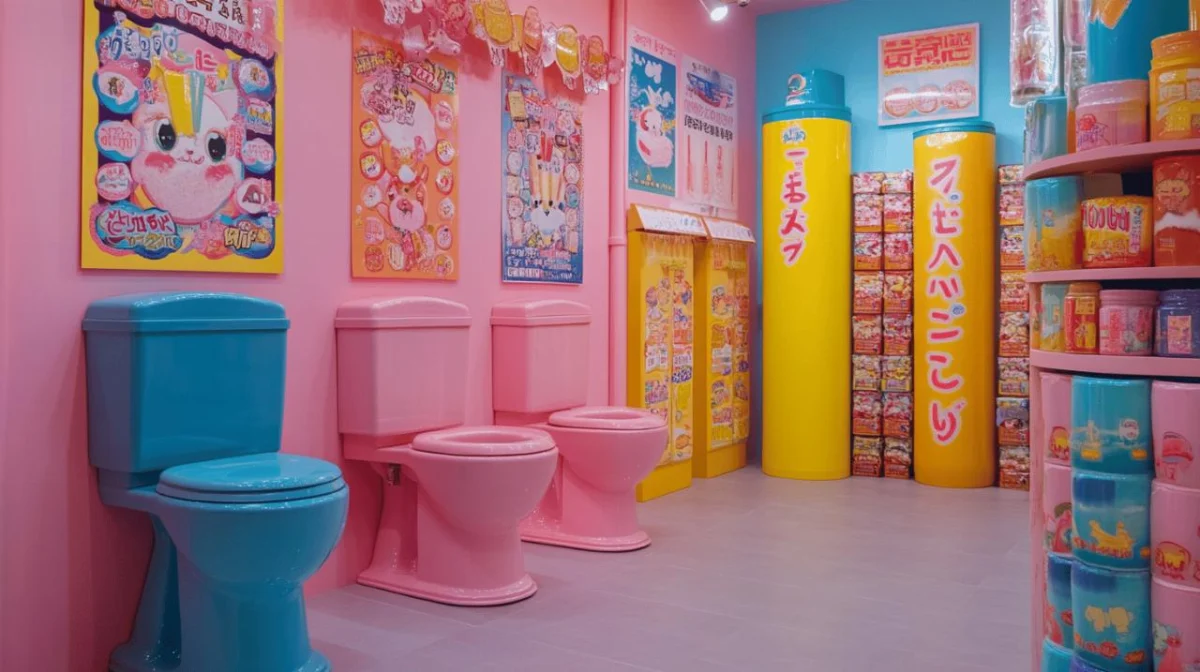
In the vast, hyper-creative landscape of Japanese confectionery, few products have managed to achieve the cult status of the Moko Moko Mokoletto. Often categorized by Western observers as a "WTF" product, this miniature toilet-shaped candy kit represents the pinnacle of Japan’s "edible entertainment" movement. By blending industrial design, chemistry, and humor, the Mokoletto transcended its humble roots to become a global social media sensation.
Main Facts: The Science and Spectacle of the Mokoletto
At its core, the Moko Moko Mokoletto is a DIY candy kit that defies traditional confectionery norms. Far from a standard bar of chocolate or a bag of gummies, it is an interactive experience. The kit arrives as a set of plastic components—a miniature, detailed toilet—that the consumer must assemble.
The "magic" occurs once the hardware is ready. The user pours a sachet of flavored powder into the "tank" of the toilet and adds water. A chemical reaction ensues, causing the mixture to bubble over into the toilet bowl, creating a thick, effervescent, and edible foam. The consumer then drinks or licks the resulting foam, which typically features fruit-forward, tangy flavors. It is a product that prioritizes the experience of the process over the nutritional value, positioning itself firmly within the "Dagashi" (inexpensive, whimsical snack) tradition.
A Chronology of a Cultural Export
The rise of the Mokoletto was not an overnight success, but a carefully curated ripple effect that began in the heart of Japan.
2013: The Japanese Launch
When Heart Corporation first released the Moko Moko Mokoletto in 2013, it was designed to appeal to the Japanese sensibility for "kawaii" (cute) and "kimo-kawaii" (gross-but-cute) aesthetics. Japanese convenience stores, known for their rapid inventory turnover, provided the perfect testing ground. The product was an immediate hit among younger demographics who sought novel items for school lunches or casual hangouts.
2014: The Western Digital "Shock"
By 2014, the product began to bleed into Western markets via import retailers. The visual impact of a miniature toilet emitting edible foam was perfect for the burgeoning era of YouTube unboxing videos and early viral social media. Western consumers, accustomed to standardized candy bars, were both baffled and delighted by the audacity of the product, cementing its status as an "Internet-famous" snack.
2015-Present: The Legacy Phase
Over the last decade, the Mokoletto has solidified its position as a staple in the "Fantaisyland" category of niche Japanese exports. It is now a permanent fixture in the catalogs of international candy importers, frequently appearing in subscription boxes that cater to anime and Japanese culture enthusiasts.
Supporting Data: The Digital Footprint
The success of the Moko Moko Mokoletto is inextricably linked to the rise of user-generated content. Unlike traditional marketing, where television spots drive sales, the Mokoletto relied on a grassroots digital ecosystem.
- Social Amplification: Blogs such as La Banane qui Parle and Un Loulou et une Poupette served as critical conduits for the Western discovery of the product. These early adopter platforms provided the detailed, step-by-step documentation required for curious international consumers to understand how to actually "eat" the product.
- Engagement Metrics: Data from these niche blogs revealed significant traffic spikes linked to Mokoletto reviews. For instance, specific articles dedicated to the "toilet candy" experience have reported thousands of unique visitors, proving that the novelty of the product acts as a powerful traffic driver.
- Community Building: The product fostered a unique "collection" culture. Because the kits come in various colors and limited-edition themes, consumers are encouraged to purchase multiple units. This gamification strategy has proven highly effective in maintaining long-term interest in a product that could otherwise be dismissed as a one-time novelty.
Official Perspectives and Industry Philosophy
While some critics might argue that the Moko Moko Mokoletto is a frivolous waste of plastic, manufacturers like Heart Corporation view it through the lens of "Shokugan"—toys that come with food.
In the Japanese confectionery market, the barrier between "snack" and "toy" is intentionally porous. Official statements from the industry often emphasize that the goal is to provide a "moment of levity" in a high-stress society. By turning the mundane act of eating into a DIY construction project, the company creates a shared social memory. For children, it is a game; for adults, it is a piece of pop-art irony.
Furthermore, the company has navigated cultural nuances with agility. By maintaining a high standard for the "foam" ingredients and ensuring the safety of the chemical reaction, they have avoided the pitfalls that often plague "gross-out" candy brands. They treat the product not as a joke, but as a legitimate feat of food engineering.
Implications: The Future of Edible Entertainment
The Moko Moko Mokoletto serves as a blueprint for the future of the global candy industry. As the world becomes more digitized, the demand for "Instagrammable" or "TikTok-ready" food experiences will only increase.
The Shift Toward Experiential Snacking
The success of this product signals a shift in consumer behavior. Modern consumers, particularly Gen Z and Alpha, are increasingly seeking products that offer an activity rather than just a flavor profile. The Mokoletto proves that if a brand can turn a product into a performance, the price point becomes secondary to the social capital gained by sharing the experience.
Cultural Exchange and Global Palates
The internationalization of Mokoletto has helped soften the perception of Japanese candy, moving it from "bizarre" to "essential cultural experience." It has opened the door for a wider array of Japanese DIY kits—such as sushi-making candy sets or miniature kitchen simulations—that require even more dexterity and engagement.
Marketing in the Post-Digital Age
The Mokoletto model demonstrates that brands no longer need to control the narrative. By providing a product that is inherently shareable, brands can rely on influencers and niche bloggers to do the heavy lifting. The "Fantaisyland" approach—categorizing products by the emotional reaction they provoke rather than just their flavor—is a strategy that mainstream candy giants are now beginning to replicate globally.
Conclusion
The Moko Moko Mokoletto is far more than a novelty item shaped like a bathroom fixture. It is a masterclass in modern marketing, a triumph of interactive design, and a reflection of a culture that refuses to take the act of eating too seriously.
As we look toward the future of the confectionery industry, the lessons provided by this miniature toilet are clear: to stand out in a saturated market, you must offer more than just sugar. You must offer a story, a process, and, above all, a reason to hit the "record" button. The Mokoletto may be small, but its impact on the way we interact with our food is undeniably large. Whether it is a fleeting fad or a permanent icon of modern design, the Moko Moko Mokoletto remains a testament to the fact that, in the world of play, there are no boundaries—not even in the bathroom.










No comments yet. Be the first to join the conversation!