Rifan Muazin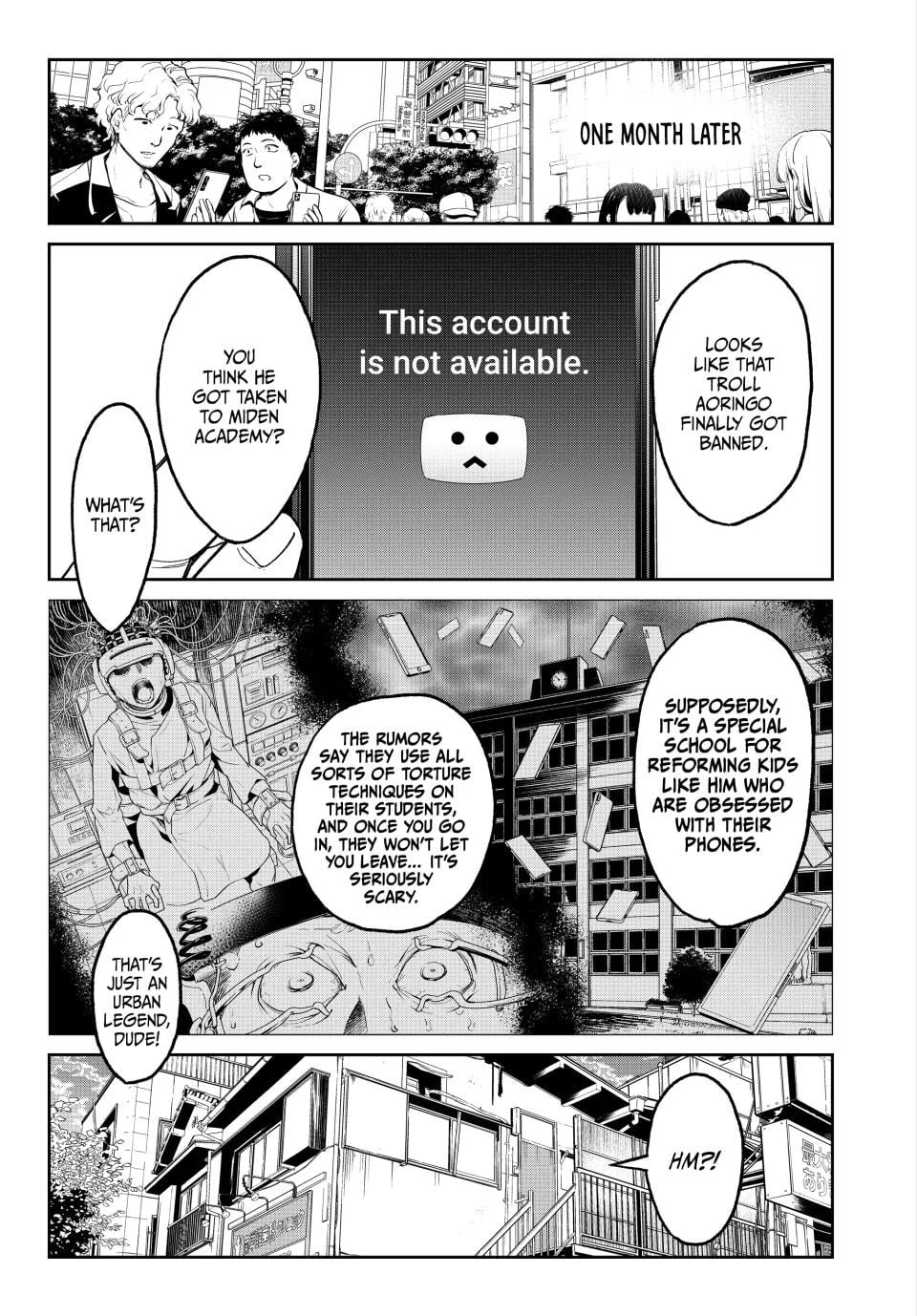
In the rapidly expanding global market for Japanese animation, the role of the localizer has transitioned from a behind-the-scenes technical necessity to a focal point of intense cultural and consumer scrutiny. The latest flashpoint in this ongoing debate is the English-language dub of Dead Account, a 2026 supernatural series produced by SynergySP. Despite a period of record growth and increased membership fees, Crunchyroll—the industry’s leading streaming platform—finds itself at the center of a growing controversy regarding its in-house localization practices.
Critics and fans alike have pointed to Dead Account as a primary example of "over-localization," a process where original Japanese dialogue is significantly rewritten to incorporate contemporary Western internet slang, often at the expense of the creator’s original intent and the story’s long-term shelf life.
Main Facts: The Core of the Contention
Dead Account, based on the manga by Shizumu Watanabe, is a modern reimagining of the exorcist genre. It centers on the students of Miden Academy, who utilize a smartphone-based power known as "cyberkinesis" to hunt "ghost accounts"—the social media profiles of the deceased that have been possessed by malevolent aberrations. Because the series is intrinsically tied to social media culture, it presents a unique challenge for translators: how to bridge the gap between Japanese digital vernacular and English-speaking internet trends.
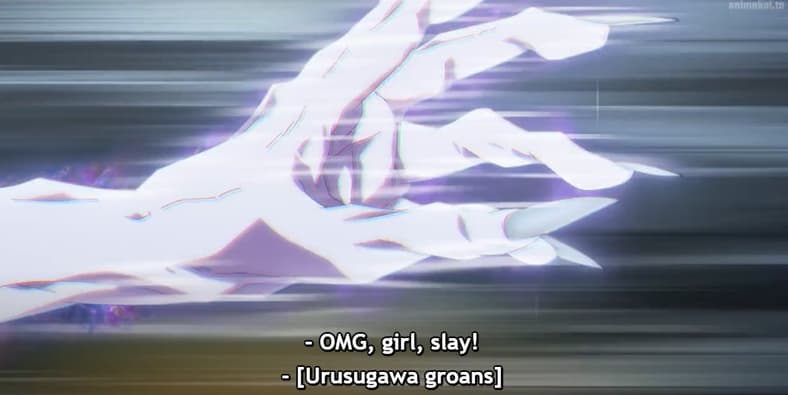
The controversy stems from the English dub’s departure from both the original Japanese scripts and the official English manga translation provided by Kodansha. While Crunchyroll’s own subtitled version remains largely faithful to the source material, the dubbed script—produced by its in-house team—replaces standard dialogue with "Zoomer" slang, including terms like "cope, seethe, and mald," "girlie-pop," "yassified," and "slay."
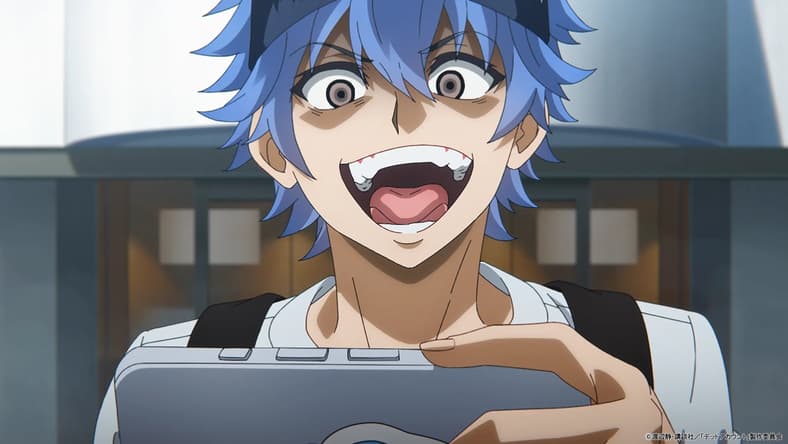
The discrepancy has reignited a fierce debate over editorial liberty in localization. Proponents of these changes argue they make the characters feel more "relatable" to a modern audience, while detractors argue that such localized "memes" date the material almost instantly and alienate viewers who prefer a direct translation of the author’s voice.
Chronology of the ‘Dead Account’ Localization Incident
1. The Source Material Baseline (2023)
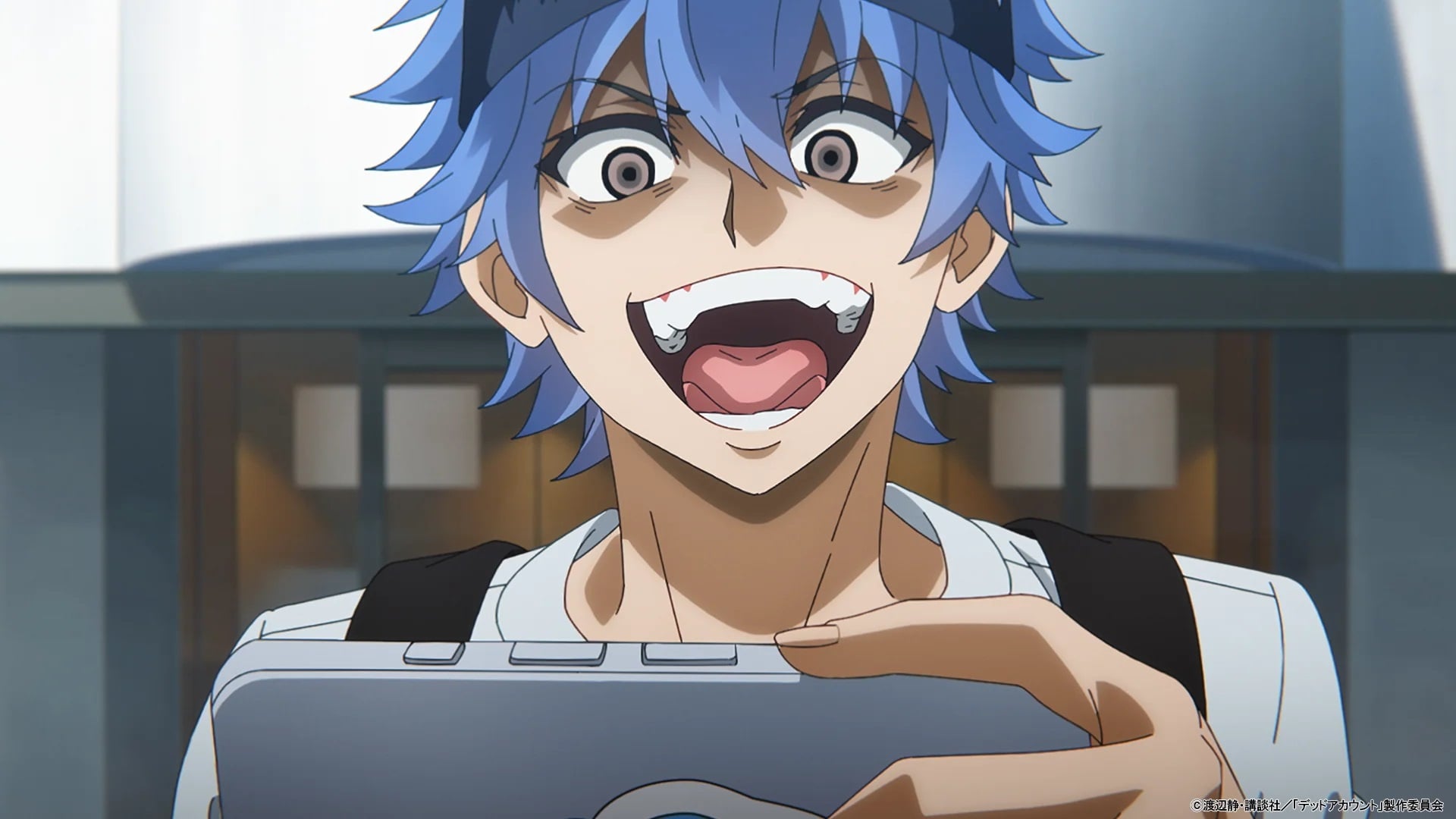
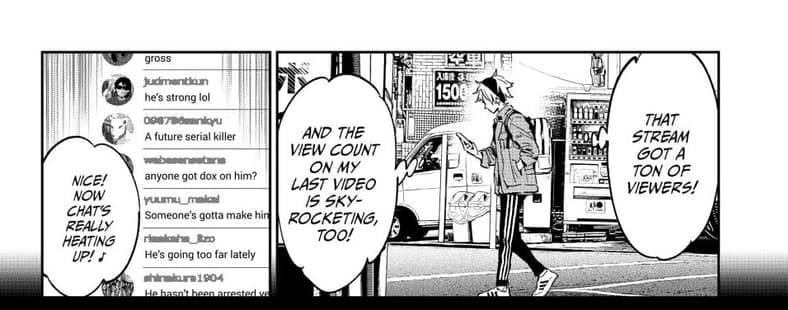
The foundation of the narrative was established in 2023 with the release of Shizumu Watanabe’s manga. Kodansha, the official English publisher, opted for a translation that captured the intensity of the "flamebaiter" culture without relying on ephemeral slang. For instance, the protagonist Soji Enishiro, a controversial "Mytuber," was depicted using aggressive but standard language to taunt his viewers, focusing on themes of "heat" and "rage."
2. The Anime Adaptation (2026)
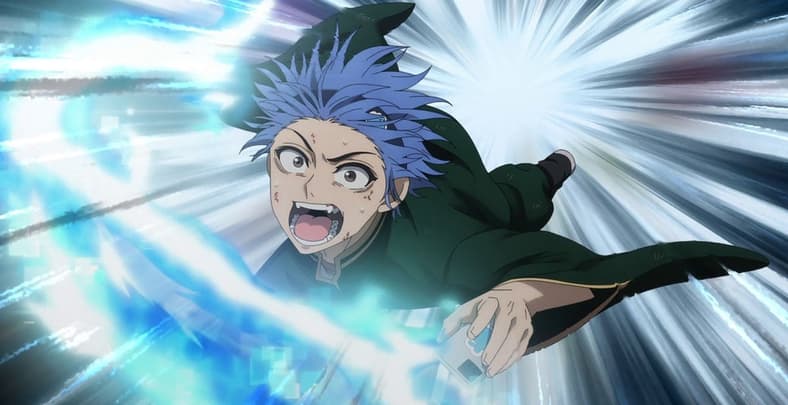
SynergySP’s anime adaptation premiered in 2026. As the episodes began to roll out on Crunchyroll, the platform provided two distinct English versions: a subtitled track (sub) and a dubbed track (dub).
3. The Premiere Discrepancy (Episode 1)
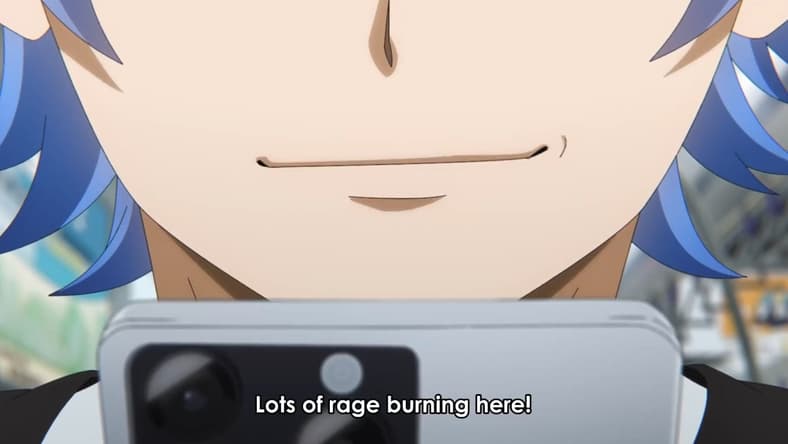
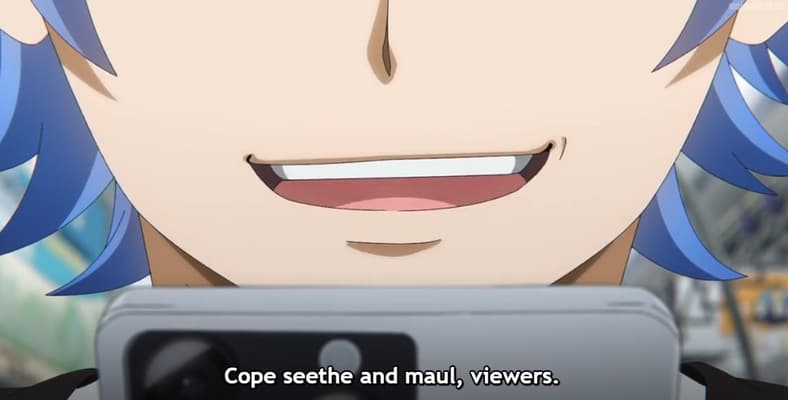
Upon the release of the first episode, "He’s a Flamebaiter," viewers noticed a stark difference. In the scene where Soji Enishiro celebrates a successful stream, the manga and the anime subtitles translated his line as, "Nice! Now chat’s really heating up!" or "Lots of rage burning here." However, the English dub replaced this with: "Cope, seethe, and mald, viewers!" This was the first indication that the dubbing team was taking a vastly different approach to the script than the subtitling team.
4. Escalation in Mid-Season (Episodes 4 & 5)
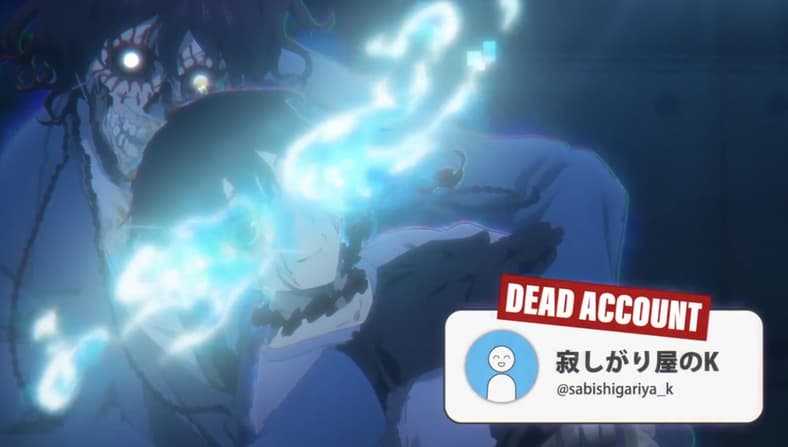
By the fourth and fifth episodes, the insertion of internet slang became more frequent and aggressive. Character dialogue involving a mid-level ghost account named Kirika-chan was entirely rewritten. Where the original text focused on a twisted obsession with photography and beauty, the dub introduced phrases such as "Don’t be jelly just ’cause I’m serving" and "hardcore yassified."
5. Community Backlash
By mid-2026, social media platforms and anime forums were flooded with side-by-side comparisons of the manga, the subtitles, and the dub. This led to a broader discussion regarding Crunchyroll’s quality control, particularly as these changes were made by an in-house team rather than an external vendor.
Supporting Data: Comparative Analysis of Script Deviations
To understand the scale of the rewriting, it is necessary to examine specific instances where the dub diverged from the established lore and tone of Watanabe’s work.
Case Study A: The Urban Legend Rewrite
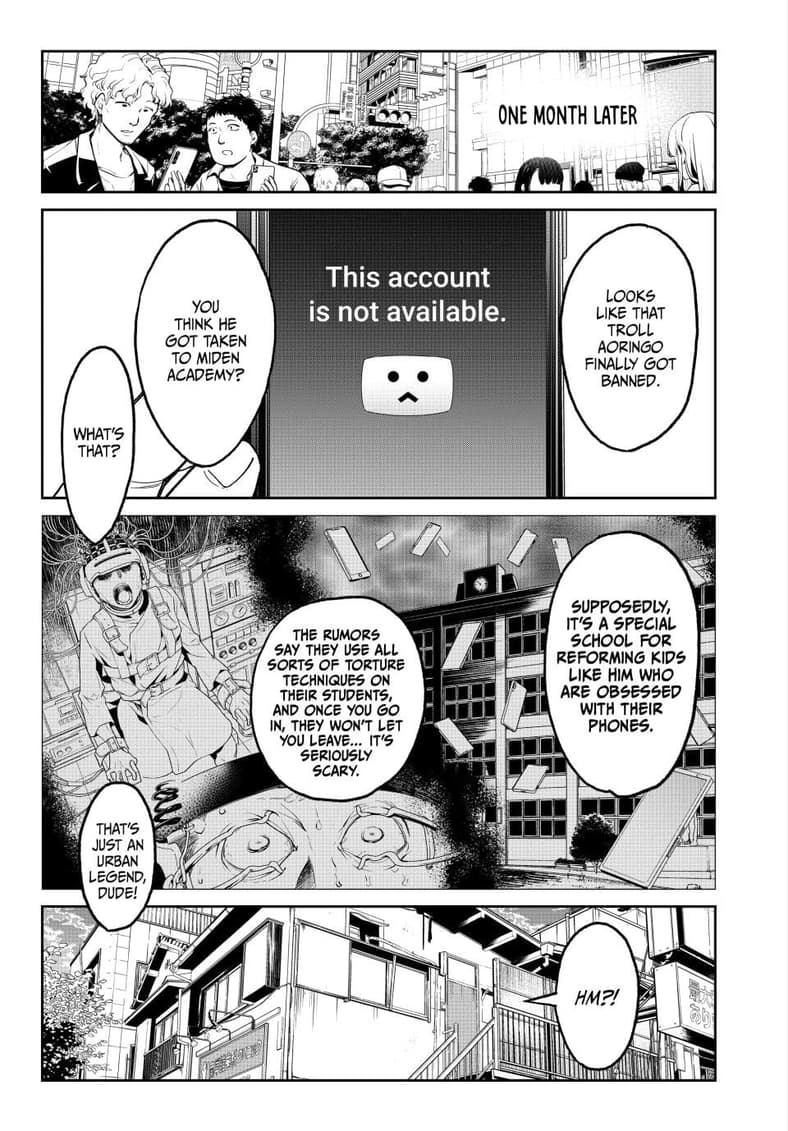
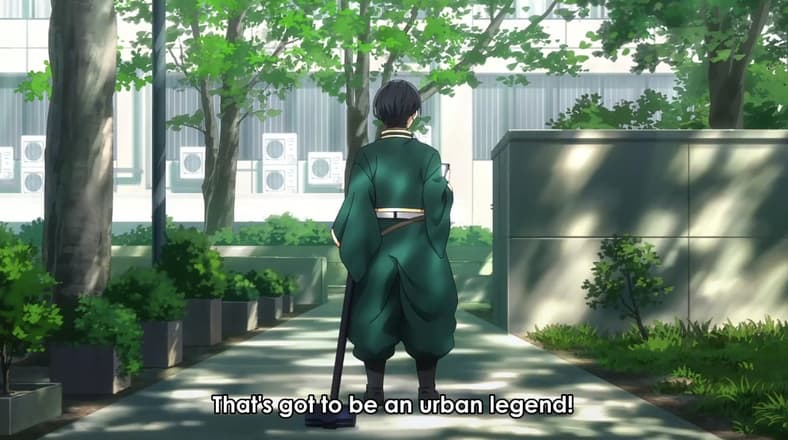
In Episode 1, a scene depicts a passerby discussing the mysterious Miden Academy.
- Manga (Kodansha): "That’s just an urban legend, dude!"
- Anime Subtitles (Crunchyroll): "That’s got to be an urban legend!"
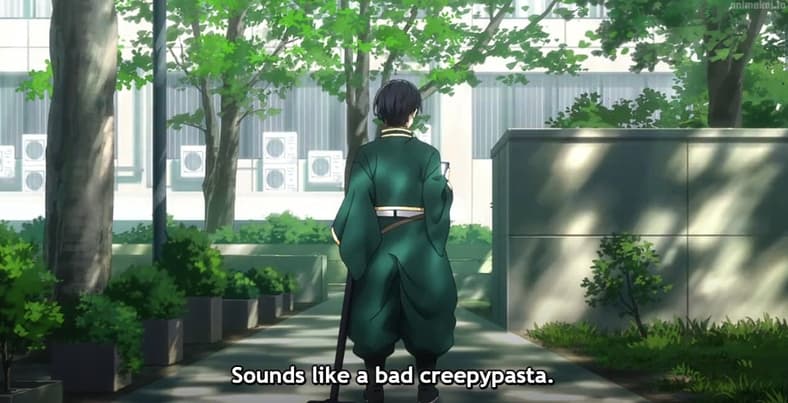
- English Dub (Crunchyroll): "Sounds like a bad creepypasta!"
While "creepypasta" is a term for internet horror stories, its usage here is considered anachronistic by some, as it replaces a universal term ("urban legend") with a specific, dated internet subculture term that does not exist in the Japanese context of the show.
Case Study B: The Kirika-chan Confrontation
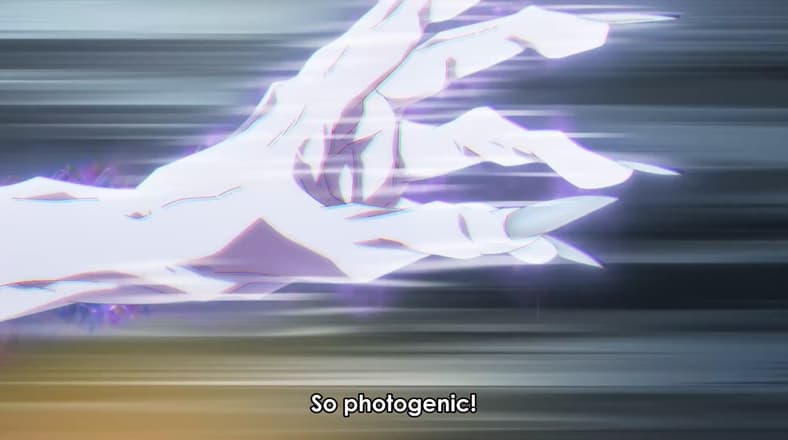
In Episode 4, the ghost account Kirika-chan attacks the characters. The original dialogue emphasizes her vanity and the literal "photogenic" nature of her curse.
- Manga Dialogue: "Who are you calling ugly?! Can’t you see how beautiful I am?!"
- Dub Dialogue: "That wasn’t very nice, was it? Don’t be jelly just ’cause I’m serving!"
The most jarring change occurred when Kirika-chan described her previous victims. The manga translation reads: "Even better than that time I customized a five-year-old girl!" The dub changed this to: "It’ll definitely top the one with that girlie-pop that I hardcore yassified before!" This change was criticized for trivializing a dark, horror-themed moment with comedic, trend-heavy language.
Case Study C: The Characterization of Yoimaru Azaki
In Episode 5, the veteran exorcist Yoimaru Azaki is introduced. In the original text, he is referred to with reverence as a "Living Legend." The dub, however, has the character Kiyomi Urusugawa remark that the title is "super cringe if you know the guy." This adds an layer of meta-commentary that was not present in the original character dynamic, effectively altering Urusugawa’s personality to fit a "cynical Zoomer" archetype.
Official Responses and Industry Standards
As of the current reporting, Crunchyroll has not issued a formal apology or a commitment to re-record the controversial lines. Historically, Crunchyroll and other major distributors like Netflix have defended localization choices by stating that "literal translations" often fail to capture the "energy" or "spirit" of a show for Western audiences.
However, the industry standard for localization is currently in a state of flux. While some localizers believe their job is to "punch up" the script to ensure it resonates with a specific demographic (in this case, Gen Z), others argue for "invisible" translation—where the goal is to make the viewer forget they are watching a translated work by staying as close to the original author’s intent as possible.
The internal disconnect at Crunchyroll is particularly noteworthy. The fact that the subtitling team and the dubbing team—both working for the same company—produced two wildly different scripts suggests a lack of centralized editorial oversight. This "siloed" approach to localization often results in the inconsistencies seen in Dead Account.
Implications for the Anime Industry
The controversy surrounding Dead Account has several long-term implications for the medium and its consumers.
1. The "Shelf-Life" Problem
One of the most significant criticisms of using hyper-current slang is that it dates the media. Terms like "yassified" or "mald" may be unrecognizable to audiences in five to ten years. By embedding these terms into the audio track, the dubbing team risks making the 2026 version of Dead Account a "time capsule" of 2020s internet culture rather than a timeless piece of fiction.
2. Erosion of Consumer Trust
Crunchyroll’s recent price hikes have led to an expectation of premium quality. When fans perceive that scripts are being "tampered with" or used as a vehicle for a localizer’s personal humor, it creates a rift between the service provider and the enthusiast community. This is exacerbated when the changes seem to mock the source material, as seen with the "super cringe" remark regarding the "Living Legend" title.
3. The Localization vs. Translation Debate
This incident serves as a primary exhibit in the ongoing "culture war" within the anime community. On one side are the "purists" who demand linguistic accuracy; on the other are "adaptors" who prioritize cultural resonance. The Dead Account situation suggests that the pendulum has swung so far toward "adaptation" that it has begun to distort the narrative’s original tone.
4. Impact on Future Licenses
Japanese production committees are becoming increasingly aware of how their properties are handled overseas. Significant deviations from the source material can lead to stricter oversight from Japanese rights holders, potentially slowing down the simulcast process or leading to more rigid contracts regarding how dialogue can be adapted.
Conclusion
The English dub of Dead Account represents a pivotal moment in anime localization. While the series’ theme of social media provided a convenient excuse for the inclusion of modern slang, the execution has left a significant portion of the audience feeling that the artistic integrity of Shizumu Watanabe’s work was compromised. As the industry continues to grow, the balance between making a show "accessible" and keeping it "authentic" remains the most challenging hurdle for localizers. For Crunchyroll, the lesson of Dead Account may be that while "slay" and "yassify" might trend on social media for a day, faithful storytelling is what endures for a lifetime.

 Azzam Bilal Chamdy
 Jia Lissa