Nila Kartika Wati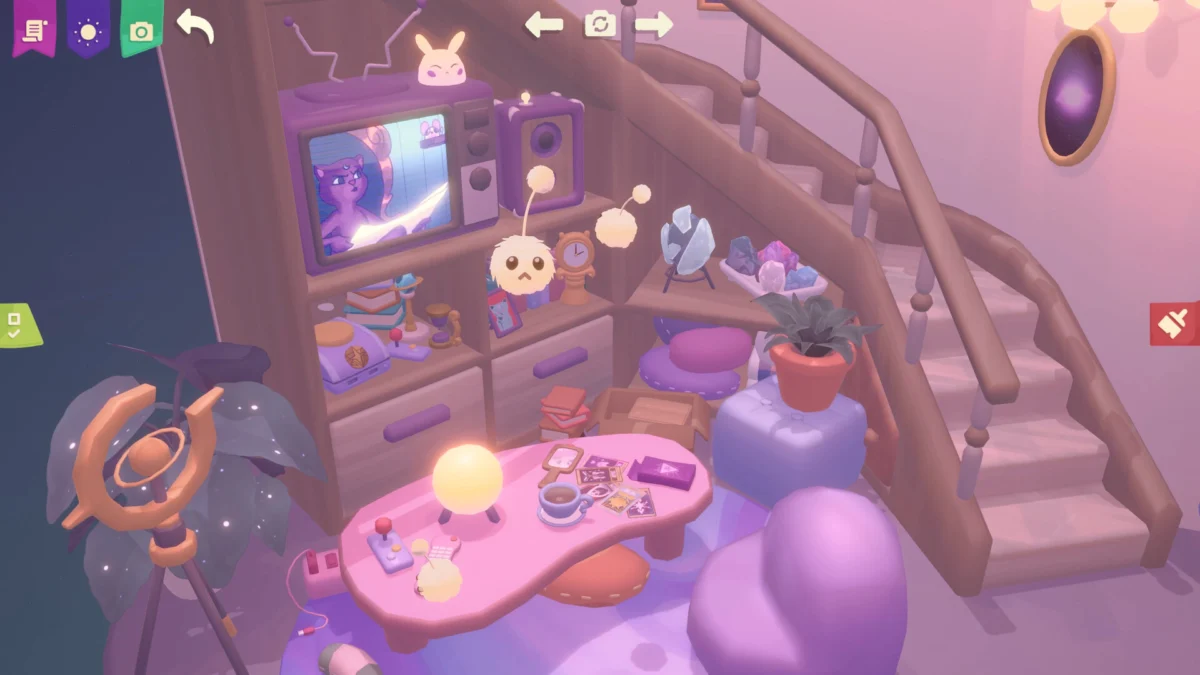
In the ever-expanding landscape of the “cozy game” genre, few titles manage to capture the serene satisfaction of organization quite like Design and Conjure. As a burgeoning sub-genre that emphasizes low-stakes exploration and tactile satisfaction, the “unpacking” sim has become a sanctuary for players looking to escape the high-octane pressure of competitive gaming. Design and Conjure takes this formula and injects it with a whimsical, sorcerous flair, inviting players to step into the shoes of a newly graduated witch tasked with turning a chaotic living space into a personalized magical sanctuary.
Main Facts: A Fresh Start for the Modern Witch
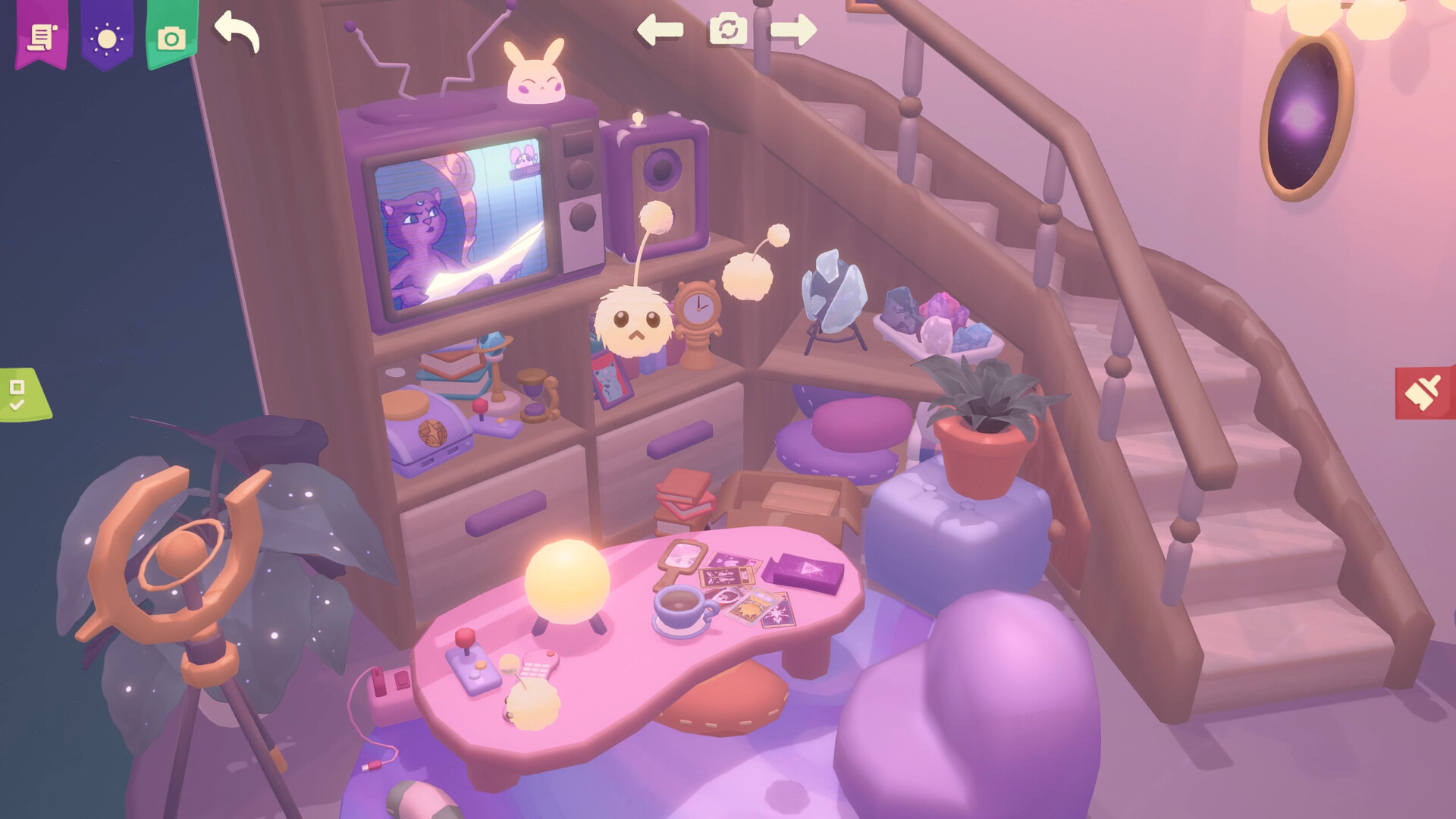
Design and Conjure is an upcoming puzzle-management title that tasks players with the delicate art of interior design and spatial organization. Following the protagonist’s graduation from a prestigious school of sorcery, the game centers on the universal, relatable experience of moving into a new home. Players are presented with boxes of belongings, a blank canvas of a room, and a magical familiar to keep them company.
The core gameplay loop involves unpacking boxes, rotating items to find their perfect placement, and adhering to specific organizational requirements provided by the game’s mission structure. However, it distinguishes itself from similar titles through its robust customization engine. Unlike static organizational games, Design and Conjure allows players to manipulate the color palettes of their items, ensuring that the room doesn’t just function according to the game’s rules, but also reflects the player’s personal aesthetic.
The game is currently in development by a dedicated team, with an anticipated release date of August 2026. For those eager to get a taste of this magical organization, a demo is currently available on Steam, offering a glimpse into the tranquil, low-stress environment that defines the full experience.
Chronology: The Journey from Concept to Cozy Phenomenon
The development of Design and Conjure mirrors the slow, methodical pace of the gameplay itself. While the concept of a “witch’s moving day” may seem straightforward, the path to the game’s current state has been marked by a focus on player comfort and mechanical fluidity.
The Incubation Period
The initial development phase focused on the physics of item placement. The team realized early on that the “cozy” label is often defined by the tactile nature of interaction—how an item feels when it is picked up, rotated, and snapped into place. By iterating on the controls, the developers ensured that the act of organizing was never a source of frustration.
The Prototype and Public Demo
As the game moved into its alpha stages, the focus shifted toward the “conjuring” aspect of the title. This was when the customization features—such as color-swapping furniture—were finalized. The public demo, released to provide a feedback loop for the developers, allowed the community to test the pacing of the puzzle requirements. Players found that the lack of timers or “fail states” created a meditative flow, reinforcing the developer’s intent to provide a stress-free environment.
Future Milestones
With the release slated for August 2026, the current roadmap involves polishing the narrative beats between levels and expanding the cosmetic options for the player’s home. The team is also refining the character model of Cosmo, the player’s cat familiar, to ensure his visual charm matches his personality as a companion throughout the journey.
Supporting Data: Understanding the Cozy Appeal
The rise of Design and Conjure fits within a larger trend in the gaming industry. According to market analysis of indie titles, games that emphasize “non-violent progression” and “creative agency” have seen a 30% increase in wishlist activity over the past three years.
Mechanical Breakdown
- Spatial Puzzling: The game uses a grid-based or free-form placement system that rewards precision. Players are often given a “to-do list” of requirements—such as placing specific herbs on a windowsill or arranging books by size—which provides a sense of accomplishment without the pressure of a ticking clock.
- Aesthetic Personalization: The color-shifting mechanic is a significant value-add. Data from playtesting suggests that players spend approximately 40% of their playtime experimenting with item aesthetics, suggesting that the “design” component of the title is just as critical as the “conjure” component.
- Audio-Visual Design: The inclusion of a player-controlled cassette interface for music allows the user to curate their own atmosphere. This level of environmental control is a staple of high-quality cozy games, allowing the music to act as an ambient companion to the puzzles.
The Role of the Familiar
Cosmo, the cat, serves as more than just a mascot. In narrative-driven puzzle games, having an NPC companion helps break up the monotony of tasks. The character acts as a sounding board, and his presence helps to anchor the player in the world, turning a solitary task into a shared experience.
Official Responses and Developer Philosophy
In discussions surrounding the development, the creative leads behind Design and Conjure have emphasized the importance of “intentional slowness.” They argue that in a world where many games demand lightning-fast reflexes and constant multitasking, the act of simply arranging a room is a radical, restorative choice.
The developers have noted that the feedback from the demo has been overwhelmingly positive regarding the game’s difficulty curve. By removing the threat of failure, they have enabled a broader demographic of players—ranging from casual enthusiasts to seasoned gamers—to enjoy the experience at their own pace. The team remains committed to the idea that the game should act as a “digital safe space,” where the primary challenge is not overcoming an enemy, but overcoming the clutter of a new, unorganized life.
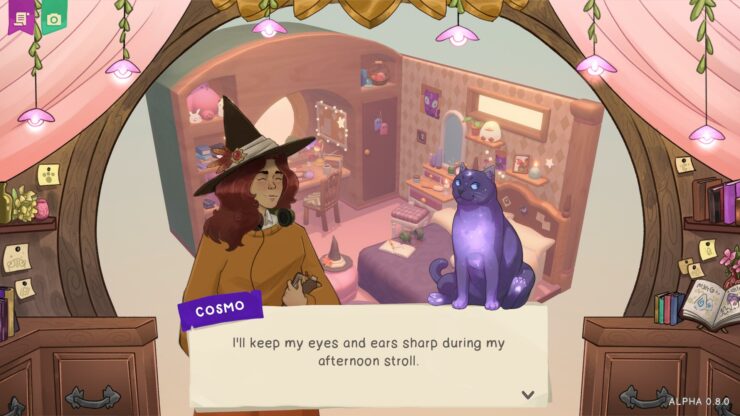
Regarding the customization features, the developers expressed a desire to see how players use the color-swapping tools to tell their own stories. They believe that by giving players the power to alter the environment, the room becomes a reflection of the player’s own journey through the game.
Implications: The Future of the Cozy Genre
The success of titles like Design and Conjure has significant implications for the indie gaming market. It demonstrates that there is a sustainable, passionate audience for games that prioritize emotional well-being over high-stakes competition.
Shifts in Game Design
This shift toward "low-stakes" design is forcing larger studios to take notice. We are seeing a move away from the “grind” culture toward systems that value the player’s time and mental health. Design and Conjure proves that you do not need complex combat mechanics or massive open worlds to create a compelling, immersive experience.
The Power of Niche Storytelling
By narrowing the scope of the story—focusing on a single character, their cat, and their new apartment—the game achieves a level of intimacy that many AAA titles fail to capture. It suggests that the future of indie development lies in these focused, atmospheric narratives. As the game prepares for its August 2026 launch, it stands as a testament to the idea that smaller, more thoughtful projects can hold their own in a crowded marketplace.
Final Thoughts
As we await the official release of Design and Conjure, the demo serves as a perfect invitation to slow down. Whether you are a fan of interior design, a lover of all things witchy, or simply someone looking for a quiet moment at the end of a long day, this game promises to be a standout addition to the library of cozy gaming. It is a reminder that sometimes, the most rewarding journey isn’t the one that takes you across a vast map, but the one that helps you unpack your life and find a place for everything—even if that "everything" includes a magical cat with a penchant for mischief.
For those interested in following the development or securing their copy, the game is currently available for wishlisting on Steam, providing a direct link to the developers and ensuring you are among the first to step into this charming, magical, and impeccably organized world.


 Nana
Nana
 Ammar Sabilarrohman