Reynand Wu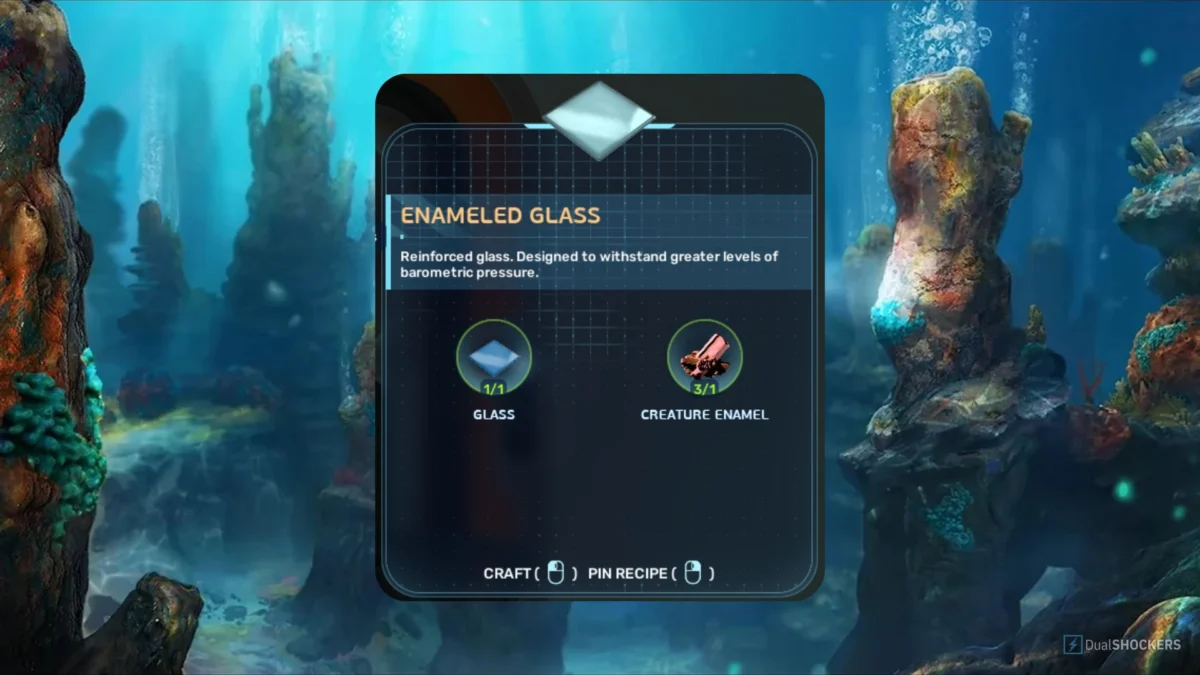
Introduction: A New Era for Resource Gathering
For those who braved the depths of the original Subnautica, the mere mention of "Stalker Teeth" is enough to trigger a collective sigh of frustration. The tedious process of baiting territorial predators, waiting for them to pick up metal salvage, and praying that the resulting drops didn’t succumb to the game’s geometry by clipping through the seafloor remains one of the most infamous hurdles of the early survival experience.
With the launch of Subnautica 2, developer Unknown Worlds Entertainment has clearly listened to the community. The game has moved away from the unreliable RNG (Random Number Generation) of creature-based drops for essential crafting components. In its place, the developers have introduced "Creature Enamel," a vital resource that can be harvested through active gameplay rather than passive waiting. This shift not only streamlines the player experience but also integrates resource gathering into the game’s broader exploration mechanics.
Main Facts: What is Creature Enamel?
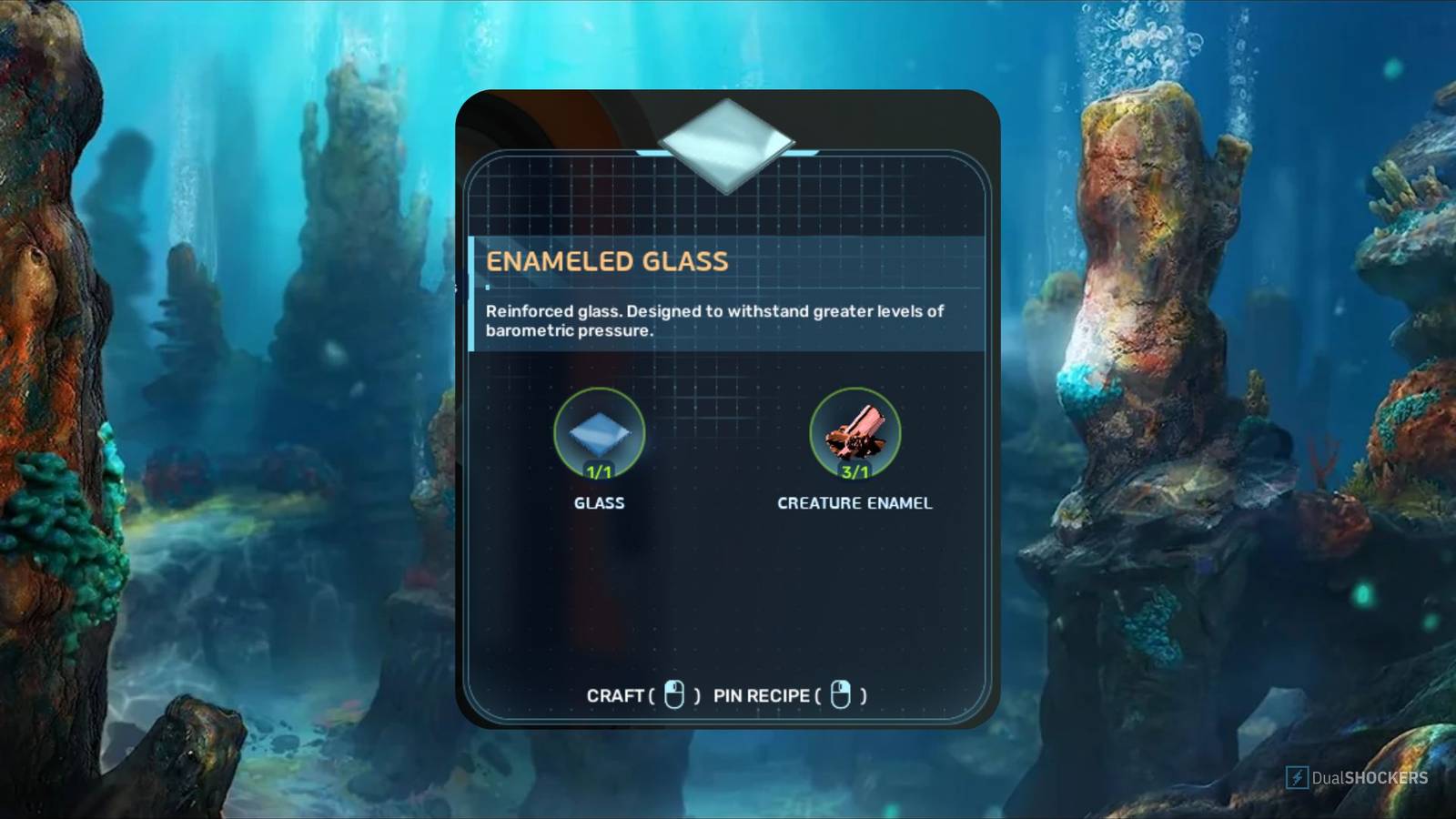
Creature Enamel is a specialized crafting material introduced in Subnautica 2. Unlike the volatile and scarce resources of its predecessor, Enamel is categorized as a semi-rare harvestable node. It is primarily used to craft Enameled Glass—a cornerstone component for high-tier vehicle upgrades and advanced habitat modules.
The Shift in Design Philosophy
The transition from the Stalker Tooth mechanic to the current Enamel node system represents a maturation of the Subnautica gameplay loop. By moving from a "wait-and-watch" model to a "locate-and-mine" model, Unknown Worlds has prioritized player agency. Players are no longer forced to linger in dangerous biomes waiting for the AI to perform a specific action; they are instead encouraged to explore, upgrade their tools, and seek out specific environmental markers to progress.

Chronology: The Evolution of Survival Mechanics
To understand why the introduction of Creature Enamel is such a significant quality-of-life improvement, we must look at the progression of the series:
- 2018 (Subnautica): Players relied on biological drops. The Stalker Tooth required players to drop Metal Salvage in Kelp Forests and hope the Stalker’s bite animation would generate the item. It was prone to physics bugs and environmental glitches.
- 2021 (Below Zero): The series experimented with more direct harvesting but still relied heavily on creature behavior and specific, often dangerous, biomes for late-game materials.
- 2026 (Subnautica 2): The current iteration introduces environmental nodes—distinct physical structures in the world that yield high-value materials when interacted with, reducing the reliance on fickle AI behavior.
This progression marks a pivot toward a more structured, rewarding exploration loop that respects the player’s time while maintaining the high-stakes atmosphere that the franchise is known for.
Supporting Data: Finding the Enamel
While Creature Enamel is significantly easier to acquire than Stalker Teeth, it remains a mid-to-late-game resource. Players cannot expect to find it in the shallows; it requires venturing into more hazardous, high-pressure environments.
Locating the Resource
The primary habitat for Creature Enamel nodes is a specific mountainous region located directly south of the Alien Ruins. Navigating here requires caution, as the terrain is unforgiving and the local fauna is notably more aggressive than in the starting zones.
- Reference Point: Head southwest of the main Axum Turbine.
- Environmental Markers: The area is easily identified by its dense population of large, purple-hued flora.
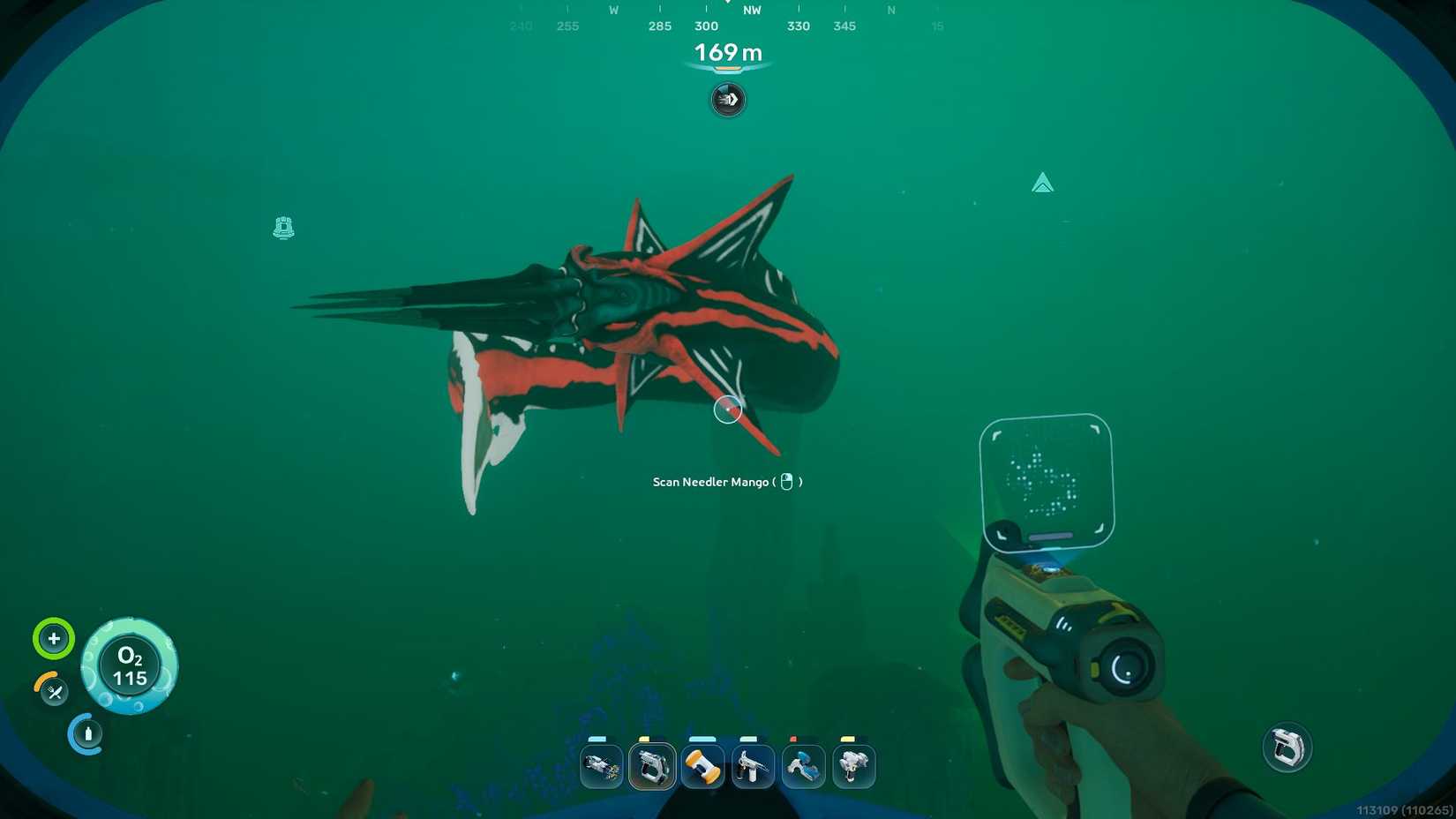
- The Threat: The area is heavily patrolled by "Needler Mangoes." These creatures possess a long-range defensive mechanism: they fire high-pressure jets of water capable of disorienting the player and damaging equipment.
- Tactical Advice: Players should prioritize movement. The Needler’s water jets can be dodged with a well-timed dash maneuver. Do not attempt to stand your ground until you have established a defensive position or cleared the immediate area.
Extraction Techniques
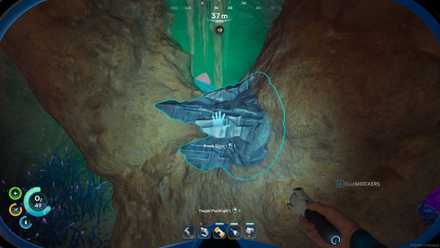
The nodes themselves look like greenish, calcified clumps embedded with bone-like protrusions. Many players initially mistake these for scenery. To harvest them, you must employ either the Sonic Resonator or the Feedback Resonator. These tools provide the necessary energy to fracture the node, releasing the Enamel. A single node typically yields multiple pieces, making a single trip to this mountain range sufficient to stock up for several major upgrades.
Official Responses and Developer Intent
While Unknown Worlds Entertainment has remained characteristically quiet regarding specific "patch note" lore, the design choices in Subnautica 2 reflect a commitment to Unreal Engine 5’s capabilities. By using environmental nodes, the developers can better manage world-state stability.
In a recent dev-log, the team mentioned that the transition to UE5 allowed for more "persistent and reliable" world interactions. "We wanted to ensure that when a player sets out to find a material, their success is dictated by their own curiosity and preparation, not by a physics calculation or a creature’s decision to drop an item," noted a lead designer. This shift effectively eliminates the "void-dropping" frustration that plagued the original title.
Implications: Crafting the Future
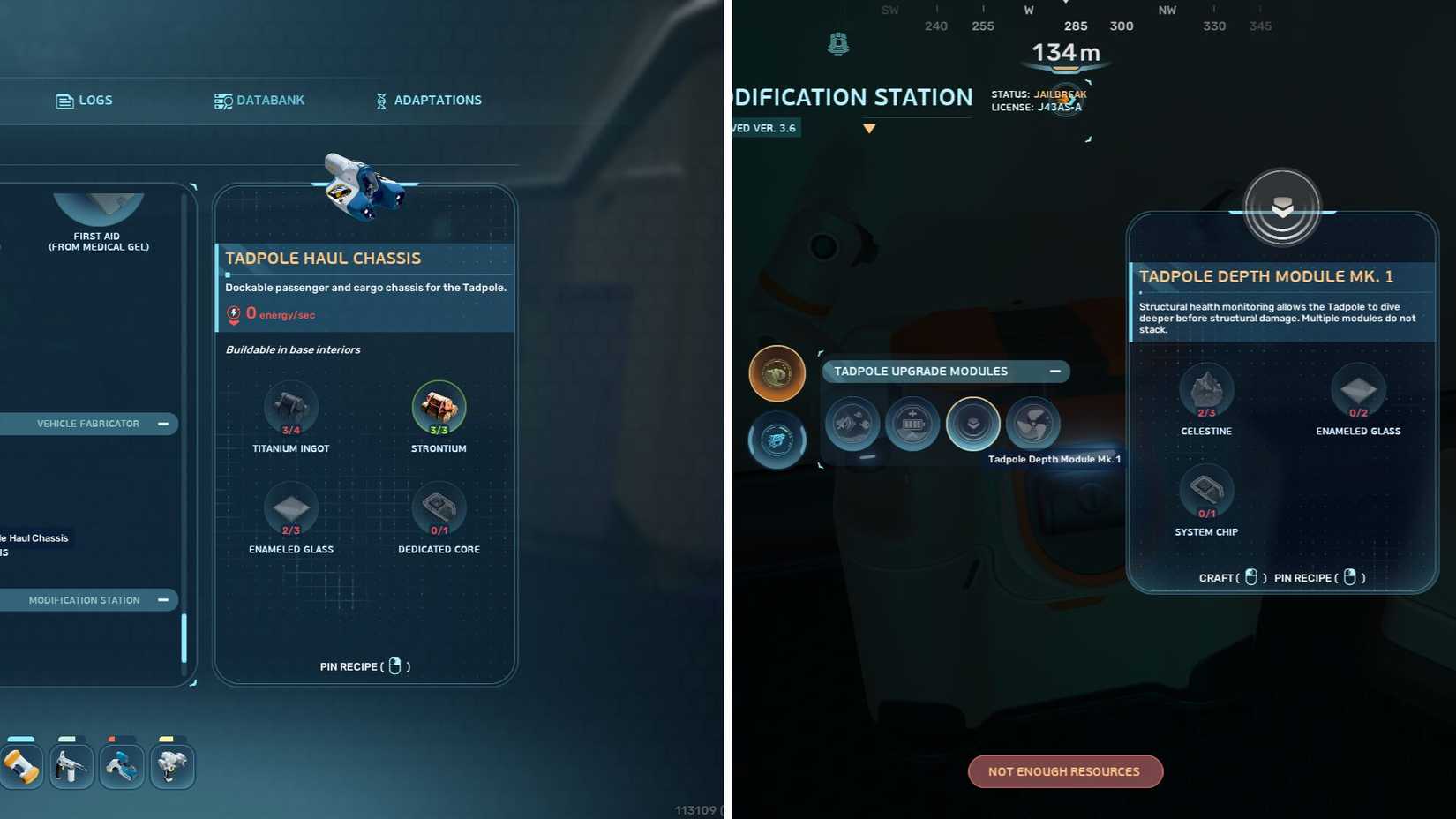
Creature Enamel is not merely a component; it is a gateway to the late-game experience. Once you have acquired the Enamel, you must head to a Fabricator to combine it with Glass. The resulting Enameled Glass is essential for several critical systems.
Vehicle and Equipment Upgrades
- Tadpole Depth Module MK.1: By utilizing the Modification Station, you can pair Enameled Glass with Celestine and a System Chip. This increases the Tadpole’s crush depth from 250m to 450m. This is not optional for players wishing to explore the eastern deep-sea trenches.
- Tadpole Haul Chassis: For those who prioritize logistics over speed, the Haul Chassis provides an additional full cargo inventory. Note that this carries a penalty to speed and maneuverability, making it a situational upgrade.
- Advanced Research Tools: The Bioscanner and the Feedback Resonator—two tools required for the final objective of the Early Access build—both demand Enameled Glass. Without these, the player cannot interact with the Angel Comb or repair the Turbine, effectively halting game progression.
The Economic Impact on Gameplay
The requirement for Enameled Glass creates a "bottleneck" that forces players to engage with the game’s danger zones. This is a deliberate pacing mechanism. By requiring players to brave the Needler-infested mountain range, the game ensures that you are adequately equipped and skilled enough to handle the challenges that await in the deeper, more mysterious parts of the map.
Conclusion: A More Satisfying Loop
The introduction of Creature Enamel is a masterclass in refining a survival loop without sacrificing the tension that makes Subnautica special. By replacing unpredictable RNG drops with tangible, explorable resource nodes, Subnautica 2 allows players to focus on what the game does best: exploration, discovery, and the thrill of pushing into the unknown.
For the veteran survivor, this change is a breath of fresh air. For the newcomer, it provides a clear, logical path for character progression. As you prepare your Tadpole and set your coordinates for the Alien Ruins, remember that the ocean is as dangerous as it is beautiful—but at least now, when you find the resources you need, they’ll stay right where you left them.
Quick Reference: Progression Checklist
- Tier 1: Establish basic survival and reach the Axum Turbine.
- Tier 2: Obtain the Sonic or Feedback Resonator.
- Tier 3: Navigate to the mountain range south of the Alien Ruins.
- Tier 4: Mine Creature Enamel from greenish, bone-embedded nodes.
- Tier 5: Fabricate Enameled Glass and head to the Modification Station for final gear upgrades.
Subnautica 2 is currently available in Early Access on PC and Xbox, powered by the technical prowess of Unreal Engine 5.


 Pevita Pearce
 Lina Irawan