

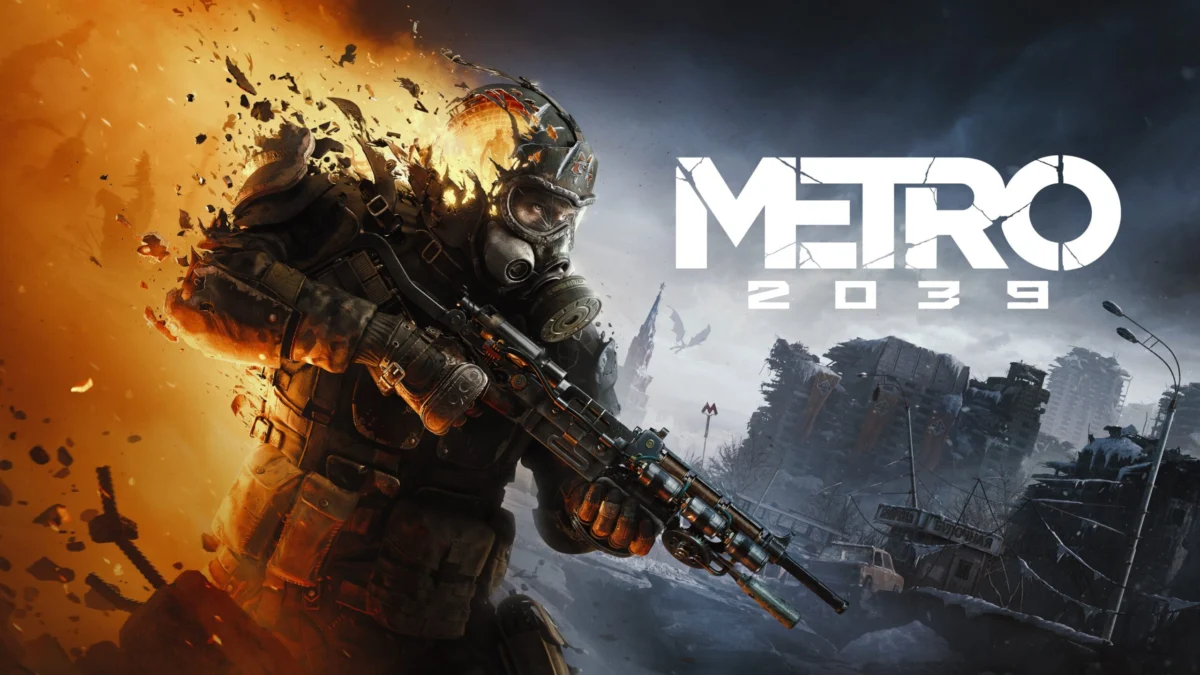
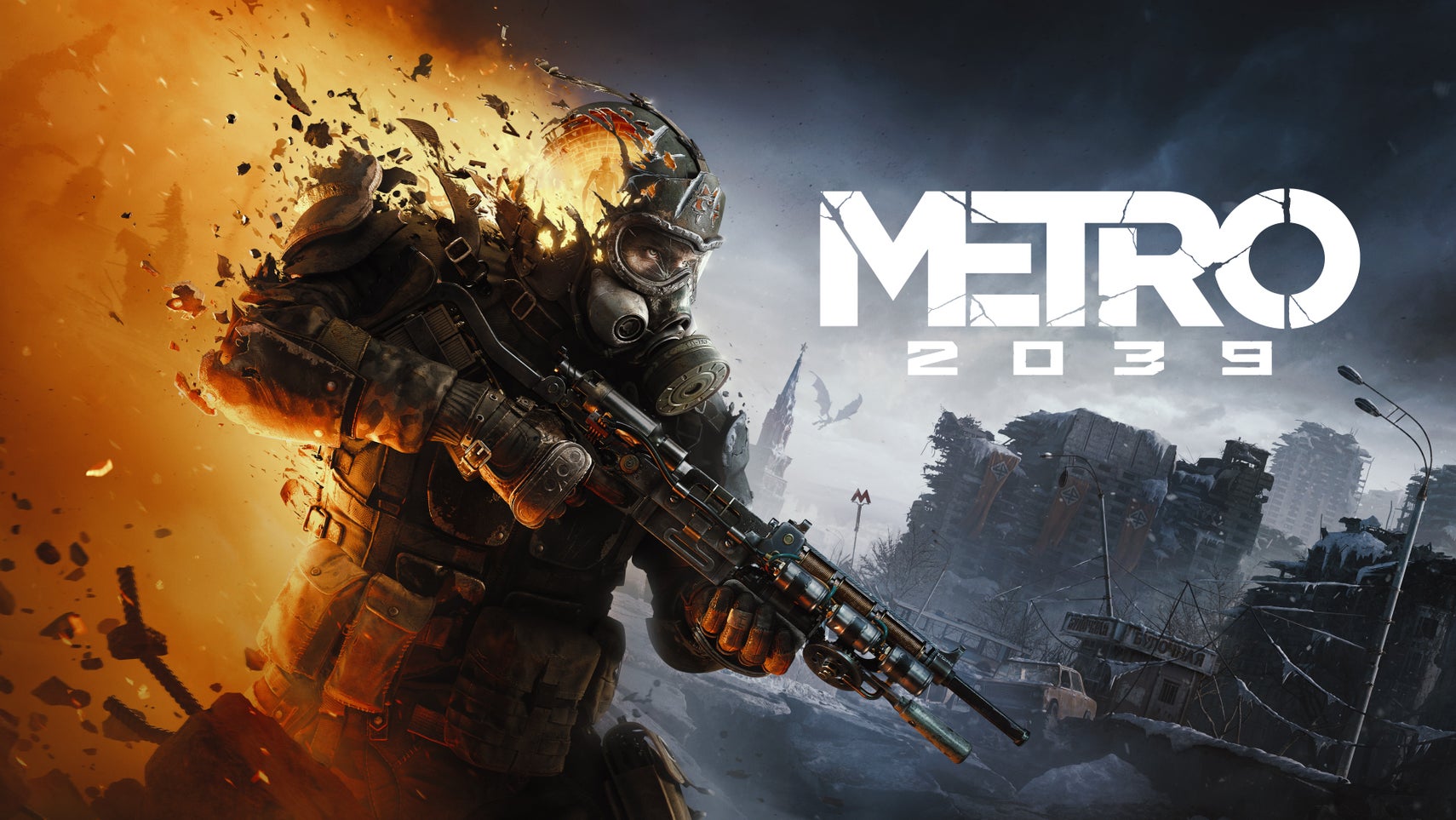
After a five-year hiatus following the critically acclaimed Metro Exodus, 4A Games has finally pulled back the curtain on the next chapter of its seminal post-apocalyptic franchise. Metro 2039 marks a definitive return to the roots of the series, trading the expansive, semi-open-world landscapes of the surface for the suffocating, claustrophobic, and profoundly atmospheric tunnels of the Moscow Metro.
The announcement, accompanied by a chilling reveal trailer, confirms that the developer is leaning into the psychological horror and moral complexity that defined the original Metro 2033 and Metro: Last Light. As the studio navigates the dual challenges of global industry shifts and the profound personal toll of the ongoing conflict in Ukraine, Metro 2039 promises to be the most intimate—and perhaps the most harrowing—entry yet.
The Core Narrative: A Descent into the Dark
The Metro franchise has always been defined by its juxtaposition of supernatural dread and the mundane horrors of humanity’s remnants. Metro 2039 pivots back to this confined, subterranean environment. By shifting the focus away from the sprawling vistas of the surface, 4A Games aims to recapture the sense of vulnerability that made the earlier titles resonate with players.
Central to this new entry is a significant structural shift in storytelling: for the first time in the series’ history, the protagonist will be fully voiced. This change is designed to deepen the player’s connection to the character and provide a more visceral perspective on the psychological trauma inherent in the Metro’s harsh existence.
The narrative is being co-written by series creator Dmitry Glukhovsky, whose return ensures that the philosophical underpinnings of the saga remain intact. The plot centers on the rise of "Novoreich," a unified authoritarian faction birthed from the remnants of the Metro’s disparate groups. Led by a former Spartan ranger, this faction claims to offer a singular path to salvation, but as is typical for the Metro universe, the "salvation" comes at a staggering moral cost.
Chronology: From Exodus to 2039
To understand the significance of Metro 2039, one must look back at the developmental and narrative timeline of the franchise:
- 2010: The release of Metro 2033 introduces global audiences to the claustrophobic tunnels of post-nuclear Moscow.
- 2013: Metro: Last Light expands the lore, focusing on the fragile peace between underground factions.
- 2019: Metro Exodus arrives, breaking the formula by sending Artyom and his crew across the surface of a ravaged Russia in a semi-open-world format.
- 2020–2022: 4A Games faces unprecedented adversity. The COVID-19 pandemic forces a shift in remote operations, followed by the harrowing reality of the Russian invasion of Ukraine in 2022, which saw staff members displaced and the studio’s operations profoundly impacted.
- 2024: After years of development under duress, Metro 2039 is officially unveiled, representing a convergence of the series’ origins and the lived experiences of a team hardened by conflict.
Supporting Data: Technical Evolution and Engine Prowess
While the game seeks to revisit the "classic" feel of the series, the technical framework is anything but dated. 4A Games remains one of the few studios to commit to proprietary engine development, eschewing industry-standard tools like Unreal Engine in favor of the 4A Engine.
For Metro 2039, the engine has undergone a massive overhaul. Ray tracing, which was once a modular addition, is now a core component of the rendering pipeline. The studio has re-engineered its lighting and shadow calculations to be more efficient, allowing for highly dense, "lived-in" environments that maintain high performance on modern hardware (PC, PlayStation 5, and Xbox Series X/S).
The focus on environmental storytelling remains paramount. The team has emphasized that the game’s "clutter"—the debris, the makeshift barricades, and the remnants of lost lives—is designed to be physically reactive and narratively dense, ensuring that every corner of the tunnels feels like a place where history has left its mark.
Official Responses and the Ukrainian Perspective
The shadow of the ongoing war in Ukraine looms large over the development of Metro 2039. In a statement released alongside the trailer, the developers noted that the game’s themes have evolved significantly since the project’s inception.

"The team’s Ukrainian perspective is molded into the narrative," the studio stated. "It more prominently represents the toll the events of the last several years have taken on members of the team, their families, and communities."
This is not merely a marketing sentiment; it is a reflection of the studio’s identity. With a majority of its workforce based in Kyiv, 4A Games has had to balance the creative demands of a AAA project with the reality of living in a country under siege. The "compromised morality" of the post-war society in Metro 2039 is described by the writers as a mirror to the complexities of current global events, where the line between survival and complicity becomes increasingly blurred.
Implications: The Future of the Franchise
The announcement of Metro 2039 has significant implications for the gaming industry at large:
1. The Power of Choice
By emphasizing "choice and consequence," the developers are signaling a move toward more player-driven narrative outcomes. In previous entries, while choices mattered, the path was relatively linear. Metro 2039 appears to be leaning into an RPG-adjacent philosophy, where the player’s moral alignment dictates not just the ending, but the social landscape of the tunnels themselves.
2. A Rejection of Open-World Fatigue
There is a growing sentiment in the industry that the "bigger is better" approach to open-world design has reached a point of diminishing returns. By returning to the tight, linear, and atmospheric corridors of the Metro, 4A Games is making a bold statement: immersion is not defined by square mileage, but by density, detail, and tone.

3. Studio Resilience
The ability of 4A Games to deliver a high-fidelity, AAA product while their home country is at war is a testament to the resilience of the Ukrainian game development sector. Metro 2039 serves as a cultural artifact—a piece of media that carries the weight of its creators’ reality.
Conclusion
Metro 2039 is set to launch this winter, providing a bleak, reflective, and technologically impressive conclusion to what has been a long and arduous development cycle. As players prepare to descend once more into the Moscow Metro, they will find more than just mutants and radiation; they will find a world that feels increasingly like a reflection of our own.
With its combination of refined, ray-traced visuals, a deeper focus on player agency, and a narrative grounded in the genuine, lived experiences of its creators, Metro 2039 is positioned to be a landmark title for 4A Games. Whether the player chooses the path of the Novoreich or struggles to maintain their humanity in the dark, the game promises to be an unforgettable journey into the heart of the apocalypse.
As the industry watches, the question remains: when the doors to the Metro open this winter, will the light at the end of the tunnel be a salvation, or merely another train heading into the dark? Only time—and the choices made in the tunnels—will tell.











No comments yet. Be the first to join the conversation!