Sagoh
Sagoh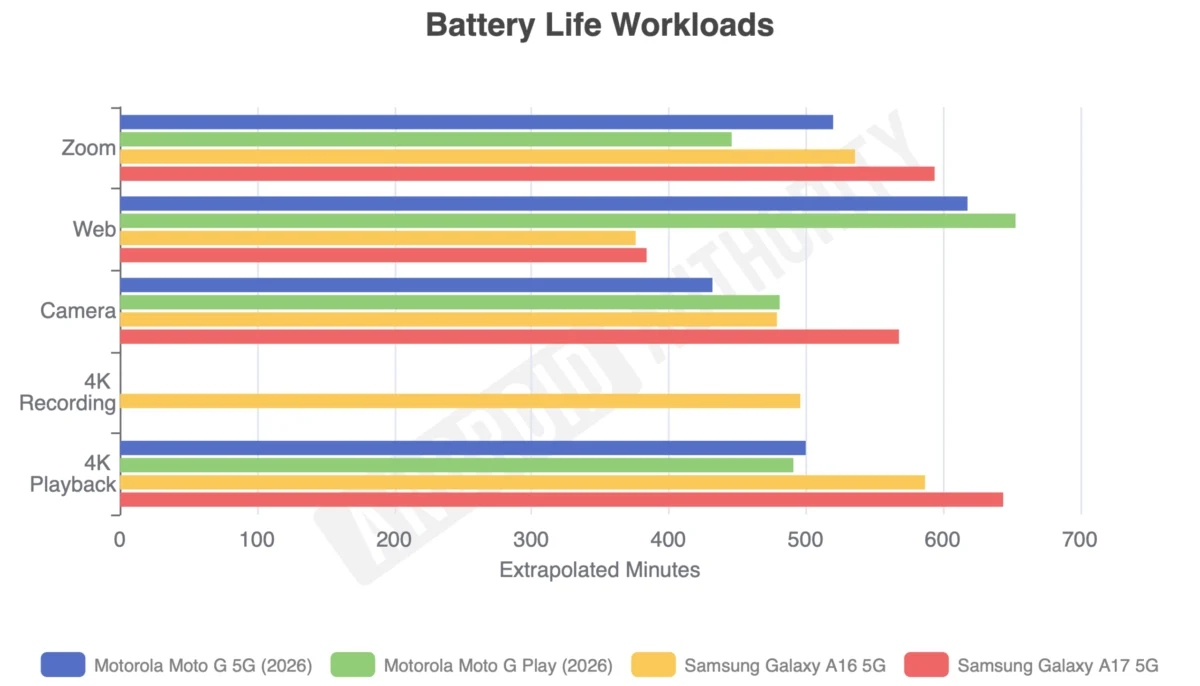
In the fast-paced ecosystem of mobile technology, the entry-level segment is often where manufacturers cut the deepest. For years, Samsung’s Galaxy A series stood as the undisputed champion of this tier—a reliable, feature-rich bridge between basic utility and the premium experience of the S-series. However, as the 2026 market landscape shifts, the arrival of the Samsung Galaxy A17 5G raises a pressing question: Can a legacy of software support and brand recognition overcome a hardware platform that is effectively standing still?
The Galaxy A17 5G enters the market at an aggressive $199.99, promising the long-term viability that cheap Android phones often lack. Yet, beneath its sleek exterior and familiar design language, the device struggles to justify its existence against a rising tide of more capable, albeit less established, competition.
Main Facts: The Anatomy of a Budget Compromise
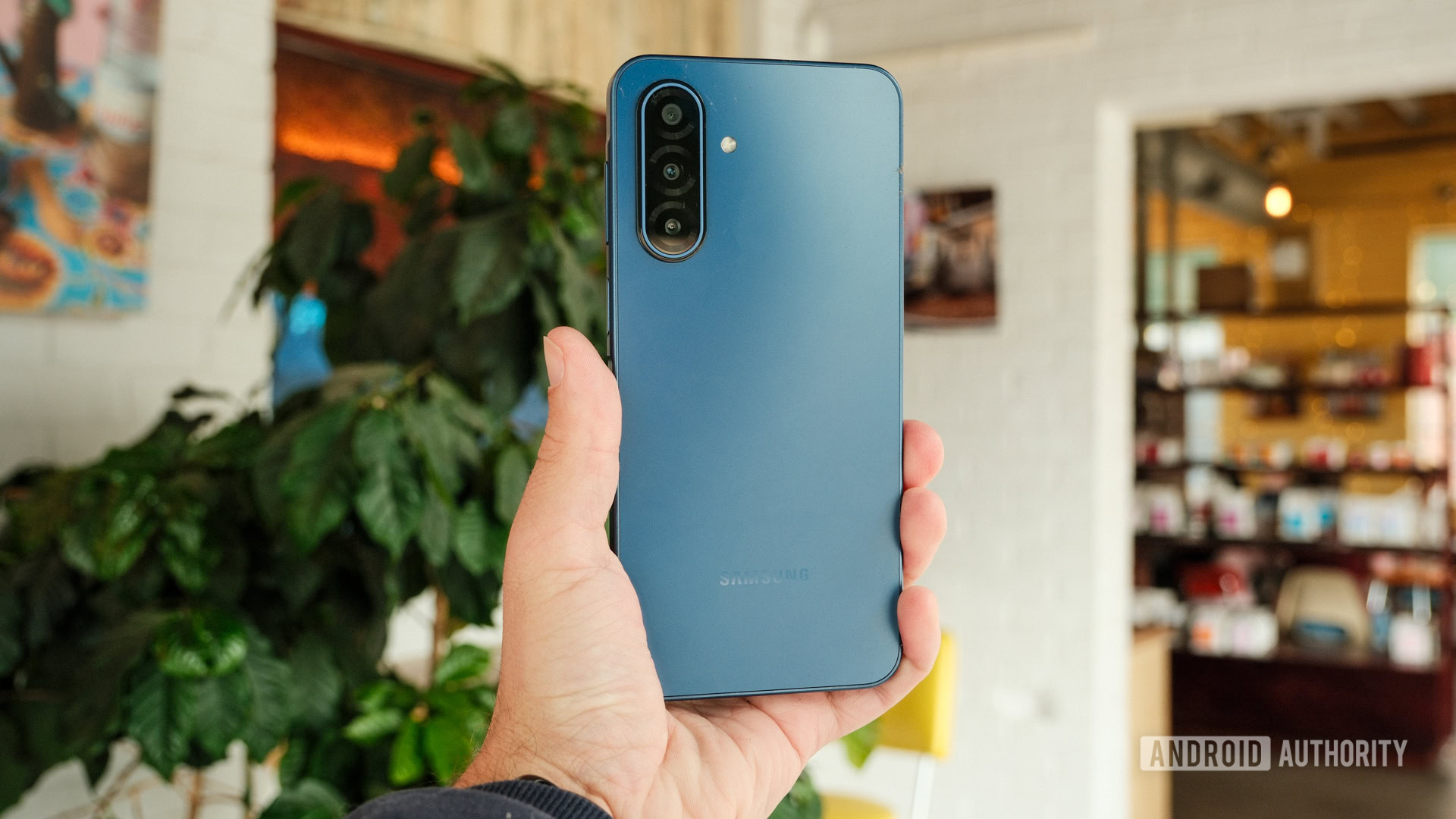
The Galaxy A17 5G is, by most metrics, a refinement of a formula that has reached its limit. The device is built around a 6.7-inch Super AMOLED display protected by Gorilla Glass Victus, boasting a 1080p resolution. While the panel is crisp and offers the deep blacks typical of OLED technology, it is capped at a 90Hz refresh rate and a peak brightness of 800 nits. In an era where even budget competitors from Motorola and CMF are pushing 120Hz and exceeding 1,000 nits, the A17 5G feels underpowered.
Under the hood, the device is powered by an aging chipset that mirrors its predecessor, the Galaxy A16 5G. With only 4GB of RAM and standard storage configurations, the phone consistently struggles with modern multitasking. While it carries an IP54 rating for water and dust resistance, this is a baseline offering that fails to provide true peace of mind for active users. The most notable inclusion is a commitment to six years of software updates, a rare feature in the $200 space, though one that becomes difficult to appreciate when the hardware itself feels sluggish on day one.
A Chronology of Declining Returns
To understand the trajectory of the Galaxy A17 5G, one must look at the recent history of the A-series. Historically, Samsung utilized these budget models as a "proving ground" for design language—introducing aesthetics here before rolling them out to the flagship S-series.
- 2024: The Galaxy A-series solidified its reputation as the "go-to" recommendation for budget buyers, offering a balanced mix of price and performance.
- 2025: Competition from brands like Motorola, TCL, and CMF began to erode Samsung’s market share by offering superior refresh rates and faster charging at identical price points.
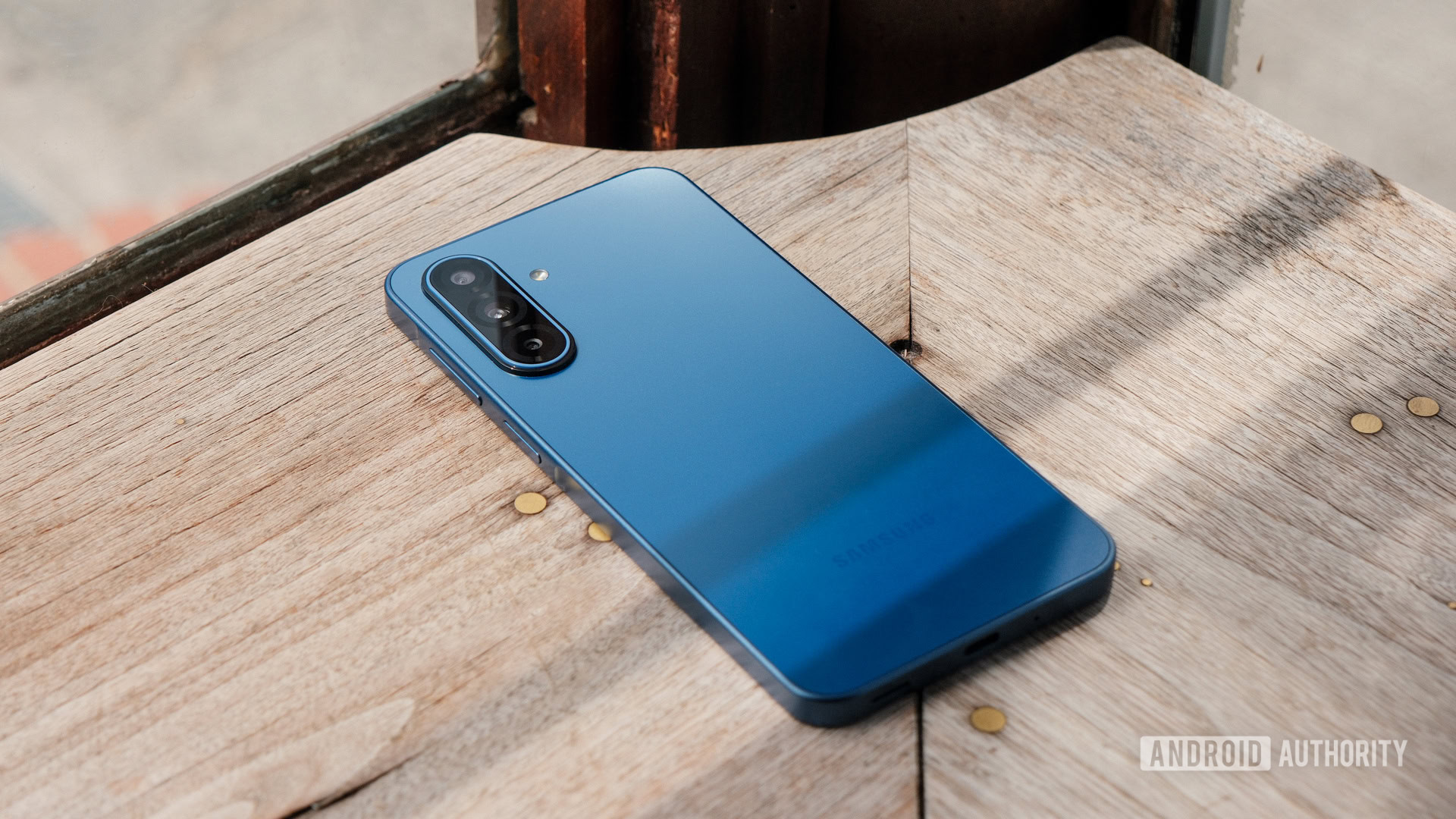
- 2026: The Galaxy A17 5G arrives. While it adopts a new, sophisticated triple-camera "pill" bump similar to the S26, the internal specifications remain largely unchanged from the A16. The transition to Android 16, while welcome, highlights the hardware’s inability to keep pace with the growing resource requirements of the operating system.
Supporting Data: Performance and Real-World Usage
The technical limitations of the Galaxy A17 5G are not merely theoretical; they manifest in every facet of the user experience.
Benchmark Stagnation
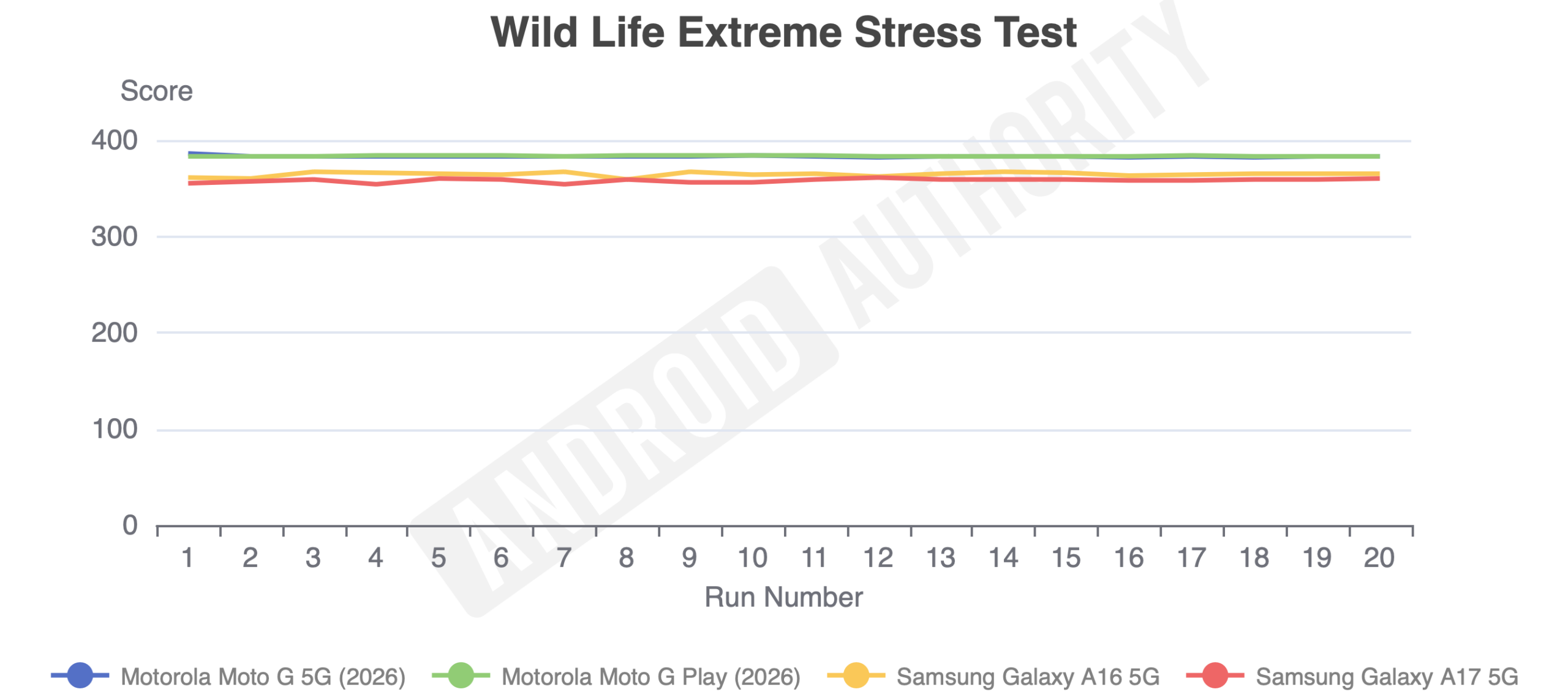
In Geekbench 6 multi-core testing, the A17 5G is routinely outperformed by Motorola’s latest offerings. Even more concerning is the GPU-intensive Wild Life Extreme stress test, where the device shows zero improvement over the previous generation. The 5nm chipset, theoretically more efficient, appears to suffer from aggressive thermal throttling, which prevents it from maintaining peak performance during sustained tasks.
Real-World Bottlenecks
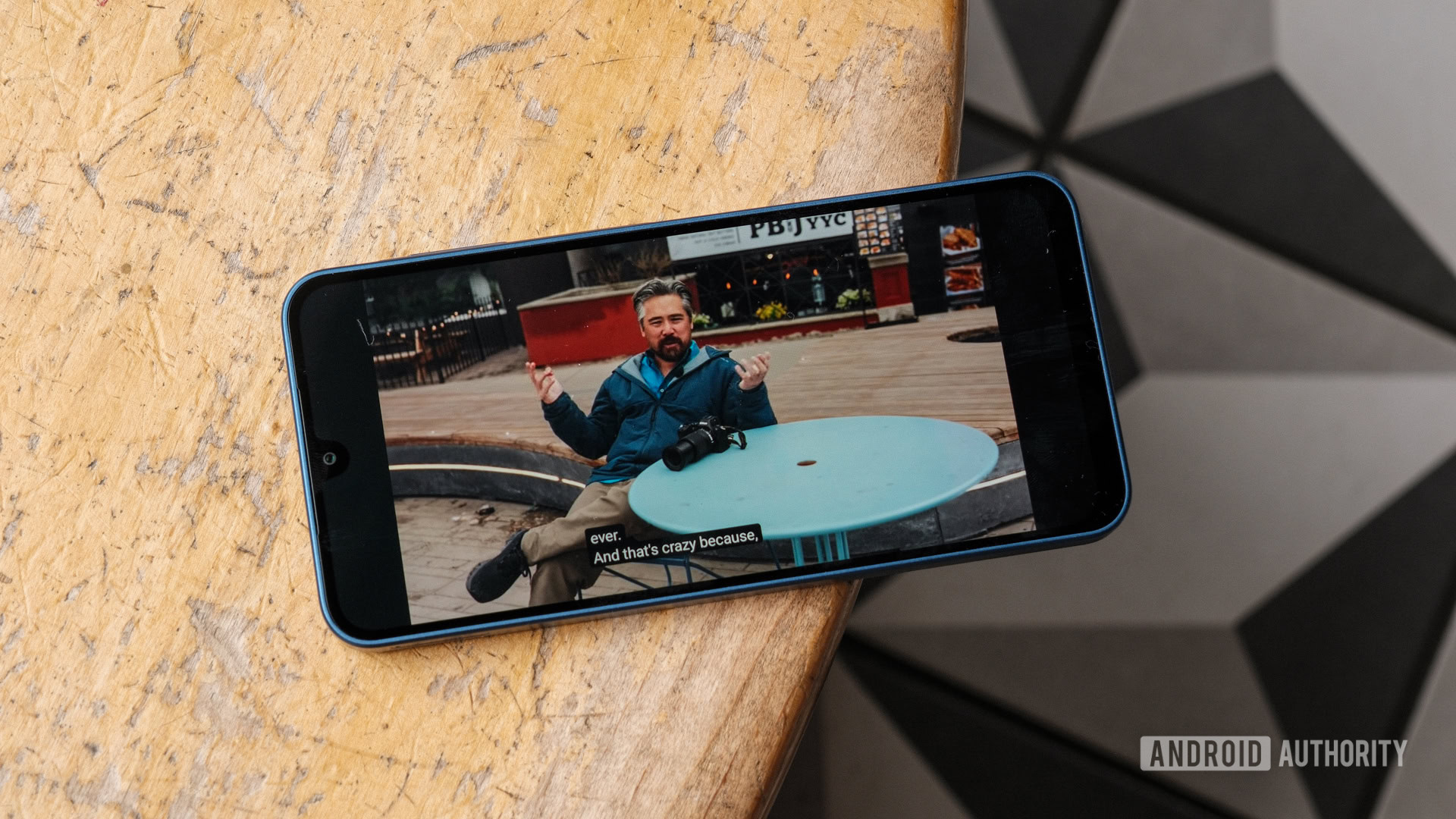
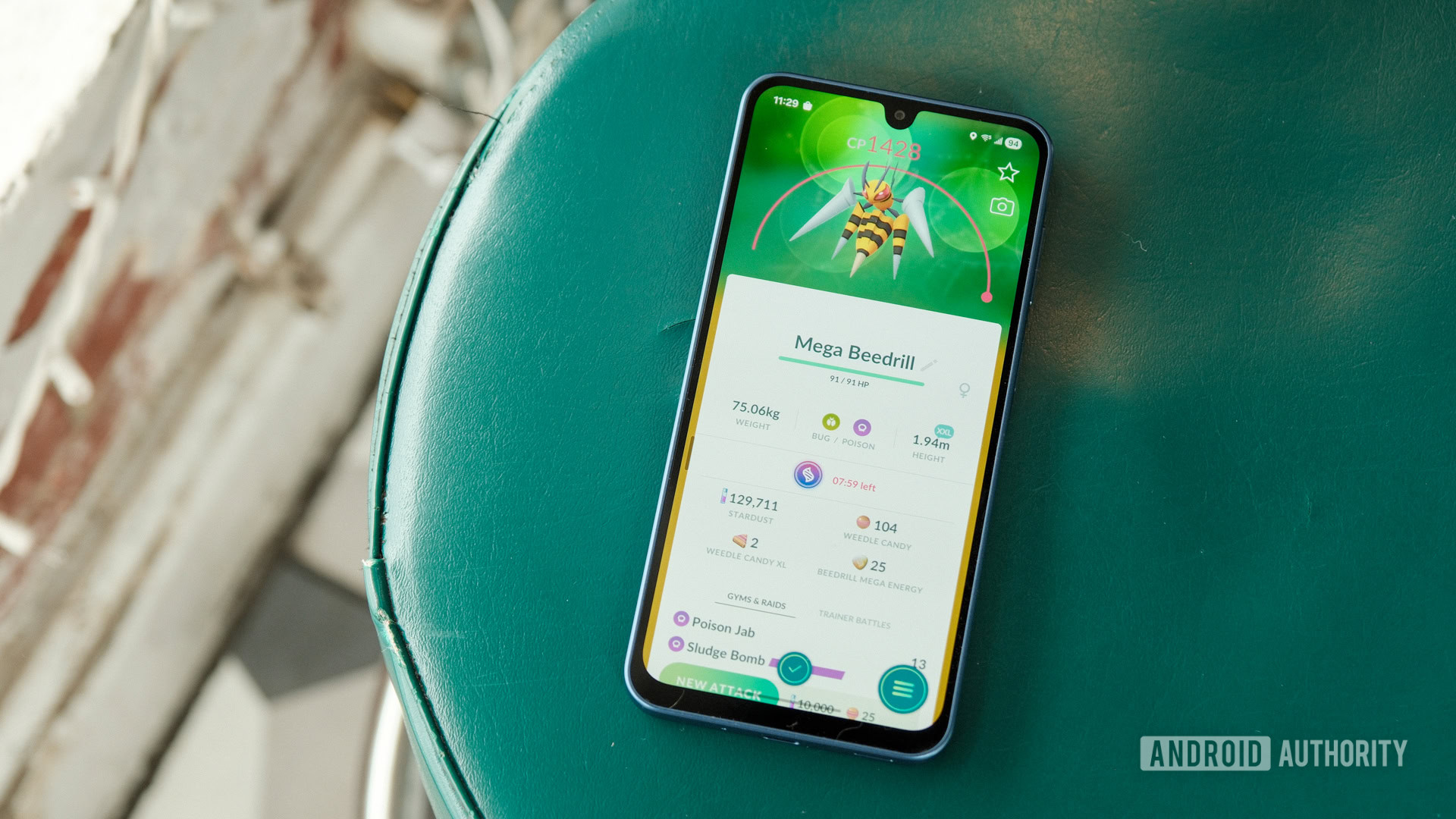
The user experience is characterized by friction. Loading demanding applications like Pokémon Go can take several minutes, and the device frequently stutters when transitioning between UI elements. Even mundane tasks, such as closing the native weather app or switching between browser tabs, reveal the limitations of the 4GB RAM allocation. The phone’s "Key Island"—a design feature housing the fingerprint sensor—is physically satisfying and responsive, yet it feels like an island of excellence in an otherwise sea of performance deficits.
Battery and Charging
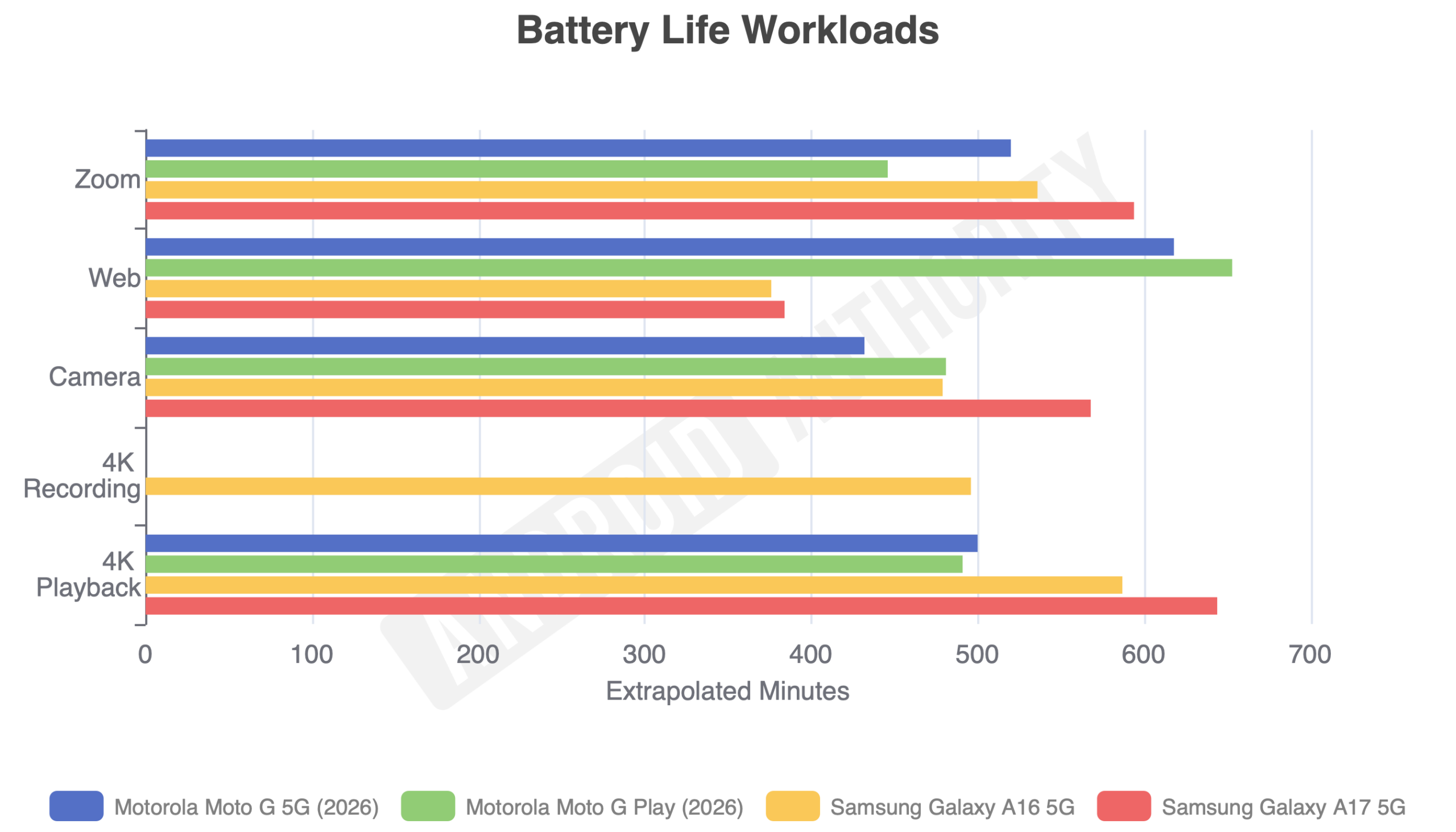
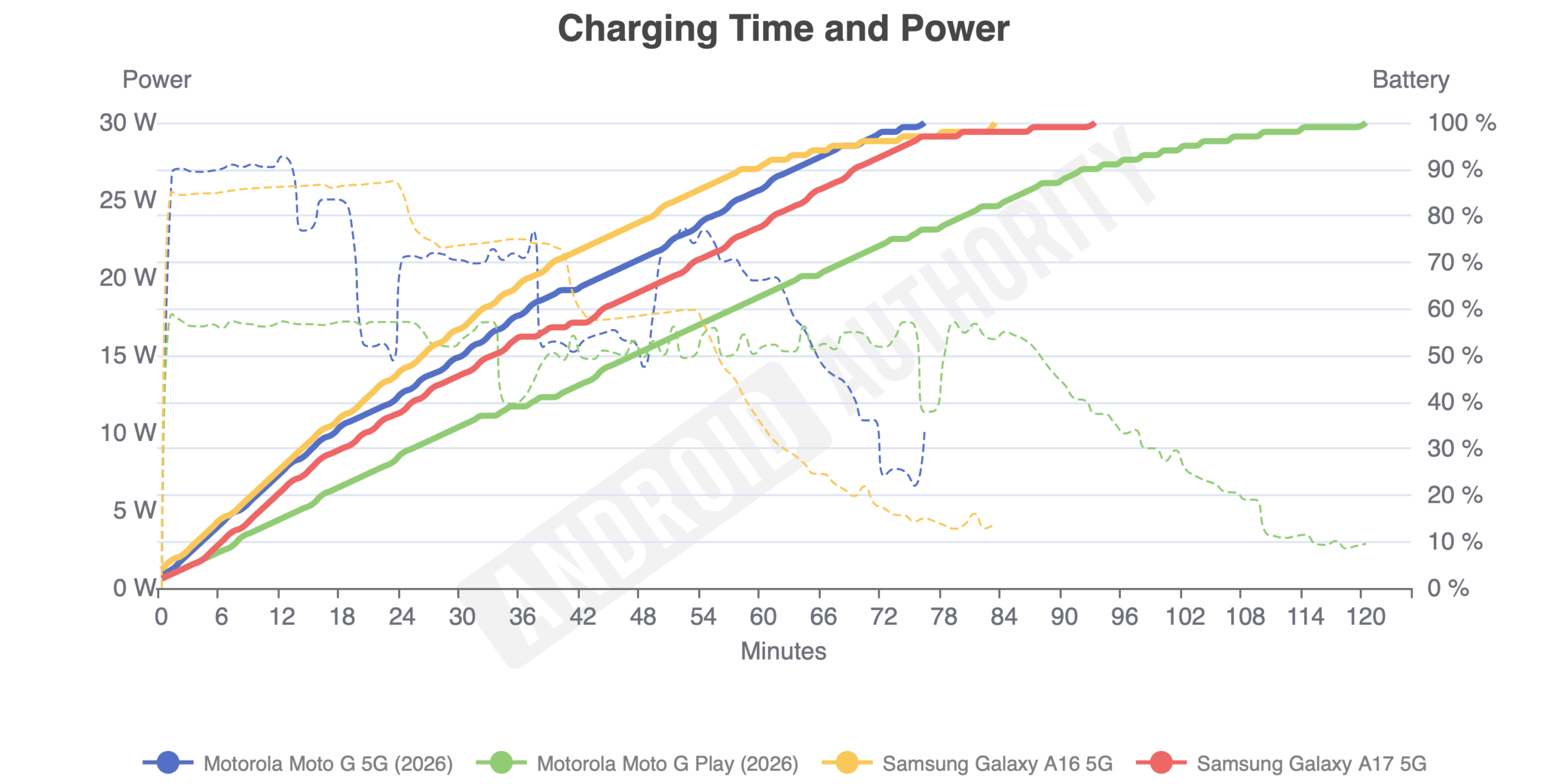
The 5,000mAh battery remains the device’s strongest asset, offering endurance that exceeds most competitors in a simulated workload. However, the charging architecture is a disappointment. Capped at 25W, the A17 5G is the second-slowest charging device in its class. In testing, it actually showed a slight regression in charging speed compared to the A16, taking nearly 12 minutes longer to reach a full charge under identical conditions.
Camera System: A Study in Minimalist Upgrades
The camera setup on the Galaxy A17 5G serves as a metaphor for the entire device: a competent primary sensor hindered by poor peripheral hardware.
- Primary Sensor: The 50MP main shooter is reliable in well-lit conditions. With the addition of Optical Image Stabilization (OIS), it captures steady, crisp images at 1x and 2x zoom.
- Ultrawide and Macro: The 5MP ultrawide sensor is small and prone to noise, while the 2MP macro sensor remains virtually unusable. It is a missed opportunity for Samsung, which could have easily swapped these for a single, higher-quality sensor.
- Software Features: While "Night Mode" and "Fun Mode" (Snapchat integration) are present, they cannot mask the lack of depth-of-field control and the software-side artifacts seen in portrait mode, particularly when dealing with complex subjects like hair or fine textures.
Implications: A Strategic Misstep?
The implications of the Galaxy A17 5G are significant for both the consumer and the manufacturer. For Samsung, the strategy of relying on "software support" to compensate for "hardware stagnation" is yielding diminishing returns. While six years of updates is an impressive marketing bullet point, it is rendered moot if the phone becomes functionally unusable within three years due to hardware limitations.
For the consumer, the $200 price point is increasingly becoming a "value trap." By refusing to innovate on the chipset or charging speed, Samsung is effectively forcing buyers to look toward higher-priced segments or competitors.
Competitive Analysis
- Moto G Power (2026): For an additional $100, users receive faster charging, a 120Hz display, and a more premium aesthetic. While the software support is shorter, the day-to-day usability is vastly superior.
- CMF Phone 2 Pro: A design-forward alternative that offers a significantly more powerful Dimensity 7300 Pro chipset. While it faces carrier compatibility hurdles in the U.S., it proves that budget phones do not have to be "boring."
Final Verdict: Is the Bargain Worth the Headache?
The Samsung Galaxy A17 5G is a device that rests on the laurels of its predecessors. It is not an objectively "bad" phone; it is a safe, predictable, and durable handset that benefits from the stability of the Samsung ecosystem. However, in 2026, "safe" is no longer enough.
By keeping the price locked at $199.99, Samsung has successfully avoided raising costs, but they have done so by stagnating the user experience. The device is a "bargain" that requires the user to trade away performance, speed, and photographic flexibility for the sake of long-term software updates. For the average user who wants a phone that simply works, the A17 5G is a struggle.
If you are currently in the market for an entry-level device, our recommendation is to look elsewhere. Whether it is the slight premium for a better-performing Motorola or the unique value proposition of the CMF lineup, the market currently offers better ways to spend your money. Samsung has kept what worked in the A17 5G, but they have fundamentally failed to fix the flaws that are increasingly making the A-series a relic of a previous generation. Unless Samsung addresses the underlying performance issues in the next iteration, the Galaxy A series risks losing the very demographic it was designed to serve.

 Siti Muinah
 Ammar Sabilarrohman