Dwi Wanna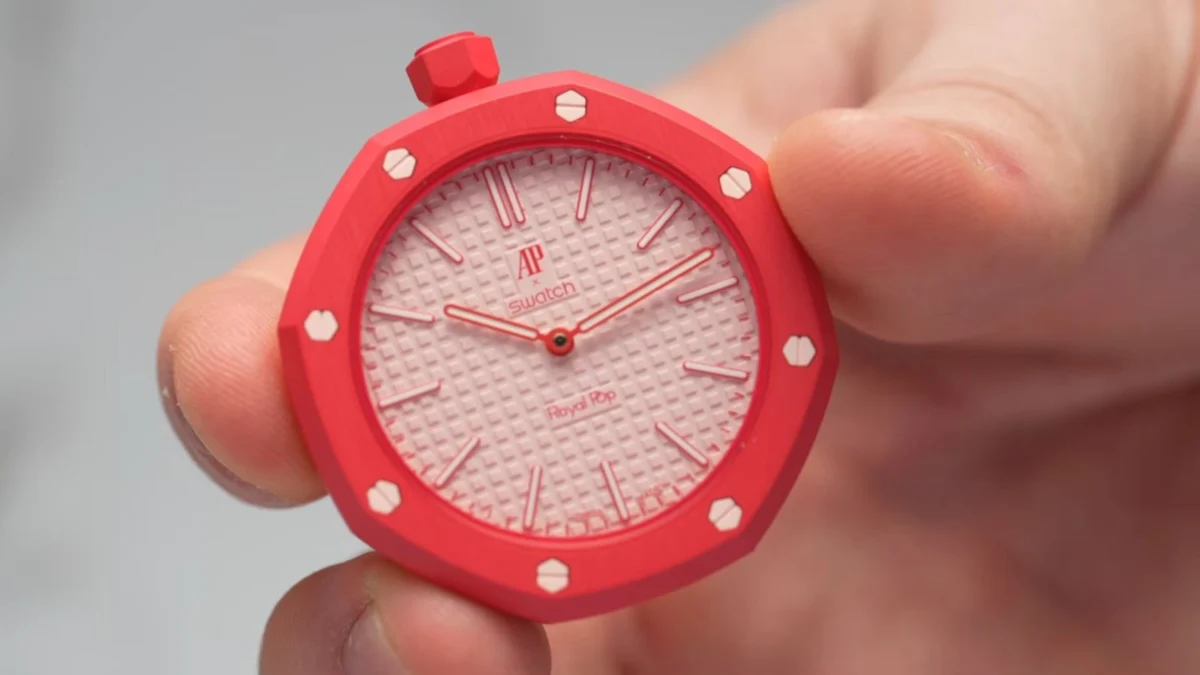
On May 16, 2026, the horological world witnessed a spectacle that blurred the lines between luxury retail and civil unrest. The synchronized, worldwide launch of the “Royal Pop”—a $400 bioceramic pocket watch born from the unlikely partnership between high-horology titan Audemars Piguet and the mass-market titan Swatch—collapsed into a series of safety emergencies that spanned continents.
What was intended to be a celebratory moment for watch enthusiasts quickly devolved into a logistical nightmare. Before the doors even opened, hundreds of boutiques across Europe, Asia, and North America were forced to remain shuttered. Police were summoned to manage surging, hostile crowds, and thousands of hopeful collectors were left empty-handed in the streets, marking a dark chapter in the history of collaborative consumer product launches.
A Perfect Storm of Brand Prestige and Hype
The appeal of the Royal Pop lay in its inherent contradiction. By marrying the legendary design language of Audemars Piguet’s Royal Oak—an icon of haute horlogerie—with the accessible, playful, and bioceramic medium of Swatch, the brands created a “must-have” commodity. Priced at a relatively modest $400, the watch was positioned as the ultimate status symbol for the masses.
However, the brand’s failure to implement a robust digital queueing system or a localized lottery process turned the physical boutiques into flashpoints of desperation. With the launch set for a simultaneous 9:00 AM kickoff across 200 locations, the infrastructure was simply not prepared to handle the intensity of the demand.
Chronology of the Collapse: A Global Timeline
The chaos unfolded in a domino effect that followed the sunrise across the globe.
Early Morning: The European Front
In London, the atmosphere at the Battersea Power Station flagship location turned volatile hours before the scheduled opening. Reports from MyLondon depicted a scene of “hostile” behavior, characterized by aggressive jostling and verbal abuse directed at security staff. By the time the clock struck 9:00 AM, store managers at Westfield London and Glasgow had made the difficult decision to keep their shutters down, using loudspeakers to announce that the crowds had reached a level of density that made a safe entry impossible.
Simultaneously, in France, the situation was mirroring the UK’s experience. La Depeche reported that in cities like Toulouse, hundreds of individuals who had braved the night in sleeping bags were met with total disappointment. As the lines grew unruly, local law enforcement intervened, advising store owners to keep their doors locked indefinitely to prevent potential looting or physical injury.
Mid-Day: The Asian Market Meltdown
As the launch migrated through Asia, the intensity seemed to escalate. In India, the situation was particularly dire. According to NDTV, the planned launch events in Mumbai and New Delhi were abruptly canceled after the crowds were described as “animalistic.” The swarm at these venues was so aggressive that Swatch India took the rare step of addressing the public on Instagram. They explained that the launch had been moved forward in a futile attempt to disperse the crowds, noting that “extended queuing would not have changed the chances of securing a piece,” effectively admitting that supply was a fraction of the demand.
Afternoon: The North American Fallout
By 10:00 AM EST, the headquarters in the United States was already monitoring the disastrous reports from abroad. Recognizing the pattern of physical danger, Swatch USA issued an emergency statement confirming that 16 locations across the country would remain closed for the day. The statement cited “extraordinarily high demand” and the necessity of working in conjunction with local authorities to ensure a “safe environment for everyone.”
Supporting Data and the Resale Economy
The volatility of the situation was fueled by the immediate and staggering secondary market value of the Royal Pop. Within hours of the canceled launches, listings on major secondary marketplaces began appearing with “Buy It Now” prices as high as £16,000 ($21,000).

This price disparity—a 5,000% markup over the $400 retail price—acted as a catalyst for the crowds. It transformed the event from a watch collector’s gathering into a “get-rich-quick” opportunity for scalpers, who were incentivized to use any means necessary to secure the product. The presence of professional resellers in the queues contributed to the aggressive atmosphere, as they viewed the potential profit margin as worth the risk of physical confrontation.
Official Responses and Corporate Silence
One of the most striking aspects of the May 16th disaster was the lack of a centralized, cohesive response from the corporate headquarters of either Audemars Piguet or Swatch. Neither brand issued a formal, comprehensive press release addressing the systemic failures of their distribution strategy.
Instead, the burden of crisis management fell upon regional store managers and local social media teams, who were left to field complaints and explain safety protocols without a unified script. This lack of top-down communication only served to frustrate the public further, leaving many to wonder if the brands were prepared for the scale of their own hype machine.
While Swatch USA eventually posted a brief note on Instagram, the brevity of the message did little to quell the outrage of those who had waited in line for hours, only to be turned away by police officers.
Implications: The Death of the "Drop" Culture?
The Royal Pop incident is not an isolated event, but rather the latest and most dangerous iteration of a growing trend in retail. As luxury brands increasingly lean into “drop” culture, they risk alienating their core customer base and endangering the public.
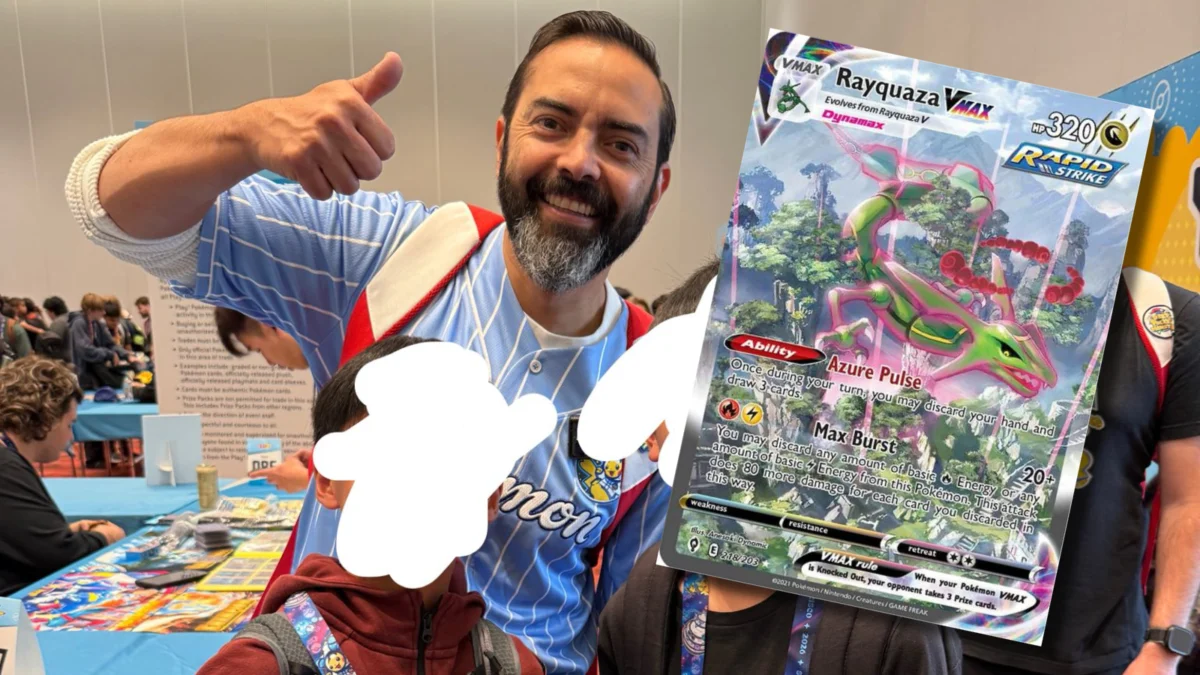
In April 2026, just one month prior to the Royal Pop launch, the gaming community saw similar scenes when scalpers kicked down the security shutters of a London Sports Direct to secure limited-edition Pokémon cards. The fact that law enforcement in that instance declined to intervene highlights a growing trend: police departments are becoming increasingly reluctant to deploy resources for what they categorize as "non-essential" retail disputes.
Lessons for the Future
The aftermath of the May 16th launch presents several critical questions for the luxury industry:
- The Failure of Physical Retail: Is the traditional “first-come, first-served” retail model still viable for high-demand, limited-edition products in an age of hyper-connected, bot-assisted, and scalper-driven demand?
- Corporate Responsibility: To what extent should a corporation be held liable for the behavior of crowds drawn to their retail locations? The lack of adequate security planning in anticipation of such high demand suggests a negligence that the industry can no longer ignore.
- The Shift to Digital: Will future collaborations be restricted to online-only lottery formats? While this would eliminate the physical danger, it also risks replacing physical crowds with a different kind of frustration—the digital bottleneck of bots and site crashes.
Conclusion: A Reputation at Risk
The collaboration between Audemars Piguet and Swatch was designed to be a triumph of marketing, demonstrating the reach and cultural relevance of both brands. Instead, it has become a cautionary tale. The Royal Pop is now inextricably linked to images of shuttered stores, police intervention, and a desperate, aggressive consumer base.
For the collectors who genuinely sought to appreciate the craft of the watch, the day was a loss. For the brands involved, the damage may be more long-term. In their pursuit of a viral moment, Audemars Piguet and Swatch overlooked the fundamental responsibility of any retailer: the safety of their employees and the public. As the dust settles, the industry is left to grapple with the realization that when hype is allowed to spiral out of control, the cost is far higher than the price of a watch.

 Basiran
 Jia Lissa