

From the towering, ancient pillars of the Hōryū-ji Temple—the world’s oldest surviving wooden structure—to the serene, snow-dusted gabled roofs of Shirakawa-gō, wood is not merely a construction material in Japan; it is the heartbeat of a nation. For centuries, Japanese architecture has served as a masterclass in the dialogue between human ingenuity and the natural world. Today, this tradition is transcending borders, drawing international acclaim as designers and architects worldwide look to Japan’s sustainable, high-quality timber for inspiration.
Main Facts: The Intersection of Nature and Craft
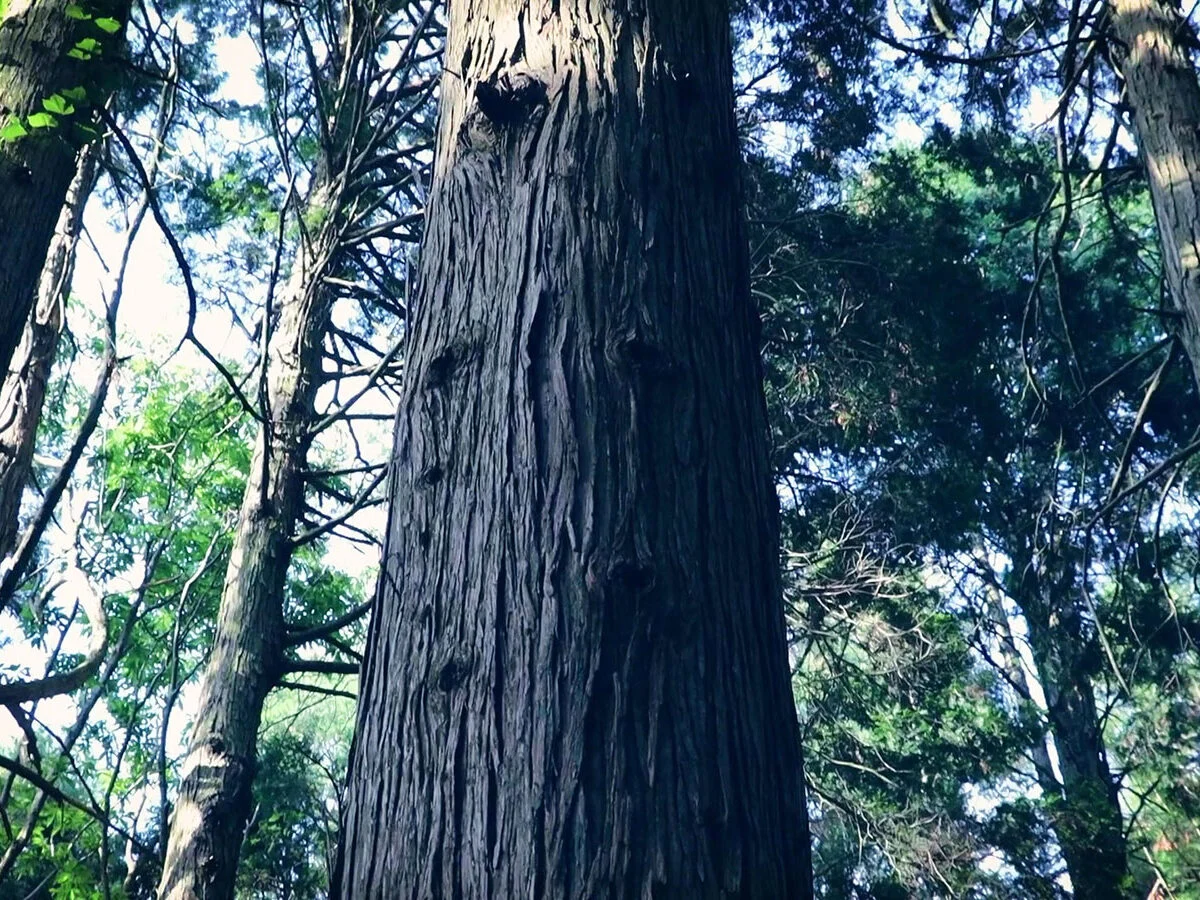
At the core of Japanese wood culture lies a profound philosophical connection to the forest. Unlike many Western construction traditions that sought to tame nature, Japanese woodcraft seeks to harmonize with it. The nation’s unique climate—marked by four distinct, intense seasons—produces timber with exceptional density and resilience.
Japanese wood products are defined by three pillars:
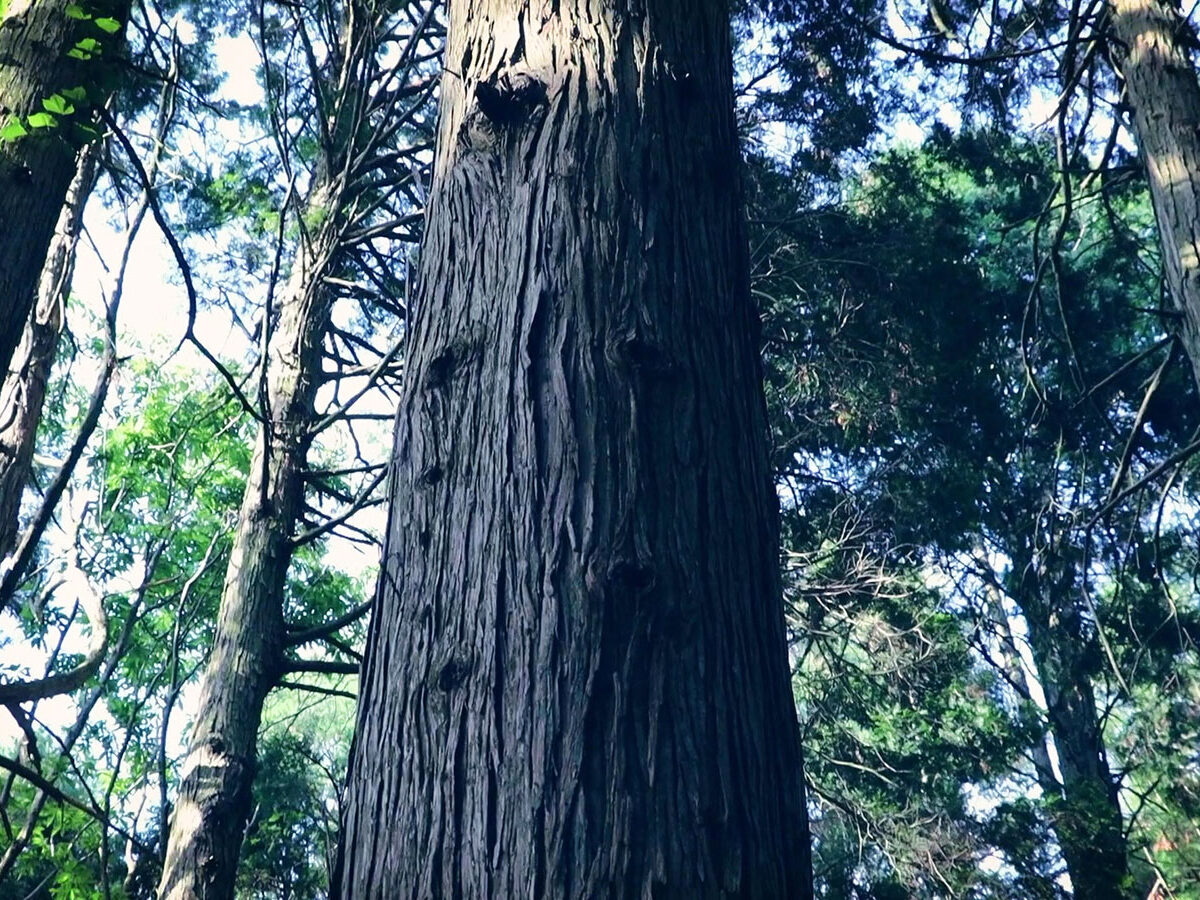
- Material Integrity: The use of indigenous species like Hinoki (Japanese cypress) and Sugi (Japanese cedar), prized for their aromatic properties, moisture resistance, and aesthetic warmth.
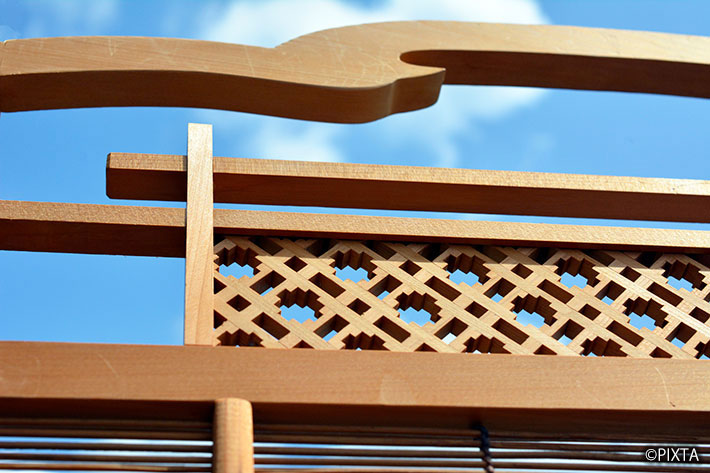
- Ancestral Techniques: The refinement of joinery methods, such as kigumi—a sophisticated interlocking system that allows buildings to stand without a single metal nail, providing superior seismic flexibility.
- Sustainable Stewardship: A long-standing practice of forest management that treats timber as a renewable resource, ensuring that the forests which have inspired generations remain vital for centuries to come.
A Chronology of Craft: From Shrines to Skyscrapers
The narrative of Japanese wood is a timeline of resilience and evolution:
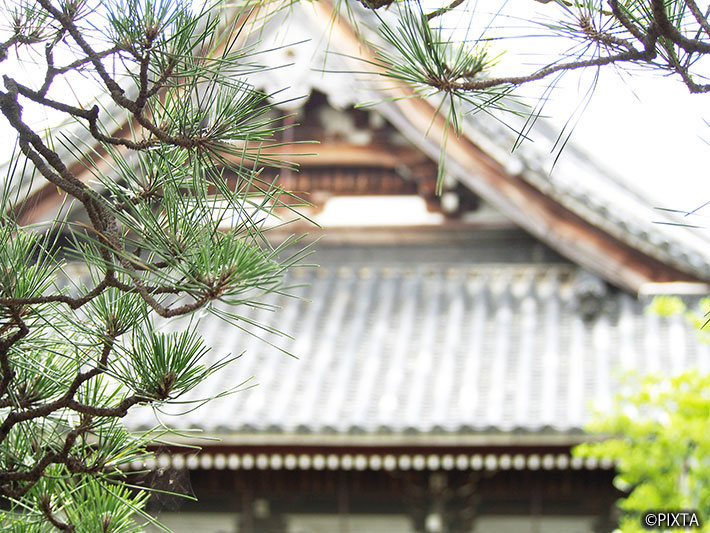
- The Ancient Era (7th Century): Construction of Hōryū-ji began. The use of Hinoki, with its natural rot-resistant oils, proved that wooden structures could survive for over 1,300 years, establishing a benchmark for durability that the modern world is only now beginning to fully appreciate.
- The Edo Period (1603–1867): Wood became the canvas for urban architecture. As Japan’s cities flourished, the development of sophisticated woodworking tools allowed for intricate interior detailing and the refinement of traditional residential styles, such as the machiya (townhouse).
- The Post-War Era (1945–1980s): Japan experienced a shift toward concrete and steel. However, the inherent limitations of these materials in Japan’s humid, earthquake-prone environment eventually sparked a renewed interest in hybrid construction—marrying modern structural engineering with traditional timber.
- The Contemporary Renaissance (2000–Present): A global shift toward sustainable construction has positioned Japanese timber at the forefront of "green" architecture. Today, Japanese wood is not just for temples; it is being integrated into high-end international furniture design, modern office buildings, and eco-conscious residential developments globally.
Supporting Data: Why Japanese Timber Stands Alone
The superiority of Japanese wood is not merely anecdotal; it is rooted in biological and environmental advantages. The slow growth rate of trees in Japan’s mountainous terrain results in tighter annual rings, which significantly increases the wood’s structural strength.
The "Hinoki" Advantage
Hinoki cypress remains one of the most sought-after materials globally. Laboratory analysis of the wood reveals high concentrations of phytoncides—natural essential oils that act as a defense mechanism against insects and fungi. This makes the wood inherently durable without the need for synthetic, toxic chemical treatments.
Seismic Performance
Data from the Japan Wood Products Export Association highlights that traditional joinery techniques, when combined with modern engineered timber (such as Cross-Laminated Timber or CLT), create structures that are lighter than steel or concrete. In the event of an earthquake, these wooden structures dissipate energy more effectively, significantly reducing the risk of catastrophic collapse.
Official Perspectives: Expert Voices from the Field
To understand the global impact of Japanese wood, one must look to those working directly with the material. The Japan – Land of Wood initiative has captured insights from those who bridge the gap between forest and finished product.
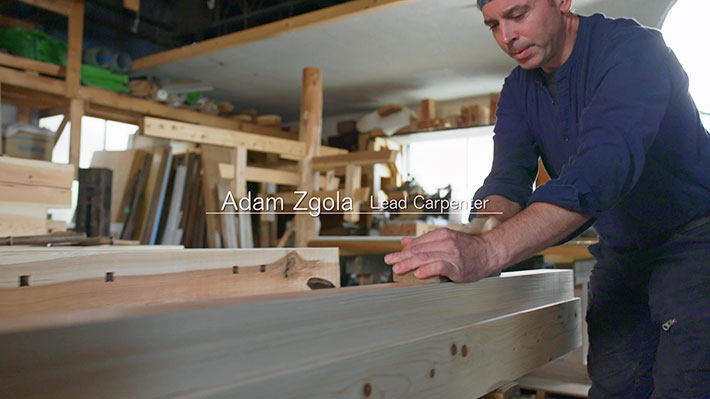
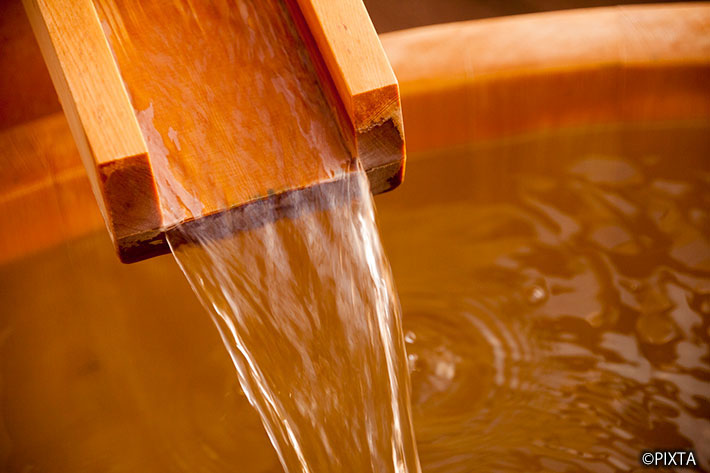
Lead carpenter Adam Zgola, who has spent years honing his craft in Japan, emphasizes the sensory experience of working with these materials: "Cedar has a gloss so it feels warm. Hinoki cypress is cool and lovely. It has lots of oil inside, so it is resistant to insects. You can smell hinoki when you go to hot springs." This sensory connection is a hallmark of the Japanese approach—the wood is not just a structural element; it is a living component of the domestic environment.
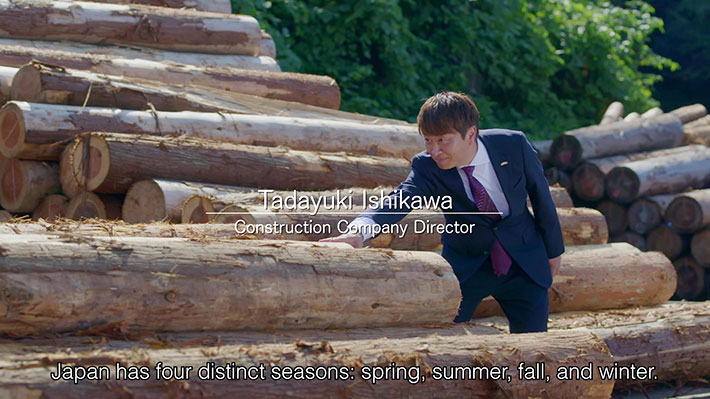
Tadayuki Ishikawa, a director at a prominent construction company, echoes this sentiment regarding quality control. "If you look anywhere in the world, the quality of Japanese building techniques is unmatched in my opinion," he states. His perspective underscores the rigorous standards required in the Japanese timber industry, where the selection of wood is as important as the final cut.

Global Implications: The Shift Toward Sustainable Elegance
The influence of Japanese woodcraft is currently undergoing a massive expansion. Tiffany Luk, an international sales executive in the luxury furniture sector, notes a distinct trend: "Furniture that combines classic Japanese woodworking techniques with modern designs is gaining interest abroad."
This interest is driven by several global shifts:
- Biophilic Design: As urban populations grow, there is a rising demand for indoor environments that incorporate natural elements to improve mental health and well-being. The tactile warmth of Japanese cedar fits this trend perfectly.
- Carbon Sequestration: Architects worldwide are turning to wood as a carbon-negative building material. By sourcing from well-managed Japanese forests, designers can ensure their projects support reforestation efforts rather than deforestation.
- The "Slow Living" Movement: Much like the farm-to-table movement in food, the architecture and design world is seeing a "forest-to-home" movement. Consumers want to know the provenance of their wood, and the transparency of the Japanese supply chain provides a compelling story of ecological responsibility.
Future Horizons: The Commitment to Sustainability
The Japanese wood industry is not resting on its laurels. The commitment to the future is evident in the adoption of advanced, high-tech forest management systems. Satellite mapping and precise harvesting schedules ensure that Japan’s timber yield remains sustainable.
The industry is currently focusing on "value-added" exports, where the focus shifts from raw timber to finished, high-precision components. This allows international builders to benefit from Japanese engineering without needing to master the complex joinery techniques themselves. It is a democratization of Japanese quality, bringing the precision of the shokunin (master craftsman) to construction sites across Europe, North America, and Asia.
Conclusion: A Timeless Invitation
The story of Japanese wood is one of perpetual renewal. By choosing to build with wood, Japan has not only preserved its cultural identity but has also provided a blueprint for how humanity can build in a way that respects the Earth.
As we look toward a future where sustainability is no longer an option but a necessity, the lessons offered by the Hōryū-ji Temple and the modern artisans featured by the Japan Wood Products Export Association become increasingly relevant. Whether you are an architect looking for structural integrity, a designer seeking aesthetic warmth, or a homeowner hoping to connect with nature, the traditions of Japan offer an enduring solution.

We invite you to explore this world of innovation and tradition. To see these techniques in action, we recommend viewing the Japan – Land of Wood video, which serves as a window into the passion, labor, and artistry required to bring these natural treasures from the forest to the modern home.
In the embrace of Hinoki or the strength of Japanese cedar, we find more than just timber; we find a way of life that honors the past while building firmly for the future.

Reported by the grape Japan editorial staff.












No comments yet. Be the first to join the conversation!