Lina Hope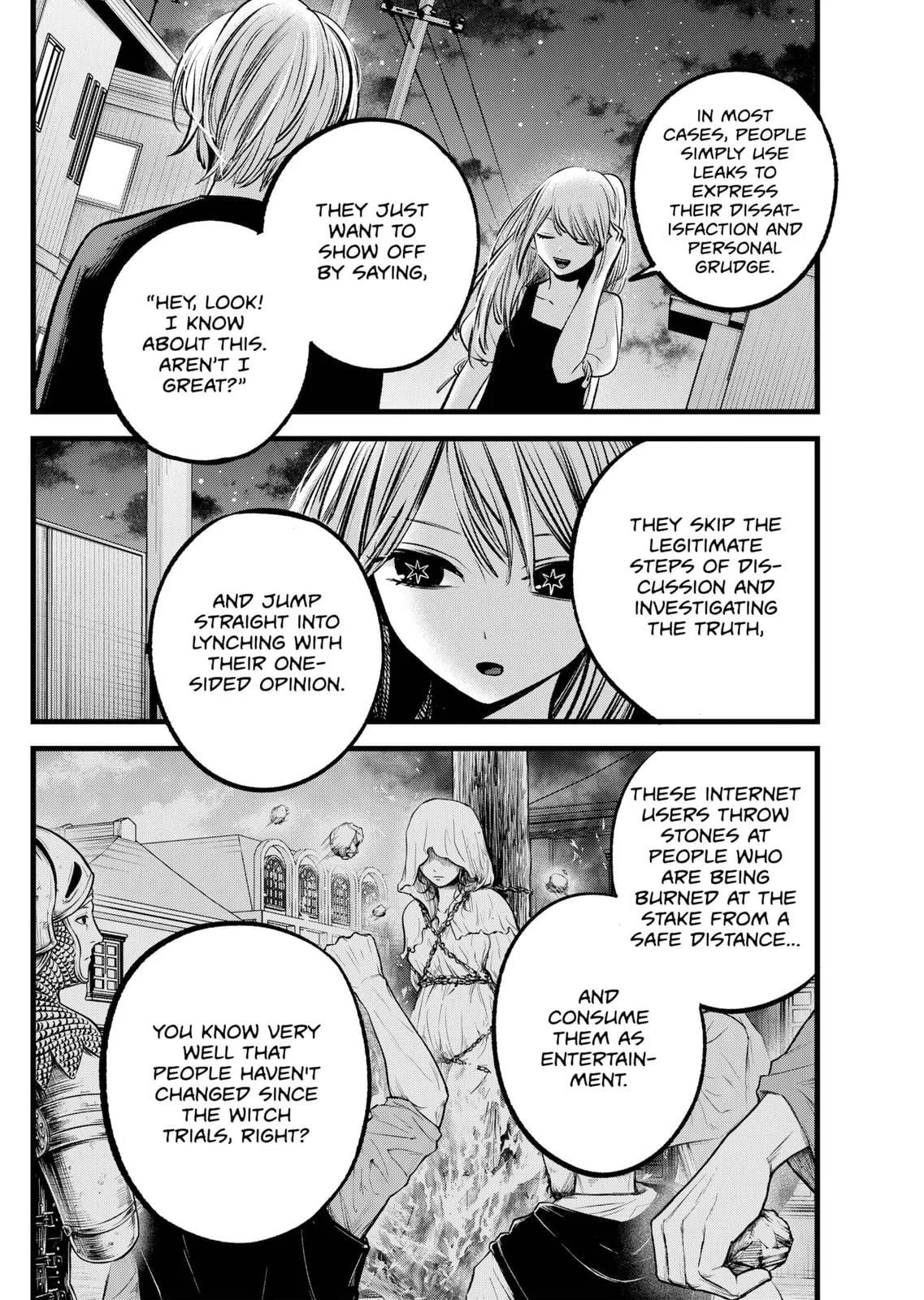
The anime industry is currently navigating a period of unprecedented global growth, yet this expansion has brought a long-simmering tension to a boiling point: the conflict between faithful translation and "liberal" localization. The latest flashpoint in this debate centers on the English localization of the hit series Oshi no Ko. As Season 3 reaches international audiences via Sentai Filmworks, a growing segment of the fanbase and industry critics are accusing the localization team of overstepping their bounds. By replacing the original Japanese creative metaphors with modern Western social media buzzwords—specifically "cancel culture"—localizers are being accused of "overwriting" the vision of creators Aka Akasaka and Mengo Yokoyari.
This controversy arrives at a delicate moment for the profession. With the threat of Artificial Intelligence (AI) translation looming over the industry, the value of human localizers is being scrutinized more than ever. Critics argue that when human translators prioritize their own sociopolitical vernacular over the source text, they inadvertently strengthen the case for AI-driven, literal translations.

Main Facts: The "Cancel Culture" Insertion
The crux of the current controversy involves two specific instances in the third season of Oshi no Ko where the English subtitles deviate significantly from the original Japanese text and the established English translation of the manga.
Oshi no Ko, a psychological drama that deconstructs the dark underbelly of the Japanese entertainment industry, is known for its cynical and often poetic take on fame, scandal, and the predatory nature of the media. In Season 3, which covers the "Dig Deep" and "Vtuber" arcs, the narrative focuses on the destructive power of online mobs.
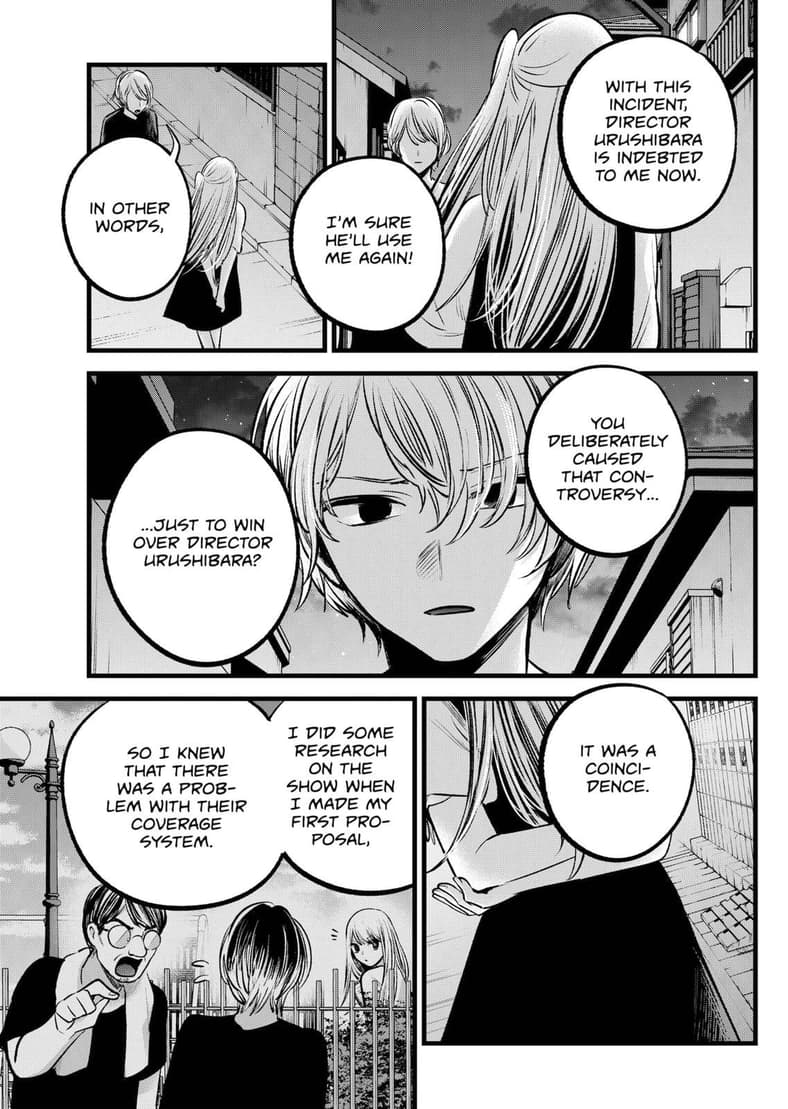
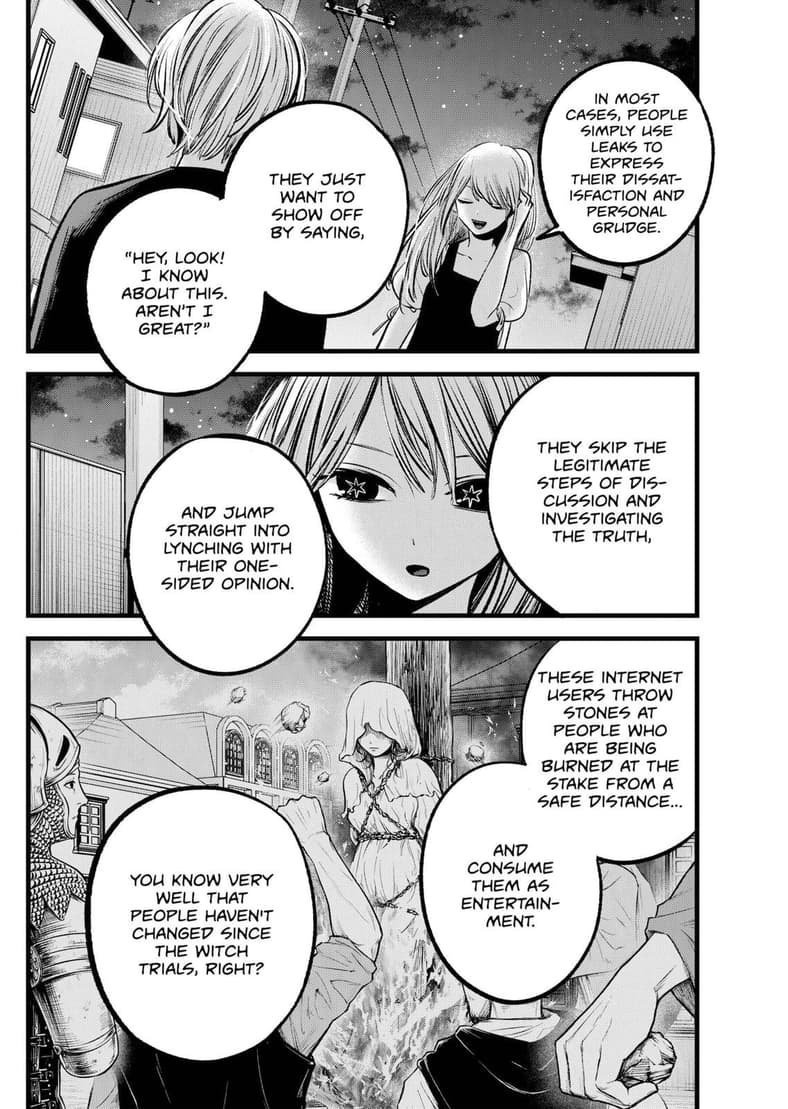
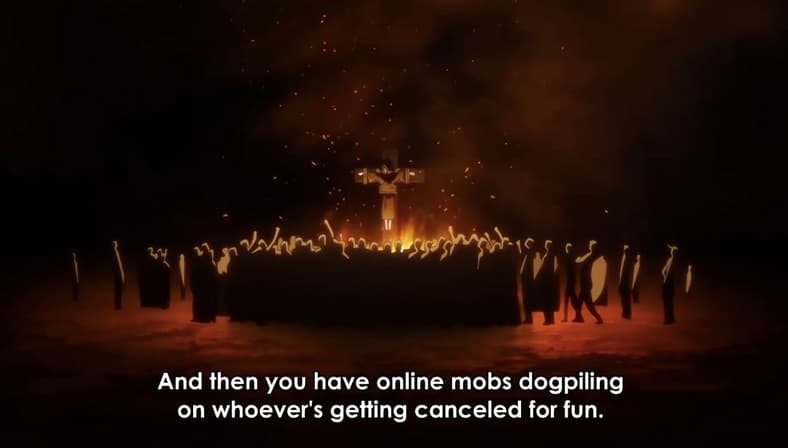
The first notable deviation occurs in Season 3, Episode 4, titled "Blind." In this episode, Ruby Hoshino, the aspiring idol and protagonist, admits to her brother Aqua that she orchestrated a sexual harassment scandal to eliminate a rival and advance her own career. In the original manga text (Chapter 93, "Leak"), Ruby describes the behavior of online mobs using a vivid, timeless metaphor: she speaks of internet users throwing stones at people "being burned at the stake from a safe distance," consuming the spectacle as entertainment.

However, the Sentai Filmworks localization replaces this evocative imagery with contemporary slang: "And then you have online mobs dogpiling on whoever’s getting canceled for fun."
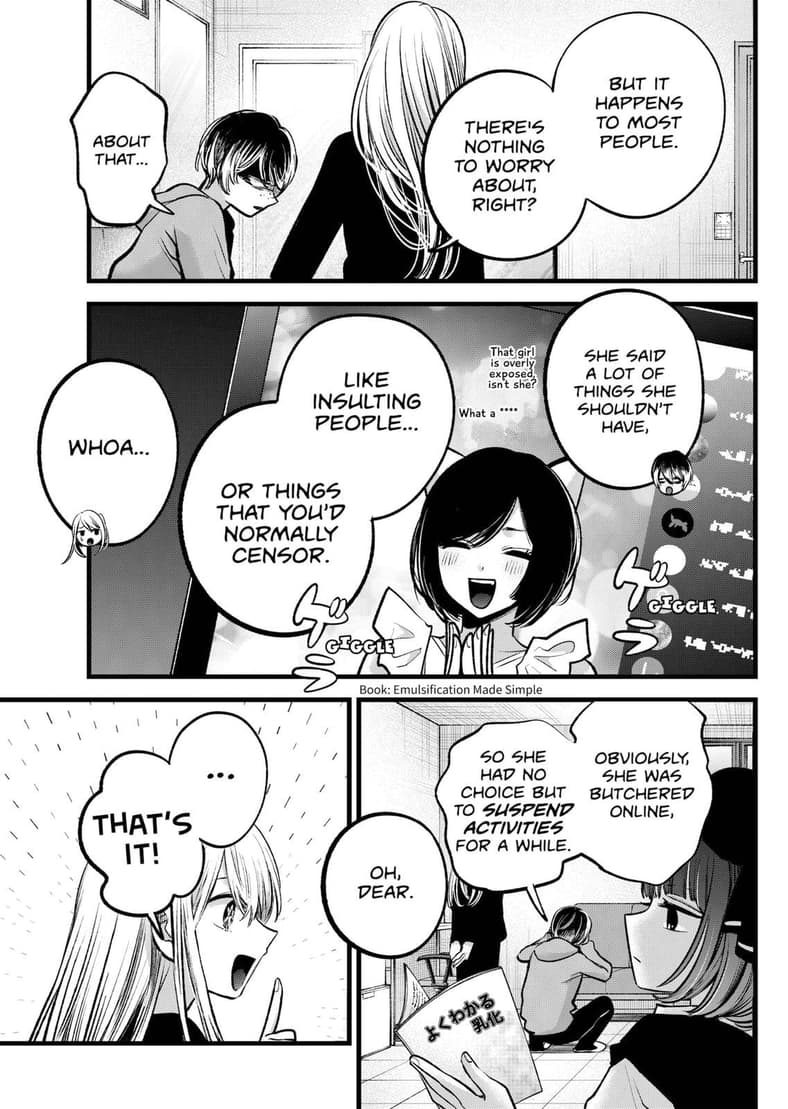
The second instance occurs in Episode 5, "Casting" (adapted from Chapter 99, "Drinking"). The character Shun Yoshizumi discusses his sister Mimi, a Vtuber who has been forced into hiatus following the leak of an old, unflattering video. In the manga, Shun states that his sister was "butchered online," necessitating her suspension. The Sentai localization changes this to: "Naturally, she got mega-cancelled and has to stop streaming for a while!"
Chronology: A Growing Pattern of Creative Divergence
The Oshi no Ko controversy does not exist in a vacuum. It is part of a chronological series of events that has seen Western localization houses increasingly inject "flavor" or "modern relevance" into scripts, often to the chagrin of the original audience.

- The Source Material (2020–2022): Aka Akasaka and Mengo Yokoyari serialized the "Main Stream" and "Dig Deep" arcs in Weekly Young Jump. The manga earned critical acclaim for its grounded, albeit dark, portrayal of social media dynamics. The fan translations and later the official Shueisha translations maintained the "burning at the stake" and "butchered" terminology, which resonated with the series’ high-stakes, dramatic tone.
- The Rise of Localization Activism (2023–2024): Prior to the Oshi no Ko Season 3 release, other series faced similar backlash. Notably, Netflix’s localization of Blue Box saw a character complimented for being "feminist" in the English script, whereas the original Japanese text used the word "feminine." This trend suggested a shift in localization philosophy toward adapting scripts to fit Western social discourse.
- The Premiere of Season 3 (2026): As Doga Kobo’s animated adaptation reached the "Dig Deep" arc, Sentai Filmworks released its English-subtitled version. Almost immediately, viewers who had read the manga noticed the shift in tone.
- The Backlash (Present): Social media platforms and anime forums have become battlegrounds for the "Translation vs. Localization" debate, with Oshi no Ko serving as Exhibit A for those arguing that localizers are inserting personal political agendas or "cringe-worthy" slang into professional works.
Supporting Data: Linguistics and the "Enjou" Factor
To understand why fans are upset, one must look at the linguistic data. In Japanese, the term often used for an online scandal or a "flame war" is enjou (炎上), which literally translates to "flaming" or "burning up."
The manga’s use of "burning at the stake" is a direct, artistic extension of this concept. It maintains the "fire" motif while elevating the gravity of the situation to a historical, life-or-death metaphor. By contrast, "cancel culture" and "getting canceled" are specific, 21st-century Western colloquialisms.
Critics point out several issues with this data point:
- Tone Inconsistency: Oshi no Ko is a somber, high-stakes drama. Using words like "mega-cancelled" shifts the tone from a psychological thriller to something resembling a contemporary Twitter feed, which many feel dates the work prematurely.
- Cultural Specificity: "Cancel culture" is a term heavily debated in Western politics. By using it, localizers are importing a specific Western cultural framework into a story that is explicitly about the unique pressures of the Japanese idol and Vtuber industries.
- Erasure of Metaphor: The "burning at the stake" metaphor provided by Akasaka was intended to show the cruelty and "spectator" nature of the crowd. "Canceled" is a more sterile, bureaucratic term that lacks the visceral impact of the original imagery.
Official Responses and the Industry Stance
While Sentai Filmworks has not issued a formal apology or a "corrected" script at the time of writing, the industry at large has defended such practices under the guise of "making the content accessible."
Proponents of the Sentai localization argue that "cancel culture" is the closest equivalent to enjou that a modern English speaker would understand. They contend that a literal translation of "burning at the stake" might feel archaic to a younger audience who views these events through the lens of social media "cancellation."
However, the counter-argument from the creative side is significant. Several high-profile manga authors have recently expressed a desire for more faithful translations. The tension has reached a point where some Japanese production committees are reportedly looking into more stringent oversight of foreign scripts to ensure their "creative vision" remains intact.
This friction is also being influenced by the "AI Threat." In early 2024, several tech firms began marketing AI translation tools specifically to Japanese publishers, promising translations that are "free from localizer bias." The Oshi no Ko controversy provides ammunition to those who argue that if human localizers cannot be trusted to remain faithful to the text, the industry should pivot to technology that will.
Implications: The Future of Media Consumption
The implications of the Oshi no Ko localization controversy extend far beyond a few lines of dialogue. It touches on the fundamental philosophy of how we consume foreign media.
1. The "Dating" of Content:
By using 2020s-era slang like "mega-cancelled," the localization risks making the anime feel dated within five to ten years. Classic literature and cinema endure because they use universal metaphors. When localizers swap these for "buzzwords," they trade longevity for a momentary sense of "relatability."
2. The Erosion of Trust:
There is a growing "localization gap" between the companies and the consumers. Fans who feel that their favorite stories are being "filtered" through the personal politics or linguistic preferences of a localization team are increasingly turning to fan-subs or learning Japanese themselves. This erosion of trust can hurt the bottom line of streaming services like HIDIVE (Sentai’s parent company).
3. The Rise of the "Faithful" Movement:
The backlash to Oshi no Ko and Blue Box is galvanizing a movement for "faithful localization." This movement demands that translators act as invisible bridges rather than creative editors. The demand is simple: let the Japanese author speak for themselves, even if the concepts are foreign or the metaphors are complex.
4. Industry-Wide Standardization:
This controversy may force the anime industry to adopt stricter standards. We may see the rise of "Glossary Sheets" provided by Japanese studios to Western localizers, mandating that specific metaphors and terms remain unchanged to preserve the integrity of the intellectual property.
In conclusion, the localization of Oshi no Ko Season 3 serves as a cautionary tale. While the goal of localization is to bridge cultural divides, the insertion of divisive and transient social media terminology like "cancel culture" can have the opposite effect—alienating the core audience and distorting the creator’s intent. As the industry moves forward, the balance between "readable" and "faithful" will remain the most contested territory in the world of international media.


 Jia Lissa
 Nana
Nana