

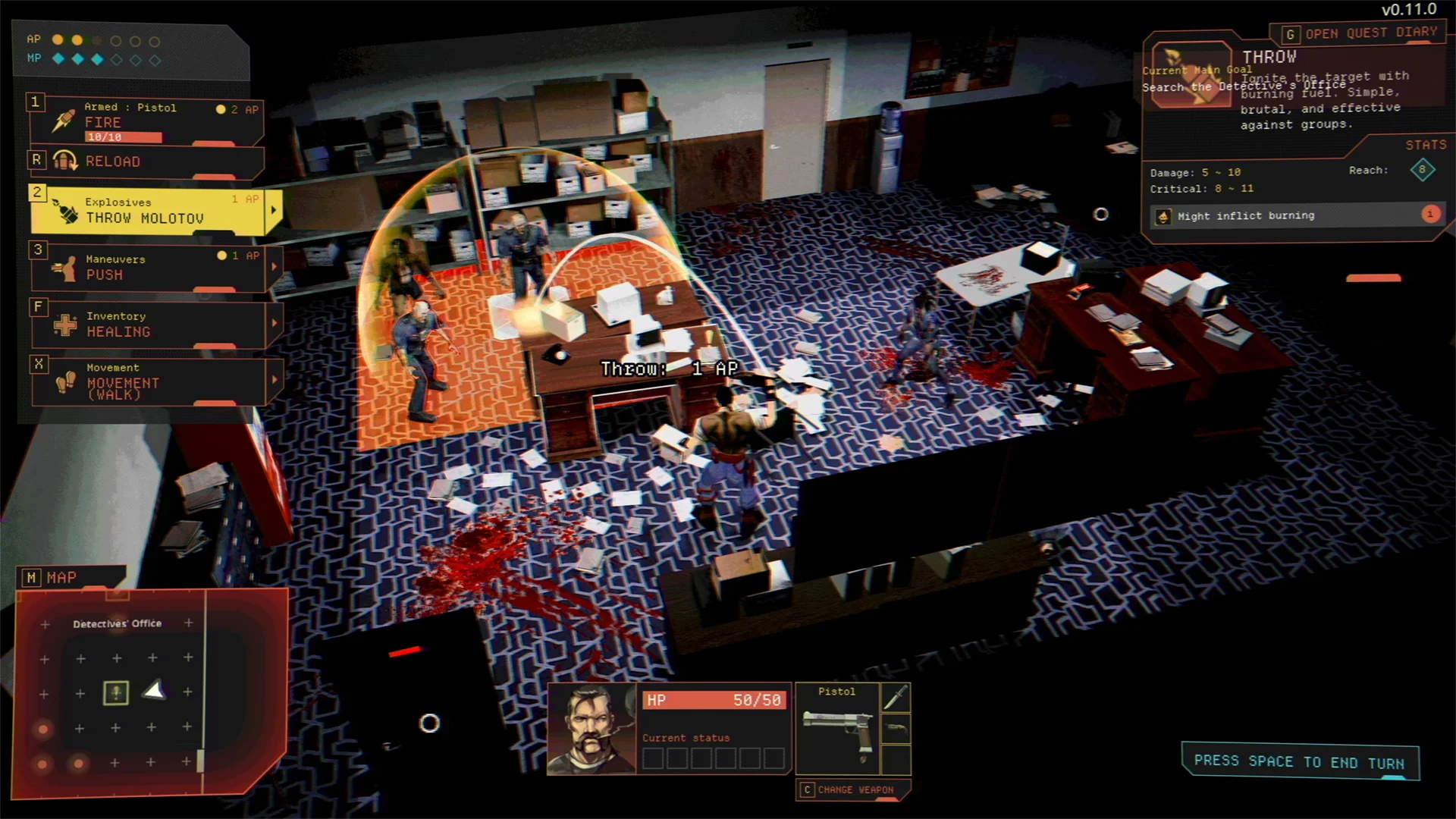
Tension is the currency of the horror genre. Whether it is the claustrophobic dread of a dark hallway or the cold, calculated risk of a turn-based tactical maneuver, the core appeal lies in the unknown. Vultures – Scavengers of Death, the debut title from the aptly named Team Vultures, attempts to bridge these two worlds. By marrying the atmosphere of mid-90s survival horror classics with the methodical, grid-based combat of modern strategy games, the studio has crafted an experience that feels simultaneously nostalgic and experimental. However, while the game’s conceptual foundation is rock-solid, its technical execution is, unfortunately, a minefield of game-breaking glitches.
The Core Concept: A Tactical Descent into Madness
At its heart, Vultures – Scavengers of Death is a love letter to the golden age of survival horror—specifically titles like Parasite Eve and Koudelka. The premise is comfortingly familiar: a special forces extraction team, known as VULTURE, is deployed to the Salento Valley to investigate a viral outbreak masterminded by the villainous Eugenesys corporation.
Players control two protagonists, Leopoldo and Amber. While they share the narrative DNA of genre staples like Chris Redfield and Jill Valentine, the game opts for a mission-based structure rather than a singular, sprawling map. This design choice serves the gameplay loop well, allowing for focused, high-stakes encounters that emphasize resource management and environmental navigation.
The Protagonists and Their Utility
Team Vultures has clearly differentiated the duo to ensure that each mission feels tailored to specific skill sets:
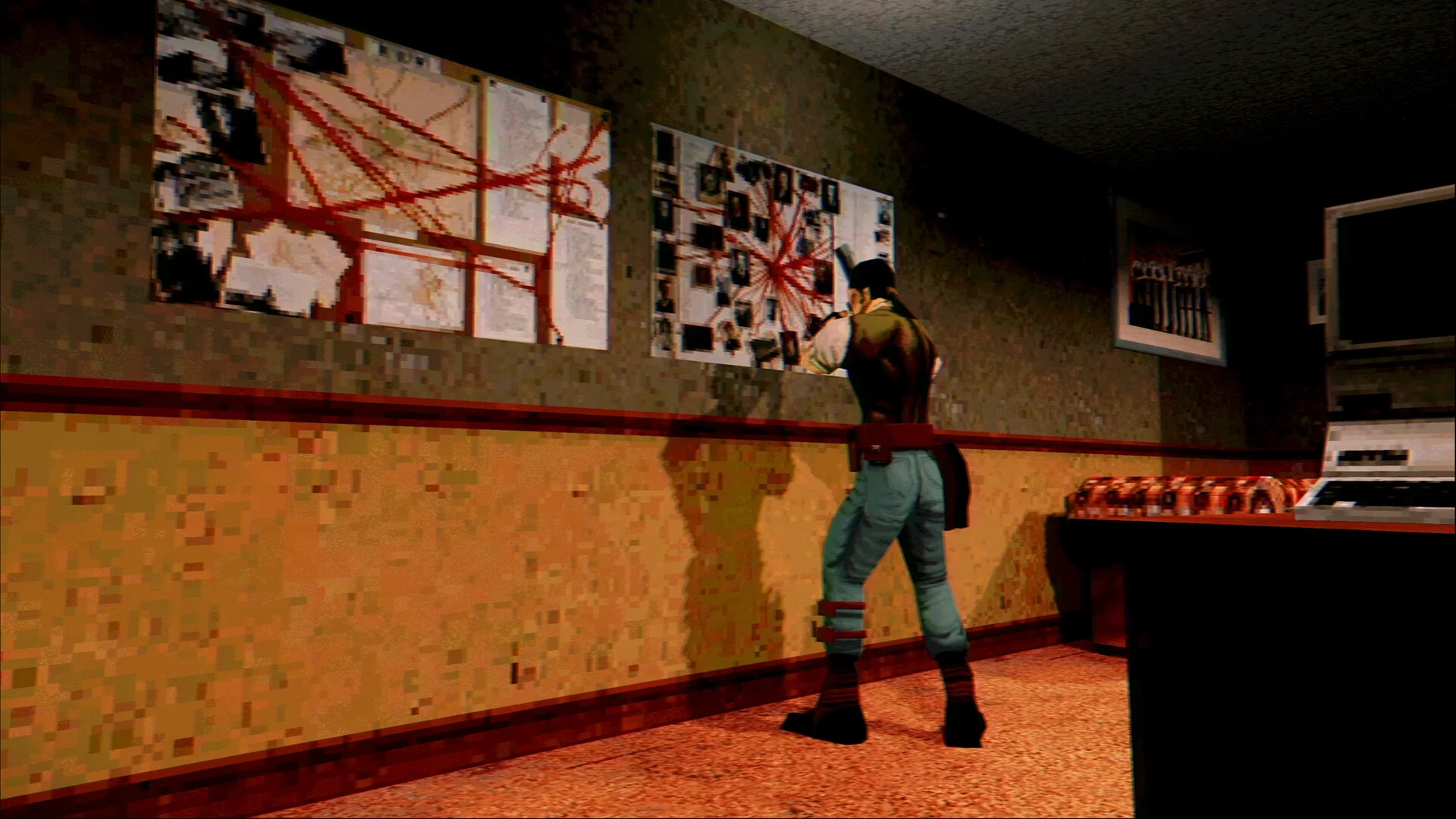
- Leopoldo: The "muscle" of the team. His gameplay is defined by physical prowess, allowing him to shove enemies, barricade doors, and manipulate heavy environmental objects to clear paths or create cover.
- Amber: The "tactician." Lithe and agile, she utilizes a grappling hook to traverse large gaps and navigate verticality, making her ideal for flanking maneuvers and rapid repositioning.
The game forces players to rotate between these characters, ensuring that neither feels like a secondary choice. This culminates in a final mission that allows for player choice, providing a sense of agency that is often missing from more linear horror experiences.
Chronology of the Experience: From Atmosphere to Frustration
The game’s progression follows a classic survival horror trajectory, yet it is framed through the lens of a strategy title. Each mission acts as a contained, labyrinthine environment—reminiscent of the iconic Spencer Mansion or the Raccoon City Police Station.
- Early Hours (The Setup): Players are introduced to the mechanics of the "Nest," the mission hub. Here, the atmosphere is thick with dread, buoyed by low-poly aesthetics and a haunting, mechanical soundscape. The use of a CRT visual filter adds to the period-accurate aesthetic, though it can be toggled off for those who prefer sharper, modern visuals.
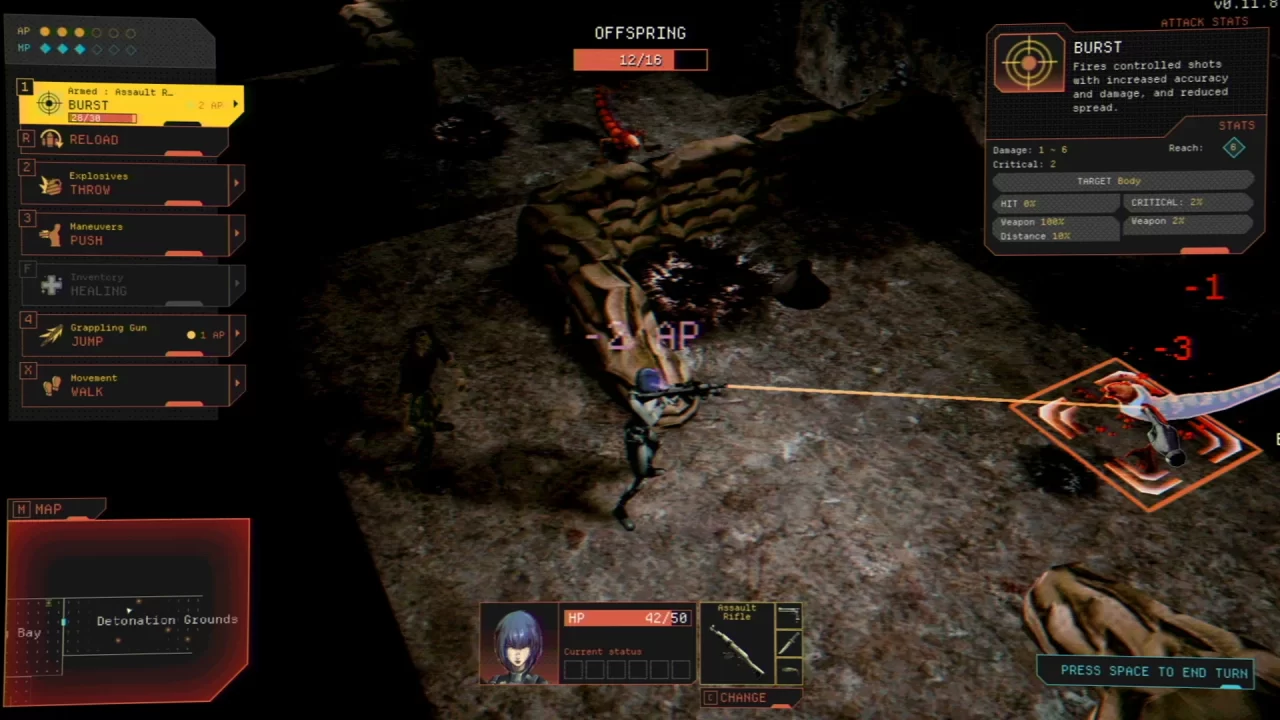
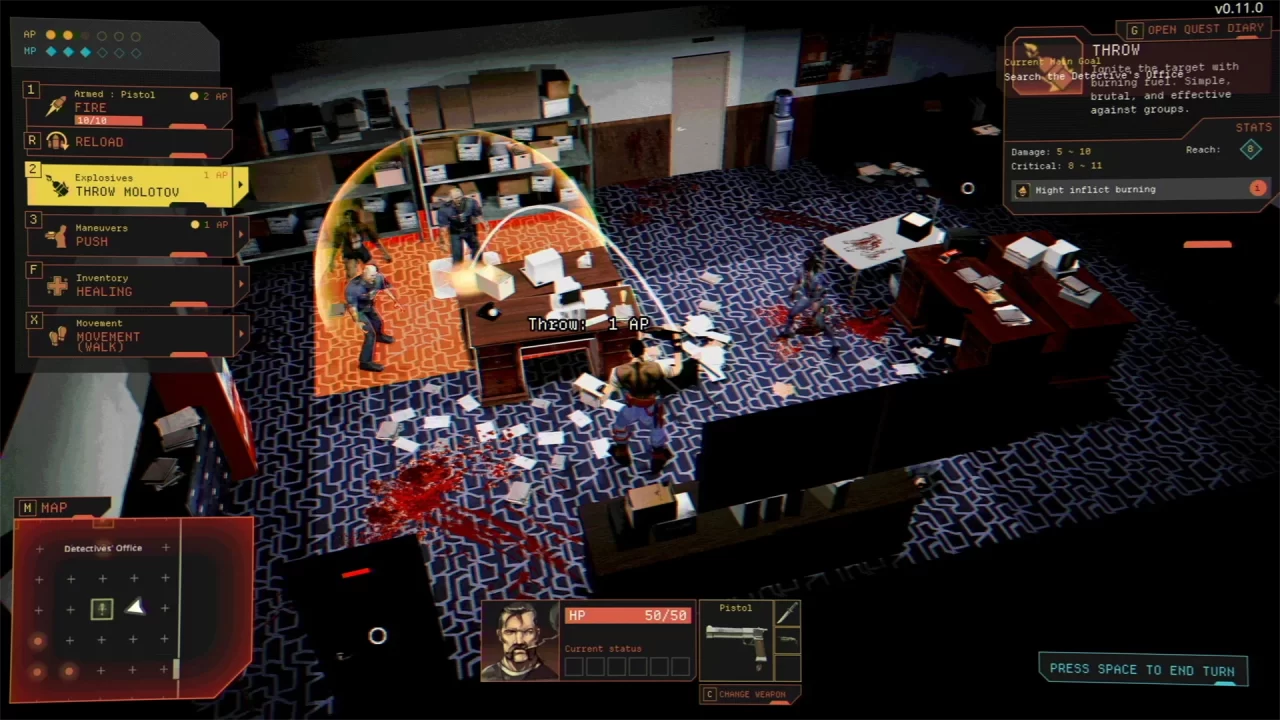
- Mid-Game (The Tactical Grind): As the missions progress, the game shifts focus toward combat. The grid-based, turn-based system—governed by a strict Action Point (AP) and Movement Point (MP) economy—becomes the primary hurdle. Players must weigh the cost of a shot against the necessity of movement, a delicate dance that perfectly captures the "every bullet counts" philosophy of the genre.
- Late-Game (The Technical Collapse): Unfortunately, the experience begins to fray toward the final act. Much like the notorious third-act issues seen in high-profile RPGs at launch, Vultures suffers from a cascade of progression-blocking bugs that turn the tension from "survival-horror dread" to "frustrating technical irritation."
Supporting Data: The Mechanics of Survival
The brilliance of Vultures lies in its combat system. Unlike traditional survival horror games that rely on real-time reflexes, Vultures forces you to sit with your mistakes.
- Action Economy: Players are generally granted 3 AP and 3 MP per turn. Because enemy damage output is high, positioning is everything. Maneuvering at least four tiles away from an enemy is often the difference between a successful mission and a restart.
- Stealth vs. Combat: The inclusion of a stealth system, similar to XCOM 2 or Mutant Year Zero, adds a layer of depth. Players can perform takedowns or avoid combat entirely—a crucial strategy given that ammunition is finite.
- Weapon Synergy: Each weapon has a clear utility. The shotgun is a situational powerhouse for crowd control, while the assault rifle is best suited for suppressing groups of enemies at range. Mastering these tools is the only way to overcome the game’s punishing difficulty curve, which actually inverts the standard genre trend by becoming significantly harder as the campaign draws to a close.
Official Responses and Developer Context
Team Vultures, a boutique two-person development team, has been transparent about their ambitions to create a "tabletop version of Resident Evil." In recent interviews, the developers emphasized that the primary design goal was to translate the feeling of being overwhelmed—a staple of survival horror—into the mechanics of turn-based strategy.
While the studio has yet to release a formal "post-mortem" or an exhaustive patch roadmap, the community response has been a mix of critical acclaim for the design and vocal frustration regarding the stability. The delay from late April to mid-May, which was intended to polish the experience, clearly did not provide enough runway to address the game’s deeper, underlying instability.
Implications: The Potential for a Genre Hybrid
Vultures – Scavengers of Death serves as a proof-of-concept that is both brilliant and heartbreaking. It proves that:
- Fog of War is the new Fixed Camera Angle: By limiting vision based on line-of-sight and light sources, the game successfully replicates the dread of early survival horror without needing to rely on archaic tank controls or awkward camera angles.
- Turn-Based Horror is Viable: The marriage of AP management and the constant threat of being overwhelmed creates a unique type of anxiety. It proves that horror does not need to be real-time to be effective.
- Scale Matters: The reliance on a two-person team to deliver such a complex system highlights both the strengths of indie innovation and the dangers of limited quality assurance.
The Verdict for Potential Players
As it stands, Vultures – Scavengers of Death is a recommendation with a heavy asterisk. If you are a die-hard fan of turn-based strategy and classic survival horror, the core loop is arguably the most inventive hybrid seen in years. However, the current state of the game—riddled with UI overlaps, vanishing items, and progression-halting bugs—makes it difficult to advocate for a day-one purchase.
The developers have built a diamond in the rough, but it currently requires a significant amount of cleaning. For now, the most tactical decision a player can make is to wait for the developers to deploy the necessary patches. When the "blood and viscera" of these technical issues are wiped away, what remains will likely be a landmark title in the survival-strategy subgenre. Until then, the VULTURE team’s latest mission is one best left in the hangar.











No comments yet. Be the first to join the conversation!