

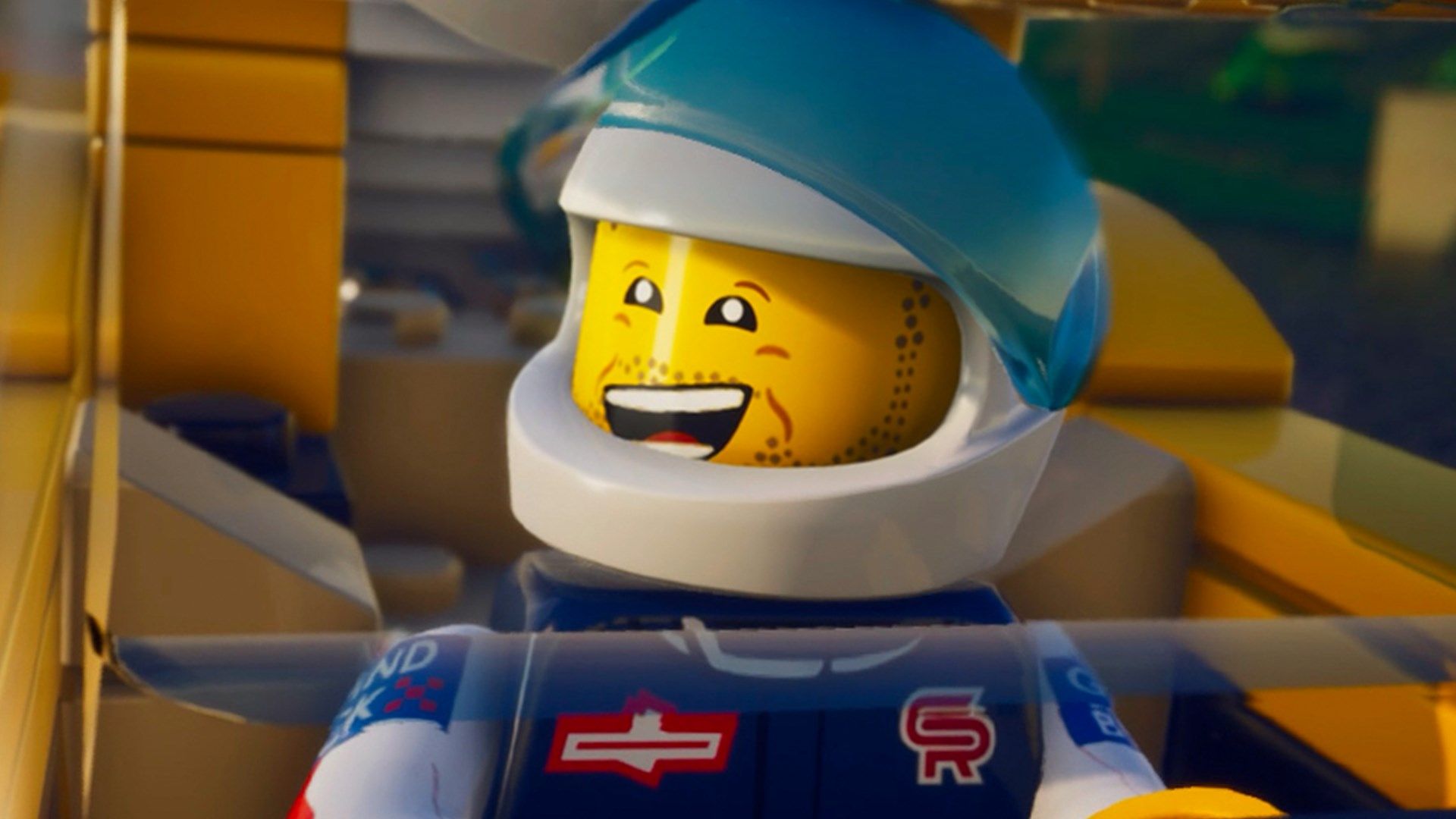
In an era where gaming has largely shifted toward digital distribution, the ephemeral nature of software has become an increasingly pressing concern for enthusiasts and historians alike. This week, the industry faces yet another sobering reminder of this fragility: Lego 2K Drive, the ambitious open-world kart racer developed by Visual Concepts and published by 2K, is set to be removed from digital storefronts. Just three years after its initial launch, the title is entering its final chapter, marking another casualty in the ongoing wave of sudden, unexplained, or licensing-driven delistings that have plagued the gaming landscape in 2024.
The End of the Road: Key Facts Regarding the Delisting
The announcement, which appeared quietly on the game’s official Steam page, serves as a definitive closing statement for the title’s lifecycle. Lego 2K Drive will be officially pulled from digital storefronts—including Steam, the PlayStation Store, and the Xbox Store—on May 19.
For those who already own the game, or for prospective players looking to experience it before the window of opportunity closes, the news is bittersweet. Purchasing the game will no longer be possible after the mid-May deadline, but existing owners will retain the ability to play the single-player components indefinitely. However, the clock is ticking on the game’s social and competitive infrastructure. According to the developer’s notice, all multiplayer functionality and online-dependent features will remain active until May 31, 2025. After this date, the servers will be permanently shuttered, effectively neutering the game’s core identity as an "online-connected" experience.
This shift highlights a growing trend where games are not merely products, but services tethered to corporate infrastructure. When that infrastructure is deemed no longer profitable or sustainable by the publisher, the "live" portion of the experience vanishes, leaving players with a truncated version of the product they originally purchased.
A Chronology of a Short-Lived Venture
To understand the trajectory of Lego 2K Drive, one must look at the timeline of its release and its reception within the racing genre.
- May 2023: Lego 2K Drive launches with significant fanfare. It was positioned as a premium, high-budget entry into the kart-racing genre, boasting a massive open world and a robust vehicle-building system that allowed players to construct their own karts brick-by-brick.
- Post-Launch Period (2023–2024): The game receives a mixed critical reception. While the core driving mechanics and the creative freedom of the vehicle builder were praised, the game faced intense scrutiny regarding its aggressive monetization strategy.
- Early 2025: The industry begins to see a broader trend of "digital vanishing." Alongside the removal of various Disney titles and the licensing expiration of Star Trek: Resurgence, Lego 2K Drive is earmarked for removal.
- May 19, 2025: The final date for the game to be purchased on digital storefronts.
- May 31, 2025: The scheduled date for the permanent shutdown of all online servers, ending the game’s multiplayer and user-generated content sharing capabilities.
Examining the Critical Reception: A Flawed Vision?
When Lego 2K Drive was first unveiled, it promised to bridge the gap between the casual appeal of Mario Kart and the deep, creative customization found in the Lego brand. However, the execution left many players and critics divided.
In his review for PC Gamer, Lewis Parker gave the title a 59% rating, capturing the sentiment of a game that had all the pieces for greatness but lacked the polish to make them stick. Parker noted that while the title was a "solid kart racer," the experience was significantly marred by the presence of "greedy microtransactions." For a game clearly targeted at a younger demographic, the implementation of a $50 digital currency bundle was widely viewed as predatory and out of touch with the spirit of the franchise.
The juxtaposition between the high-quality brick-building mechanics—which adhered to real-world Lego specifications—and the monetization systems created a friction that many users could not overlook. It serves as a case study for modern game design: even if the core gameplay loop is engaging, a heavy-handed approach to post-launch monetization can alienate the player base, potentially contributing to the lack of long-term engagement required to justify keeping the servers online.
The Industry Context: A Year of Disappearing Games
The delisting of Lego 2K Drive does not occur in a vacuum. It is part of a larger, systemic issue that has seen dozens of titles vanish from digital existence in the first few months of 2024 alone.
The reasons for these removals are often opaque, usually citing "licensing issues" or "strategic shifts." However, the result is the same: the loss of digital cultural heritage. From the quiet removal of 15 Disney titles from Steam—including classics like Star Wars: Dark Forces—to the sudden expiration of the rights for Star Trek: Resurgence, the message to consumers is clear: you do not own your digital library; you are merely renting access to it.
The gaming industry is currently grappling with a "preservation crisis." When a physical disc or cartridge is released, it remains playable for decades. When a game is purely digital and relies on server-side authentication or online connectivity, its lifespan is entirely at the mercy of the publisher’s quarterly earnings reports.
Implications for the Future of Gaming
The imminent closure of Lego 2K Drive raises several critical questions about the future of the medium.
The Erosion of Consumer Trust
Every time a game is delisted, the implicit contract between the developer and the consumer is strained. If players cannot be certain that their purchases will be available to play in five or ten years, they may become increasingly hesitant to invest in full-priced digital titles. This, in turn, could impact the industry’s shift toward "Game-as-a-Service" (GaaS) models.
The Need for Offline Preservation
The most significant loss in the Lego 2K Drive shutdown is the multiplayer and user-generated content (UGC) sharing. A key selling point of the game was the ability to share custom Lego builds. Once the servers go dark, that creative community, and the years of work put into those builds, will be erased. There is an urgent need for industry-wide standards that mandate offline modes or community-hosted server support when a developer decides to end support for a title.
The Role of Regulation
As the digital storefront becomes the primary way that people consume media, some experts are calling for regulatory oversight similar to the "right to repair" movement. If a company sells a product, there should be a legal obligation to ensure that the product remains functional or that the software can be modified by the community to survive without official server support once the developer moves on.
Conclusion: A Call for Transparency
The departure of Lego 2K Drive is a somber milestone. While it may not be remembered as a masterpiece of the genre, its disappearance is a symptom of a larger, more concerning trend. Players, journalists, and historians are now forced to reckon with a reality where the games we play today are destined to be ghosts tomorrow.
For now, fans of Lego 2K Drive have until May 31, 2025, to enjoy the full experience. After that, the game will remain in their libraries as a shell of its former self—a digital monument to a time when it was possible to race, build, and share in a virtual Lego world. It serves as a reminder that in the digital age, preservation is not just a hobbyist’s concern; it is a fundamental necessity for the health and longevity of the gaming industry as a whole.












No comments yet. Be the first to join the conversation!