

The cinematic landscape is often viewed through the lens of glamour, red carpets, and the pristine final cut that audiences consume in theaters. However, beneath the veneer of Hollywood prestige lies a more turbulent history. For every masterpiece that graces the screen, there is often a production narrative marked by physical peril, psychological strain, and logistical nightmares. While these incidents do not define the entirety of the industry, they serve as sobering reminders of the human and financial costs associated with the pursuit of artistic perfection.
From the dawn of the studio system to the modern era of blockbuster filmmaking, the following fifteen productions offer a glimpse into the "underside" of the business—moments where the lines between ambition and recklessness were blurred.

1. The Perils of Production: A Chronological Overview
The history of filmmaking is a timeline of evolving safety standards, often written in the wake of tragedy.
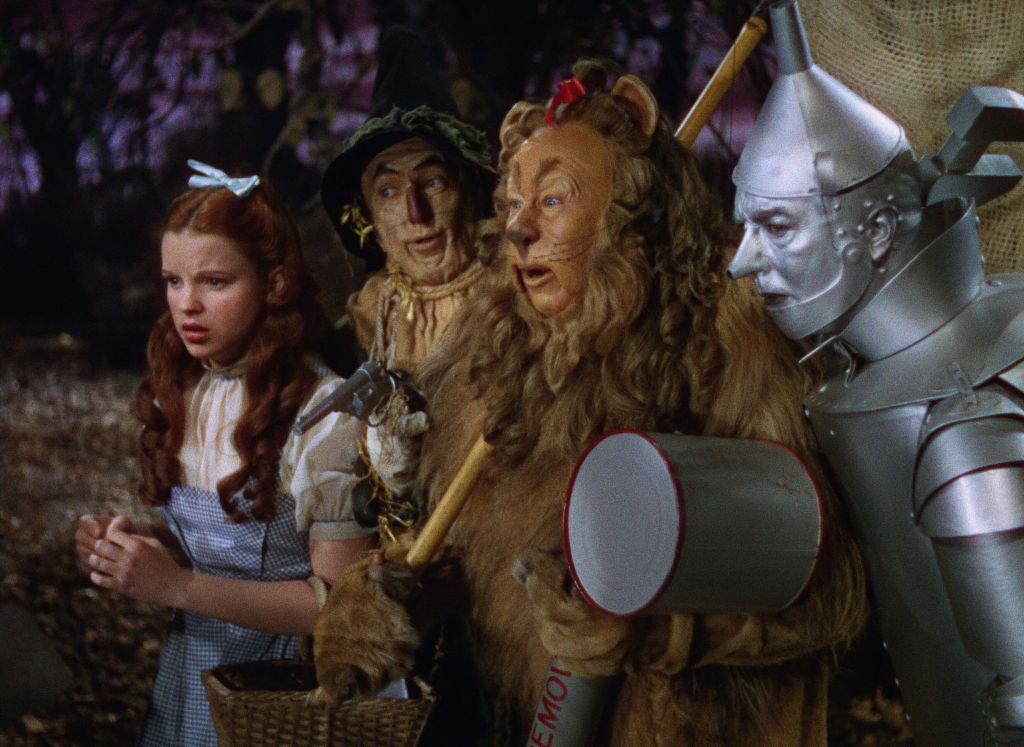
- 1939: The Wizard of Oz. While iconic, the production was a grueling affair. Buddy Ebsen, originally cast as the Tin Man, was hospitalized due to a severe allergic reaction to the aluminum dust makeup. Furthermore, Margaret Hamilton suffered second and third-degree burns when a pyrotechnic effect malfunctioned.
- 1963: Cleopatra. A cautionary tale of studio hubris, the film’s budget ballooned to unprecedented levels, nearly bankrupting 20th Century Fox. The production was marred by constant delays, location changes, and the intense media scrutiny surrounding Elizabeth Taylor and Richard Burton.
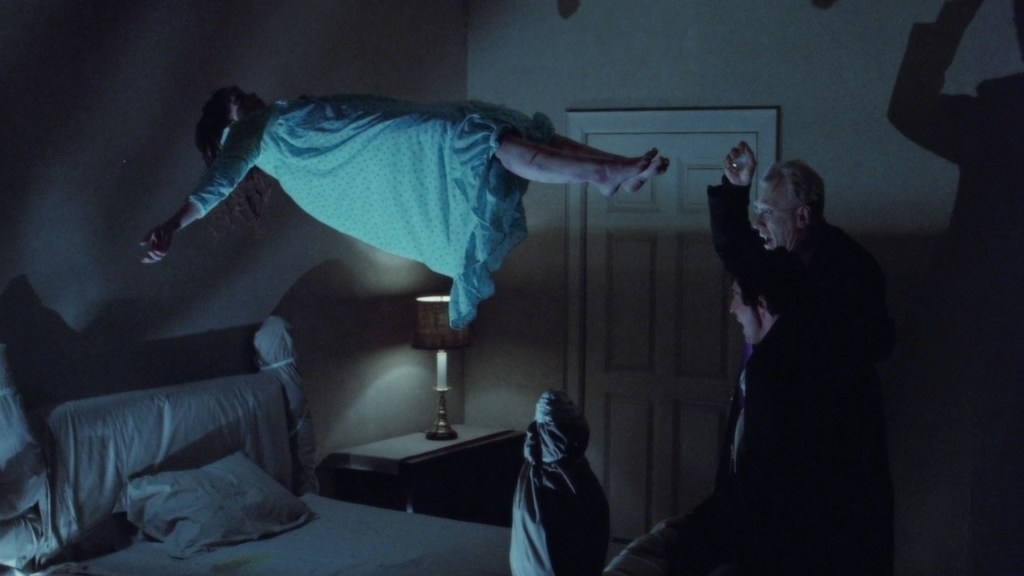
- 1973: The Exorcist. This horror classic is famously surrounded by urban legends. In reality, the production suffered from a series of bizarre accidents, including a set fire that destroyed almost the entire interior, resulting in a six-week delay.
- 1975: Jaws. Steven Spielberg’s struggle with the "Bruce" mechanical shark is legendary. Working on the open ocean caused the production to go severely over budget and behind schedule, as the salt water corroded the mechanics, turning a shoot meant to last 55 days into a 159-day ordeal.
- 1979: Apocalypse Now. Francis Ford Coppola’s descent into madness in the Philippine jungle included a heart attack for lead actor Martin Sheen, the destruction of sets by a typhoon, and the infamous erratic behavior of Marlon Brando.
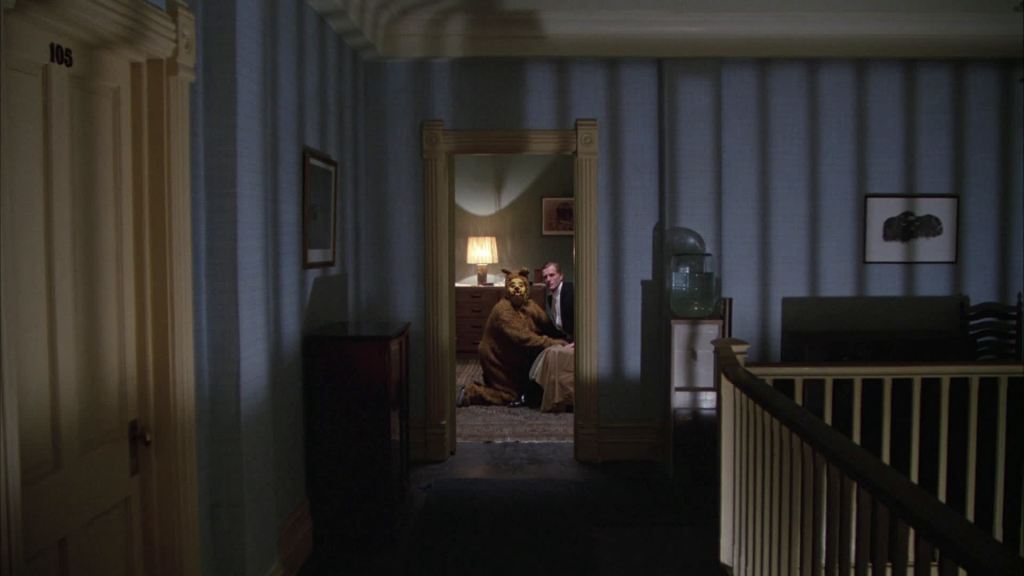
- 1980: The Shining. Stanley Kubrick’s perfectionism famously pushed Shelley Duvall to the brink of physical and emotional exhaustion. The requirement for hundreds of takes for simple scenes remains a subject of debate regarding director-actor boundaries.
- 1980: Heaven’s Gate. The film became a synonym for failure due to director Michael Cimino’s runaway budget. The production costs decimated United Artists and essentially ended the "Director-as-Auteur" era of the 1970s.
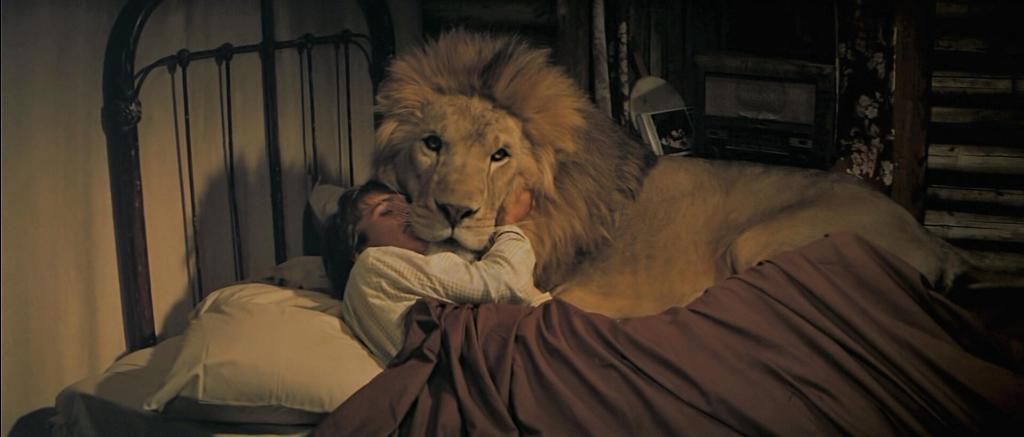
- 1981: Roar. Often cited as the most dangerous film ever made, the production involved 150 untamed lions, tigers, and leopards. Over 70 cast and crew members were injured, including director Tippi Hedren, who suffered a fractured leg and scalp wounds.
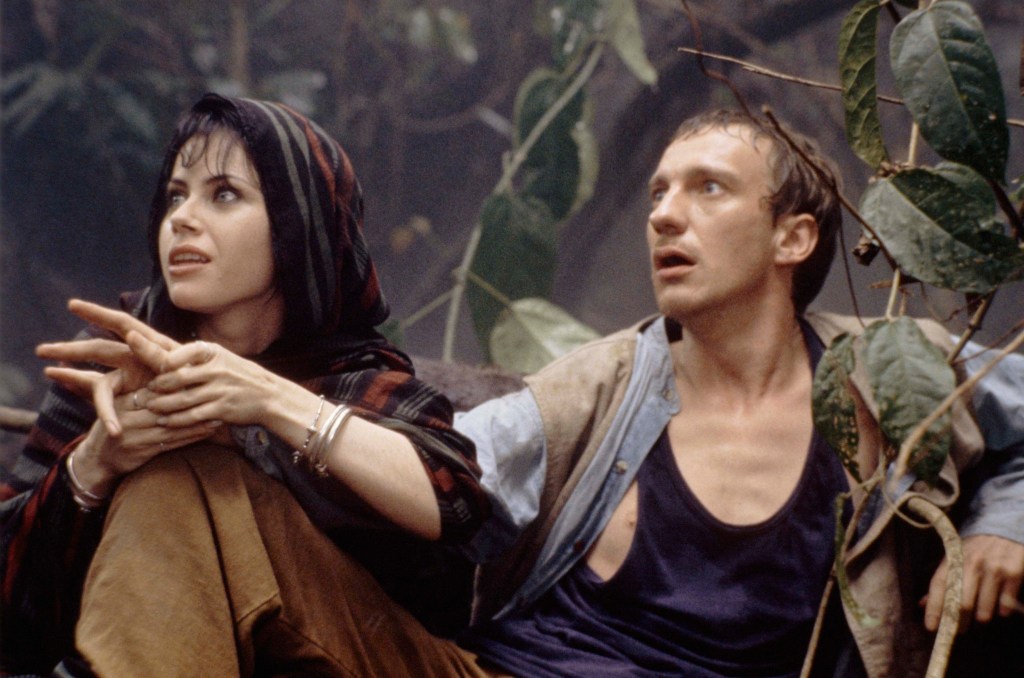
- 1982: Fitzcarraldo. Werner Herzog’s insistence on authenticity led him to move a 320-ton steamship over a mountain using only block and tackle. The production was fraught with physical danger and political unrest in Peru.
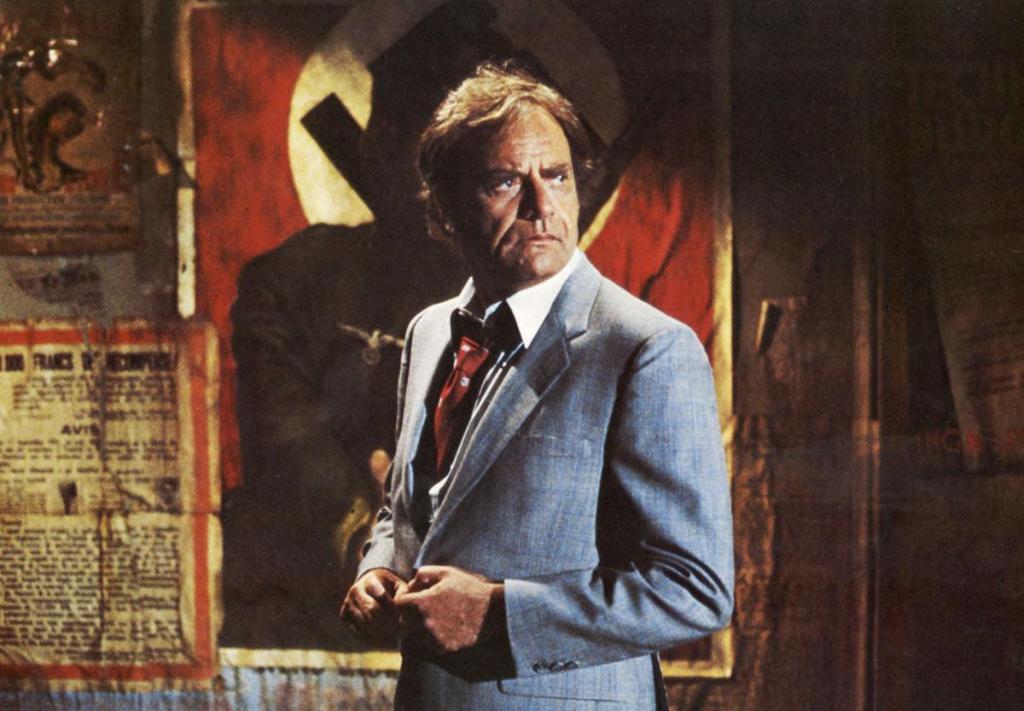
- 1983: Twilight Zone: The Movie. The tragic helicopter accident that killed actor Vic Morrow and two child actors serves as the industry’s darkest milestone, fundamentally altering on-set safety protocols and labor laws.
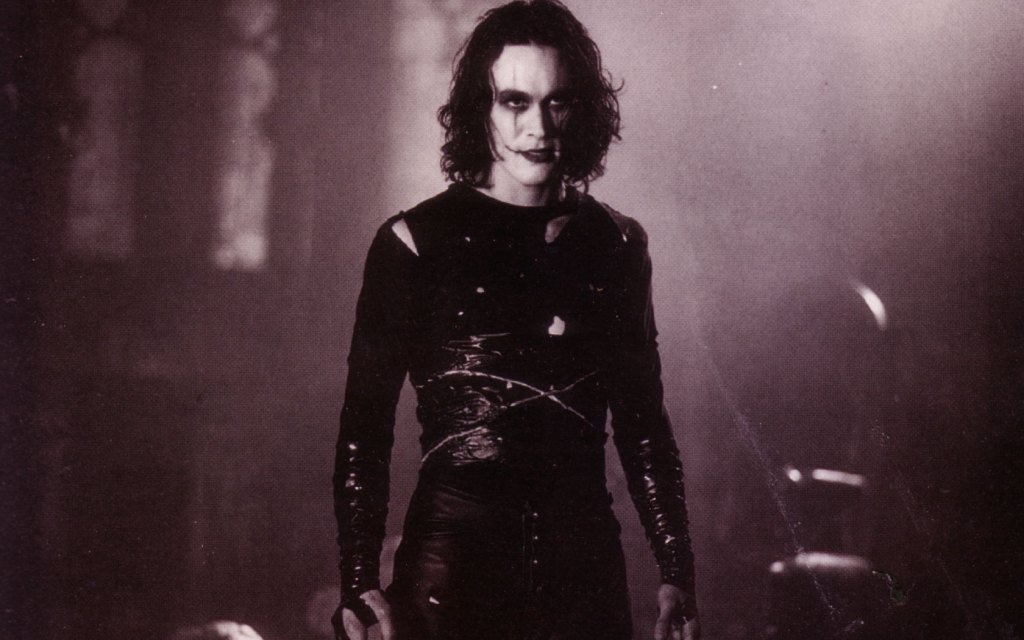
- 1994: The Crow. The accidental shooting death of Brandon Lee due to a improperly checked prop gun remains one of the most heartbreaking instances of negligence in film history.
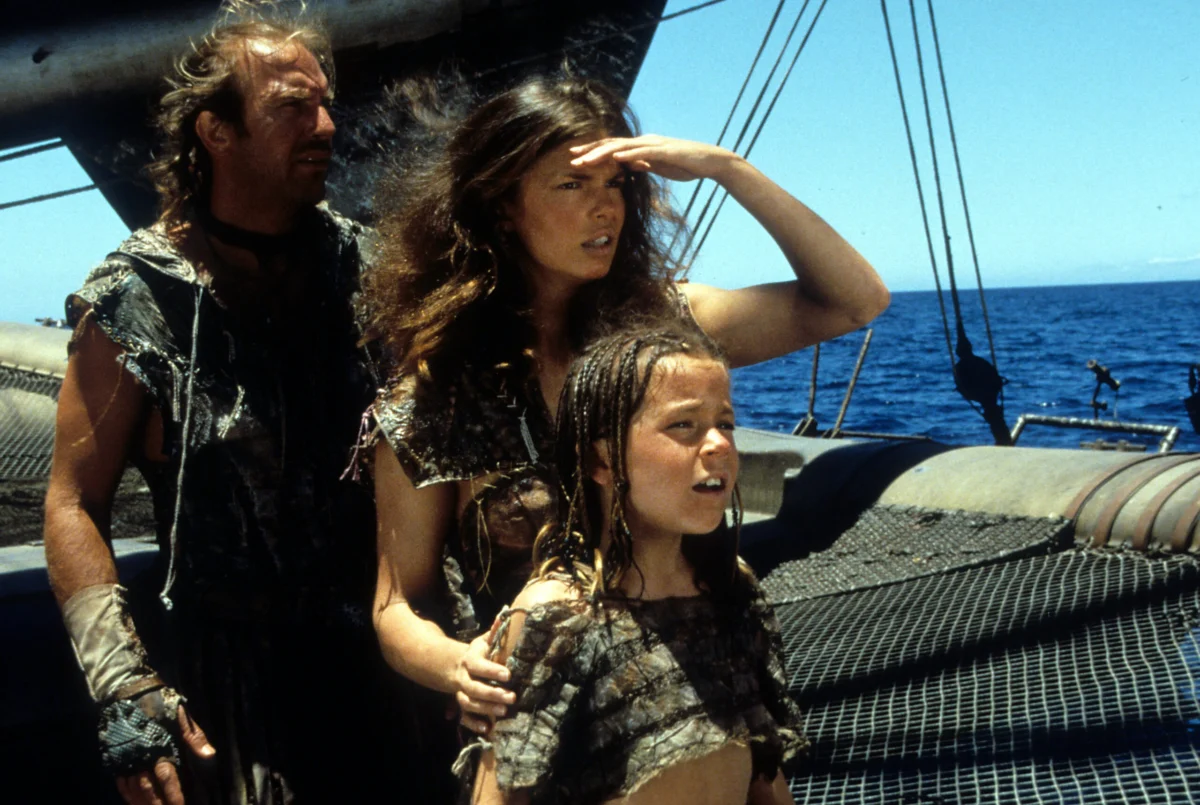
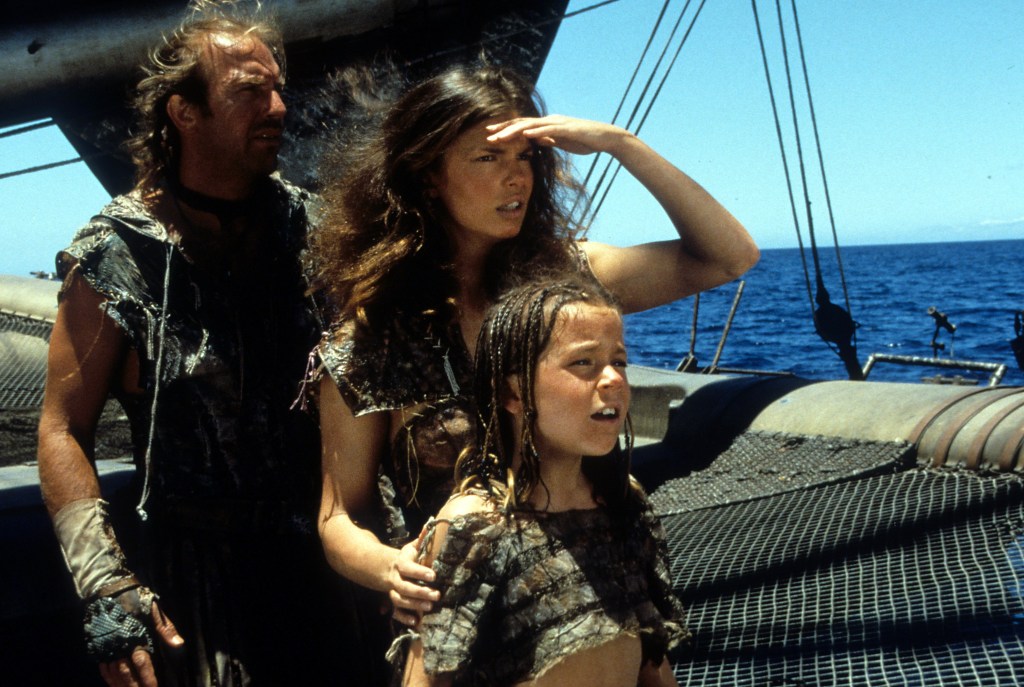
- 1995: Waterworld. Like Jaws, the reliance on water-based sets proved disastrous. The floating sets were battered by storms, and the film’s budget became the target of industry ridicule before its release.
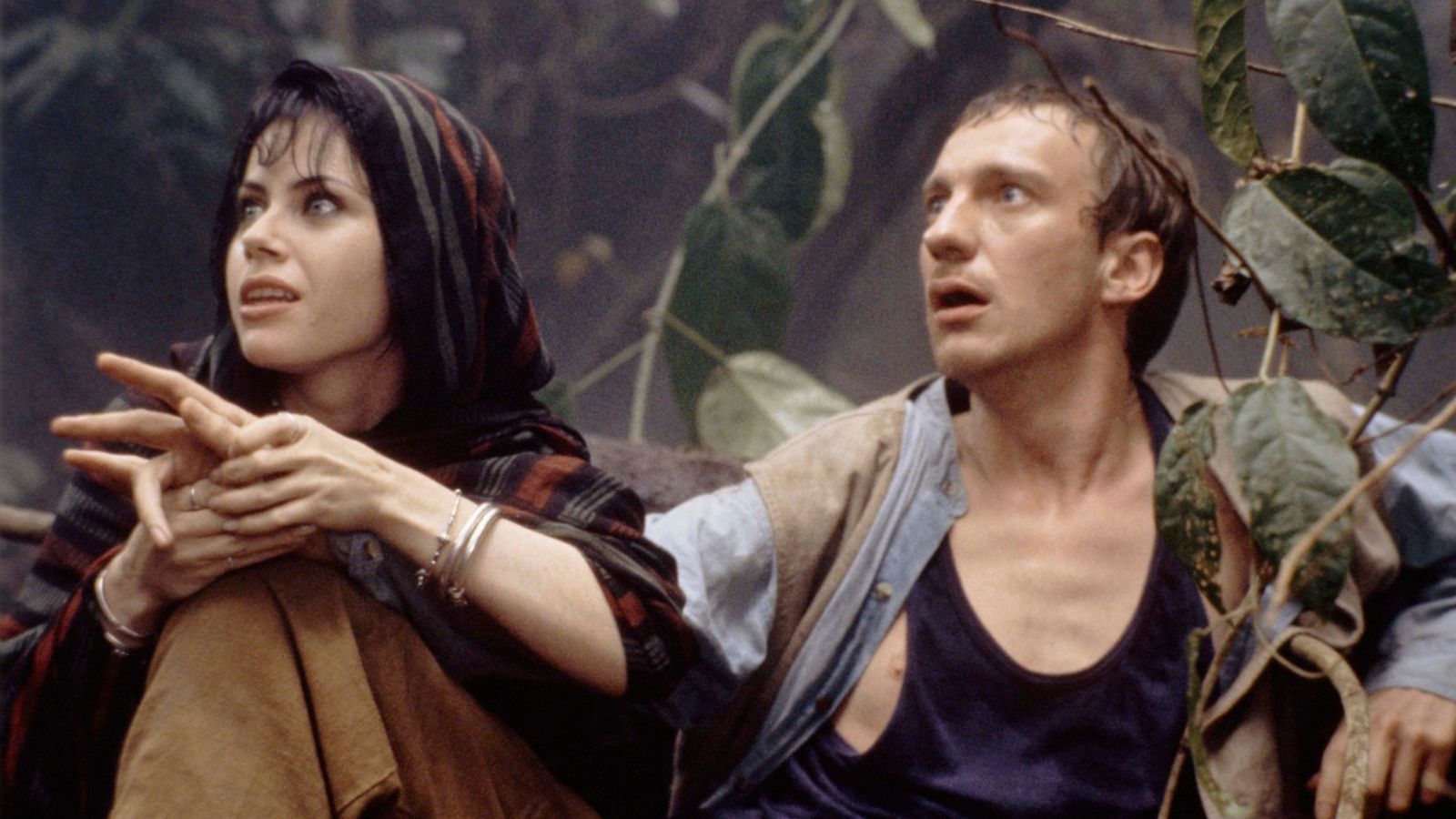
- 1996: The Island of Dr. Moreau. A production defined by chaos, including the firing of the original director, severe weather, and the unpredictable behavior of Marlon Brando, who reportedly refused to memorize his lines.
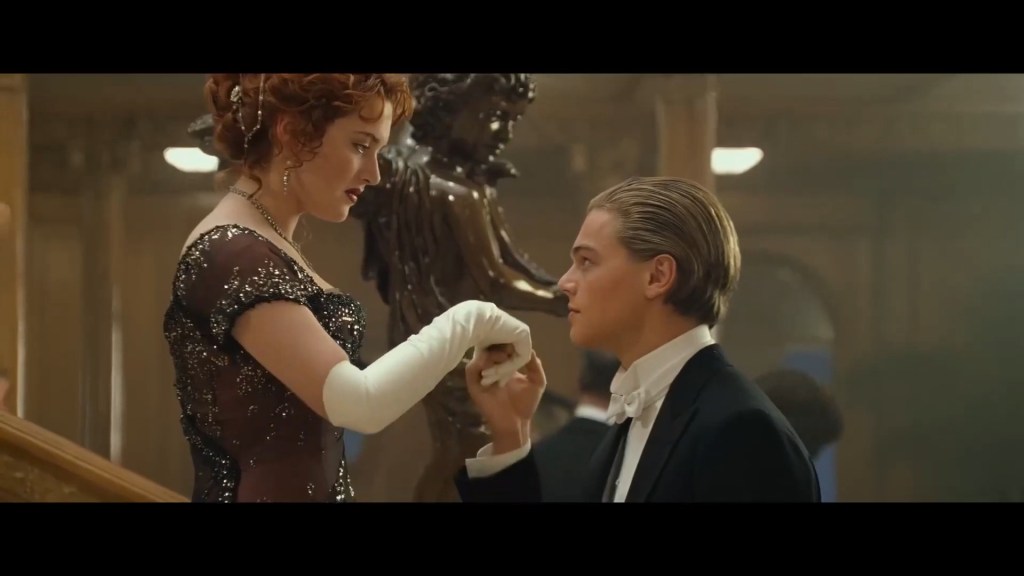
- 1997: Titanic. James Cameron’s obsession with realism pushed the cast to their physical limits, with many actors spending hours in cold water, leading to illness and widespread fatigue on the massive production.
- 2015: Mad Max: Fury Road. The intense, practical-heavy stunts in the Namibian desert created a high-pressure environment that strained relationships between stars Charlize Theron and Tom Hardy.
2. Supporting Data: The Economic and Human Cost
When analyzing these productions, two primary themes emerge: Budgetary Bloat and Human Negligence.
- Financial Instability: Films like Cleopatra, Waterworld, and Heaven’s Gate demonstrated that "runaway productions" could threaten the stability of major studios. These films often became "sunk cost" fallacies, where the studio continued to pour money into a project simply because they were too invested to quit.
- Safety Records: The period between 1980 and 1995 saw a disproportionate number of accidents. This led to the formation of stricter unions and safety oversight committees. Data from the Screen Actors Guild (SAG-AFTRA) shows a sharp decline in major on-set injuries following the 1983 Twilight Zone incident, as new regulations regarding pyrotechnics and hazardous machinery were codified.
3. Official Responses and Industry Accountability
In the wake of these incidents, the film industry has been forced to evolve. In the early days of Hollywood, directors were viewed as absolute authorities, and the safety of the crew was secondary to the "vision."
Today, the response is institutionalized. The Alliance of Motion Picture and Television Producers (AMPTP) and various labor unions now enforce the "Safety Bulletin" guidelines. These documents dictate everything from the handling of firearms—which saw a renewed focus following the Rust incident in 2021—to the maximum hours a crew can work in a single day.
Studios have moved away from the "auteur-at-all-costs" model, opting instead for rigorous insurance underwriting and "completion bonds." A completion bond company essentially monitors a production’s financial and physical health, with the power to remove a director if the production risks crossing a line into total failure or physical endangerment.
4. Implications: A Changing Industry Culture
The darker side of the movie business has left a permanent scar on the industry’s culture, but it has also acted as a catalyst for reform.
The Shift Toward Safety
The transition from practical, dangerous stunts to Computer Generated Imagery (CGI) is not just a technological advancement; it is a safety mandate. By replacing real lions with digital ones or using green screens instead of building massive, unstable water sets, studios have significantly reduced the risk to human life.
The Psychological Toll
The modern discourse now includes the mental health of performers. The accounts of actors like Shelley Duvall (The Shining) or the cast of Titanic have paved the way for "Intimacy Coordinators" and on-set therapists. The industry is slowly acknowledging that the "tortured artist" trope is an outdated and dangerous justification for poor management.
The Legacy of the "Dark" Productions
While these films are remembered for their hardships, they are also remembered for their artistic significance. The struggle of Apocalypse Now or the grit of Mad Max: Fury Road resulted in films that defined their respective generations. The implication is that while the "underside" of the business is often cruel, it is also a crucible. The challenge for the industry moving forward is to maintain the artistic intensity of these projects without repeating the human cost that marked the 20th-century studio era.
In conclusion, the history of cinema is not just a list of films, but a list of lessons. Each of the 15 examples mentioned serves as a marker for how far the industry has traveled, and how much work remains to ensure that the pursuit of entertainment never again comes at the expense of human dignity and safety.











No comments yet. Be the first to join the conversation!