

The PlayStation 1 era is widely regarded as the "Golden Age" of the Japanese Role-Playing Game (JRPG). It was a transformative period that saw the genre leap from 2D sprites to immersive 3D environments, forever changing how stories were told in interactive media. From the global cultural phenomenon of Final Fantasy VII to the intricate political landscapes of Suikoden, the console acted as the primary vessel for the genre’s expansion into Western markets.
However, nostalgia can be a deceptive filter. While the PS1 library is home to some of the greatest titles ever produced, it is also littered with experimental, clunky, and outright frustrating experiences that struggled to adapt to the transition into the third dimension. For modern players with limited time and massive backlogs, discerning between a "hidden gem" and a "forgotten catastrophe" is essential. Here, we explore ten PS1 JRPGs that, despite their place in history, are best left on the shelf.
The Illusion of Quality: A Chronology of Stumbles
The mid-to-late 90s were characterized by a "wild west" development environment. As developers raced to master the new polygonal hardware, quality control often took a backseat to technical ambition. This led to a bifurcated market: on one side, masterpieces like Xenogears and Persona 2; on the other, a graveyard of ambitious failures.
Many of the titles listed below represent a specific type of failure: the "good on paper" project. Whether it was the transition from the fluid 2D action of the SNES era to the stiff 3D of the PS1, or the over-complication of turn-based systems in an attempt to be "innovative," these games serve as a cautionary tale of the growing pains the industry faced during its most pivotal decade.

The List: 10 PS1 JRPGs to Approach with Caution
10. The Granstream Saga
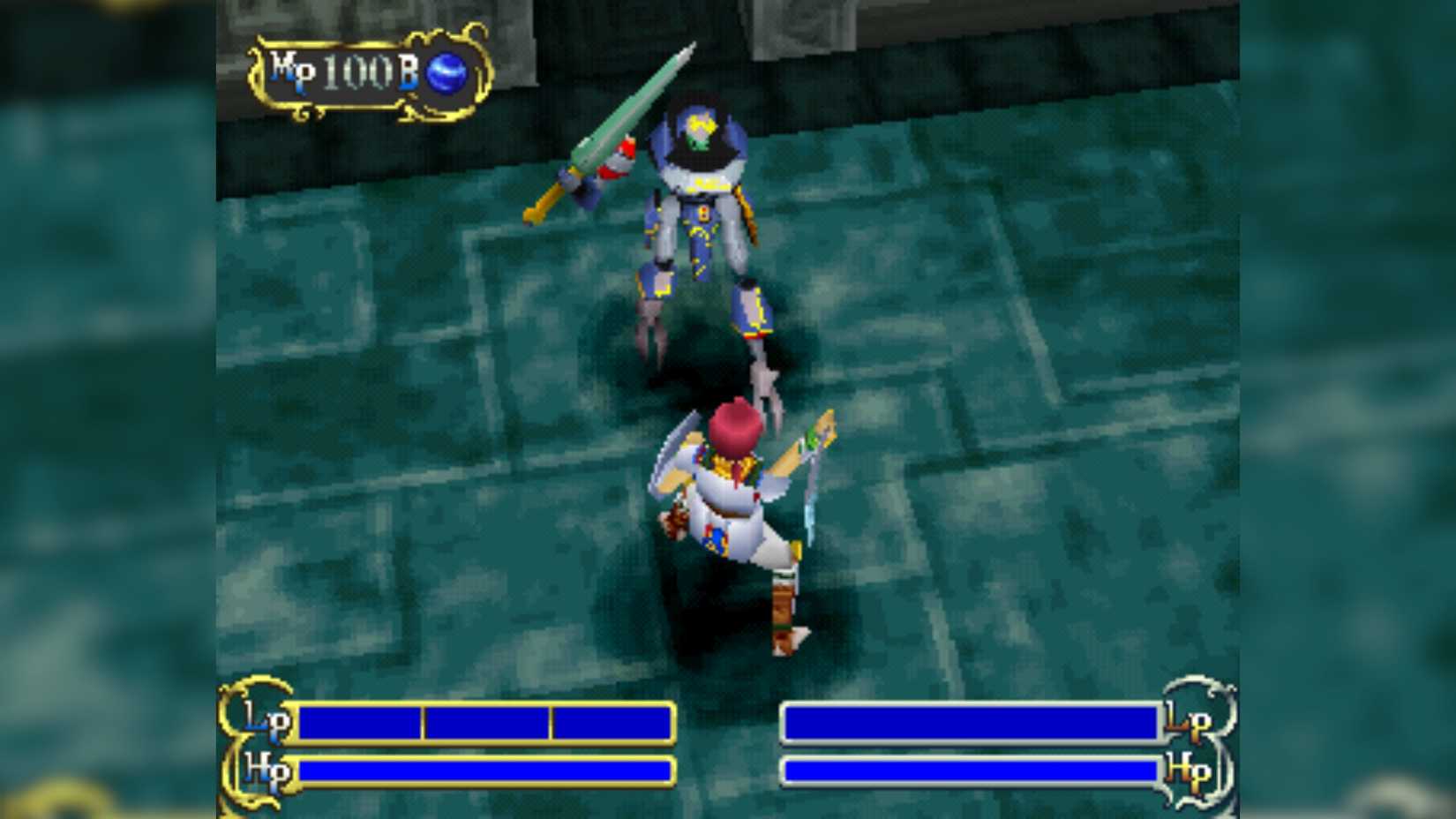
Coming from the legendary studio Quintet, which had previously delivered the atmospheric masterpiece Terranigma, The Granstream Saga was highly anticipated. Unfortunately, it served as a stark reminder that even talented developers can lose their footing during a generational leap. The game’s 1v1 combat system, which relied on a clunky Z-targeting mechanism, felt disconnected and shallow. The lack of facial features for the protagonist and the repetitive, uninspired level design made it an obscure title for all the wrong reasons.
9. Digimon World 3
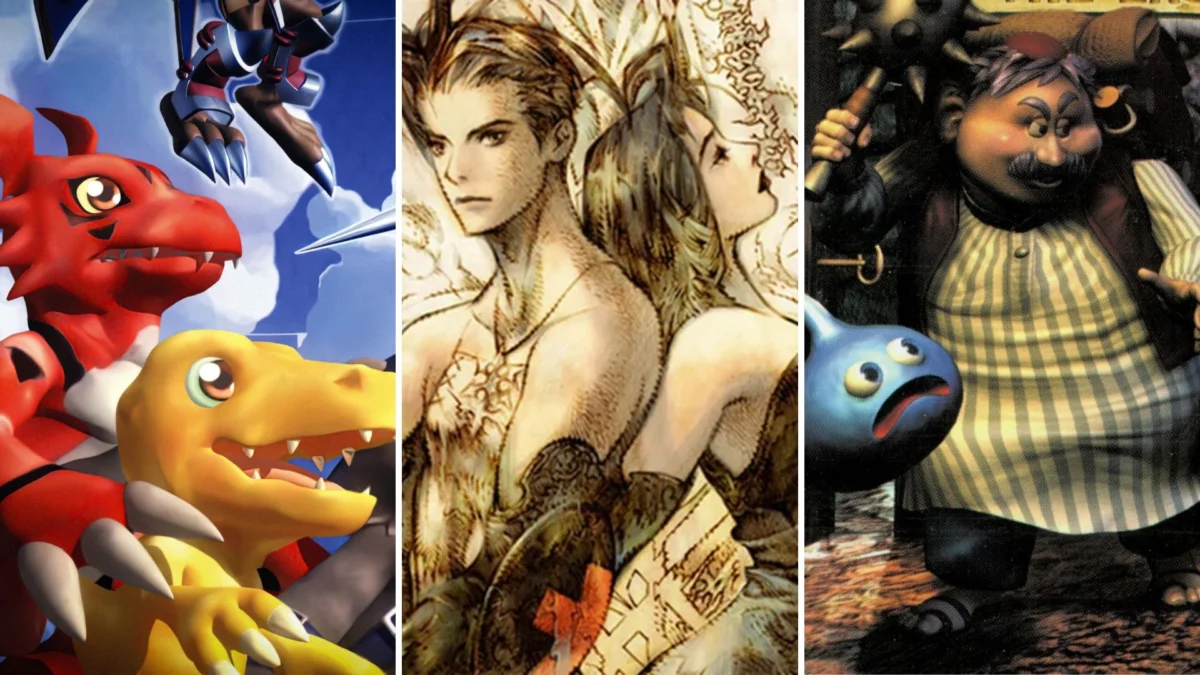
While Digimon World captured the charm of virtual pets and Digimon World 2 introduced a unique grid-based dungeon crawler feel, the third entry lost its way. The game is infamous for its excessive, soul-crushing backtracking. What could have been a streamlined experience was buried under mountains of tedious traversal that added nothing but length to the runtime. For a game that requires 45+ hours to complete, the repetitive loop of back-and-forth errands makes the quest feel more like a chore than an adventure.
8. Brigandine: The Legend of Forsena
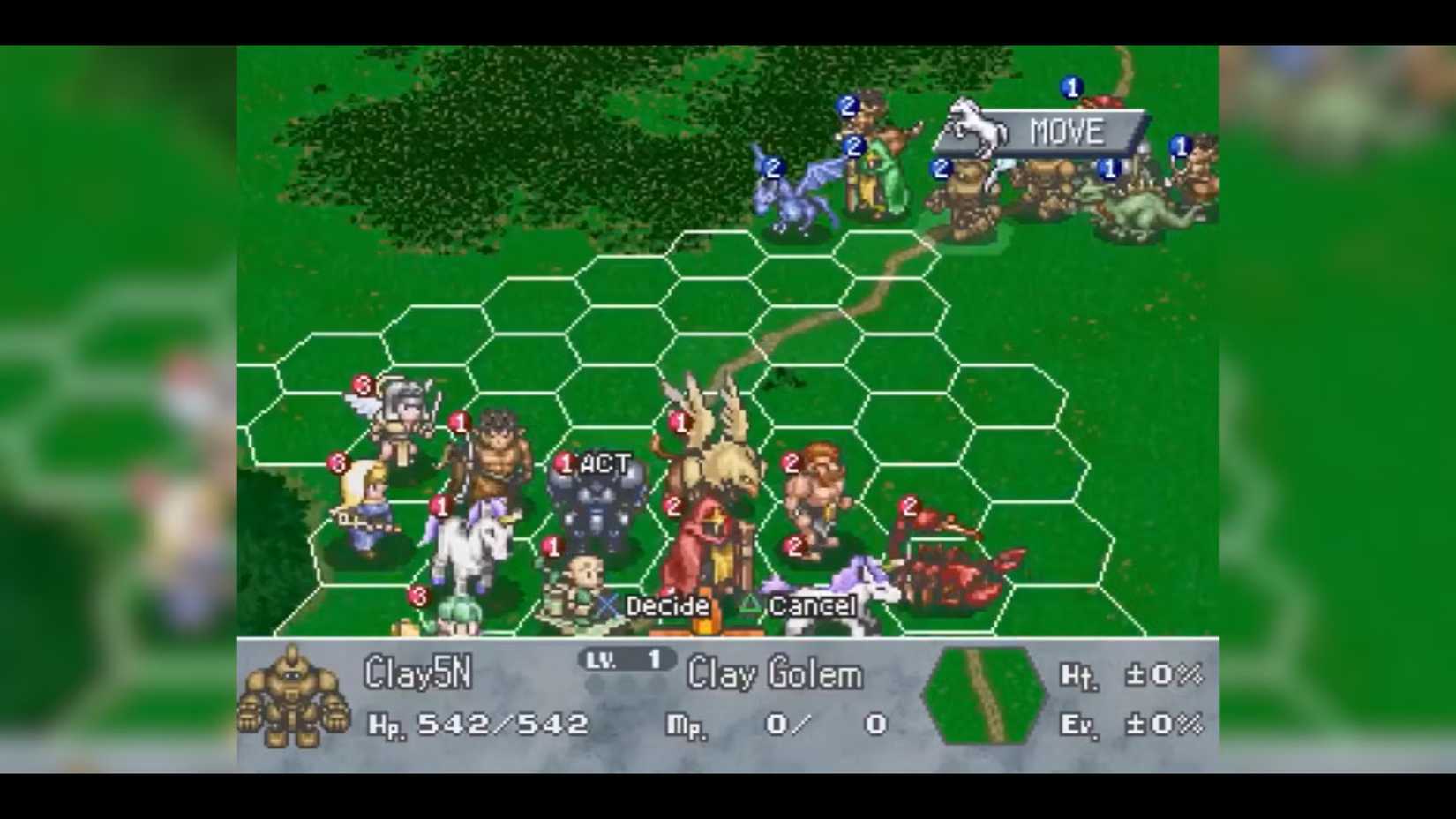
This is a nuanced entry. Brigandine is a deep, strategic, and often charming tactical game, but it has been rendered largely obsolete by its own successor, The Legend of Runersia. Runersia acts as a spiritual remake, refining the mechanics, updating the visuals, and streamlining the faction management that felt sluggish in the original. If you are interested in the Brigandine experience, there is little reason to struggle with the dated interface of Forsena when a superior, modernized version exists.
7. Hoshigami: Ruining Blue Earth
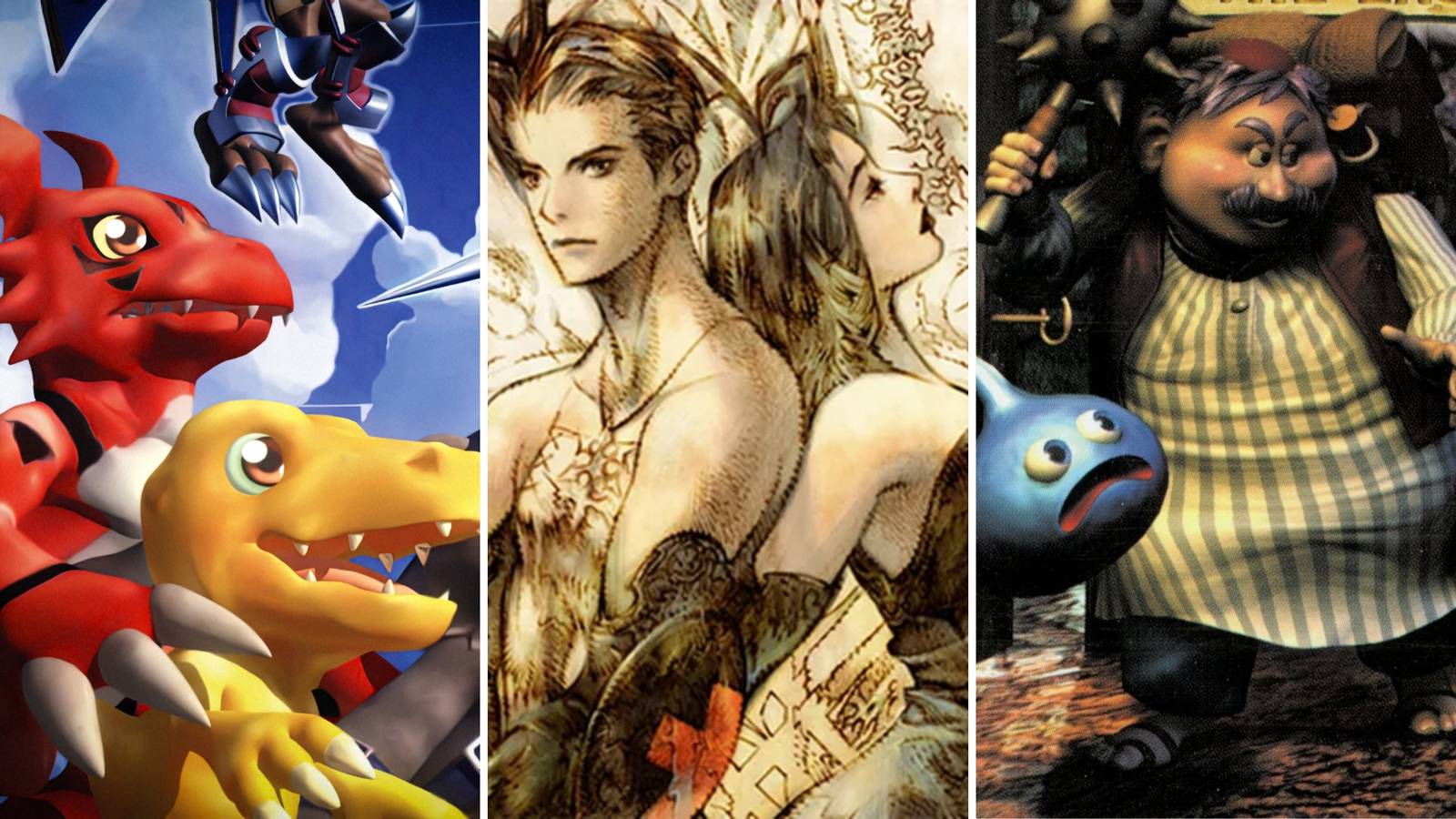
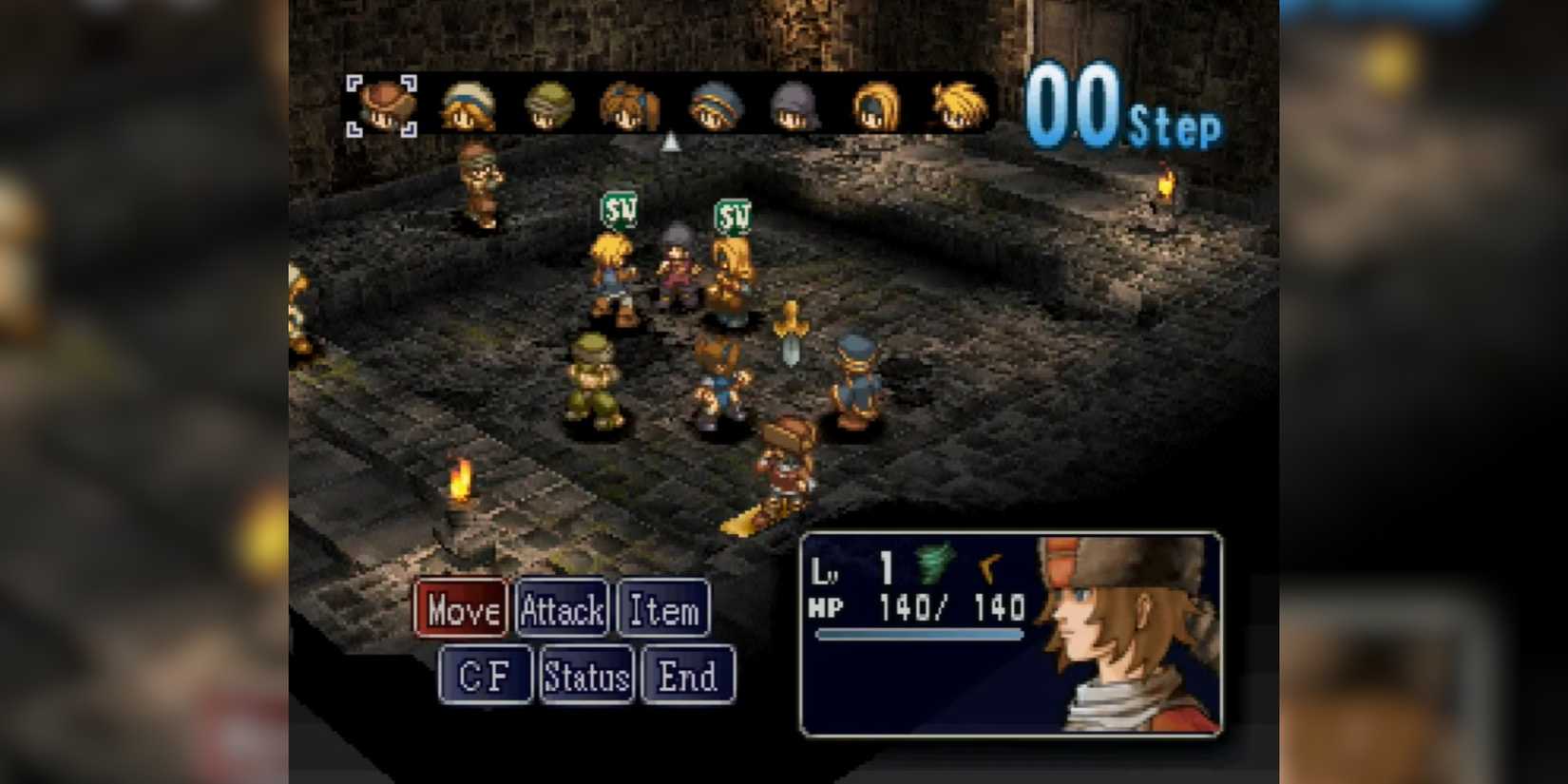
Tactical JRPGs were a crowded genre on the PS1. Hoshigami attempted to stand out by adding layers of complexity to its mechanics, but it unfortunately crossed the line into "tactical sadism." The inclusion of permanent character death combined with a grind-heavy progression system meant that losing a unit could effectively ruin your save file. It is a game that demands perfection, yet it provides a clunky, frustrating interface that often leads to accidental mistakes.
6. World of Dragon Warrior: Torneko – The Last Hope
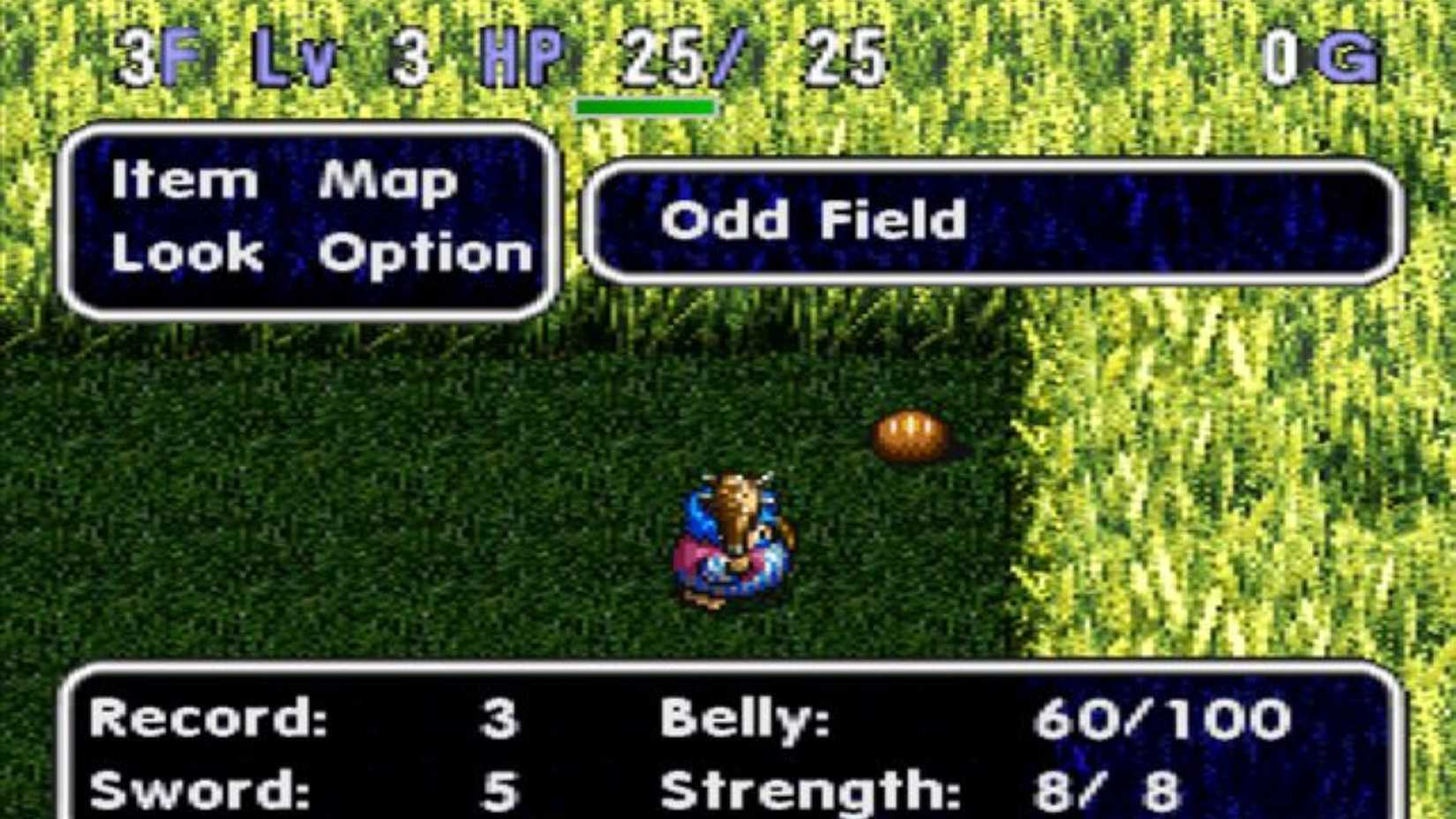
Fans of Dragon Quest IV may feel a sense of loyalty to the merchant Torneko, but this Mystery Dungeon spin-off is a harsh experience. While the subseries has its devotees, The Last Hope features punishing roguelike mechanics that feel disconnected from the Dragon Quest spirit. Without the charm of a traditional narrative to drive you, the repetitive, RNG-heavy dungeon crawling becomes a test of patience that few players will find rewarding.
5. Guardian’s Crusade
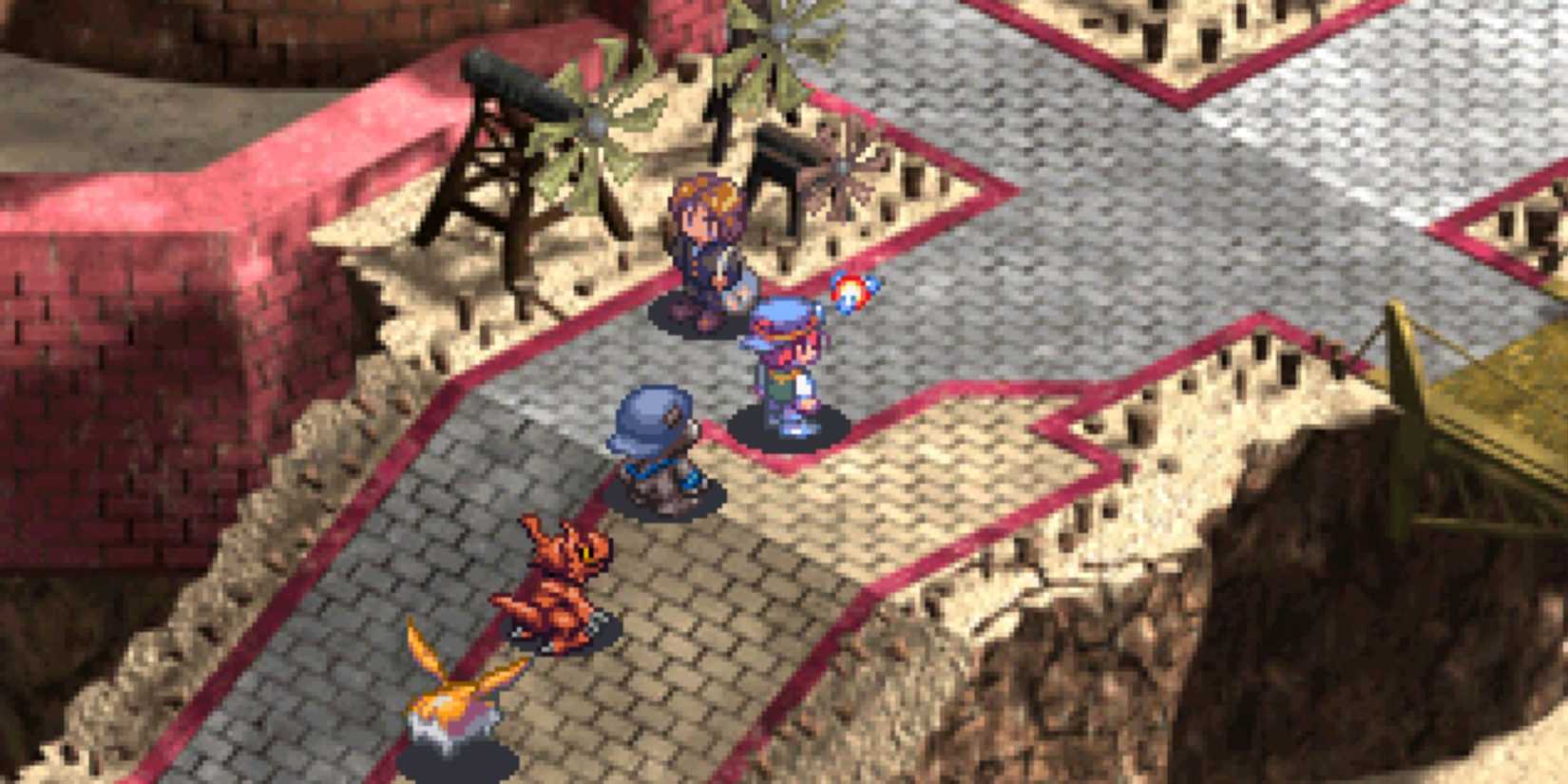
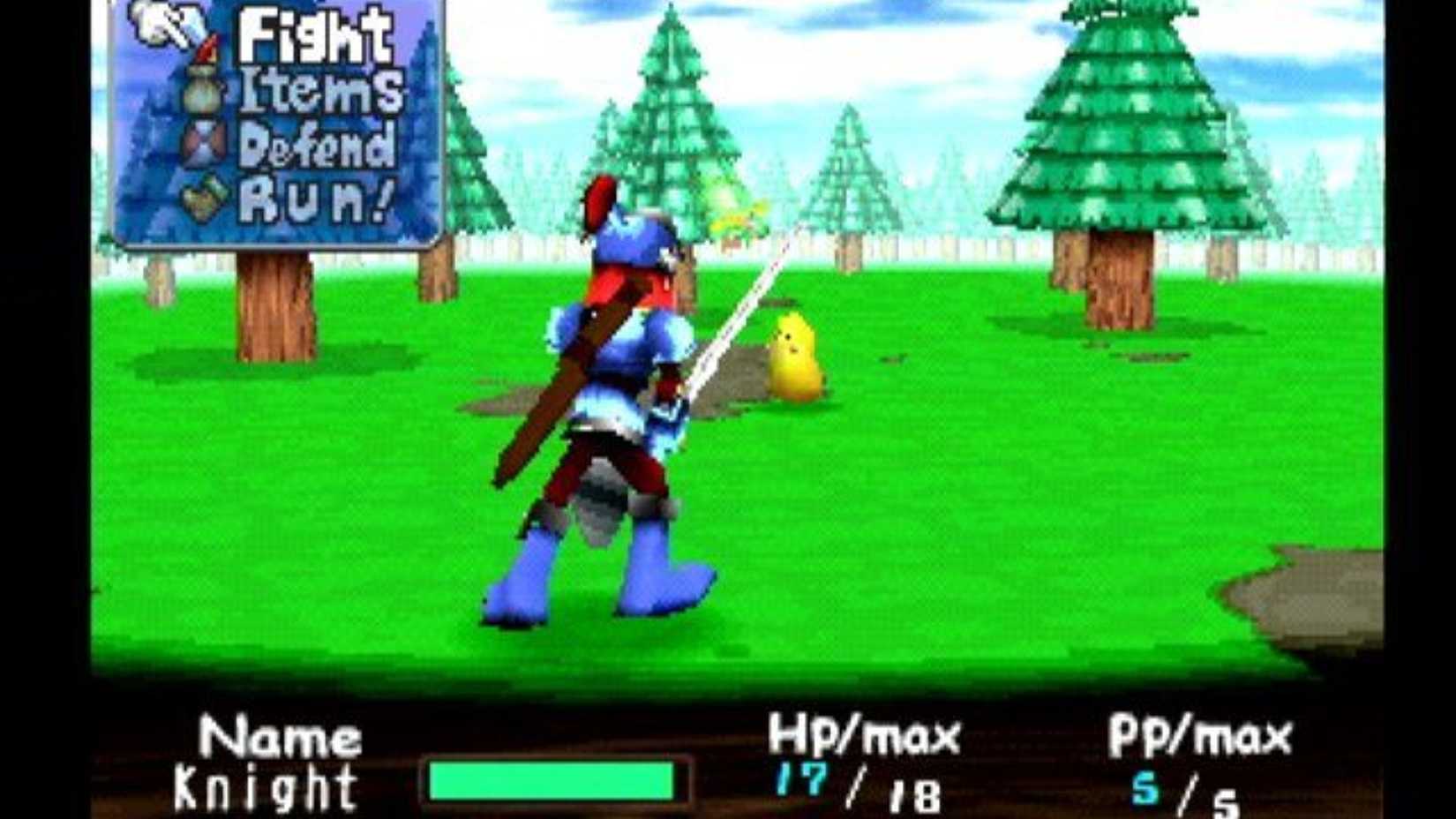
Guardian’s Crusade is a textbook example of "cozy, but empty." While it earns points for being one of the first JRPGs to move away from random encounters—a mechanic later popularized by EarthBound—the actual gameplay loop is incredibly generic. The story is predictable, the combat is shallow, and the "Living Toy" collection mechanic, while creative, doesn’t offer enough depth to sustain a full-length campaign. It is a title that feels like a prototype for better games to come.
4. Vagrant Story
This entry is controversial. Vagrant Story is technically brilliant, boasting one of the best scripts and art directions on the platform. However, it is fundamentally an "avoid" for the average player due to its extreme complexity. The weapon crafting, affinity systems, and the "Risk" mechanic are so opaque that they require a constant reference to a manual—something most modern players are unwilling to do. It is a masterpiece for the hardcore enthusiast, but a nightmare for the casual gamer.
3. Blaze & Blade: Eternal Quest
Blaze & Blade makes the mistake of prioritizing its systems over its substance. While it allows for party building with various races and classes, it provides absolutely no narrative glue to hold the experience together. Without a compelling world or character-driven plot, the combat—which is, unfortunately, quite repetitive—is left to carry the entire game. It is a lukewarm experience that fails to deliver on the "eternal" promise of its title.
2. Beyond the Beyond
Developed by Camelot, the minds behind the beloved Shining Force series, Beyond the Beyond was expected to be a hit. Instead, it was a dull, punishing slog. The encounter rate is notoriously high, and the combat system—which features a "timed input" mechanic—often fails to register correctly. It is a game defined by its frustration, forcing players to grind endlessly while managing a limited supply of healing resources, leading to a constant, boring loop of running back to town.
1. Monster Seed
At the top of our list is Monster Seed, a game that remains unpolished to the point of being nearly unplayable. The translation is poor, the mechanics are confusing, and the combat is consistently frustrating. The inclusion of a "Suicide" command for your monsters is perhaps the perfect metaphor for the experience: you will likely want to end your own session long before the game expects you to.
Supporting Data: The Cost of the "Backlog"
The modern gaming landscape is defined by the "backlog"—a digital pile of shame that grows every time a Steam sale occurs. Research into player habits shows that the average gamer finishes less than 30% of the games they purchase. When looking at a 30-year-old console, the opportunity cost is even higher. Spending 50 hours on a mediocre, clunky, or poorly balanced JRPG like Monster Seed or Beyond the Beyond is 50 hours that could have been spent on timeless classics like Final Fantasy IX or Suikoden II.
The "complexity" of games like Vagrant Story or the "grind" of Digimon World 3 are often defended by purists as "part of the experience," but from a journalistic standpoint, we must evaluate games based on their accessibility and their ability to respect the player’s time.
Official Responses and Developer Context
It is important to note that many of these titles were created under immense pressure. The Japanese development scene in the late 90s was undergoing a massive shift. Many teams were moving from 16-bit development to 3D, a transition that caused the collapse of several smaller studios. Games like The Granstream Saga were the result of developers struggling to find the language of 3D, often sacrificing gameplay fluidity in favor of visual experimentation.
Publishers, meanwhile, were desperate for content to fill the massive demand for JRPGs following the success of Final Fantasy VII. This created a climate where titles were rushed to market, often receiving minimal playtesting. The "sloppiness" noted in titles like Monster Seed is rarely the result of a lack of passion, but rather the symptom of a hyper-competitive, under-resourced industry era.
Implications for the Modern Player
The primary takeaway from this analysis is that "old" does not always equal "good." While the PS1 is a treasure trove of narrative innovation, it is also a graveyard of design flaws. Modern players should prioritize games that have stood the test of time, both in terms of narrative quality and mechanical polish.
If you are looking to dive into the PS1 library, consider:
- The "Greats": Final Fantasy VII-IX, Suikoden II, Chrono Cross.
- The "Cult Classics": Grandia, Lunar: Silver Star Story Complete.
- The "Avoids": Anything on the list above, unless you are a dedicated video game historian looking to study the evolution of design failures.
In conclusion, the history of the JRPG is a tapestry woven with both gold and lead. By avoiding the missteps of the past, we gain a greater appreciation for the titles that successfully navigated the treacherous transition into 3D, setting the stage for the genre to become the global titan it is today. Choose your next quest carefully; your time is the most valuable resource you have.











No comments yet. Be the first to join the conversation!