

Introduction: The Sea Captain Comes to Life
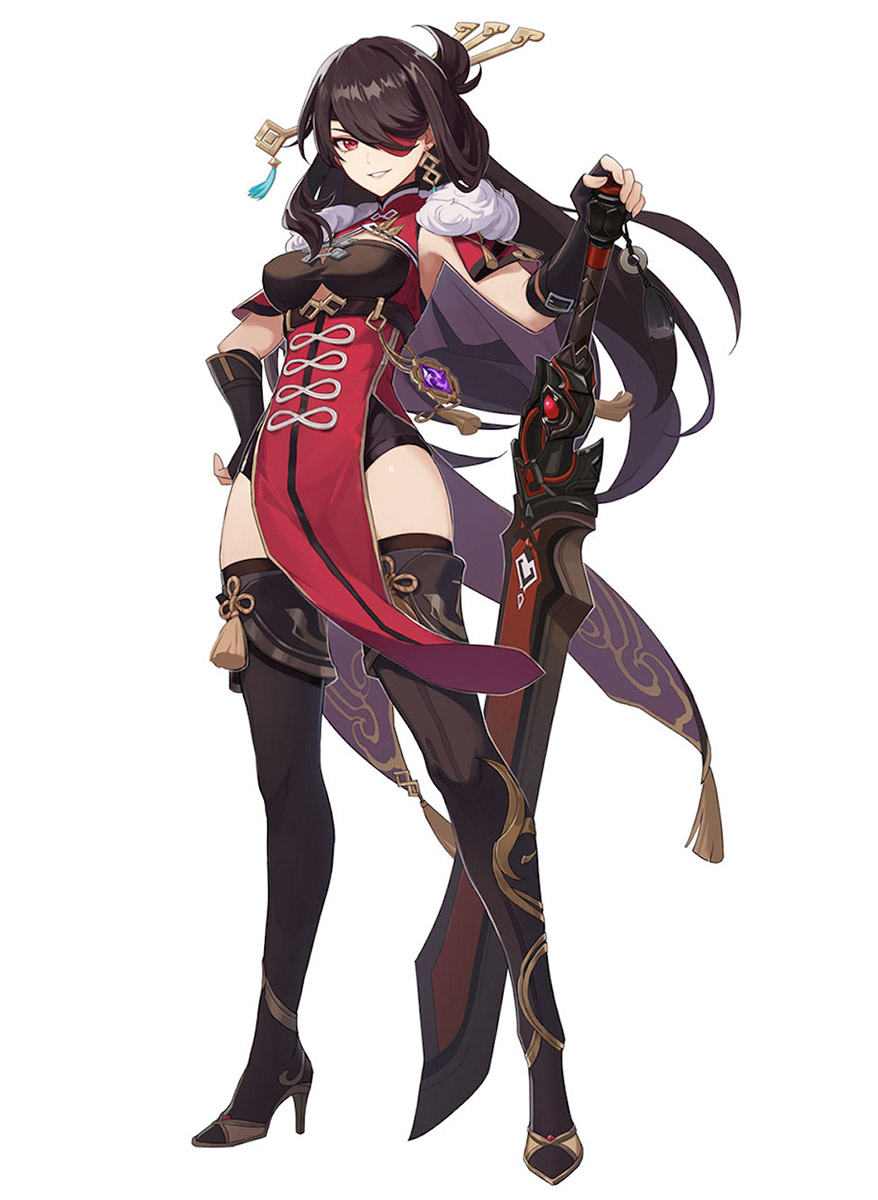
For the millions of players traversing the vibrant, expansive world of HoYoverse’s Genshin Impact, characters are more than just digital assets; they are icons of design, personality, and power. Among the roster of Liyue’s heroes, Captain Beidou of the Crux Fleet stands out as a formidable, claymore-wielding force of nature. For professional cosplayer Kamui Cosplay, the character was an instant obsession from her first pull in 2021.

When the developers at HoYoverse approached her to officially portray the Captain, it wasn’t just a job—it was the culmination of years of appreciation for Beidou’s striking aesthetic. However, transitioning a complex 3D character design from a digital screen to a physical, convention-ready costume is a gargantuan task that requires architectural precision, engineering prowess, and an uncompromising eye for detail. This is the story of how eight weeks of labor transformed raw materials into a breathtaking, screen-accurate depiction of Liyue’s most famous sailor.
The Foundation: Research and Architectural Planning
The common misconception among casual fans is that Genshin Impact costumes are "simple." While mass-produced versions saturate the market, capturing the intricate textures and structural integrity of the in-game model requires a deep dive into the source material.
To achieve the level of accuracy required for a professional collaboration, Kamui relied on the Games Fashion Archive, a repository of high-fidelity 3D models. This allowed her to deconstruct Beidou’s outfit, identifying how fabrics layer and where the structural points of the armor lie. Without this digital blueprint, the complexities of the cape’s draping and the placement of the golden vinyl accents would have been mere guesswork.
Chronology of Construction: An Eight-Week Odyssey
Phase I: The Duct Tape Patterning Method
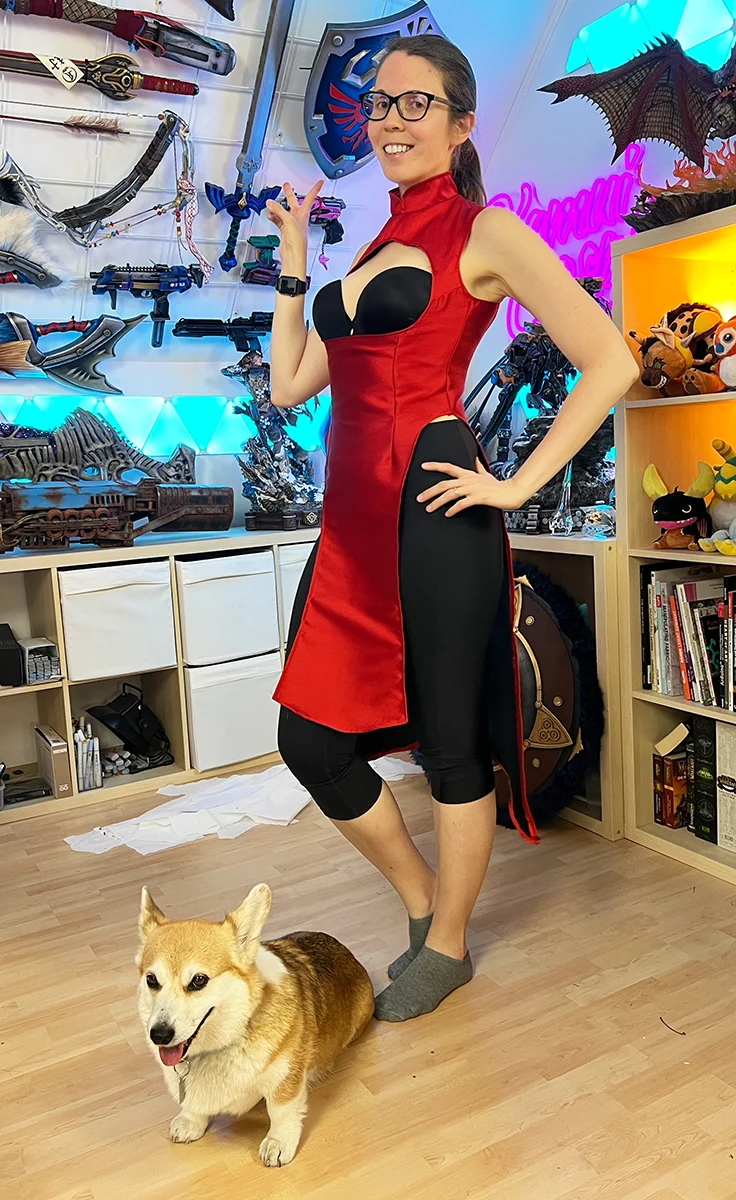
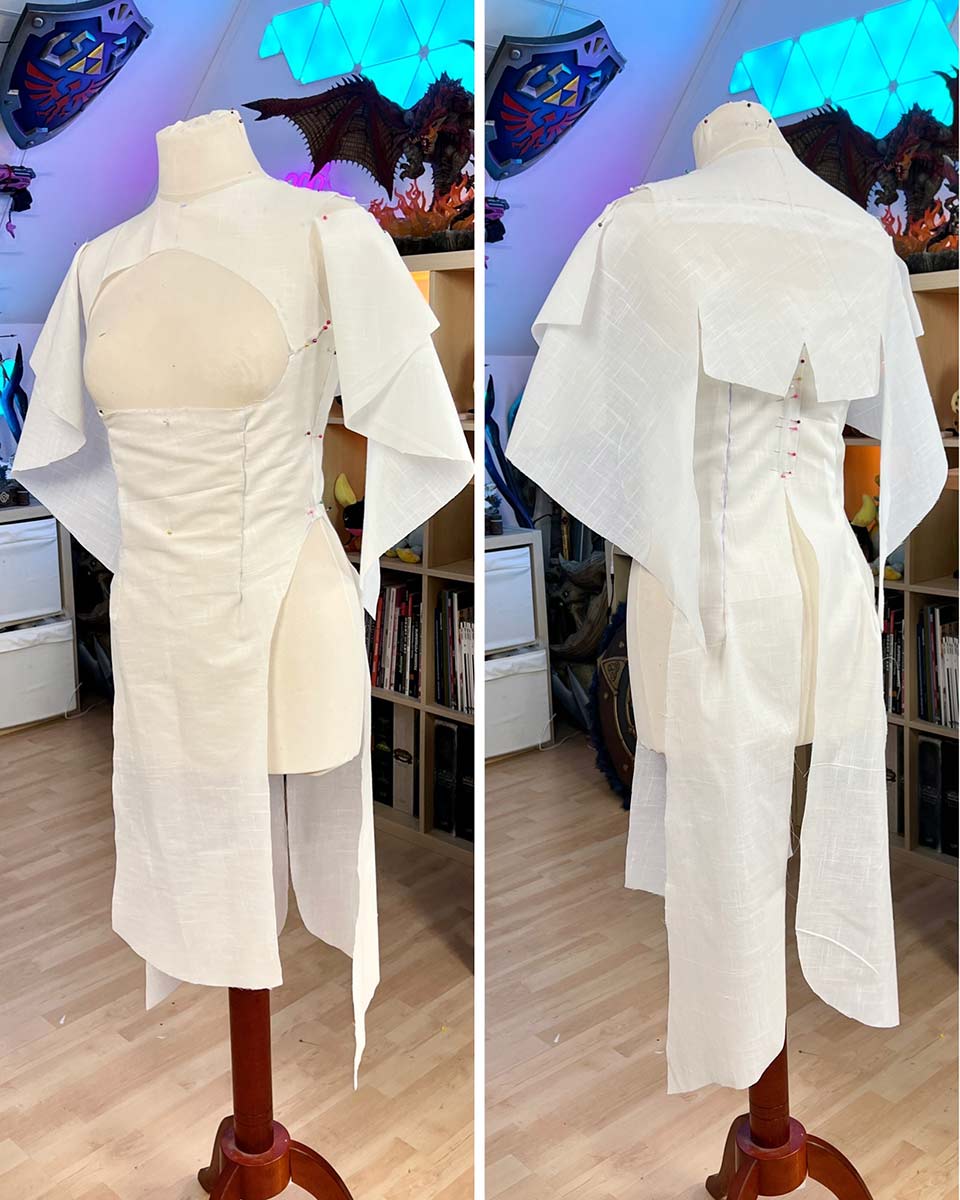
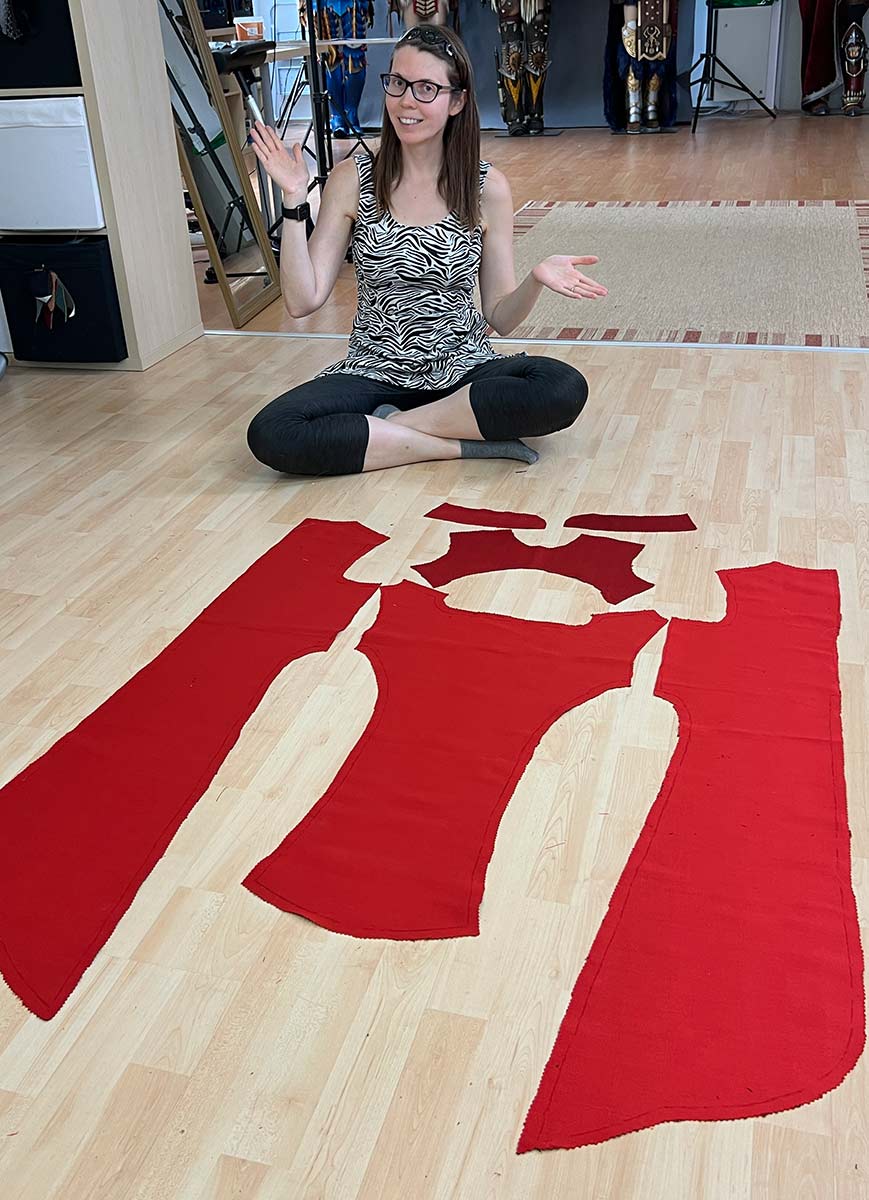
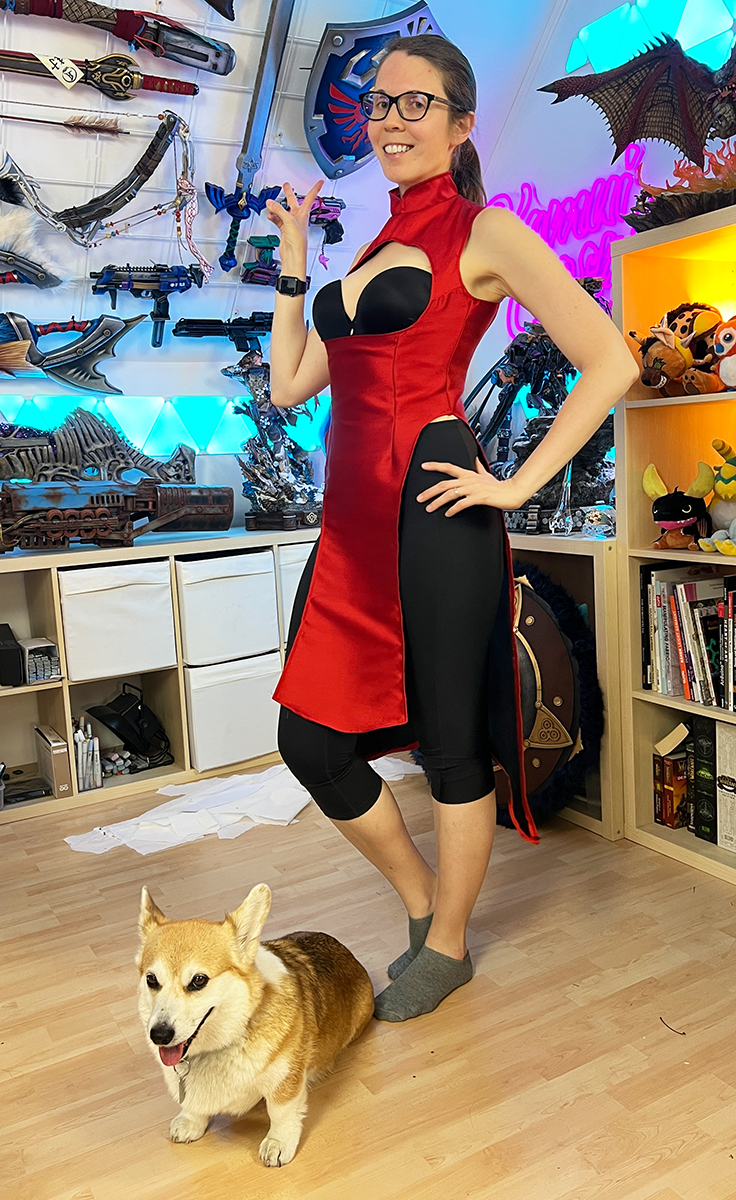
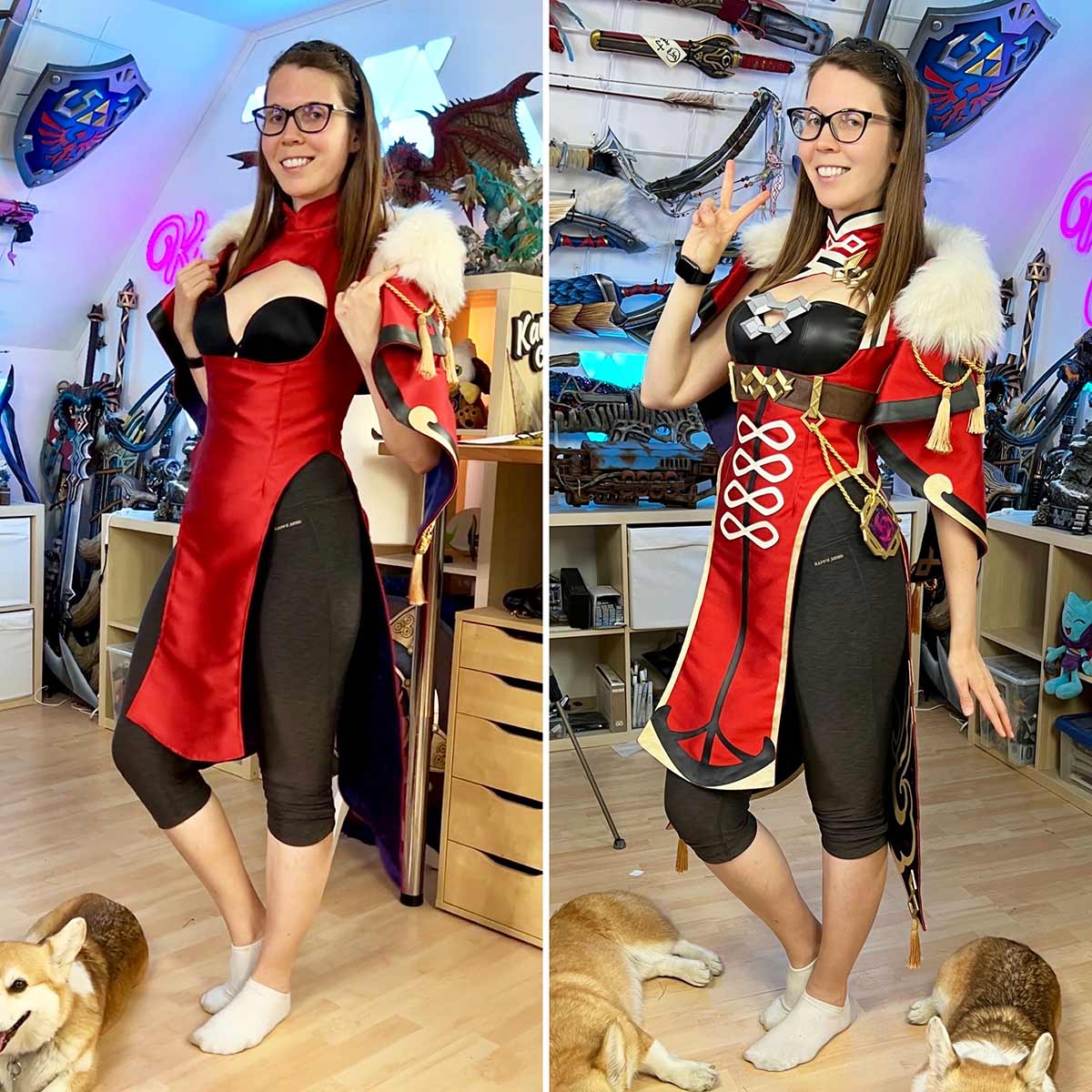
The garment creation began with the "duct tape pattern technique." By wrapping her body in layers of tape and sketching the panel lines directly onto the form, Kamui created a personalized mannequin that acted as a structural map. This process ensured a perfect fit, a critical requirement for a costume that would need to survive long hours on a convention floor. Once the patterns were transferred to linen for a mock-up, the transition to the final material—a heavy, iridescent, high-quality silk sourced from a local Düsseldorf boutique—could begin.
Phase II: The Precision of Tech-Integration
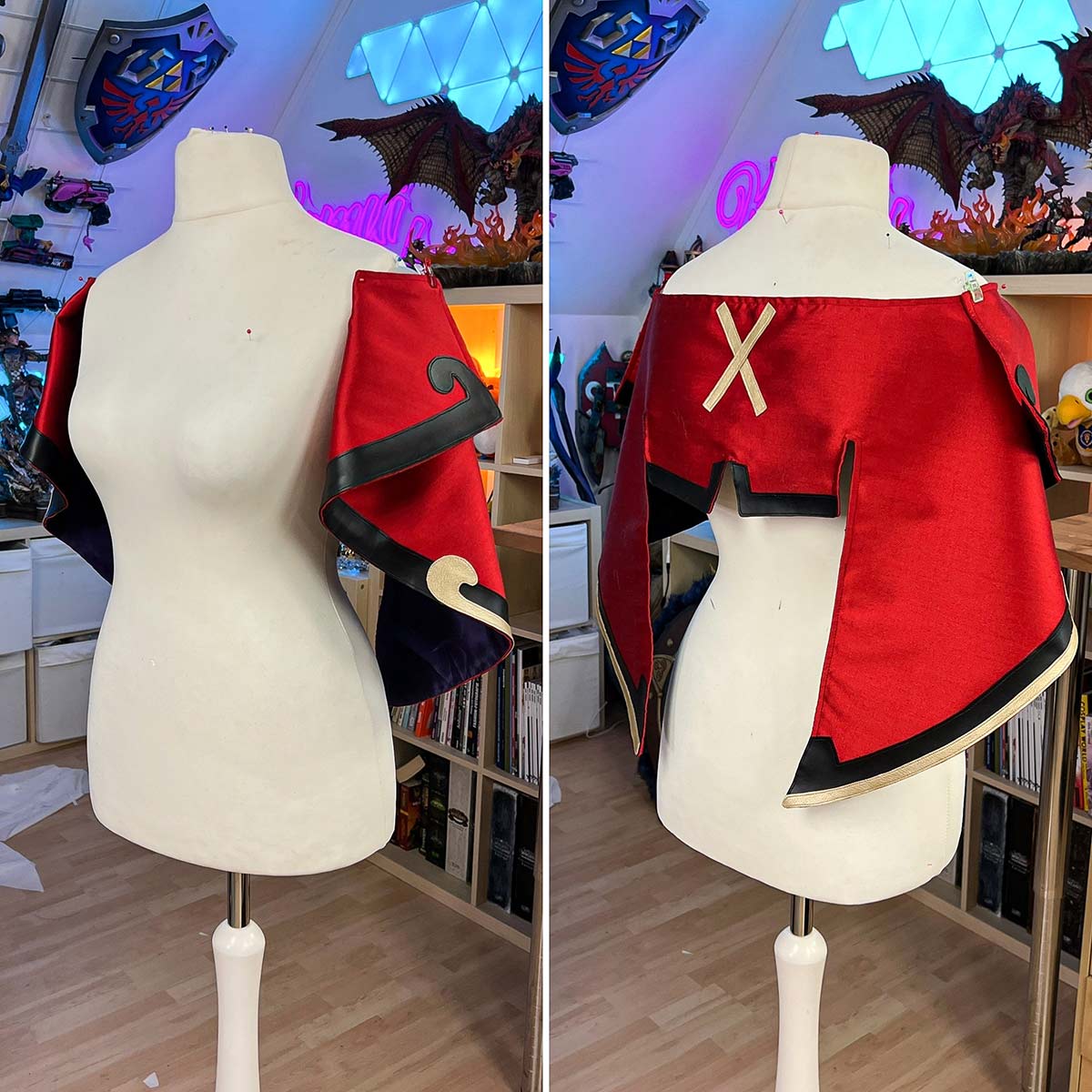
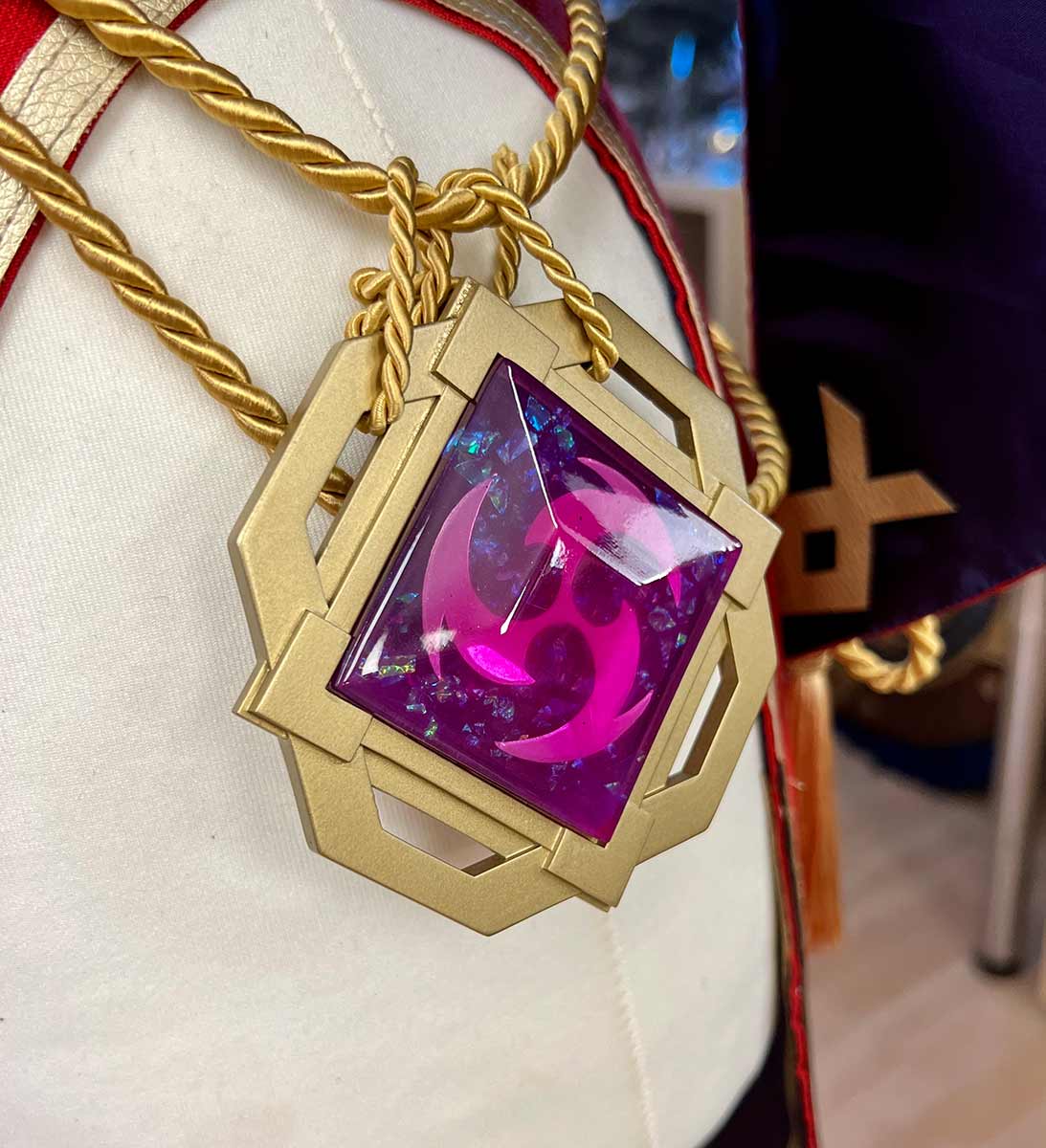
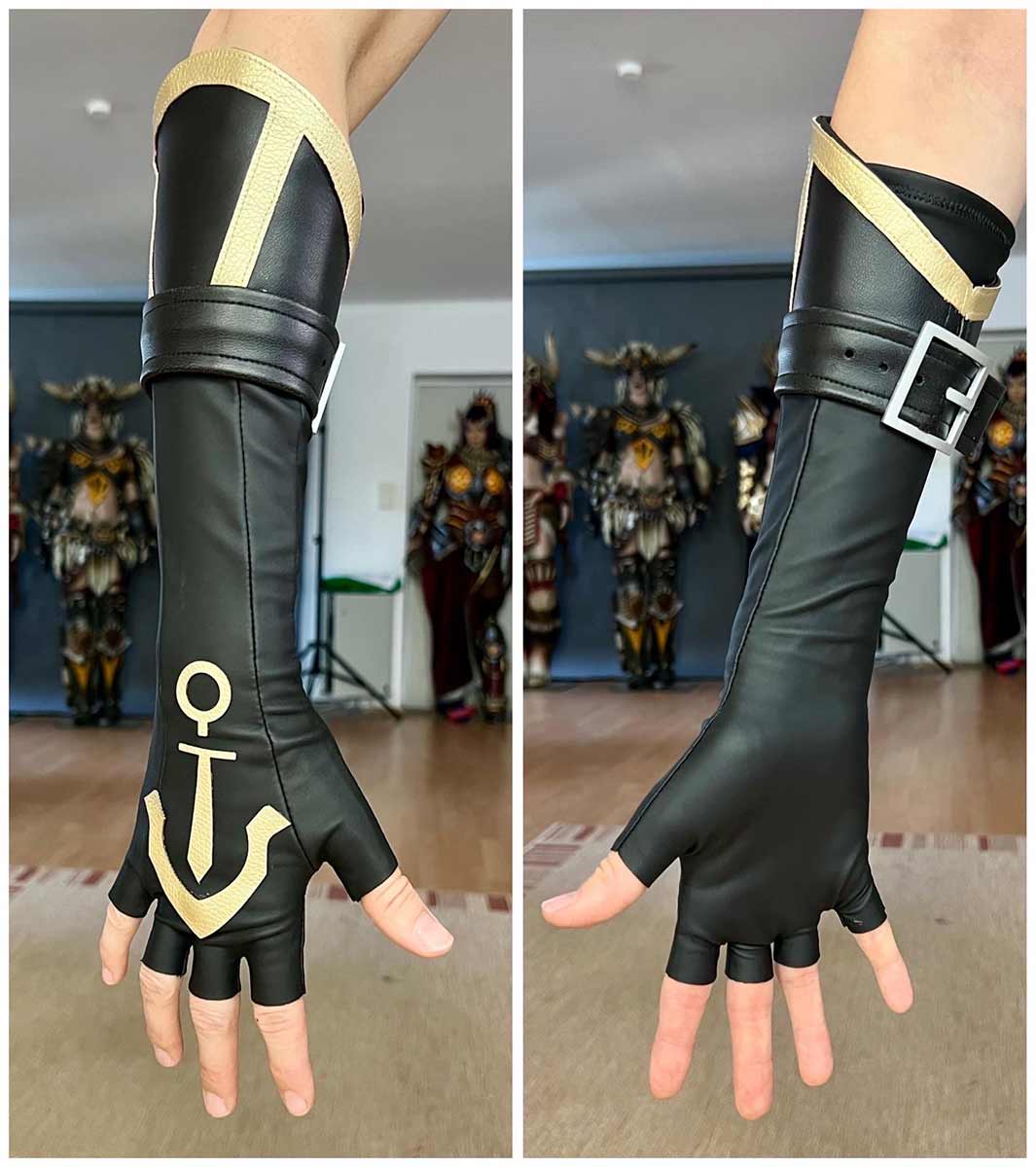
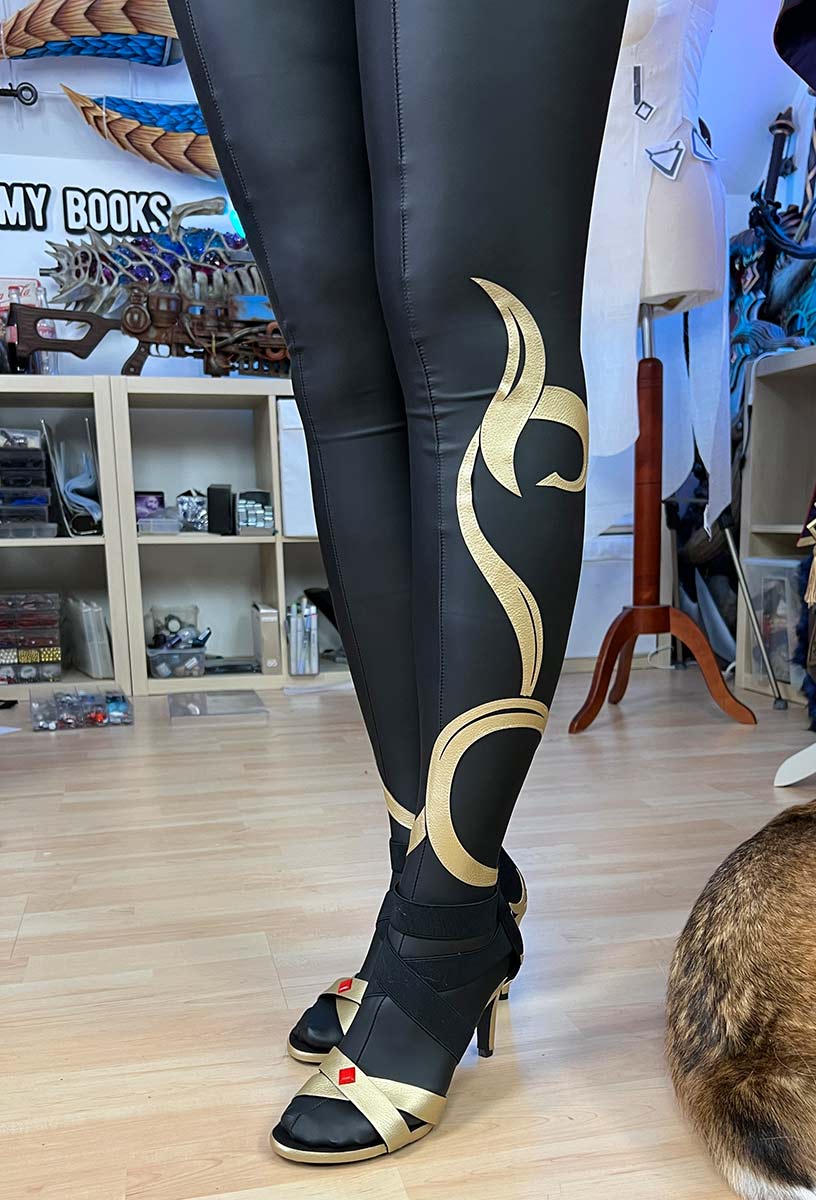
With the dress base sewn using industrial-grade Brother sewing machines, the project shifted into the high-tech realm of fabrication. Utilizing a Flux laser cutter, Kamui and her partner, Benni, precision-cut intricate golden and black vinyl appliques. These geometric details are what define the visual silhouette of Genshin characters. To maintain the structural integrity of the garments, Kamui opted for hand-stitching the purple linings, favoring the clean, invisible finish over machine-stitching.
Phase III: The Blackcliff Slasher and 3D Engineering
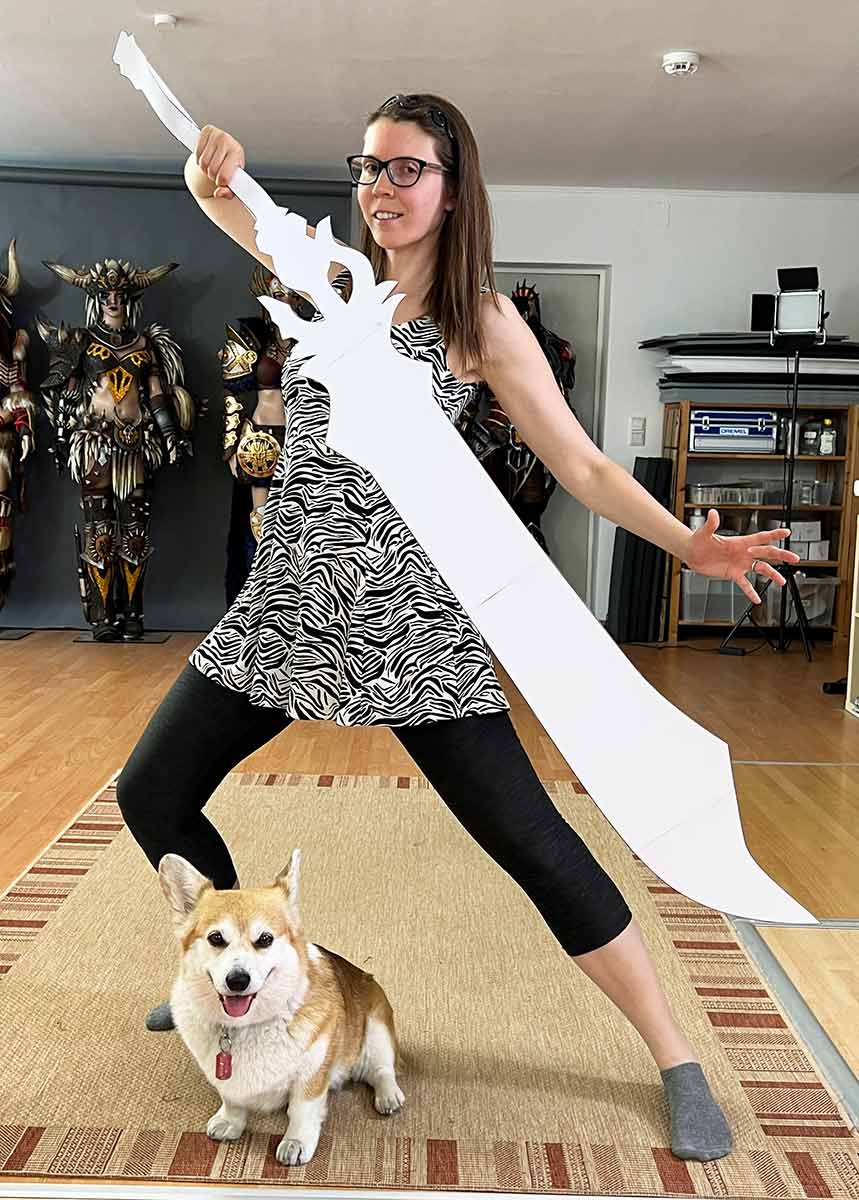
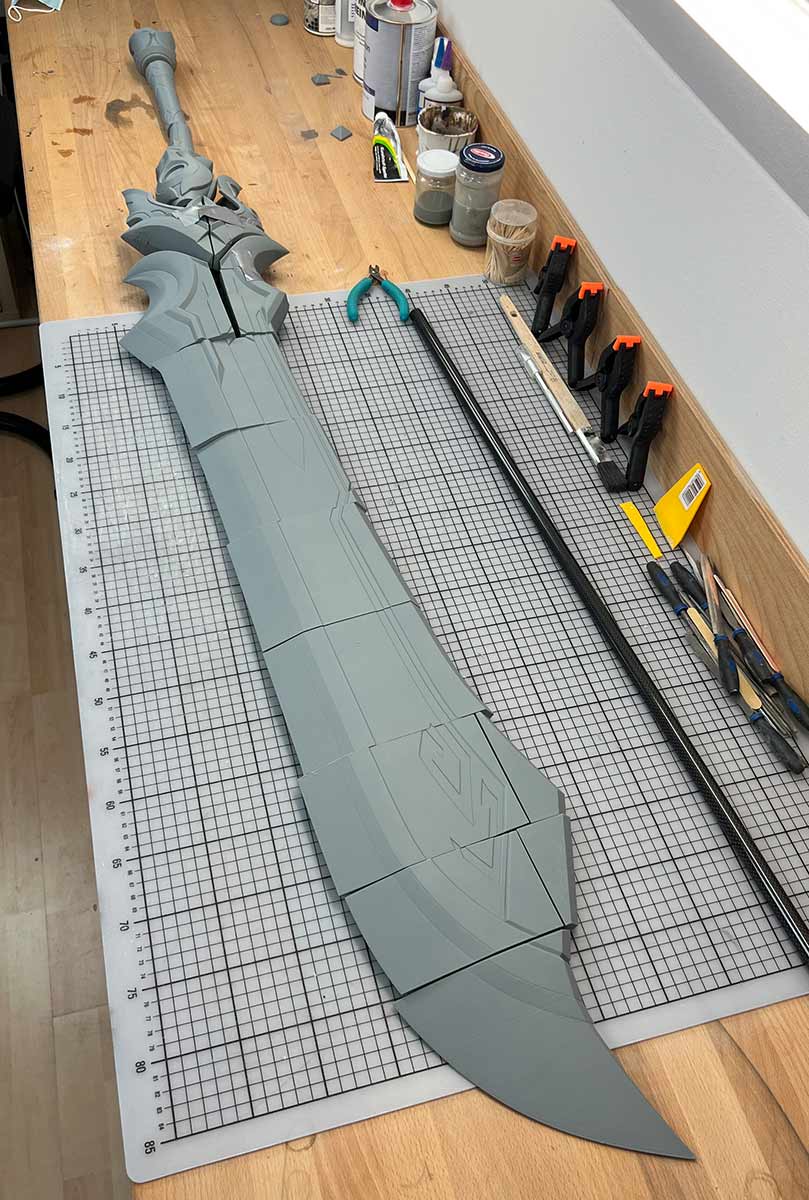
No Beidou cosplay is complete without her signature claymore, the Blackcliff Slasher. This prop required a massive undertaking in additive manufacturing. After scaling a 3D model to fit the human form—verified by a paper dummy—the team utilized Zortrax m200 3D printers. The printing process ran for two continuous weeks.
Benni spent an additional three weeks on the "post-processing" phase: assembling, priming, and sanding. The finish was achieved through a meticulous combination of airbrushing and acrylic layering, creating a weathered, metallic sheen that looks as if it were plucked directly from the game’s armory.
Phase IV: Styling and Safety Considerations
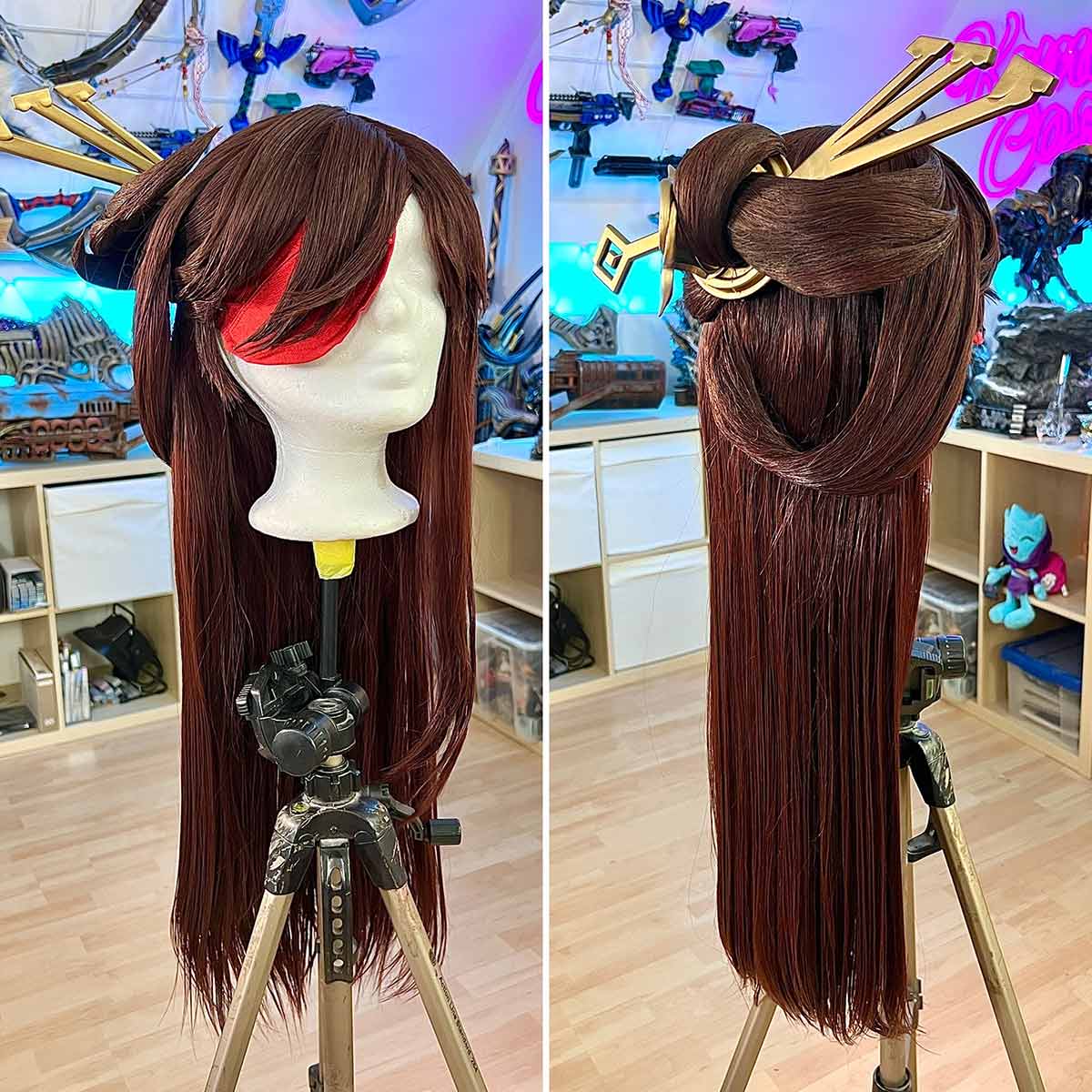
A unique hurdle in this project was the character’s design versus the artist’s physical needs. Kamui suffers from impaired vision in her right eye, which would typically be obscured by Beidou’s signature eyepatch. To maintain safety while navigating busy convention halls, she coordinated with HoYoverse to "flip" the character’s design. Working with professional wig stylist Florence of Bakka Cosplay, the wig, eyepatch, and accessories were mirrored. The result was not only visually seamless but ensured the performer could operate safely.
Supporting Data: The Tools of the Trade
Creating a costume of this caliber requires a professional arsenal. Below is a breakdown of the technical components used throughout the build:
- Fabrication: Brother Innovis 550 SE (Primary), Brother Innovis 50 (Backup).
- Adhesives: Guetermann HT2 fabric glue (over 10 tubes utilized for extreme durability).
- 3D Printing: Zortrax m200 (Large props/props) and resin printing recommendations for small detail work (Anycubic/Elegoo).
- Laser Cutting: Flux laser cutter (essential for high-volume vinyl detail work).
- Materials: Heavy iridescent silk, stretch faux leather (Ultrapreme), and 3D-printed files sourced from Dangerous Ladies and Bruneng.
Official Responses and Collaborative Synergy
The project highlights the evolving relationship between game developers and the cosplay community. By officially commissioning a top-tier cosplayer, HoYoverse acknowledged that high-fidelity cosplay is a vital marketing and community-building tool. The flexibility shown by the developers regarding the "flipped" design demonstrates a modern, inclusive approach to brand representation, prioritizing the creator’s comfort and performance capability over rigid adherence to a static digital file.
Implications: The Future of Digital-to-Physical Crafting
The "Beidou Project" serves as a benchmark for the future of professional cosplay. The integration of Unreal Engine environments for the final photo shoot represents a paradigm shift. Rather than relying on the unpredictability of weather or travel, the team used green screen technology to insert the physical costume into a rendered version of Liyue.
This hybrid approach—combining traditional tailoring with 3D printing, laser cutting, and digital compositing—lowers the barrier for high-quality storytelling in the cosplay industry. It allows creators to produce cinematic-level assets from a workshop, effectively turning the cosplayer into a one-person film studio.
Conclusion: Is the Effort Justified?
As the eight-week project concluded, the final reveal of the Captain of the Crux Fleet was a testament to the intersection of art, engineering, and digital fandom. While the cost and labor associated with creating such a piece from scratch are staggering, the result is an artifact that honors the source material in a way that mass-produced alternatives never could.
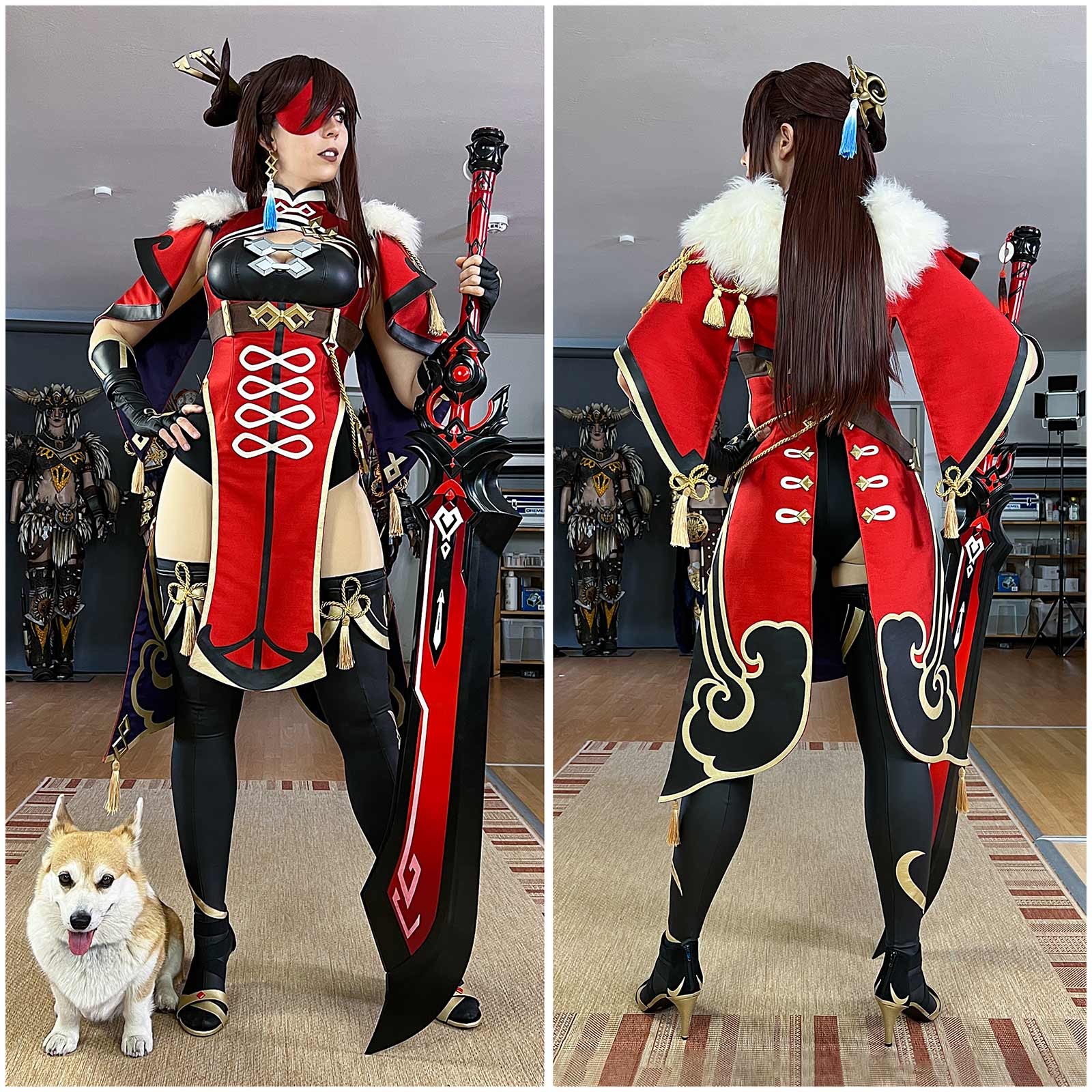
For those considering the path of custom creation, the lesson is clear: while tools like 3D printers and laser cutters provide the "how," it is the obsession with detail and the willingness to iterate—from duct tape patterns to digital compositing—that define the professional standard. The question of whether to buy or build remains a personal one, but for those who choose the latter, the journey from pixel to reality is an experience that transcends the costume itself.










No comments yet. Be the first to join the conversation!