

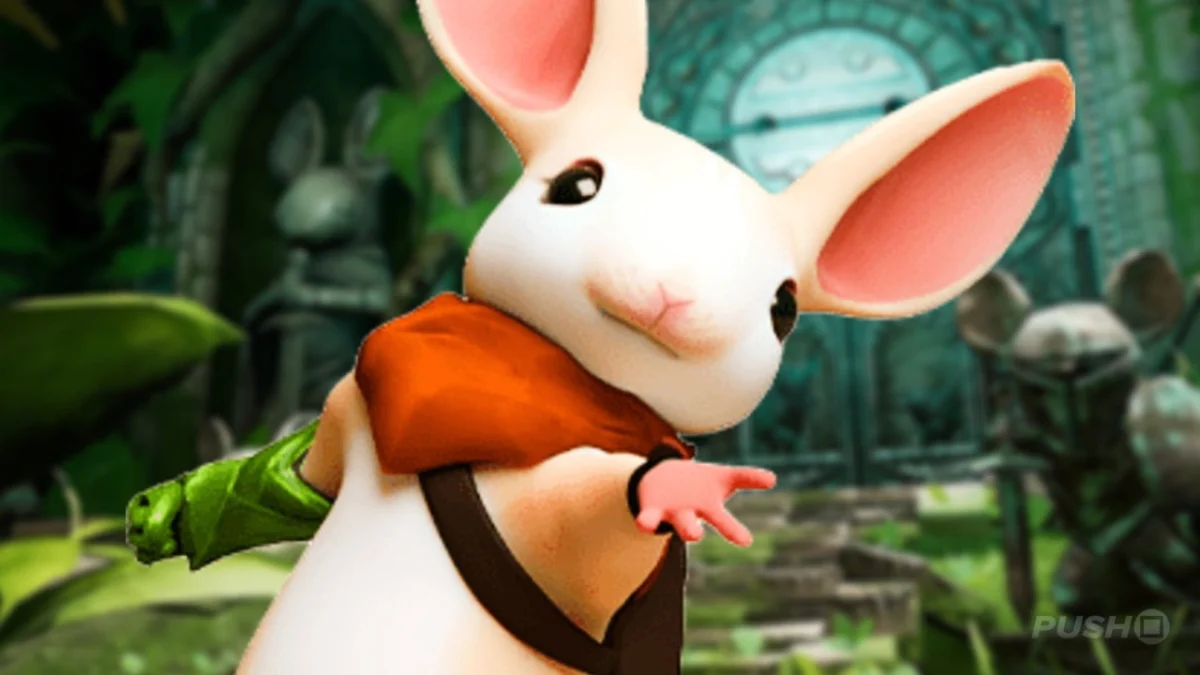
In a significant move for the accessibility of critically acclaimed virtual reality experiences, the beloved puzzle-platformer series Moss is set to debut on traditional, non-VR displays this summer. The upcoming release, titled Moss: The Forgotten Relic, will bundle both Moss and its sequel, Moss: Book II, into a single package, reimagined for "pancake play." This decision, while acknowledging the inherent compromises in translating a VR-native game, offers a crucial lifeline for a series that deserves broader recognition, especially in light of recent challenges faced by its development studio, Polyarc.
The VR Phenomenon of "Moss"
Since its initial launch on PlayStation VR, Moss has been lauded as a benchmark in virtual reality gaming. The series places players in the role of a guiding presence, a disembodied spirit capable of interacting with the environment and assisting the diminutive, yet courageous, protagonist, Quill. Quill, an adorable mouse warrior armed with a sword and unwavering determination, navigates intricate, beautifully crafted fantasy worlds.
The genius of Moss lies in its masterful use of VR technology. Unlike games that bombard players with constant sensory input, Moss employs VR sparingly yet effectively. The experience is primarily seated, allowing players to physically lean in, peer around corners, and directly influence the game world. This intimate connection with Quill and her environment fosters a profound sense of empathy and engagement, making players feel like an indispensable partner in her heroic journey. The game’s design cleverly leverages VR’s unique capabilities to create a sense of scale and presence that is difficult to replicate on conventional displays. The intricate dioramas players inhabit, filled with subtle environmental storytelling and charming details, are a testament to the developers’ vision.

A New Chapter for Quill: "The Forgotten Relic"
Moss: The Forgotten Relic represents a pivotal moment for the franchise. By bringing both installments to flat screens, developer Polyarc is not only expanding the potential player base but also ensuring the longevity of their creation. The bundle will feature a comprehensive reimagining of the visuals to suit traditional gaming setups. This means that players who have yet to invest in a VR headset will finally have the opportunity to experience Quill’s captivating adventures.
While the developers acknowledge that some of the "magic" inherent in VR will inevitably be diminished, the core gameplay loop and narrative charm are expected to remain intact. The puzzles, platforming challenges, and emotional resonance that have defined Moss are designed to translate well, offering a deeply satisfying experience even without the immersive qualities of virtual reality. For those who already own a PSVR or PSVR2, the original VR versions remain the definitive way to play. However, The Forgotten Relic serves as an invaluable alternative for a wider audience, ensuring that Quill’s legacy continues to grow.
Chronology of a VR Gem
The journey of Moss began with its debut on PlayStation VR. Praised for its innovative gameplay and heartwarming narrative, it quickly established itself as a must-have title for VR enthusiasts. The game’s success paved the way for a sequel, Moss: Book II, which further refined the mechanics and expanded the narrative, cementing the series’ reputation as a pinnacle of VR storytelling and design.

- Initial Release of Moss: The first game introduced players to Quill and the enchanting world of Moss. It was met with widespread critical acclaim for its innovative use of VR and its endearing protagonist.
- Release of Moss: Book II: The sequel built upon the foundation of the original, offering a richer narrative, more complex puzzles, and expanded gameplay mechanics, further solidifying its status as a VR masterpiece.
- Challenges for Polyarc: In recent times, the VR industry has faced significant headwinds, impacting even successful developers. Polyarc, like many others, has experienced operational difficulties, leading to a round of unfortunate layoffs. This difficult period underscores the importance of broadening the reach of their flagship titles.
- Announcement of Moss: The Forgotten Relic: The decision to bring Moss and Moss: Book II to flat screens represents a strategic pivot to ensure the franchise’s continued viability and accessibility.
Supporting Data: The VR Market and Developer Resilience
The decision to port Moss to non-VR platforms is not an isolated incident but reflects broader trends within the gaming industry. While virtual reality has made significant strides, its adoption rate has remained slower than initially anticipated by some. The high cost of entry, including the price of VR headsets, has been a persistent barrier for many potential players. This has led to a growing number of VR-exclusive titles being ported to PC and traditional consoles, allowing developers to tap into larger markets and recoup their investments.
Studies on the VR market have indicated a steady but gradual growth, with projections suggesting a more significant expansion in the coming years. However, the current landscape presents challenges for smaller, independent studios that specialize in VR development. The layoffs at Polyarc, while specific to the studio, highlight the precarious nature of the VR development ecosystem. By releasing Moss: The Forgotten Relic, Polyarc is not only seeking to revitalize interest in their critically acclaimed games but also to secure their future and that of their dedicated team. The success of this port could serve as a vital case study for other VR developers facing similar market pressures.
Official Responses and Developer Intentions
While a direct quote from Polyarc regarding the specific decision-making process for Moss: The Forgotten Relic was not included in the original article, the sentiment expressed by the publication strongly suggests a developer’s desire to share their creation with a wider audience. The statement that the games are "so good, ultimately, that they deserve to be played by more people" encapsulates this intention. The "reimagined" visuals indicate a commitment to delivering a high-quality experience on flat screens, not merely a direct port.

The inclusion of the phrase "we can’t begrudge it bringing these games to flat screens" further emphasizes the understanding that this move is a pragmatic and necessary step for the studio’s survival and the continued appreciation of their work. It’s a testament to the developers’ dedication that they are willing to adapt their acclaimed VR titles to new formats to ensure their enduring legacy.
Implications for the Gaming Landscape
The release of Moss: The Forgotten Relic carries several significant implications for the broader gaming landscape:
- Bridging the VR Divide: This port acts as a crucial bridge, allowing players who are curious about VR but unwilling or unable to invest in the hardware to experience one of its most celebrated titles. It serves as an excellent introduction to the potential of immersive gaming.
- Validation of VR Storytelling: By bringing Moss to flat screens, the inherent quality of its narrative and character development is being validated. It demonstrates that compelling stories crafted for VR can resonate deeply even when presented in a traditional format.
- A Beacon for Indie VR Developers: The success of Moss: The Forgotten Relic could provide a much-needed blueprint for other independent VR developers facing similar market challenges. It showcases a viable strategy for expanding reach and securing financial stability.
- The Future of VR Ports: This move bolsters the trend of VR-exclusive titles being adapted for wider release. As the VR market matures, we can expect to see more such ports, making high-quality VR experiences more accessible to a global audience.
- A Testament to Quill’s Enduring Appeal: Ultimately, this release is a testament to the enduring appeal of Quill and the worlds she inhabits. Her charm and the captivating adventures she embarks on have transcended the limitations of a single platform, proving that great game design and heartfelt storytelling are universal.
As Moss: The Forgotten Relic prepares for its summer launch, the gaming community eagerly anticipates the opportunity to finally experience Quill’s extraordinary journey, regardless of whether they don a headset or settle in with a controller. It’s a win for players, a win for the Moss franchise, and a hopeful sign for the future of innovative game development.











No comments yet. Be the first to join the conversation!