Laily UPN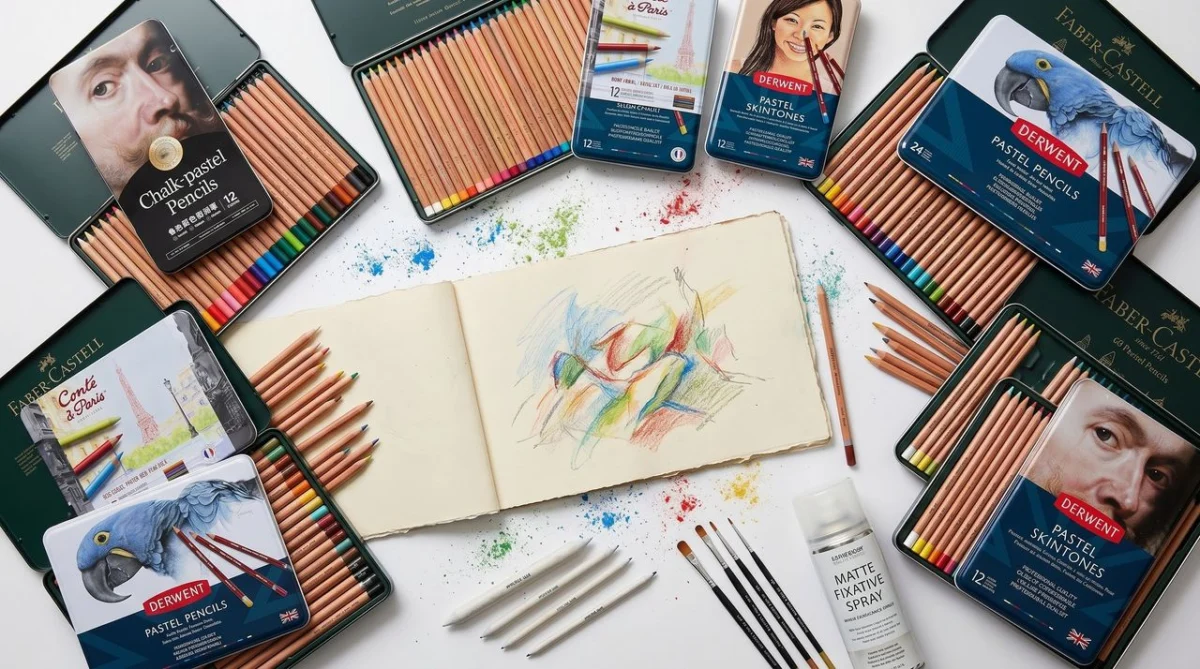
If you are looking to revitalize your creative process, the most effective path is often the introduction of a new medium. While the digital revolution has transformed how we create, there is an enduring, tactile allure to traditional drawing tools. Among these, pastel pencils occupy a unique "Goldilocks" zone: they offer the vibrant, saturated pigments of traditional soft pastels without the chaotic, dusty mess, and they provide a level of textural nuance and color richness that far exceeds the capabilities of standard graphite pencils.
As Creative Bloq’s Deputy Editor, Rosie Hilder, notes, transitioning to pastel pencils can be the catalyst for a breakthrough in an artist’s portfolio. Whether you are a professional illustrator seeking to expand your toolkit or a hobbyist looking for a cleaner way to experiment with color, pastel pencils represent an essential bridge between drawing and painting.
The Evolution of the Pastel Pencil: A Historical Chronology
To understand the value of modern pastel pencils, one must first look at the history of the medium. The use of colored chalks dates back to the Renaissance, favored by masters like Leonardo da Vinci and Michelangelo for their ability to create soft, blended transitions that were impossible to achieve with ink or charcoal.
From Renaissance Chalks to Modern Precision
- 16th – 18th Century: The era of "trois crayons"—a technique using red, black, and white chalk—became the standard for portraiture. Artists utilized sticks of compressed pigment, which, while beautiful, were prone to breakage and left significant residue on the artist’s hands and workspace.
- 19th Century: As the industrial revolution standardized manufacturing, the demand for more portable and stable art materials grew. The concept of "cased" pastels began to emerge as artists demanded tools that could be sharpened to a point for fine detail work.
- Late 20th Century to Present: Brands such as Derwent, Conté à Paris, and Caran d’Ache revolutionized the market by engineering high-grade pastel cores encased in protective wood. This development allowed for the "pencil" format we recognize today, enabling artists to carry their studio to the field without sacrificing the high-pigment, velvety finish of professional-grade pastels.
Supporting Data: Why Artists are Shifting Mediums
The rise in the popularity of pastel pencils is not merely a trend; it is supported by the changing demands of the creative industry. Market analysis suggests a growing preference for "hybrid" mediums—tools that offer the speed of a pencil with the aesthetic output of paint.
Key Performance Indicators (KPIs) for Pastel Pencils
- Pigment Density: Modern pastel pencils utilize high-quality binders that allow for intense, lightfast color application. Unlike colored pencils, which often rely on wax or oil binders, pastel pencils are predominantly pigment-based, meaning they offer superior opacity.
- Layering Capability: Data from professional art workshops indicates that pastel pencils allow for up to 5–7 layers of color before the paper surface reaches saturation (tooth). This is significantly higher than wax-based pencils, which often "bloom" (leave a cloudy residue) when over-layered.
- Ergonomics and Safety: For artists with respiratory sensitivities, pastel pencils represent a major improvement. By encasing the powder in wood, the amount of airborne dust is reduced by approximately 60–70% compared to traditional stick pastels.
The Expert Selection: Top Brands and Their Utility
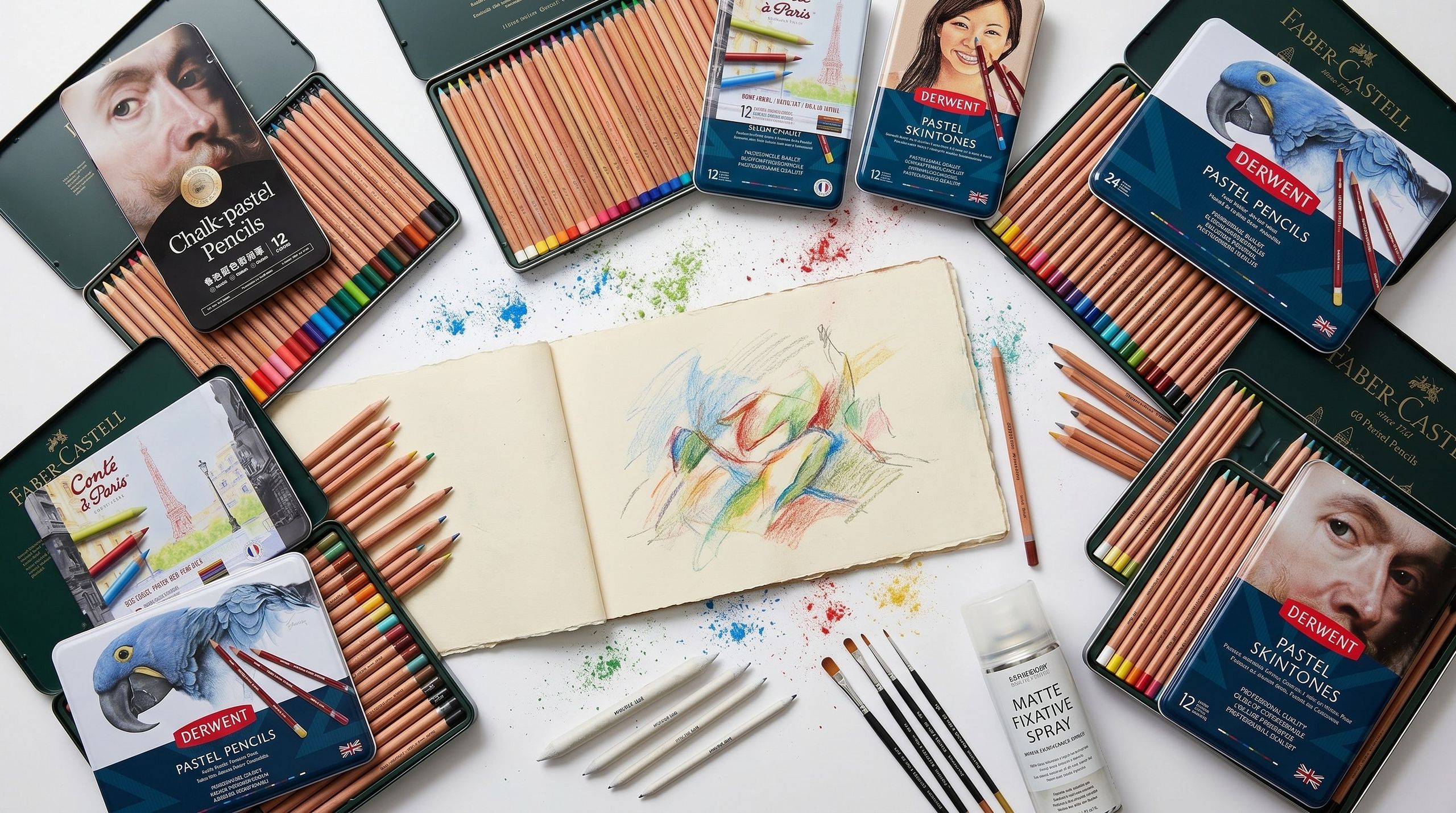
Choosing the right set depends heavily on your specific artistic goals. Below are the industry-leading options currently shaping the market.
1. Derwent Pastel Pencils
Derwent remains the industry benchmark. Known for their consistent quality and extensive color range, they are the go-to for artists who require fine detail. Their core is slightly harder than competitors, making them ideal for sharp edges and precise linework.
2. Conté à Paris
A historical favorite, Conté pencils offer a softer, more traditional "chalky" feel. These are preferred by figurative artists who want to achieve the classic look of 18th-century sketches. They blend beautifully and possess a rich, earthy color palette.
3. Caran d’Ache (The Premium Tier)
For the artist who refuses to compromise on lightfastness and pigment vibrancy, the Caran d’Ache pastel range is the pinnacle of the market. While they come at a higher price point, their archival quality makes them the professional choice for commissioned portraiture.
Implications for the Modern Artist
The integration of pastel pencils into a professional workflow has profound implications for creative productivity.
- Time Efficiency: Because pastel pencils can be used for both broad blocking of color and intricate detailing, the artist spends less time swapping between different mediums (such as switching from charcoal to paint).
- Surface Versatility: Pastel pencils are highly effective on a variety of surfaces, including sanded pastel paper, heavy-weight drawing paper, and even toned boards. This versatility allows artists to experiment with different textures without needing to stock a massive variety of different paints or mediums.
- The "Clean Studio" Movement: As workspace efficiency becomes a priority for digital-native artists who maintain a physical studio, the reduced mess of pencil-based pastels is a major selling point. It allows for high-quality analog work to be produced in smaller, shared, or multi-purpose spaces.
Official Recommendations and Best Practices
To get the most out of your investment, it is vital to follow the "Best Practices" suggested by industry experts and the manufacturers themselves.
- Use the Right Sharpener: Never use a standard classroom pencil sharpener. Pastel cores are fragile and soft. Use a high-quality metal hand sharpener or a blade to ensure the wood is cut away carefully without snapping the pigment.
- Fixative Strategy: Pastel pencils require a fixative to prevent smudging, but caution is advised. Too much fixative can darken the colors and destroy the "velvet" finish. Use a light, archival-grade spray and apply it in thin, multiple layers.
- Layering Logic: Always work from dark to light. Because pastel pencils are opaque, you can layer lighter colors over darker ones, but this works best if the base layer is applied lightly.
Conclusion: Expanding Your Creative Horizon
Whether you are looking to purchase a starter set of 12 or a comprehensive collection of 60, the transition to pastel pencils is an investment in your artistic development. As we look at the current market, it is clear that these tools are not just for sketching; they are fully capable of producing gallery-quality fine art.
If you find yourself stuck in a creative rut, stop reaching for the same old graphite. Pick up a set of pastel pencils, explore the interplay of pigment and paper, and rediscover the joy of tactile creation. For more detailed reviews, technical comparisons, and buying guides, be sure to consult our official best pastel pencil guide.
Stay inspired, keep creating, and remember that the right tool is the first step toward mastering your craft.
Sign up to Creative Bloq’s daily newsletter for the latest news, expert tutorials, and inspiration from the worlds of art, design, and technology.
About the Author:
Rosie Hilder is Creative Bloq’s Deputy Editor. With a background spanning from journalism in Buenos Aires to technical editorial roles at Future Plc, she has spent years documenting the intersection of traditional artistry and digital innovation. She remains a vocal advocate for the importance of tactile mediums in a modern creative practice.


 Evan Lee Salim
 Rifan Muazin