Asro
Asro
Main Facts: A Pivot Point for the Franchise
Firaxis Games, the powerhouse studio behind the legendary Sid Meier’s Civilization series, has announced a significant update for Civilization VII, scheduled for release this coming Monday. While the studio had already outlined several key improvements earlier this month, the developer saved a final, high-profile reveal for the eleventh hour: the introduction of Alexander the Great as a playable leader.
This update represents a critical moment for the title, which has faced a polarizing reception since its launch. The centerpiece of the patch is the implementation of a highly requested feature that allows players to guide a single civilization through the entirety of a campaign, addressing one of the most prominent criticisms regarding the game’s core "Age" transition mechanics. By adding Alexander, a figure synonymous with conquest and legacy, Firaxis is signaling a commitment to expanding the game’s strategic depth and historical flavor in response to community feedback.
Chronology: From Launch to Redemption
To understand the significance of this update, one must look at the turbulent timeline of Civilization VII.
- Launch Period: Upon release, the game was met with a chorus of "Mixed" reviews on Steam. Players were largely divided over the fundamental design shift that forced civilizations to evolve and change identities as they moved through different historical ages.
- The "Age" Controversy: Early adopters criticized the game’s pacing and the feeling that the historical continuity of their empires was being severed by the transition mechanics.
- Ongoing Feedback: Over the subsequent months, the community feedback loop remained intense. Players highlighted issues ranging from User Experience (UX) friction to secondary mechanics that many felt lacked the polish expected from a flagship Firaxis title.
- The Road to the Update: Throughout recent weeks, Firaxis began teasing "game-changing" improvements. The announcement that players could now maintain a single civilization identity throughout the game was widely hailed as the most significant community-requested feature to date.
- The Current Moment: With the addition of Alexander the Great, the developer is rounding out the update, effectively positioning this patch as a "soft relaunch" of sorts, aiming to bridge the gap between the game’s current state and the fans’ expectations.
Supporting Data: Alexander’s Strategic Profile
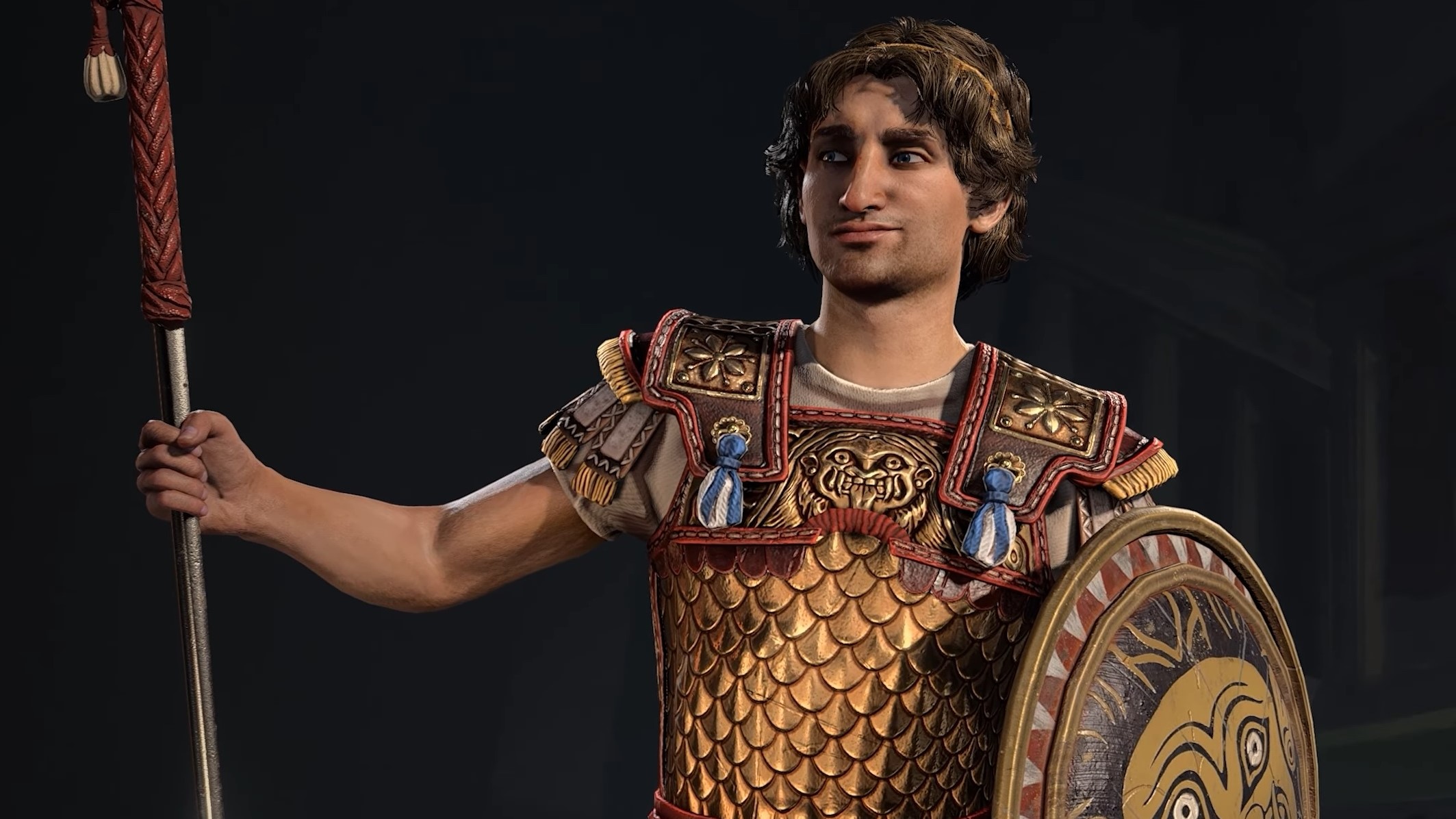
Alexander the Great is not merely a cosmetic addition; he brings a distinct, aggressive playstyle that aims to disrupt the game’s current meta. According to the official game guide, Alexander is built for expansion and military dominance.
The Conqueror’s Traits
Alexander’s kit is designed to reward rapid territorial growth and the constant state of war that defined his historical reign:
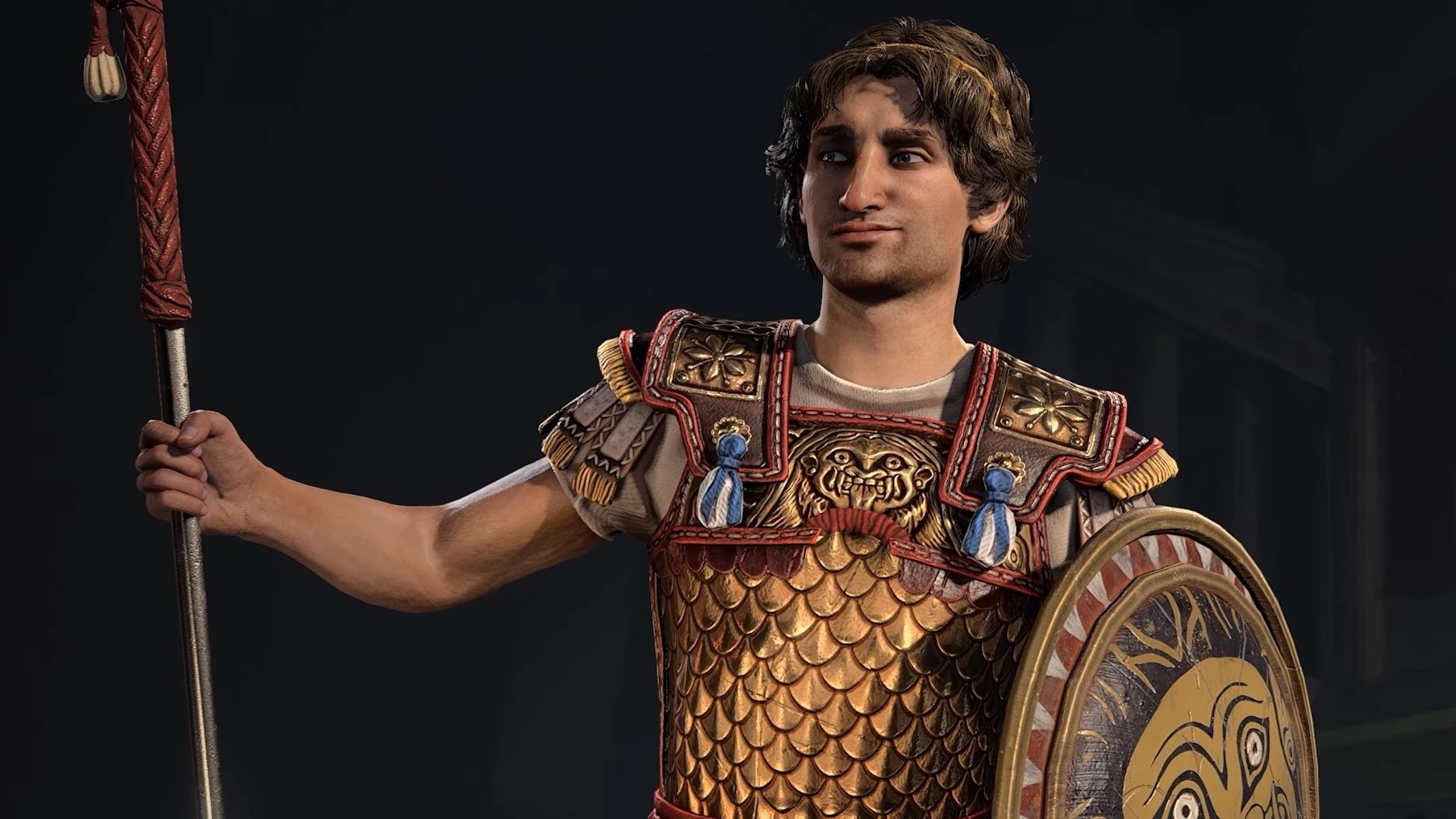
- +2 Combat Strength: All land-based military units receive a flat +2 combat strength bonus, ensuring that his legions have the edge in early-to-mid-game skirmishes.
- The Legacy of Names: In a unique mechanic, any town that falls under Alexander’s control and is converted into a full city is automatically renamed, reflecting his historical habit of founding cities in his own honor.
- Wonder-Driven Bonuses: Perhaps the most intriguing strategic layer is that building a Wonder in any city outside of the capital provides significant, cumulative bonuses. This encourages players to expand aggressively to secure new territory for construction, rather than turtling in the home province.
These traits suggest that Alexander will be a top-tier choice for players who prefer a "domination" victory path, forcing opponents to react to a leader who gains tangible benefits from every square mile he captures.
Official Responses and Industry Context
The reception of Civilization VII has been a case study in modern "Games as a Service" (GaaS) development. Despite the vocal criticism on digital storefronts, the game remains a commercial success.
Strauss Zelnick, CEO of 2K Games, recently addressed the situation during an investor call. He candidly acknowledged the mixed reception, noting that while the game has proven to be a "profitable enterprise," the studio is not blind to its shortcomings. Zelnick famously conceded that the development team "got the Age system wrong," validating the frustrations of a player base that felt the new mechanics were too jarring.
Firaxis’s decision to include Alexander for free serves as a peace offering. It is an attempt to cultivate goodwill by providing substantial, high-value content without additional cost, signaling that the studio intends to support and refine the game rather than abandon it in its current state.
Implications: Can a Patch Save a Reputation?
The success of this update rests on more than just new content; it rests on whether the fundamental design of the game can be salvaged through post-launch iteration.
The UX and Polishing Challenge
The criticism leveled at Civilization VII goes beyond the Age system. Players have consistently pointed to clunky interfaces, unintuitive menu navigation, and secondary mechanics that feel "underbaked." A new leader can provide a fresh coat of paint, but if the underlying systems of UI and resource management remain frustrating, the long-term player retention will continue to struggle.
The "Fully Baked" Expectation
There is a growing sentiment in the strategy gaming community that modern titles are increasingly released in an unfinished state, relying on post-launch patches to achieve the quality standard expected at launch. For Civilization VII, the pressure is immense. If this update successfully addresses the UX issues and makes the "single-civ" campaign feel cohesive, it could spark a turnaround in the game’s Steam review score. If it fails, it may reinforce the narrative that the game was fundamentally flawed from the drafting board.
Long-term Strategic Direction
Looking forward, this update sets a precedent. By listening to the most requested feature—the ability to guide a single civilization through the full timeline—Firaxis has proven that it is willing to pivot its design philosophy. This suggests that future updates might continue to roll back or modify some of the more controversial aspects of the game’s structure.
Conclusion
As the gaming community prepares for Monday’s update, the atmosphere is one of cautious optimism. Alexander the Great brings a focused, aggressive, and historically thematic energy to the game that may satisfy those looking for a more traditional Civilization experience.
However, the true test remains the core gameplay loop. Will the ability to play as one civilization for the entire game fix the "Age" problem, or does it merely highlight that the game’s systems were never truly compatible with the change? Firaxis has clearly heard the critique, and with the backing of a successful commercial launch, they have the resources to keep iterating. For now, all eyes are on the map. Whether Alexander leads the franchise to a renewed era of glory or simply marches into the same traps as his predecessors, the coming week will be a defining moment for one of PC gaming’s most storied franchises.



 Muslim