

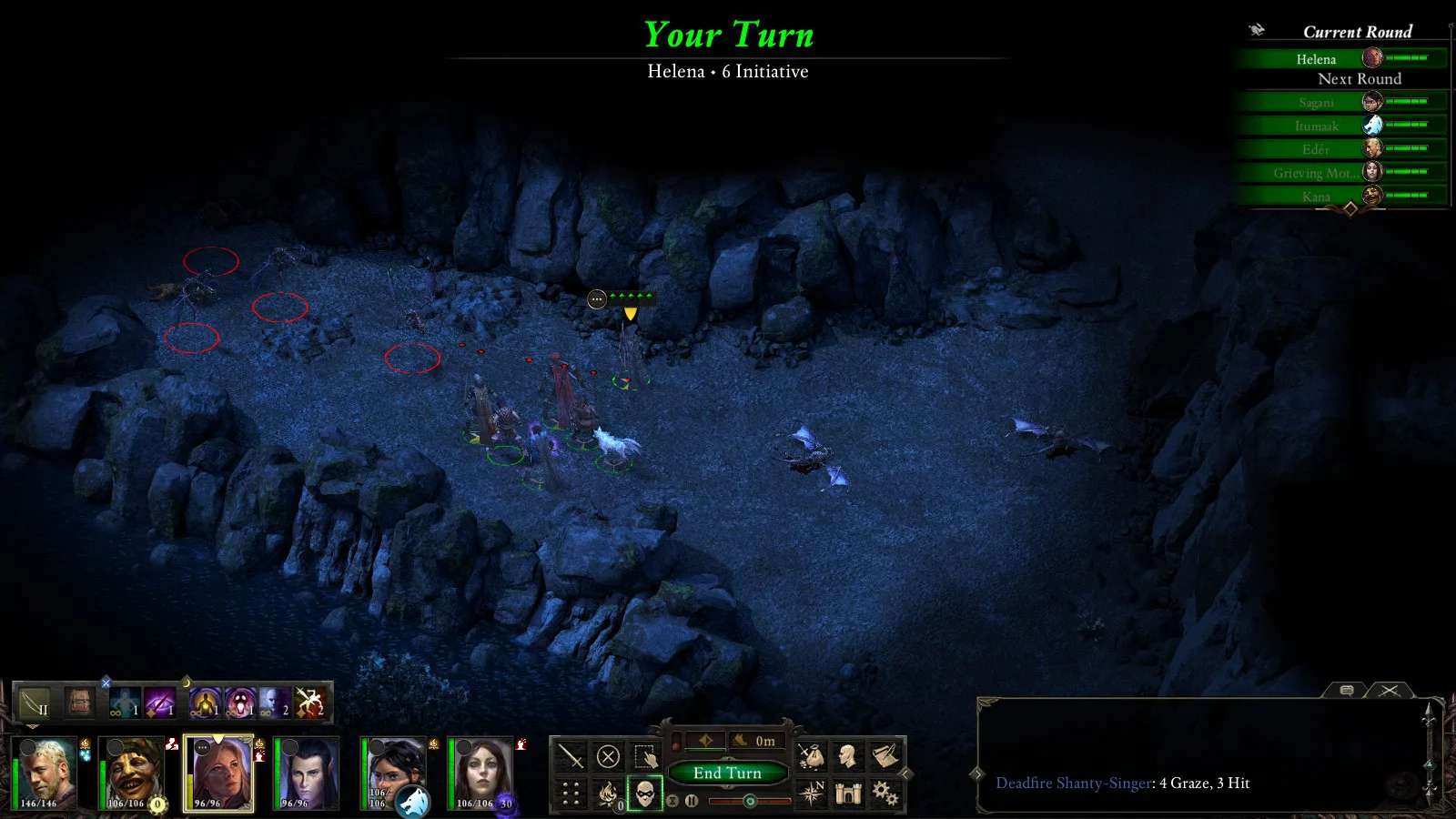
For a generation of players who cut their teeth on the isometric complexity of the 1990s, Pillars of Eternity arrived in 2015 as a love letter to a bygone era. Now, nearly a decade later, the game has undergone a radical transformation. Through a dedicated turn-based patch—refined through an extensive, community-driven beta period by Obsidian Entertainment—the title has shed the frantic, real-time-with-pause chaos of its origins to adopt a more methodical, cerebral pace. This shift isn’t merely a mechanical tweak; it is a profound recontextualization of a modern classic that proves the core foundations of Eora remain as compelling as ever.
The Evolution of a Genre Titan: Main Facts
The core narrative and environmental fidelity of Pillars of Eternity remain untouched, yet the introduction of a turn-based combat system represents the most significant update in the game’s history. Originally designed for real-time-with-pause (RTwP) combat—a system popularized by the Baldur’s Gate series—the game required players to manage action speeds and cooldowns in a fluid, often overwhelming environment.
The new turn-based mode pivots the game’s logic entirely. Instead of relying on a chaotic flow of actions, combat is now governed by the initiative and speed of characters, their weaponry, and their chosen equipment. A heavy-hitting warrior wielding a massive greatsword will feel the weight of their choice, often acting once per round, while a rogue or a swift animal companion can weave in and out of the fray, striking multiple times. This transition has turned the game into a tactical puzzle, where positioning, crowd control, and resource management are no longer obscured by the blur of real-time execution.
A Chronology of the Dyrwood
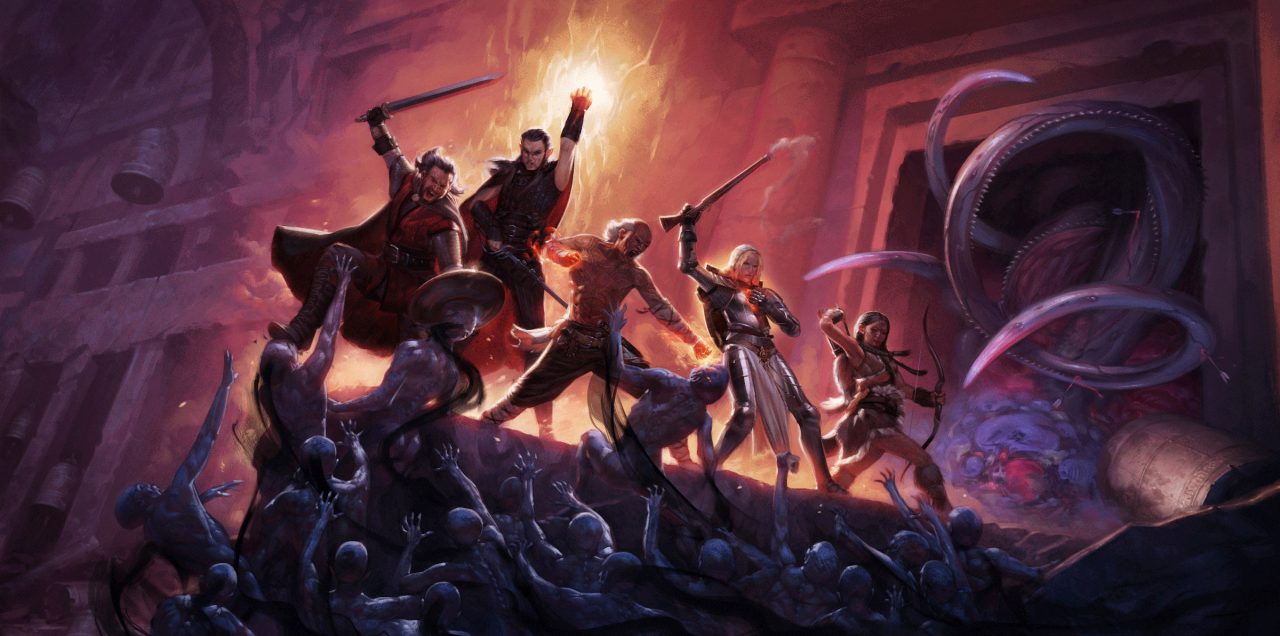
Pillars of Eternity was born from the "Project Eternity" Kickstarter campaign, a landmark moment in video game history that signaled a massive resurgence in demand for classic CRPGs. Since its 2015 release, the franchise has expanded significantly:
- 2015: Original launch of Pillars of Eternity, setting the standard for the modern isometric RPG.
- 2016-2017: The release of the White March expansions, which deepened the lore and introduced more complex party dynamics.
- 2018: The release of Pillars of Eternity II: Deadfire, which explored more complex party mechanics and faction systems.
- 2020-2021: Obsidian implements the official turn-based mode, following an extended beta period that invited community feedback to balance character classes and combat feedback.
- 2024: Avowed, a spin-off set in the same universe, further solidifies the franchise’s place in the industry’s pantheon, demonstrating the enduring appeal of the world-building established in the original game.
Tactical Depth: Supporting Data
The success of the turn-based mode lies in its ability to translate existing systems without breaking the game’s inherent balance. In the original RTwP format, spells and trap-based abilities were often difficult to deploy with precision. Players frequently found themselves struggling to land an area-of-effect spell before enemies moved out of range.
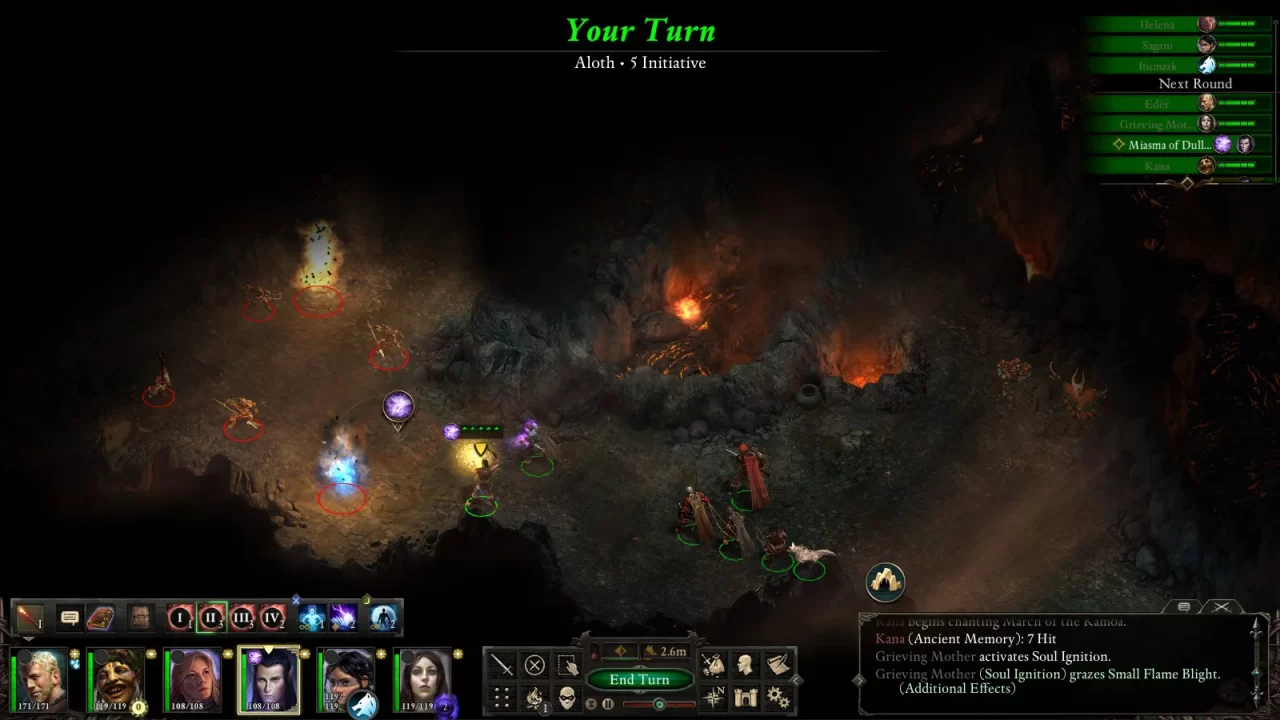
Under the new turn-based rules, abilities like "Warding Seal" or various crowd-control spells become surgical tools. Because the environment is now static during the player’s decision-making process, the "guesswork" that plagued earlier playthroughs is replaced by tactical confidence.
Statistical data from the community beta revealed that players were more likely to utilize underperforming classes when given the time to analyze the board. Classes that previously relied on high-APM (actions per minute) performance, such as the Cipher, found new life as their abilities were integrated into a clear, turn-by-turn initiative order. The result is an environment where every piece of gear—from the reload speed of a blunderbuss to the recovery time of a heavy breastplate—carries palpable weight, forcing players to engage with the game’s deeper mathematical systems.
Official Responses and Developer Philosophy
Obsidian Entertainment has long been noted for its willingness to listen to the "grizzled veterans" of the CRPG scene. Throughout the beta process, developers engaged directly with the community on forums, adjusting how initiative worked for specific character archetypes.
The studio’s decision to retroactively patch a decade-old game with such a substantial overhaul is rare in the industry. Typically, developers move on to sequels or new IPs, leaving legacy code untouched. However, Obsidian’s approach highlights a commitment to "evergreen" content. By allowing players to choose between the original RTwP style and the new turn-based mode, they have effectively doubled the game’s replayability. The developers have emphasized that the goal was never to replace the original experience, but to provide an alternative lens through which the complex, novelistic writing of the Dyrwood could be experienced.
Narrative Implications: Why It Matters
The writing in Pillars of Eternity stands alongside the giants of the genre—Baldur’s Gate II and Disco Elysium. It is a dense, philosophical, and often unsettling story. The player, as the "Watcher," is thrust into a crisis of faith and soul-crafting, tasked with uncovering the secrets of the Leaden Key and the ageless antagonist, Thaos.
The turn-based shift has significant implications for how players consume this narrative. Because the combat is no longer a "hurried" affair, the pacing of the game feels more deliberate. The moments of respite—the dialogue with the Grieving Mother, the theological debates with Durance, or the quiet, haunting search for family undertaken by Sagani—are better balanced against the combat encounters.
The game demands total commitment. It is not a title for the casual, episodic player; it is a journey that requires the player to inhabit the skin of the Watcher. The new combat mode enforces this commitment by slowing the game down, forcing the player to linger on the consequences of their actions, both in battle and in the moral quandaries posed by the story.
Lingering Challenges and Modern Reflections
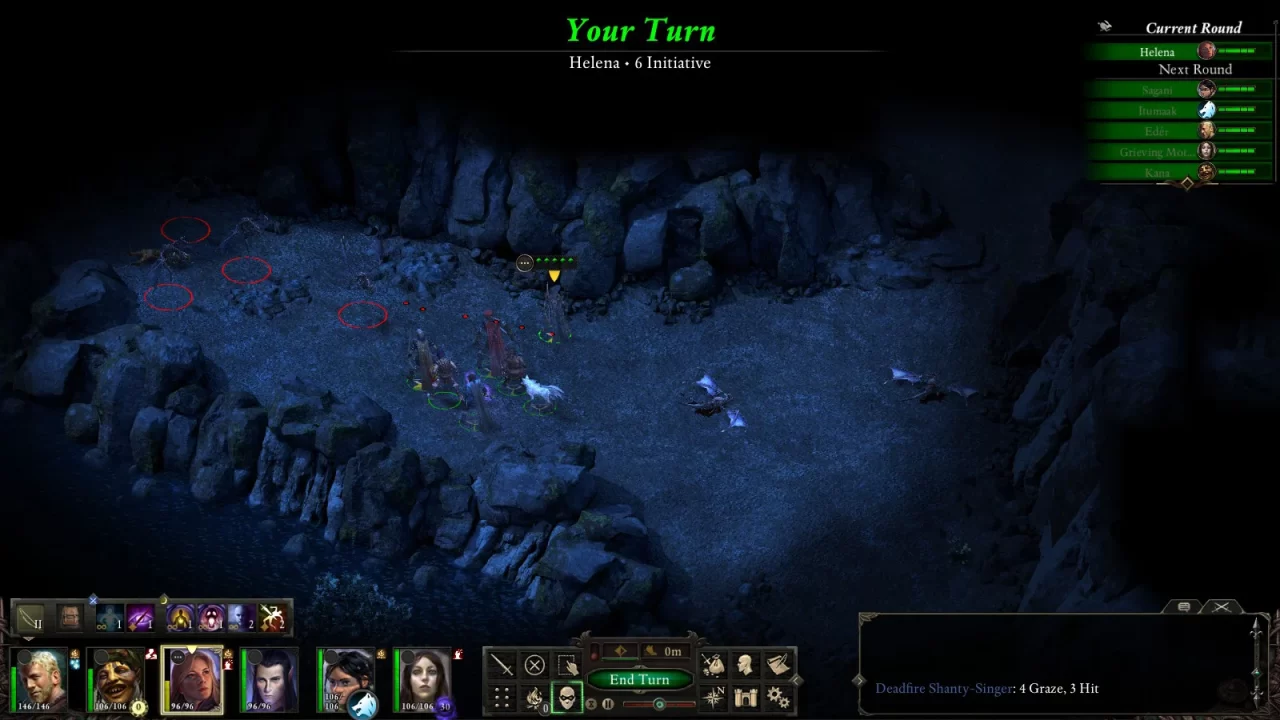
It would be disingenuous to claim the transition is flawless. As an adaptation of a system originally built for real-time logic, there are occasional technical "hiccups." Combat logs occasionally struggle to keep pace with the transition, and there are rare instances where the game engine seems to "forget" the turn-based structure, leading to momentary lock-ups. These are, however, minor in the face of the sheer scope of the project.
Furthermore, the game carries the "baggage" of its era. Voice acting remains inconsistent, and the prevalence of fetch quests and backtracking can feel antiquated when measured against the streamlined design of contemporary titles. Yet, these rough edges serve as a reminder of the game’s pedigree. It is a work built on ambition and the desire to resurrect a classic format, and it wears its influences—and its flaws—proudly.
Conclusion: A New Lease on Life
The turn-based update for Pillars of Eternity is a masterclass in how to breathe new life into a legacy product. By respecting the original’s depth while offering a modernized interface for interaction, Obsidian has ensured that the game remains accessible to a new generation of players while rewarding the loyalty of the old.
As we look at the landscape of modern gaming, where "live service" and ephemeral content often take precedence, the longevity of Pillars of Eternity is a testament to the power of a well-told story and a robust, flexible combat system. Whether you are a veteran of the Dyrwood looking to revisit the hollowborn crisis or a newcomer drawn in by the recent successes of the genre, the turn-based mode offers a reason to step back into the shadow of the Adra formations. It is a slow, methodical, and profoundly satisfying way to experience one of the finest RPGs of the 21st century. One turn at a time, the legend continues.












No comments yet. Be the first to join the conversation!