

In the vast landscape of Role-Playing Games, the most memorable antagonists are rarely those defined by simple malice. While a mustache-twirling villain serves a purpose, the most compelling antagonists are those whose motivations are rooted in profound loss, misguided idealism, or systemic trauma. These characters often start with the best intentions, only to be warped by the weight of their circumstances, creating a narrative tension that forces players to question their own morality.
As we examine the history of the genre, from the gritty radioactive wastes of Fallout to the high-fantasy politics of Dragon Age, we find a recurring archetype: the villain who could have been a hero. Here is an exploration of ten of the most tragic antagonists in RPG history, ranked by the depth of their suffering and the inevitability of their decline.
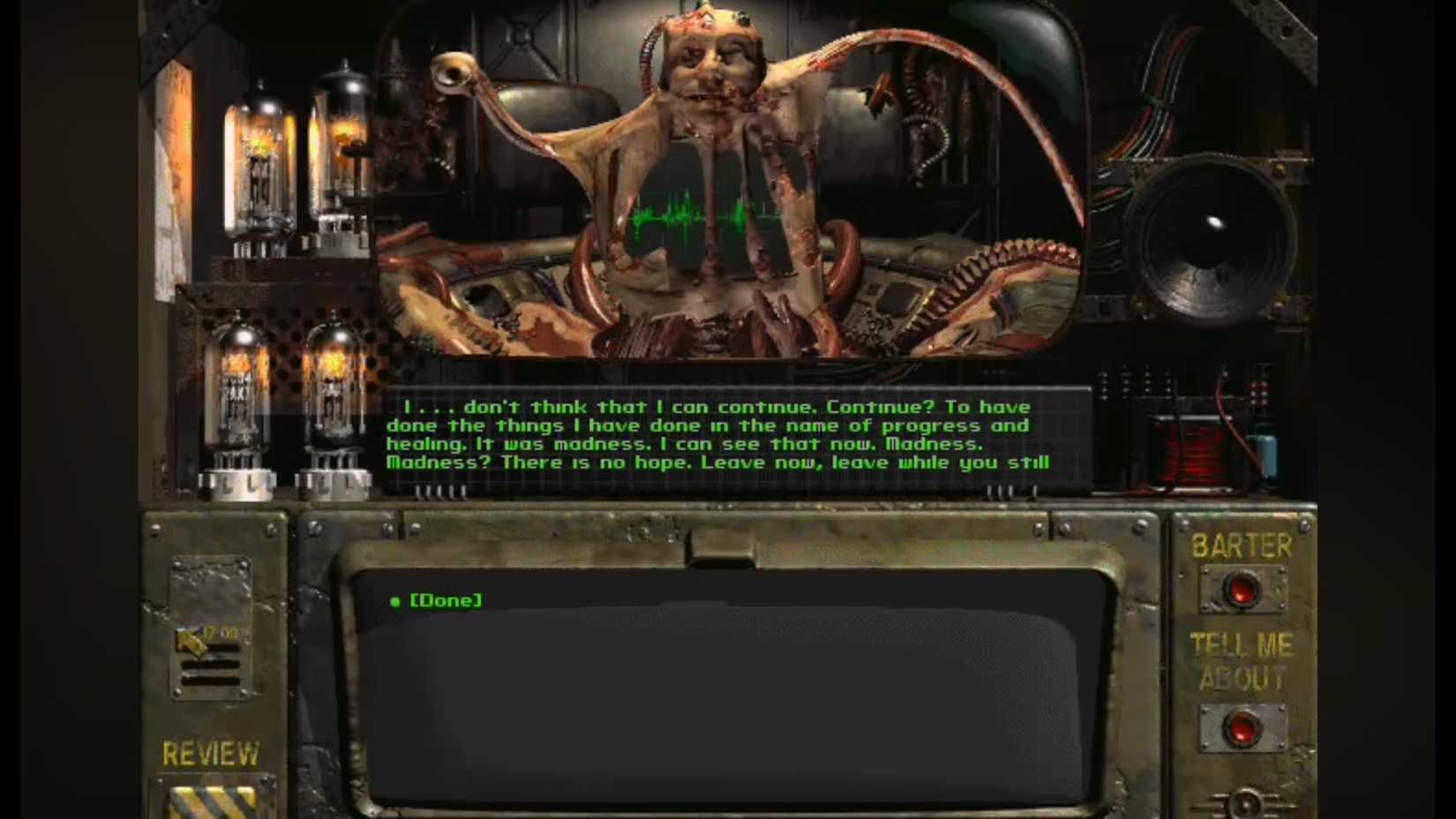
10. The Master (Fallout)
The Fallout franchise is built on the ruins of human hubris, and no character embodies this better than The Master. Originally a human vault dweller, he suffered a horrific mutation after falling into vats of Forced Evolutionary Virus (FEV).
The Philosophy of Mutation
The tragedy of The Master lies in his genuine, albeit warped, concern for humanity’s survival. Observing the brutality of the wasteland, he concluded that humanity was a failing species destined for extinction. He viewed his own mutation as an evolution—a path toward a peaceful, uniform, and unified society. His campaign of terror was, in his mind, an act of salvation. The ultimate heartbreak occurs when the player confronts him with the reality that his "new" species is sterile, rendering his entire crusade a futile exercise in extinction. Upon this realization, the horror of his actions consumes him, and he chooses self-destruction.

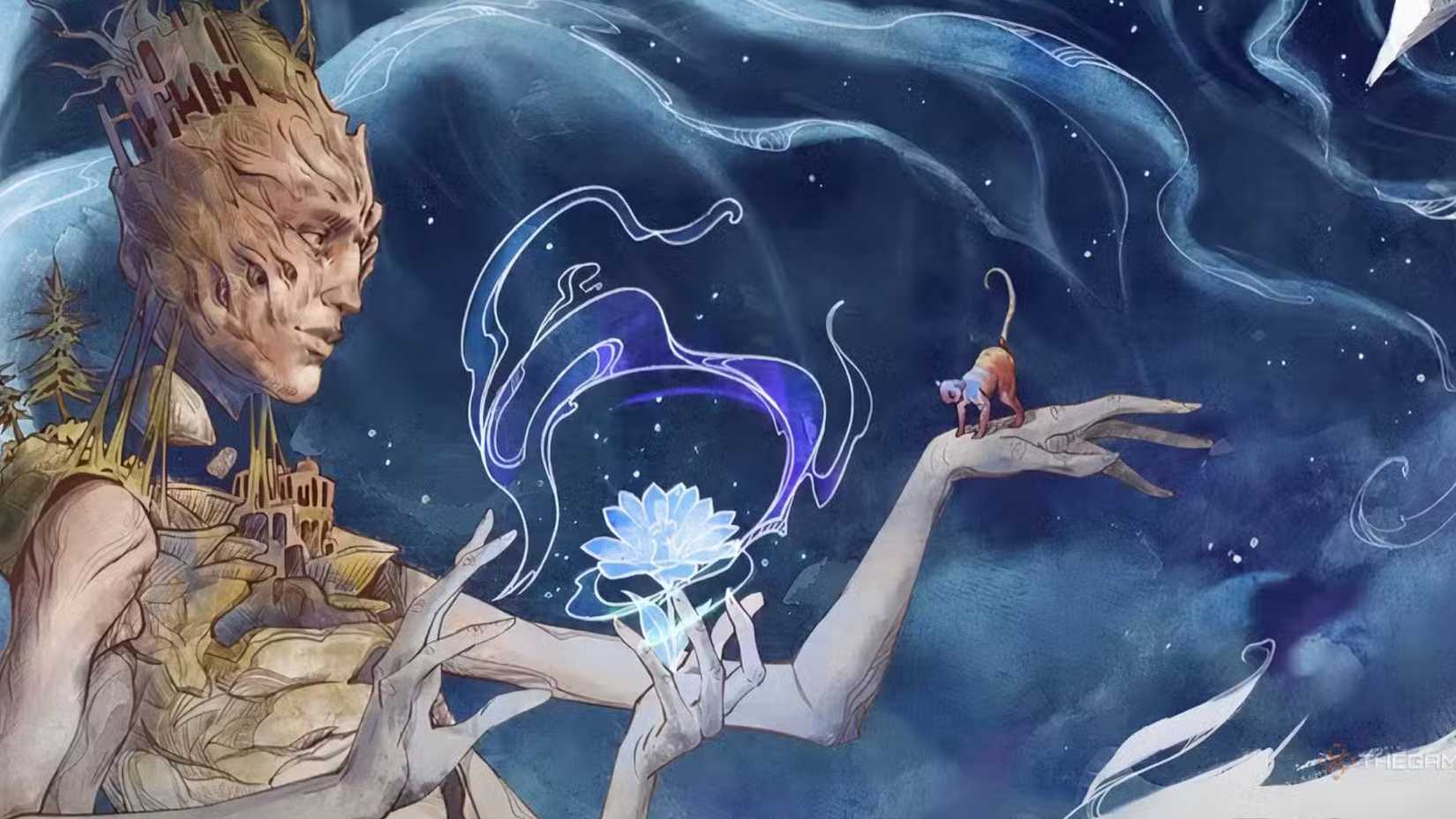
9. Sapadal (Avowed)
Avowed introduces players to complex power dynamics, but few are as heart-wrenching as the story of Sapadal.
A God Without Guidance
Sapadal occupies a unique space as a literal deity who is nonetheless a victim of their own immense power. Unlike villains who seek power to impose their will, Sapadal’s narrative is one of a confused, adolescent entity thrashing against an existence they did not ask for. They have caused immense destruction, but the player is forced to grapple with the fact that Sapadal is capable of growth. The tragedy is that the most "practical" solution—eradication—robs the world of a being that could have evolved into something benevolent given the right mentorship.
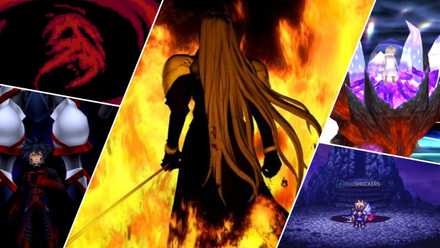
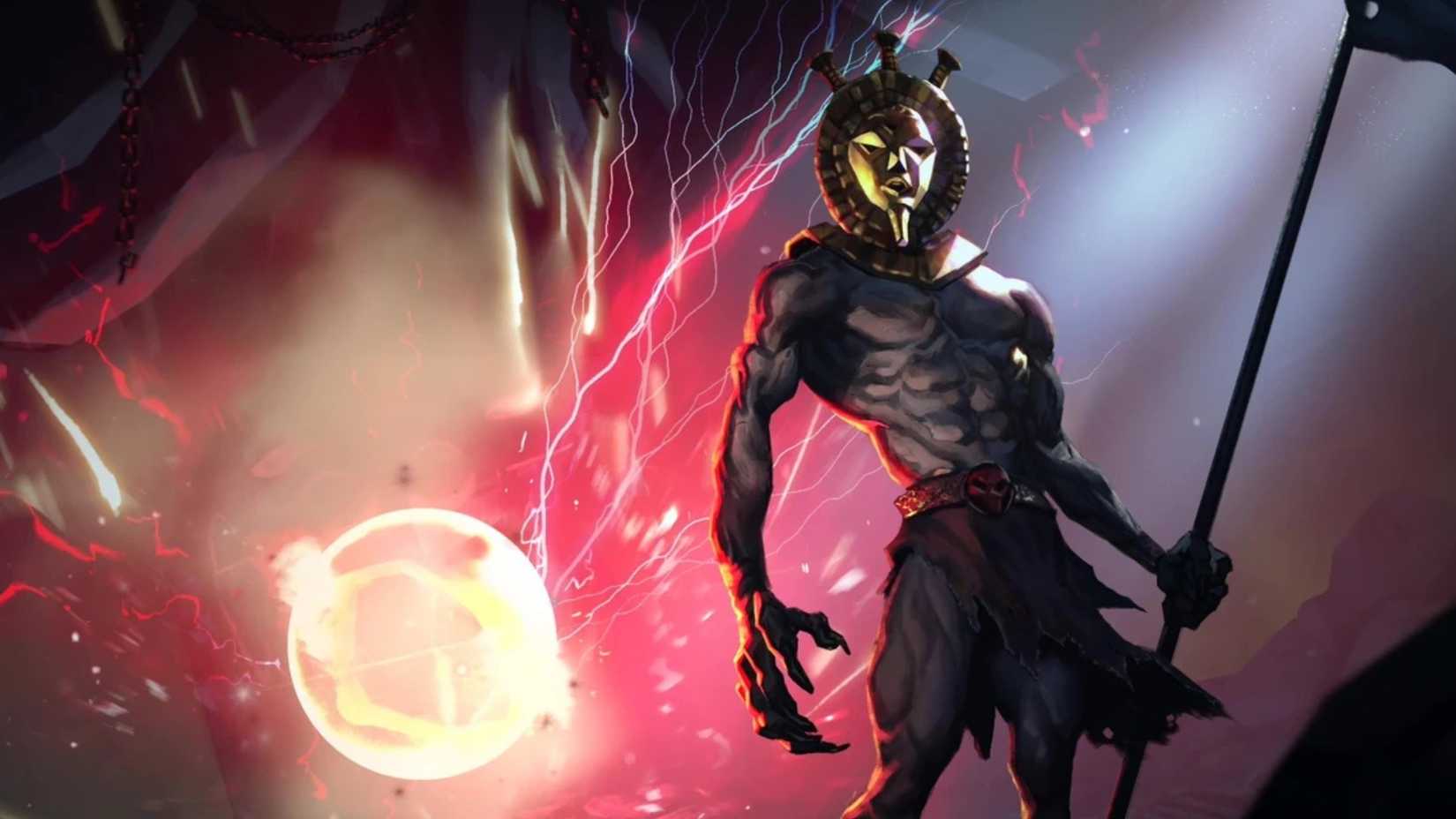
8. Dagoth Ur (The Elder Scrolls III: Morrowind)
In the history of Vvardenfell, few names carry as much weight as Dagoth Ur. Once the trusted lieutenant and friend of Lord Indoril Nerevar, his transformation into a malevolent deity is a classic tale of betrayal and corruption.
The Cycle of Resentment
Dagoth Ur’s tragedy is tied to the misuse of divine tools—Sunder, Keening, and Wraithguard. His long-lingering spirit, warped by exposure to the Heart of Lorkhan, eventually manifested as a god-like entity. What makes him stand out is his strange, almost paternal fixation on the Nerevarine. He does not simply want to destroy the protagonist; he wants to recruit them. He views his conflict with the player not as a battle between good and evil, but as a tragic necessity born from a millennium of isolation and spiritual trauma.
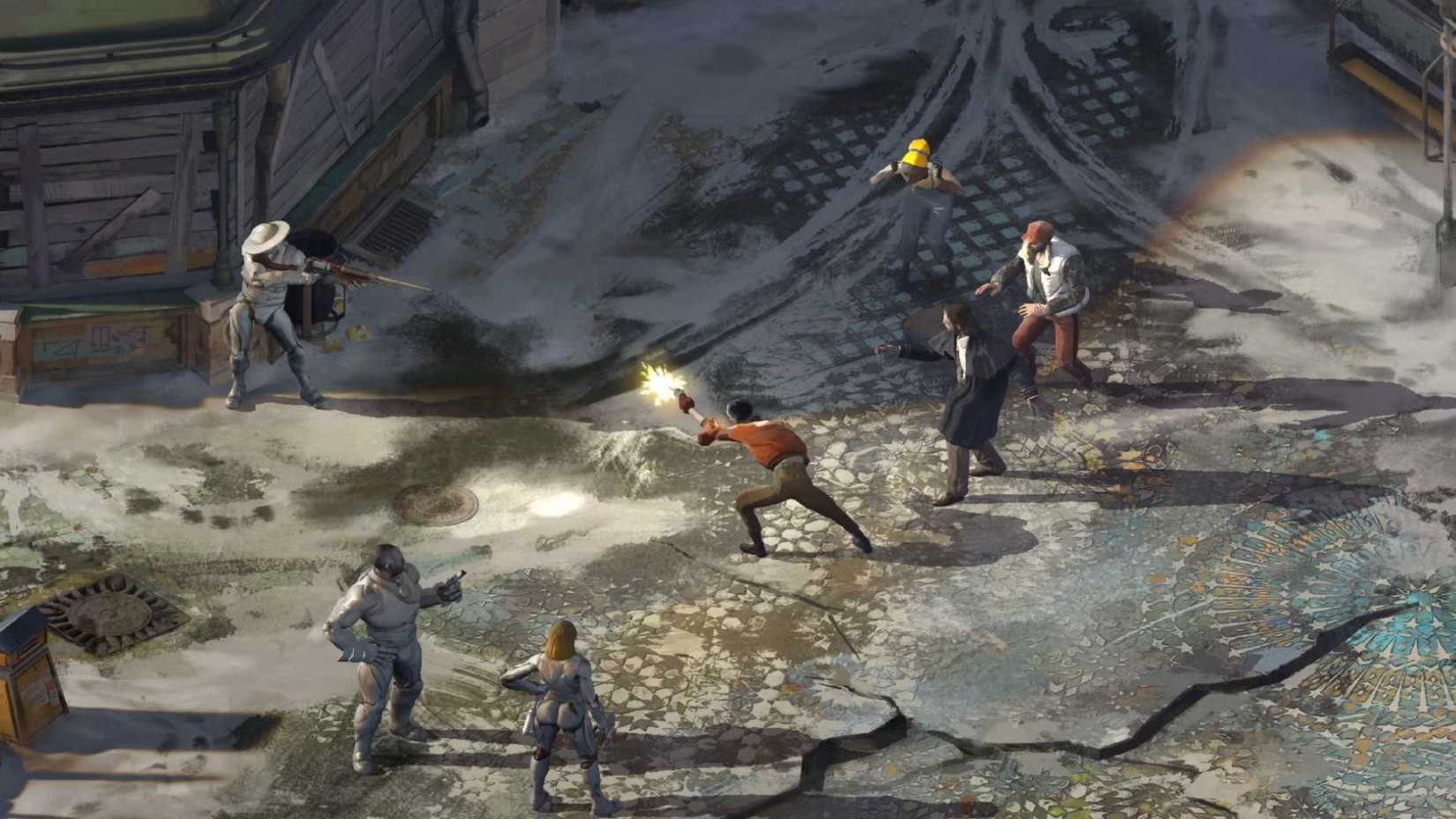
7. The Deserter (Disco Elysium)
Disco Elysium is a game defined by the ghosts of history, and the Deserter stands as the most pathetic and poignant of those specters.
The Forever War
Unlike the grand, world-ending villains on this list, the Deserter is a relic. He is a soldier who never accepted the end of his war, hiding in a hole and clinging to a dying ideology. His tragedy is his absolute, immovable stubbornness. He represents the danger of living entirely in the past, refusing to participate in a world that has moved on. His existence is a lonely, claustrophobic prison of his own making, fueled by a hatred that has long since outlived its usefulness.
6. Saren Arterius (Mass Effect)
Saren represents the danger of compromising one’s integrity for the "greater good."
The Cost of Indoctrination
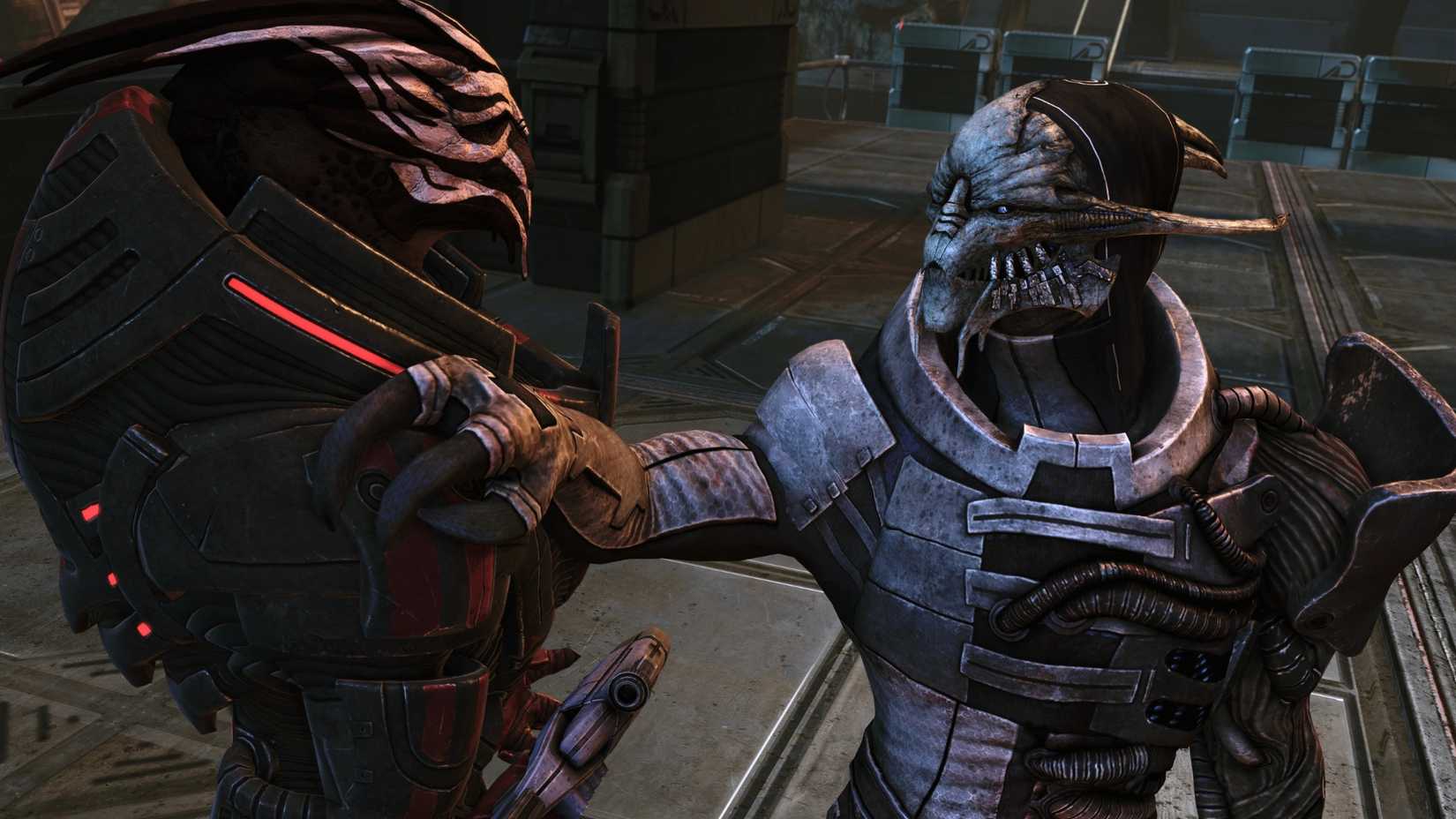
Saren began his career as a highly respected Spectre, tasked with keeping the galaxy safe. His descent began with a desire to understand the Reapers, believing he could harness their power to protect organic life. This arrogance left him vulnerable to indoctrination. The tragedy of Saren is that he was a man of action who became a puppet. In his final moments, when he realizes he has lost his agency, his suicide is not an act of cowardice, but a desperate, final assertion of his humanity against the machine-like influence of the Reapers.
5. Kreia (Star Wars: Knights of the Old Republic II)
Kreia is perhaps the most intellectually complex antagonist in the Star Wars canon. She stands as a bridge between the Jedi and the Sith, rejecting both while ultimately seeking to destroy the very Force that binds the galaxy.
The Betrayer with a Heart
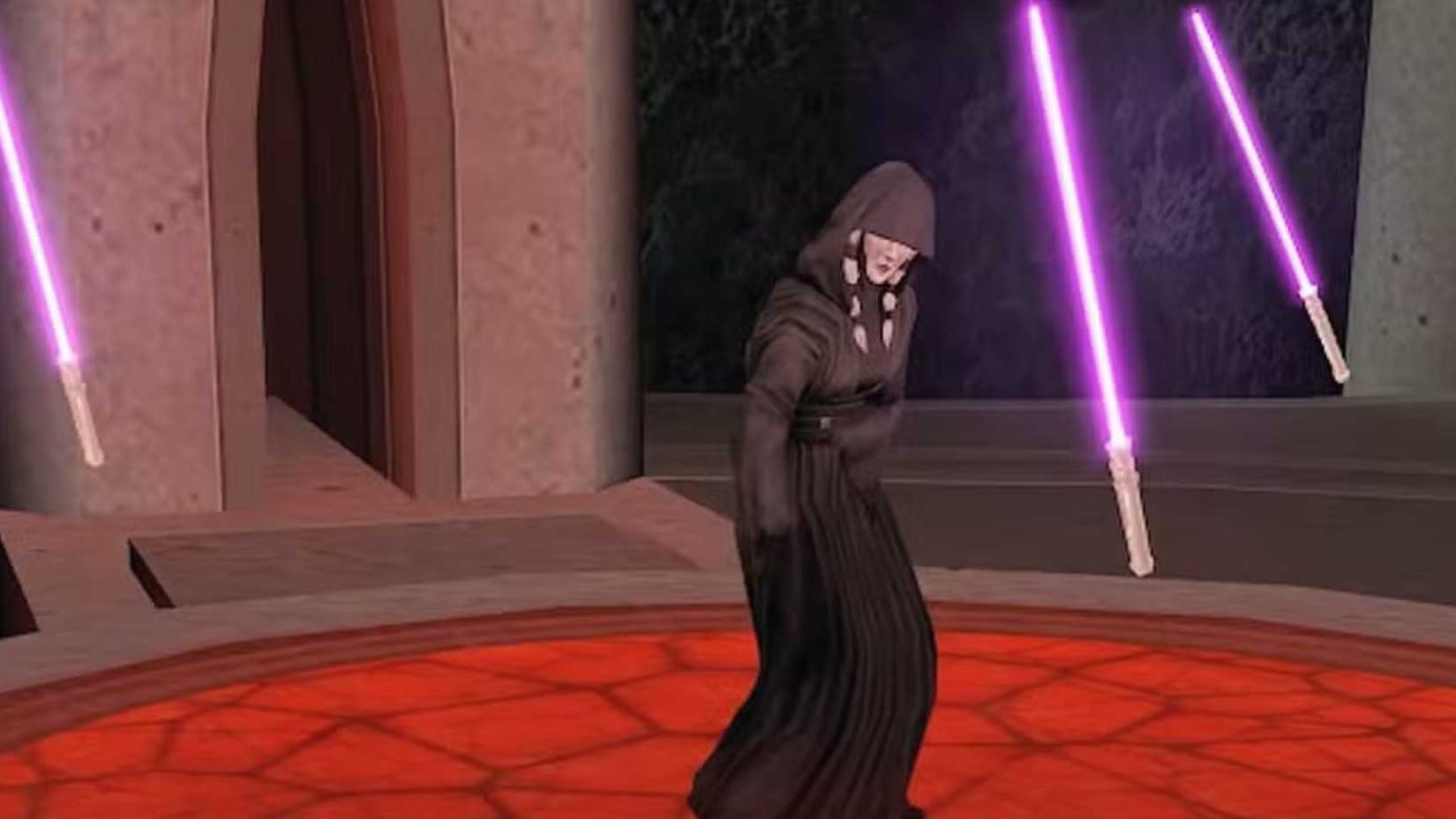
Kreia’s tragedy is that she truly cares for the protagonist—the Jedi Exile. She views the Force as a parasite that dictates the lives of sentient beings, and her villainy is a radical attempt to "liberate" the galaxy by cutting it off from that influence. Her death at the hands of her student is the final lesson she imparts: that the student must eventually surpass and destroy the master to truly be free.
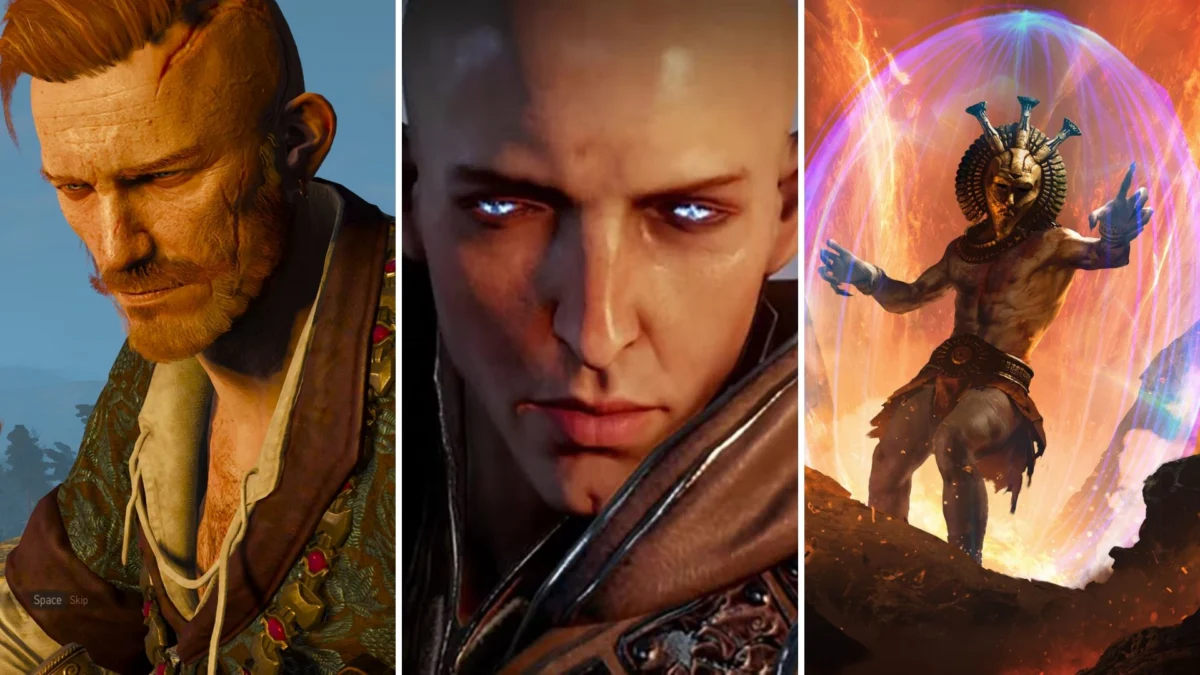
4. Olgierd von Everec (The Witcher 3: Hearts of Stone)
The Hearts of Stone expansion provides one of the most intimate character studies in RPG history. Olgierd is a man who traded his heart—literally—for a chance to save his love and secure his future.
The Devil’s Bargain
Olgierd’s deal with the mirror-merchant Gaunter O’Dimm resulted in him becoming incapable of feeling human emotion. The tragedy is that he spent his life trying to reclaim a warmth he could no longer experience. Whether the player chooses to save him or let him meet his fate, the realization remains: Olgierd was a man whose greatest mistake was loving too deeply, leading him to sacrifice everything, including his own humanity, for a fleeting moment of happiness.
3. Ketheric Thorm (Baldur’s Gate 3)
Baldur’s Gate 3 presents Ketheric Thorm as a formidable foe, but his backstory reveals a man utterly shattered by the cycle of life and death.
The Grief-Stricken Tyrant
Ketheric’s descent into darkness is a linear path of grief. When his wife died, he turned to religion. When his daughter, Isobel, died, he turned to the shadows. He is a character who could not accept the finality of loss, and his service to the Dead Three was merely an attempt to rewrite the rules of existence to bring back what he had lost. His tragedy is that his love for his family is the very thing that made him a monster, proving that even the most righteous love can lead to horrific ends when it refuses to accept reality.
2. Renoir Dessendre (Clair Obscur: Expedition 33)
In Expedition 33, the line between protagonist and antagonist blurs until it disappears. Renoir Dessendre is a character defined by a refusal to let go.
A Legacy of Loss
Renoir’s story is a chronicle of a broken father. After losing his son and witnessing the horrific maiming of his daughter, he is forced to watch as his wife, Aline, loses her mind to the "Canvas." He remains trapped beneath the Monolith for 67 years—a prisoner of his own devotion. His eventual concession to the protagonist, Alicia, is one of the most heartbreaking moments in recent gaming history. He isn’t a villain by choice; he is a man exhausted by sixty-seven years of mourning.
1. Solas (Dragon Age: Inquisition)
Standing at the top of this list is the Dread Wolf himself. Solas is the ultimate tragic villain because he is a man of immense intellect who is entirely aware of the horror he is about to unleash.
The Weight of History
Solas created the Veil to save his people, but in doing so, he accidentally destroyed their civilization. Now, he seeks to tear down the Veil to restore what was lost, knowing full well that doing so will likely destroy the modern world. His tragedy is the loneliness of his position; he is an ancient god living among "spirits" he deems lesser, yet he genuinely loves them. He chooses to isolate himself and commit genocide not out of hatred, but out of a tragic, misplaced sense of duty to his ancestors. He is a villain who cries for his victims while holding the knife, making him the most compelling and tragic figure in the Dragon Age franchise.
Implications for Game Design
The enduring popularity of these characters highlights a shift in RPG storytelling. Players are no longer satisfied with simple archetypes. They seek narratives that mirror the complexity of the real world—where actions have unforeseen consequences, and where the "villain" is often just a person who lost their way. By focusing on the "tragic villain," developers create experiences that linger long after the credits roll, forcing us to consider that in the right circumstances, we, too, might be the villain of someone else’s story.











No comments yet. Be the first to join the conversation!