Reynand Wu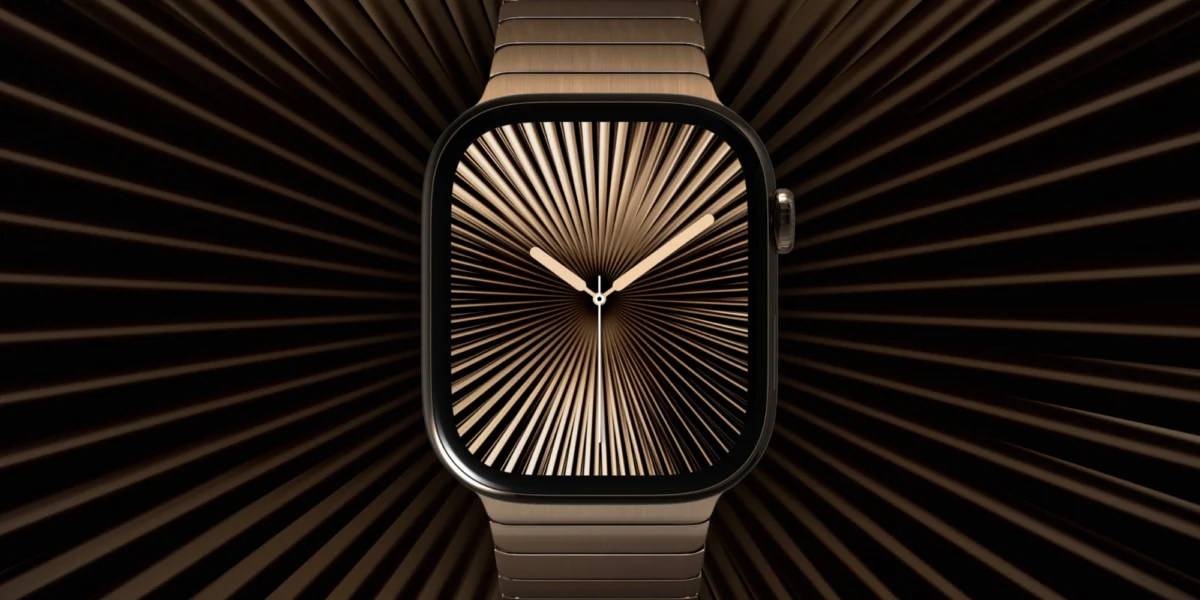
As the calendar approaches September, the tech industry turns its collective gaze toward Cupertino. For over a decade, Apple’s annual September event has served as the definitive stage for the next iteration of the Apple Watch. With the Apple Watch Series 12 on the horizon, industry analysts and enthusiasts alike are parsing through supply chain leaks, code discoveries, and patent filings to determine whether this year’s release will be a revolutionary leap or a measured refinement.
While the Series 12 is expected to maintain the familiar design language established by its predecessor, the Series 11, the internal architecture suggests a more significant shift. Here is a comprehensive look at what we know, what we suspect, and what the implications are for the future of wearable technology.
Main Facts: The Core of the Series 12
The fundamental premise of the Apple Watch Series 12 is performance longevity. While the exterior chassis is projected to remain largely unchanged—preserving the display sizes and aesthetic profile that users have grown accustomed to—the internal heart of the device is poised for an upgrade.
The most critical update involves the SiP (System in Package). Apple typically follows a three-year cycle for substantial CPU overhauls. Having debuted the S9 chip in 2023—built on the foundation of the A16 Bionic—the company is now primed for a transition. The Series 12 is expected to feature a new processor, likely leveraging a 3nm manufacturing process. This shift is not merely about raw clock speeds; it is about energy efficiency, thermal management, and the ability to handle increasingly complex on-device machine learning tasks.

Chronology: The Evolution of the Apple Watch
To understand the significance of the upcoming release, one must look at the historical trajectory of the Apple Watch’s silicon:
- 2020 (Series 6): Introduction of the S6 chip, based on the A13 Bionic. This marked a significant jump in performance and paved the way for more responsive animations and faster app loading.
- 2023 (Series 9): The S9 chip was unveiled, utilizing the A16 Bionic architecture. This generation brought substantial improvements to Siri’s on-device processing and the "Double Tap" gesture control.
- 2025 (Current Era): As we look toward the Series 12, we see a repeating pattern. The "in-between" years often focus on display brightness, battery optimization, or chassis materials (like the shift to titanium or recycled aluminum). The Series 12 is slated to be the year where the CPU receives a major architectural refresh.
Supporting Data: Why the Chipset Matters
For the average consumer, a new chip often sounds like marketing jargon. However, the data suggests that for a device meant to be worn daily for 24 hours, the efficiency of the chipset is paramount.
The 3nm Advantage
By moving to a 3nm design, potentially mirroring the efficiency gains seen in the A19 chip series for iPhones, Apple is aiming to solve the "battery life ceiling." Currently, Apple Watches are limited by their physical footprint; they cannot simply house larger batteries without becoming bulky. Therefore, efficiency is the only path to better performance. A more efficient chip translates to:
- Lower Power Draw: Keeping the always-on display active for longer durations without draining the battery.
- Advanced Health Tracking: Increased background processing capacity allows for more frequent heart rate sampling, blood oxygen monitoring, and potentially more advanced ECG analysis without stuttering or power depletion.
- Future-Proofing: An upgraded S-series chip ensures that the watch can support future iterations of watchOS, which will undoubtedly require more overhead for AI-driven health insights.
Official Responses and The "Touch ID" Controversy
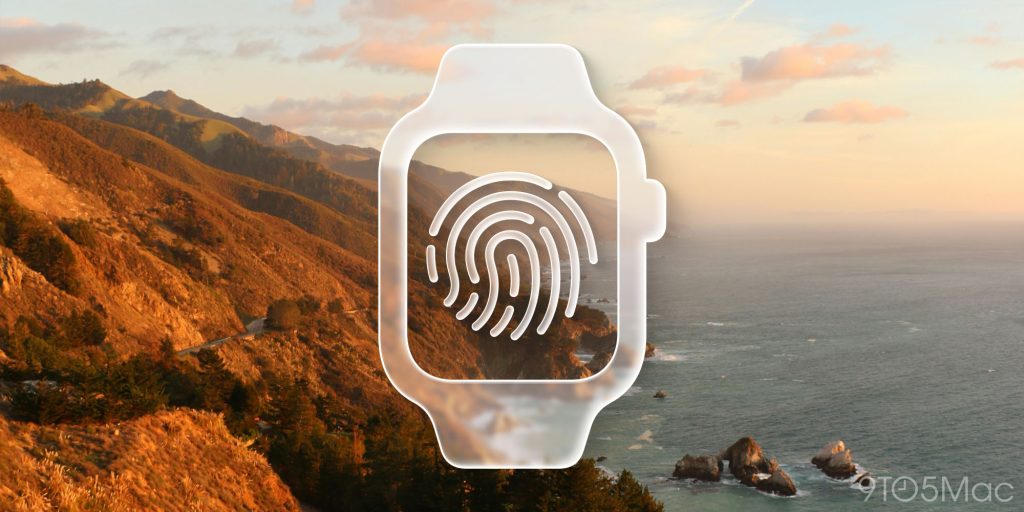
Perhaps the most contentious rumor regarding the Series 12 was the potential inclusion of Touch ID. Initial excitement was sparked by code leaks suggesting that Apple had been experimenting with biometric authentication on the wrist.
Why the Feature Was Shelved
Industry reports, including those from reliable leakers and internal supply chain sources, indicate that Apple has largely rejected the integration of Touch ID for the Series 12. The reasoning is multifaceted:
- The Battery Tax: Implementing a biometric sensor requires dedicated power. In a device where every milliamp-hour is accounted for, the trade-off between biometric security and overall battery life resulted in a net negative.
- Space Constraints: The internal volume of the Apple Watch is highly contested. Every cubic millimeter is occupied by the battery, the Taptic Engine, or health sensors. Adding a fingerprint sensor would have necessitated either shrinking the battery or increasing the overall thickness of the casing—a move Apple seems hesitant to make given the current slim profile of the Series 11.
- The UX Alternative: Apple has successfully implemented "Double Tap" and passcodes that are rarely needed if the watch is unlocked via a paired iPhone. The company likely concluded that the friction caused by the lack of Touch ID is minimal compared to the technical debt it would introduce.
Implications: The Future of Health and Aesthetics
While the Series 12 might not introduce a revolutionary new biometric sensor like blood glucose monitoring—a feature that remains the "holy grail" of wearable health—the device signifies a shift in strategy.
The Health Plateau
For years, the Apple Watch has been the industry leader in health tracking. The lack of concrete leaks regarding new sensors, such as non-invasive blood pressure or glucose monitoring, suggests that Apple is currently in a phase of "software refinement." The company is likely focusing on improving the accuracy of existing data through better algorithms rather than rushing unproven hardware to market.
Aesthetic Continuity
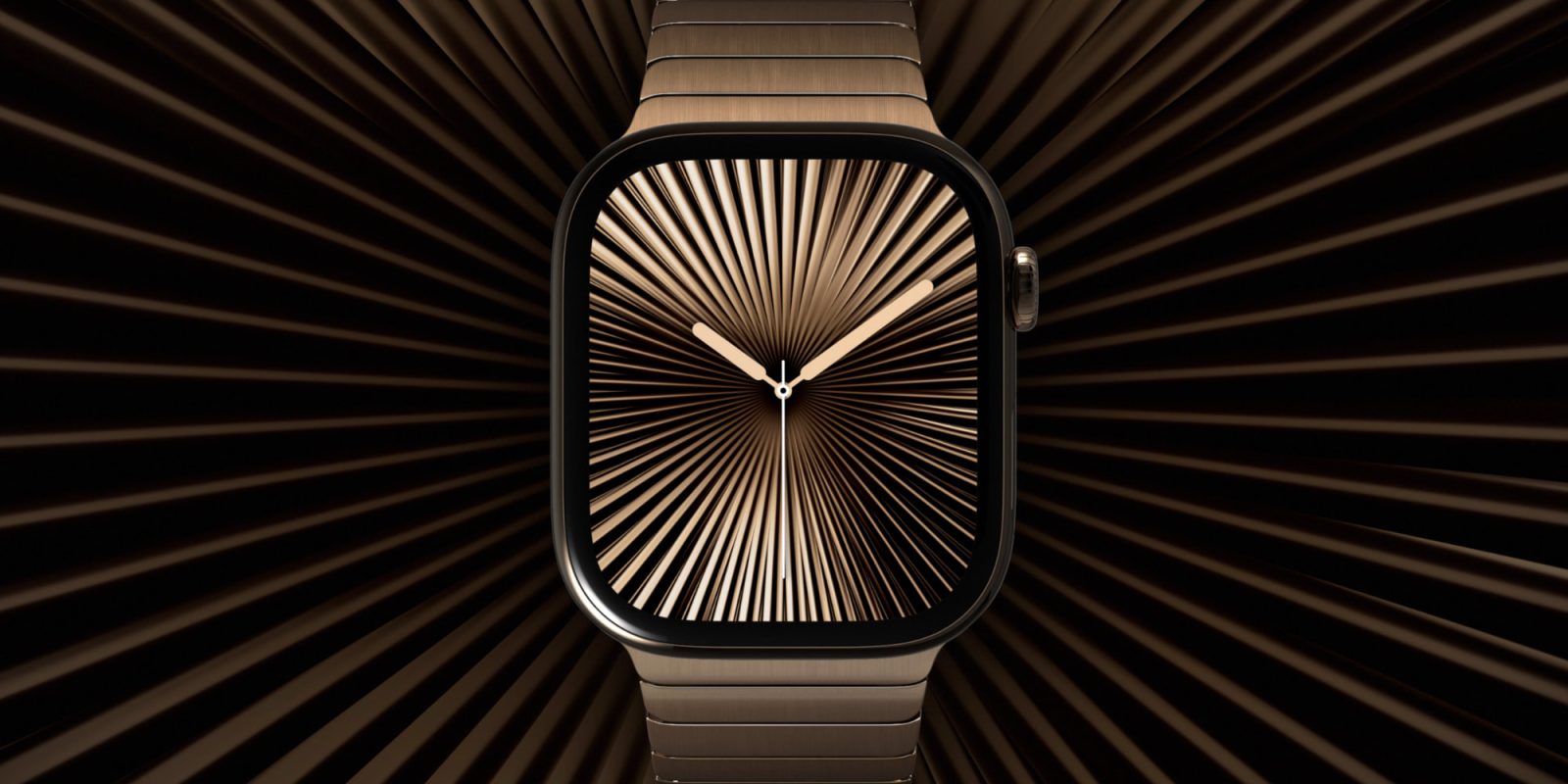
Retaining the design of the Series 11 is a calculated choice. By keeping the same form factor, Apple ensures that the vast ecosystem of bands—a multi-billion dollar secondary market—remains compatible. This consistency builds brand loyalty, as users can upgrade their watch head without needing to discard their collection of bands.
Final Outlook: Is the Series 12 Worth It?
If you are currently wearing a Series 7 or earlier, the Series 12 will offer a transformative experience. The jump in processing power, combined with the maturation of watchOS features, will make the device feel significantly more fluid.
However, for those holding a Series 10 or 11, the Series 12 may feel like an incremental update. The "flashy" factor is low this year. Instead, the focus is on stability, efficiency, and preparing the hardware to handle the next generation of artificial intelligence features that Apple is likely to integrate into its ecosystem.
Ultimately, the Apple Watch Series 12 is a testament to the maturity of the product line. It is no longer about adding "gimmick" features; it is about perfecting the essential tools of communication, fitness, and connectivity. As we await the official September announcement, the narrative is clear: Apple is choosing to refine the foundation before building the next level of the wearable experience.
Join the Conversation
What do you prioritize in your next wearable device? Are you looking for raw power and speed, or are you holding out for a specific breakthrough in health diagnostics? Let us know in the comments below.

Disclaimer: This article contains affiliate links that help support our editorial staff. For more information, please see our disclosure policy.

 Azzam Bilal Chamdy
 Suro Senen