Laily UPN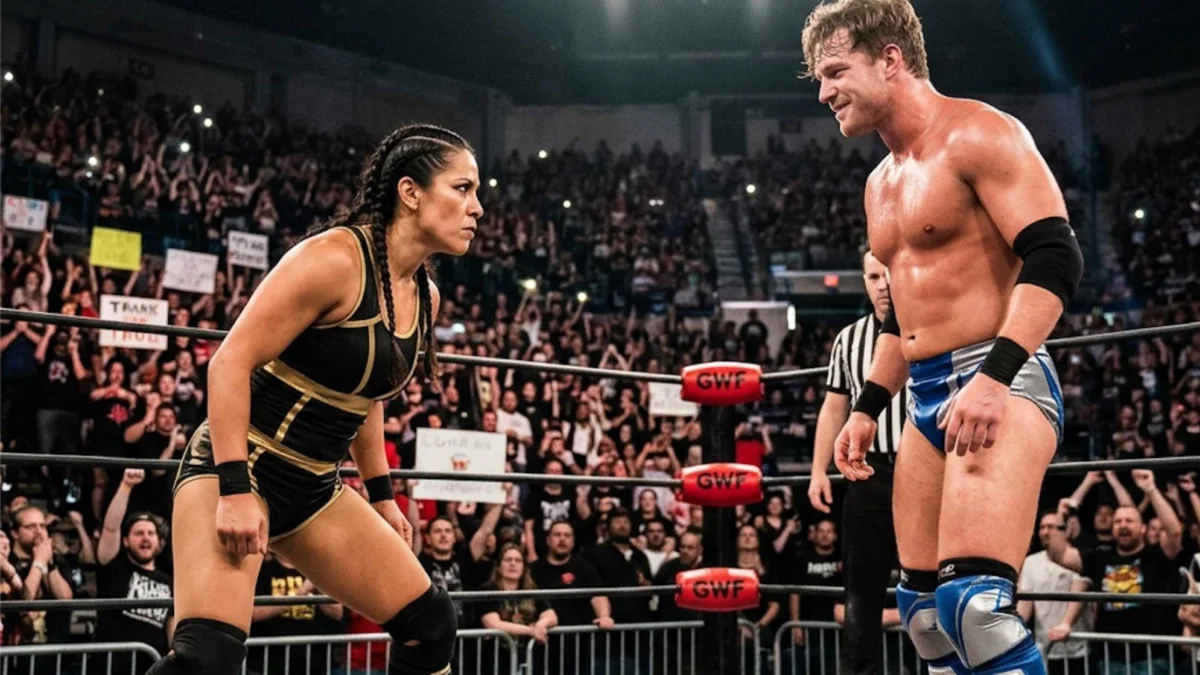
In an era where couples are increasingly moving away from traditional nuptials in favor of highly personalized, unconventional celebrations, one pair in China’s Guizhou province has set a new, high-octane standard. He Yinsheng, a professional wrestler, and his bride decided that a standard ballroom reception would not suffice for their big day. Instead, they transformed their wedding venue into a professional wrestling ring, pitting themselves against each other in a choreographed match that carried significant domestic stakes: a lifetime of household chores for the loser.
What began as a practical solution to a ballooning wedding budget blossomed into a viral phenomenon, drawing nearly 300 guests and putting the spotlight on a burgeoning, yet niche, athletic subculture in China.
The Genesis of an Unconventional Idea
The path to the ring began not with a desire for spectacle, but with the pragmatic stress that plagues many modern couples: the wedding budget. As He Yinsheng and his partner began tallying the costs of their upcoming nuptials, they realized that the expenses were far exceeding their initial projections.
Rather than compromising on the quality of the event, Yinsheng—who possesses an intimate understanding of the entertainment industry through his career as a professional wrestler—proposed a bold alternative. He suggested replacing standard wedding entertainment with a live, high-impact wrestling exhibition. By leveraging his professional network, he could provide guests with a world-class show without the exorbitant fees associated with hiring external performers.
Navigating Skepticism
The concept was initially met with bewilderment. Traditional wedding etiquette in China, as in many parts of the world, places a heavy emphasis on formal decorum. Both sets of parents were reportedly confused by the proposal, struggling to reconcile the sacred nature of the ceremony with the aggressive, theatrical nature of a wrestling match.
However, after Yinsheng presented his vision—a display that focused on athletic performance, storytelling, and mutual participation rather than mindless violence—the families gave their blessing. The stage was set, the ropes were tightened, and a giant LED display was installed, emblazoned with the marquee billing: "Groom vs. Bride."
Chronology of the Main Event
The wedding, which took place in the Guizhou province, unfolded more like a pay-per-view sporting event than a standard banquet. The transformation of the venue was absolute, featuring a regulation-style ring that replaced the traditional head table.
The Undercard
The event followed a structured format. Both the bride and groom led their own "teams" of professional wrestlers. The program was designed as a series of best-of-three pin matches, showcasing the technical prowess of the performers. Guests were treated to high-flying maneuvers, dramatic reversals, and the choreographed athleticism that defines the sport. For many of the attendees, this was their first encounter with professional wrestling, and the energy in the room shifted from polite curiosity to genuine, roaring excitement.
The Main Event
The crescendo of the night was the final matchup: the newlyweds themselves. The atmosphere was electric as the bride and groom entered the ring in their formal attire, adapted for the match. The couple engaged in a spirited display of athleticism, trading sequences of moves that brought the crowd to their feet.
The match reached its climax when the bride executed a perfectly timed shoulder throw, grounding the groom and pinning him to the canvas. The referee’s hand slapped the mat three times, signaling a victory for the bride. The crowd erupted, and the stakes were officially locked in: the groom had effectively "lost" his right to avoid the household chores, a concession he later embraced with a sense of humor and grace.
The Philosophy of the Performance: Official Responses
Following the viral success of the event, the couple provided insight into the motivations behind the match. The bride’s victory was not merely a scripted win; it was a symbolic start to their marriage that prioritized shared fun over traditional power dynamics.
The Groom’s Perspective
When asked about his defeat, He Yinsheng was quick to pivot to the humorous reality of domestic life. "Of course I had to lose in the end," he told the South China Morning Post. "I could not let her do the housework."
His comments reflect a modern, egalitarian approach to marriage that resonates with younger generations. By turning a chore-based negotiation into a playful public performance, the couple managed to strip away the tension often associated with defining domestic roles.
Moreover, Yinsheng expressed a broader ambition for the event. He noted that the wrestling scene in China is still in its infancy compared to the massive, multi-billion-dollar industry in the United States and Japan. By hosting the match, he hoped to bring mainstream visibility to the sport. "Our wedding had food and a show, so people were happy to attend," he noted. "In the end, nearly 300 guests turned up, far more than we expected."
The Economic and Social Implications
The success of the "Wrestling Wedding" highlights several evolving trends in the global event industry.
The Shift Toward "Experience-First" Weddings
The couple’s decision to pivot from a traditional reception to a professional showcase is part of a growing movement of "experience-first" weddings. As social media continues to shape how we consume events, couples are increasingly looking for ways to provide their guests with unique, shareable, and high-energy experiences. The move away from the "standard" wedding—which can often feel repetitive or overly formal—toward highly personalized displays is becoming the new gold standard.
Promoting Niche Athletics
Beyond the wedding itself, the event serves as a case study in guerilla marketing. By hosting a professional-grade match at a social gathering, the couple effectively bypassed the gatekeepers of traditional media. The video footage of the event, which circulated widely on social platforms, acted as a high-quality advertisement for the Chinese wrestling scene.
Industry analysts suggest that if more athletes follow the example of Yinsheng, it could lead to an increase in public interest, sponsorship, and local investment in combat-based entertainment. The event proved that wrestling, when framed correctly, is a family-friendly, high-engagement form of theater that can fit into a variety of social contexts.
A Cultural Shift in Modern Nuptials
This wedding is not an isolated incident; it is a signal of a larger cultural shift. We have seen a rise in "themed" weddings that lean into the specific passions of the couple. Whether it is a sci-fi enthusiast turning their daughter’s wedding into a crossover event, or a Pokemon-obsessed couple creating a dream world for their guests, the modern wedding is increasingly becoming a manifestation of the couple’s personality rather than an adherence to inherited social expectations.
Why It Works
The success of the Yinsheng wedding can be attributed to three key factors:
- Authenticity: The groom’s profession provided a natural, organic reason for the theme. It didn’t feel like a forced gimmick; it felt like a celebration of his life’s work.
- Audience Engagement: By inviting guests to witness a "match" rather than just watching a dance floor, the couple turned passive observers into an active audience.
- Budgetary Pragmatism: The couple proved that "thinking outside the box" is not just about aesthetics—it is a legitimate way to manage resources. By utilizing their existing professional network, they reduced overhead costs while simultaneously increasing the value of the experience for their guests.
Conclusion
As the dust settles on the mat in Guizhou, the lasting impact of this wedding remains clear: it has challenged the definition of what a marriage celebration can look like. He Yinsheng and his wife have proven that with a bit of creativity, a high level of physical skill, and a willingness to defy tradition, a couple can create a memory that is not only personal and unique but also capable of capturing the imagination of a global audience.
While not every couple will trade their first dance for a pile-driver, the spirit of this wedding—one of spontaneity, humor, and mutual respect—is a blueprint for the future of celebrations. In a world where tradition is increasingly questioned, this couple showed that the best way to start a life together is by throwing out the rulebook and, quite literally, creating your own show.


 Iffa Jayyana
 Lina Irawan