Asro
Asro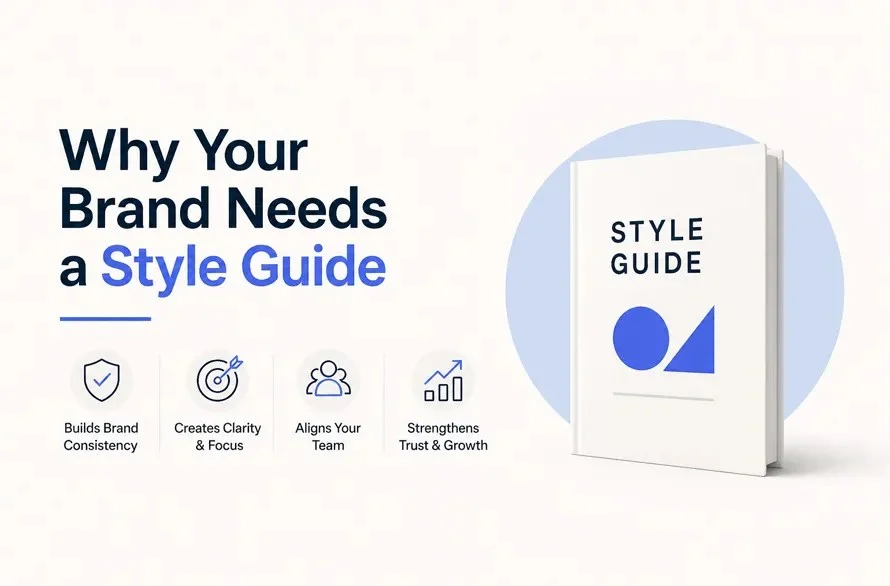
In the modern digital ecosystem, a brand is more than just a logo or a catchy slogan. It is a psychological contract between a company and its audience—a promise of consistency, quality, and values. However, many businesses inadvertently sabotage this contract by allowing their visual and verbal identity to fragment. If you have ever encountered a company using three different shades of blue across their website, packaging, and social media, you have witnessed the immediate, damaging effects of a brand lacking clear guidelines.
Brand guidelines—often referred to as a brand book, style guide, or brand identity manual—are the definitive set of rules governing how a brand looks, sounds, and feels. While the concept may sound abstract, its application is fundamentally pragmatic. It is the rulebook that ensures every touchpoint, from an email signature to a global advertising campaign, resonates with the same intentionality.

Main Facts: The Blueprint of Professionalism
At their core, brand guidelines serve as a centralized source of truth. They bridge the gap between creative vision and operational execution. For a startup with three employees, these guidelines act as a compass; for a multinational corporation, they serve as a safeguard against brand dilution.
The primary function of a style guide is to eliminate ambiguity. When a new designer joins the team, a freelancer is hired, or an internal marketing manager prepares a new campaign, the guidelines provide the parameters within which they must operate. Without this document, a brand becomes a moving target, evolving—or devolving—every week based on the personal aesthetic preferences of whoever is currently at the keyboard.

Key Components of a Standard Brand Identity
A professional-grade brand guideline document typically encompasses several non-negotiable pillars:
- Logo Usage: Defines the "dos and don’ts" of the brand mark, including clear space requirements, minimum sizing, and acceptable variations (e.g., monochrome, horizontal, or icon-only versions).
- Color Palette: Specifies primary, secondary, and accent colors, accompanied by precise HEX, RGB, and CMYK color codes to ensure consistency across digital and print mediums.
- Typography: Dictates the font families for headlines and body text, including hierarchy, line spacing, and weight, ensuring that the brand’s "voice" is legible and cohesive.
- Imagery Style: Outlines the photographic tone, illustration aesthetics, and visual filters, preventing the inclusion of stock imagery that conflicts with the brand’s personality.
- Voice and Tone: Details the linguistic style, grammatical preferences, and the emotional register the brand adopts, ensuring consistency in everything from social media captions to legal disclaimers.
Chronology: From Concept to Corporate Standard
The evolution of brand guidelines tracks the history of corporate design. In the mid-20th century, companies like IBM and Lufthansa pioneered the "Corporate Identity" movement, realizing that if they wanted to be perceived as monolithic, professional entities, their physical manifestations—from planes to letterheads—had to match perfectly.

In the 1990s and early 2000s, the rise of the web brought a new set of challenges. Designers had to account for screen resolution, browser rendering, and web-safe colors. Today, we are in the era of "Dynamic Brand Systems." In 2026, brand guidelines are no longer static PDFs; they are often living, breathing digital hubs—accessible via Notion, Figma, or private portals—that evolve in real-time.
As businesses integrate AI tools like Midjourney or Canva’s AI suite into their workflows, the timeline of brand management has accelerated. Modern guidelines must now include "AI Governance" sections, dictating how synthetic media can be generated to align with the brand’s established visual language.

Supporting Data and the Cost of Inconsistency
Why does this matter? Data consistently shows that brand consistency correlates with revenue growth. Research suggests that presenting a brand consistently across all platforms can increase revenue by up to 23%. Conversely, when a brand is perceived as "unorganized"—due to mismatched fonts, off-brand colors, or inconsistent messaging—customer trust plummets.
The Financial Implication
Consider the cost of "rework." When a designer spends hours debating with a stakeholder over the shade of a button or the font size of a header, that is billable time lost to internal friction. If you have invested significant capital into professional logo design and branding services, failing to implement a style guide is akin to buying a luxury car and then refusing to use the correct fuel. The brand will inevitably sputter and lose its shine.

Official Perspectives: Industry Experts on Brand Integrity
Leading design strategists argue that the "Brand Book" is the ultimate insurance policy. As one design director noted, "A brand guideline isn’t meant to restrict creativity; it is meant to provide the framework that allows creativity to flourish without compromising the brand’s integrity."
When a company like Nike or Apple presents a product, there is no question about its origin. That instantaneous recognition is the result of thousands of micro-decisions governed by a central rulebook. From the perspective of internal stakeholders, these guidelines provide autonomy. If the rules are clear, team members do not need to wait for executive approval for every minor design choice, which accelerates the speed of marketing execution.

Implications for the Modern Brand
As we navigate 2026 and beyond, the implications of neglecting brand guidelines are more severe than ever. The fragmentation of media—with brands appearing on TikTok, LinkedIn, streaming platforms, and email simultaneously—means that the "customer journey" is no longer linear. A customer might interact with your brand on three different devices in ten minutes. If your identity shifts on each screen, the brand experience is shattered.
Addressing the AI Factor
The emergence of AI-generated content has made the need for brand guidelines more critical than ever. AI can produce a high-quality image in seconds, but it cannot inherently understand your brand’s specific "visual soul." Without a set of strict guidelines to govern AI prompts and output, a company risks flooding its channels with generic, "uncanny valley" content that dilutes its market position.

How to Build and Maintain Your Guidelines
Building a brand guide does not require a massive budget. Many companies start by utilizing established brand guideline templates. These resources provide the structural scaffolding, allowing you to focus on the specific identity of your brand.
Best Practices for Maintenance:
- Iterative Updates: View your guidelines as a living document. Review them annually to ensure they reflect new social platforms or product lines.
- Accessibility: If your team cannot find the guidelines, they will not use them. Host them on a shared, searchable platform.
- The "Why" vs. the "What": Don’t just tell people what the rules are; explain why they exist. Understanding the rationale behind a color choice or a specific voice ensures that employees and contractors are more likely to respect the rules.
- Version Control: Always keep a change log at the end of your document. This helps everyone understand how the brand has evolved and prevents confusion over which version of a logo or font is current.
Conclusion: Investing in Your Identity
Brand guidelines are the silent guardians of your business reputation. They are the difference between a company that feels like a chaotic collection of parts and one that feels like a cohesive, trustworthy force in the market.

Whether you are a freelancer refining your visual identity or a marketing director managing a global team, the principle remains the same: define the rules, document them, and enforce them. By doing so, you protect your investment, save valuable time, and build the kind of consistent, professional presence that turns casual customers into loyal brand advocates.
In a world of noise, consistency is the ultimate competitive advantage. Do not let your brand be the one that leaves the audience guessing. Establish your guidelines today, and let your brand speak with one clear, unified voice.


 Ali Ikhwan
 Reynand Wu