

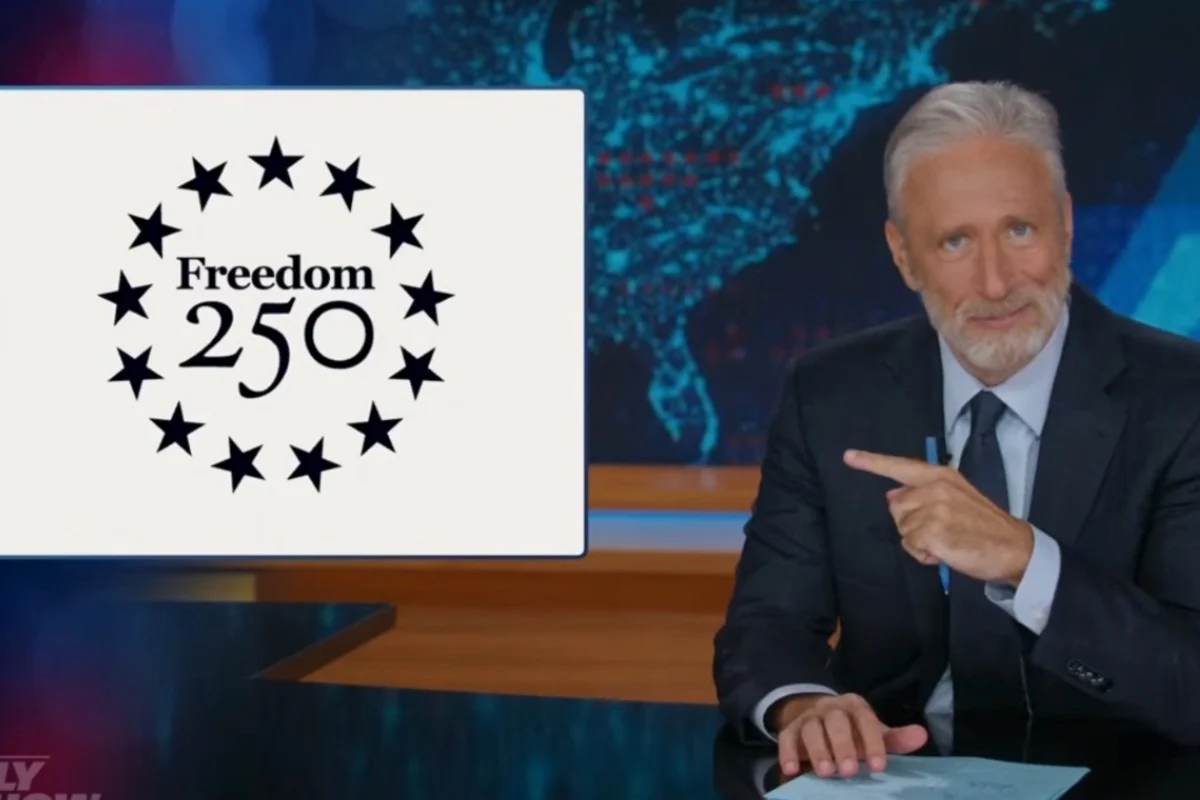
The ambitious plan to celebrate America’s 250th anniversary with a star-studded concert series has descended into a chaotic public relations nightmare. Known as the “Freedom 250” concert series, the event was intended to be a patriotic centerpiece for the nation’s semiquincentennial celebrations. Instead, it has become the latest flashpoint in the nation’s deeply polarized political landscape. Following a wave of high-profile artist withdrawals and a scathing rebuke from President Donald Trump, the concert series now faces an uncertain future, leaving organizers scrambling to salvage what remains of the original vision.
The Fallout: A Mass Exodus of Talent
The primary issue plaguing Freedom 250 is the rapid dissolution of its performer lineup. Of the nine musical acts originally slated to headline the performances, five have formally withdrawn, citing "political concerns" regarding their association with the event.
The list of departed acts represents a cross-section of genres and eras, including country star Martina McBride, legendary funk band The Commodores, R&B icon Morris Day, 90s hip-hop pioneer Young MC, and rock mainstay Bret Michaels. Their departures have left a gaping void in the concert’s programming, turning what was marketed as a unifying celebration into a symbol of the country’s deep-seated cultural divisions.
On Monday night’s episode of The Daily Show, host Jon Stewart highlighted the irony of the situation, using his opening monologue to skewer the crumbling logistics of the event. “Man, I need good news. I need some relief,” Stewart remarked. “Because as many of you know, that big Freedom 250 concert that I’ve been looking forward to… has run into some problems.”
Stewart’s comedic takedown underscored a growing sentiment that the concert has become less of a celebration of American history and more of a political litmus test for the entertainment industry.
Chronology of the Disintegration
The decline of Freedom 250 did not happen overnight; it was a slow-motion collapse that unfolded over the course of several weeks.
- Initial Announcement: The concert series was unveiled with significant fanfare, intended to showcase the best of American musical heritage to honor the 250th anniversary of the signing of the Declaration of Independence.
- Political Backlash Begins: As the event’s direct ties to President Trump’s vision for national monument celebrations became clearer, public scrutiny intensified. Advocacy groups and fans began questioning the political nature of the venue and the involvement of the Trump administration.
- The First Departures: One by one, artists began to issue statements rescinding their participation. The specific phrasing varied, but the core reason remained consistent: an unwillingness to be perceived as endorsing the political agenda associated with the event.
- The Public Pivot: As the exodus accelerated, social media became the primary battleground. While traditional media outlets reported the cancellations, performers like Vanilla Ice took to platforms like TikTok to reaffirm their commitment to the stage.
- The Presidential Intervention: By Saturday, President Trump utilized his Truth Social platform to lash out at both the departing artists and the judicial system, ultimately suggesting that he might cancel the event altogether.
Vanilla Ice and the "Solve It" Mentality
In the wake of the mass exodus, the remaining lineup is sparse. However, the event did find an unexpected defender in rapper Vanilla Ice. In a widely circulated TikTok post, the artist maintained his enthusiasm, stating, “America is turning 250! I’m super honored to do this concert with everybody. We are gonna bring back the 90s.”
Jon Stewart utilized this clip to punctuate his monologue, noting the stark contrast between the departing acts and those who remain. “See? Everybody dropped out, but not Vanilla Ice. Vanilla Ice didn’t drop out. He saw a problem, and yo, he solved it.”
While Stewart’s humor provided a moment of levity, the reliance on such a limited pool of performers raises serious questions about the production quality and viability of the remaining scheduled shows.
The Kennedy Center Conflict: A Deeper Legal Quagmire
The failure of the Freedom 250 concert is inextricably linked to President Trump’s broader efforts to exert influence over cultural institutions, most notably the John F. Kennedy Center for the Performing Arts.
In a lengthy and vitriolic post on Truth Social, President Trump did not merely blame the artists for the failure; he pivoted to a broader assault on the judiciary. Trump declared his desire to “cancel” the involvement with the Kennedy Center, citing a recent ruling by a federal judge that blocked his attempts to rebrand or control aspects of the center.
“The Kennedy Center is broken, unsafe, and busted, and has been for many years!” Trump wrote. He specifically targeted Judge Cooper, accusing him of being “highly conflicted” and “crooked.” The President’s rhetoric extended to the judge’s family, claiming that the judicial decision was part of an “obfuscation” campaign designed to prevent him from “making the center great again.”
This legal battle highlights the systemic tensions surrounding the project. By conflating the concert series with his legal and personal grievances against the judiciary, President Trump has transformed a cultural event into a proxy war for his ongoing political battles.
Implications for Public Celebrations
The Freedom 250 fiasco carries significant implications for the future of national celebrations. When an event intended to unite the citizenry becomes a site of ideological segregation, it raises the question of whether such large-scale public festivals are still possible in the current climate.
1. The Politicization of Art
The departure of five major acts suggests that artists are increasingly wary of the "political tax" associated with performing at government-sponsored events. For many, the risk of alienating a portion of their fanbase has begun to outweigh the professional benefit of participating in high-profile national celebrations.
2. The Fragility of Large-Scale Logistics
Organizing an event of this magnitude requires years of coordination. The sudden loss of more than half of the headline acts threatens not only the financial bottom line but also the technical and logistical feasibility of the performances. Without a stable roster, the risk of cancellation or poor production quality becomes a major concern for stakeholders.
3. Institutional Trust
The President’s public attacks on the judiciary, specifically regarding the Kennedy Center, have eroded public confidence in the neutral management of national cultural landmarks. When the head of the executive branch expresses a desire to "cancel" or overhaul institutions based on personal litigation, it creates a climate of instability that discourages cooperation from both private donors and creative talent.
Looking Ahead: Can Freedom 250 Survive?
As of this writing, the status of the Freedom 250 concert series remains in limbo. Whether the remaining acts will proceed, or if the entire project will be shuttered in favor of a smaller, more localized celebration, remains unclear.
The incident serves as a microcosm of the current American experience: a desire to celebrate a historic milestone hampered by the inescapable gravity of political division. While the organizers may attempt to rebrand or pivot, the shadow cast by the mass artist exodus and the President’s combative rhetoric will likely linger.
Ultimately, Freedom 250 may be remembered less for the music and more for what it revealed about the current state of American cultural cohesion. As the nation approaches its 250th birthday, the challenge remains: can the country find a way to honor its history without turning every celebration into a battlefield? For now, the answer appears to be as elusive as the concert’s original lineup.











No comments yet. Be the first to join the conversation!