

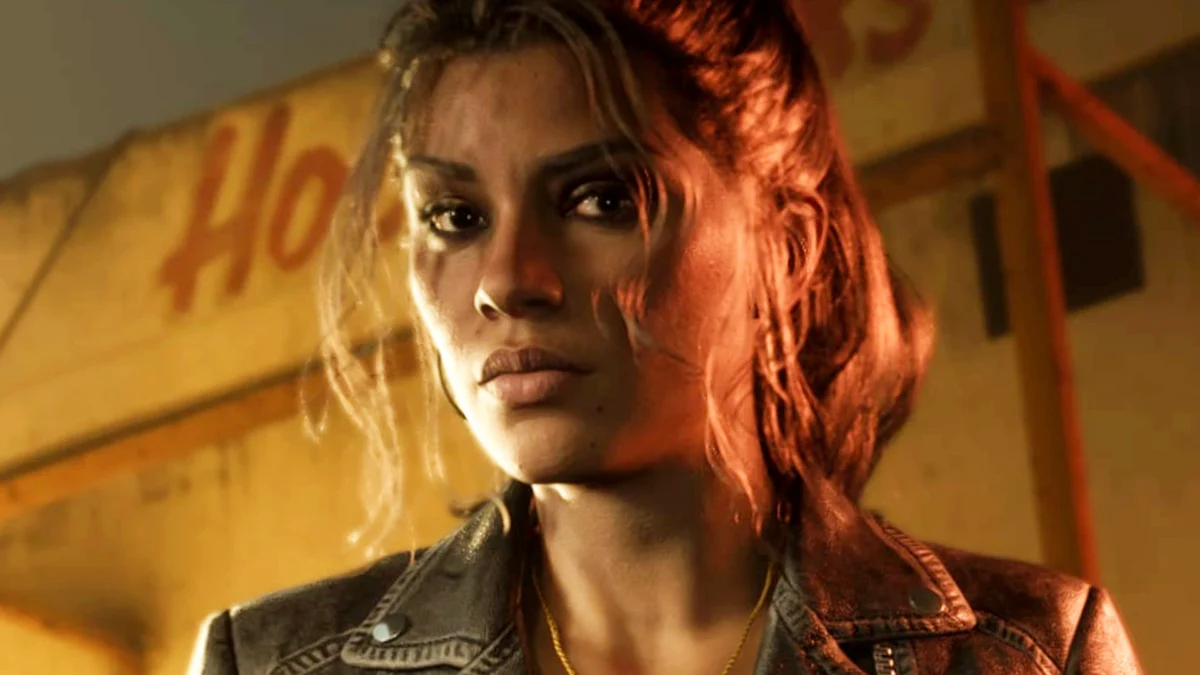
The gaming industry is currently gripped by a singular, obsessive question: When will the world finally set foot in the neon-drenched, chaotic sprawl of Rockstar Games’ Grand Theft Auto 6? As rumors swirl and the community grows increasingly restless in the absence of official marketing updates, Take-Two Interactive CEO Strauss Zelnick has stepped forward to provide a definitive, albeit brief, anchor in the storm of speculation.
In a candid discussion on the Founders podcast with David Senra, Zelnick dismissed the prevailing anxiety regarding potential delays. With a level of corporate certainty that is rare in the high-stakes world of AAA game development, Zelnick reaffirmed that GTA 6 is firmly on schedule for its projected launch date of November 19.
The Weight of Expectation: A Global Cultural Phenomenon
To understand why a single date mentioned in a podcast carries the weight of a geopolitical announcement, one must look at the sheer scale of the Grand Theft Auto franchise. As David Senra noted during the interview, GTA is arguably the "most valuable media property in the world." Its cultural footprint dwarfs almost any other entertainment franchise, spanning decades of technological evolution and setting the gold standard for open-world game design.
When Senra pressed Zelnick on how a CEO manages the immense pressure of global anticipation—asking if the standard answer to "When is it coming out?" is simply "I don’t know"—Zelnick’s response was immediate and resolute: "Well, no. November 19. I do know."
This confidence serves as a vital counterweight to the skepticism currently permeating the gaming forums and social media landscapes. With the last official trailer now over a year old, the vacuum of information has been filled by fan theories, leaked "insider" reports, and growing cynicism. Zelnick’s intervention acts as a necessary recalibration, asserting that despite the rumors, Rockstar Games remains in control of its timeline.
A Chronology of Anticipation and Development
The journey to GTA 6 has been one of the most closely watched development cycles in the history of interactive media. Following the unprecedented longevity of Grand Theft Auto V, which has seen three console generations and over a decade of continuous support, the expectations for its successor are stratospheric.
The Original Roadmap
Rockstar Games initially set internal targets that were ambitious, even by their legendary standards. However, the complexity of modern development, coupled with the rigorous quality assurance protocols that define the studio, led to internal shifts. During the conversation with Senra, Zelnick offered a rare glimpse into the logistical reality of these shifts, noting, "I think we’re about 18 months behind the original date. Not much more than that."
This admission of an 18-month drift provides historical context for the current release window. It suggests that while the project has faced the kind of development hurdles common to massive, open-world software, the team has successfully navigated those challenges and is now operating within a finalized, fixed schedule.
The Information Drought
The silence following the first trailer—which shattered YouTube records and broke the internet—has been deafening. The community has moved through phases of excitement, confusion, and finally, a sort of weary resignation. This "information drought" is a double-edged sword: it keeps the hype cycle perpetually humming, but it also creates room for misinformation to flourish. Zelnick’s comments serve as the first official "source of truth" in a long time, providing a tether for fans who have spent the last year analyzing frame-by-frame details of a minute-long video.

The Competitive Landscape: Is GTA the King?
During the podcast, the discussion naturally veered toward the historical significance of the Grand Theft Auto series. When asked if it stands as the most successful game series in history, Zelnick provided a nuanced perspective that reflects his experience at the helm of a massive publisher.
"I think so," Zelnick mused, "but it depends on how you count." He highlighted the competitive nature of the industry, acknowledging that franchises like Nintendo’s Mario Kart and Activision’s Call of Duty maintain massive, multi-generational appeal and massive unit sales. This humility is telling; it acknowledges that while GTA holds a unique place in the cultural zeitgeist, the definition of "success" is multifaceted—encompassing revenue, cultural impact, player retention, and long-term franchise health.
The PC Dilemma: A Divided Audience
For the PC gaming community, the news of a November 19 release date comes with a significant asterisk. To date, Rockstar Games has remained tight-lipped regarding a Windows release. The current confirmation of the November 19 date is exclusively tied to console platforms, a tradition that mirrors the staggered releases of Grand Theft Auto V and Red Dead Redemption 2.
For PC players, this is a bitter pill. The reality is that if the console version hits its November 19 target, the likelihood of a simultaneous PC launch is effectively zero. Historically, Rockstar has prioritized the console ecosystem, with PC ports arriving anywhere from 12 to 18 months later. Consequently, the prospect of experiencing the world’s most anticipated game on high-end PC hardware before the end of 2026 is, as many analysts have noted, increasingly unlikely.
This creates a split in the community: console players are bracing for the launch, while PC players are left in a state of purgatory, waiting for a port announcement that may not come for years.
Implications for Take-Two and the Industry
The affirmation of the November 19 date carries profound implications for the gaming industry at large.
- Investor Confidence: Take-Two Interactive’s stock performance is intrinsically linked to the performance and timing of its Rockstar titles. By reaffirming the date, Zelnick is providing stability for shareholders and signaling that the company’s internal milestones are being met.
- The "Rockstar Standard": If the November 19 date holds, it proves that the studio’s internal management, even after long delays, remains capable of delivering massive projects without sacrificing the polish that fans expect.
- The Marketing Cycle: With the date now reinforced, the marketing machinery is expected to kick into high gear. Industry insiders suggest that the long-awaited "Trailer 3" could be imminent, potentially arriving as early as this week. Should that happen, it would signal the start of a six-month intensive promotional campaign designed to build toward the November launch.
Looking Forward: The Final Stretch
As the community digests Zelnick’s comments, the focus now shifts to the weeks ahead. The speculation surrounding a third trailer is at an all-time high, and for good reason. If Rockstar intends to meet the November 19 window, they must begin the transition from "vague hype" to "concrete pre-order information."
It is important to note that while the podcast conversation was published recently, the exact recording date remains unconfirmed. However, in the context of corporate communication, a CEO of Zelnick’s stature is unlikely to make such a definitive claim about a flagship property unless he is fully briefed on the internal status of the development team.
The road to Vice City has been long, characterized by silence, rumors, and the relentless pressure of expectation. Yet, with a concrete date in sight, the finish line finally seems tangible. For the millions of fans who have waited years for this moment, the message from the top is clear: prepare your consoles, clear your schedules, and keep your eyes on the horizon. The return to the world of Grand Theft Auto is no longer a dream—it is a countdown.










No comments yet. Be the first to join the conversation!