
 Ammar Sabilarrohman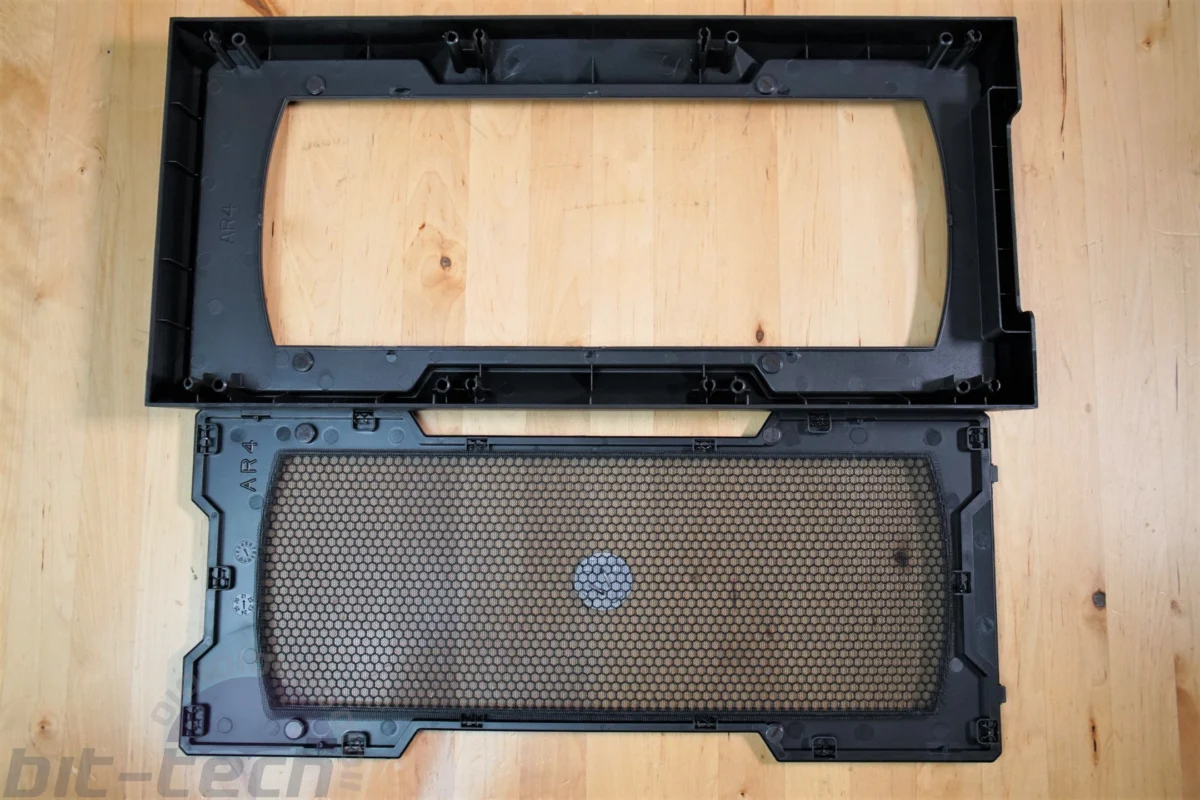
In the crowded landscape of PC chassis manufacturing, brand loyalty often acts as a double-edged sword. Enthusiasts tend to gravitate toward established, premium-tier manufacturers, banking on the assurance of quality, refined aesthetics, and well-documented support. However, this comfort zone can lead to missed opportunities in the budget sector, where smaller or regional manufacturers are frequently pushing boundaries to disrupt the market. Enter SilentiumPC, a Polish manufacturer whose Regnum RG6V TG case aims to challenge the status quo by packing high-end functionality into a budget-friendly form factor.
Main Facts: The SilentiumPC Proposition
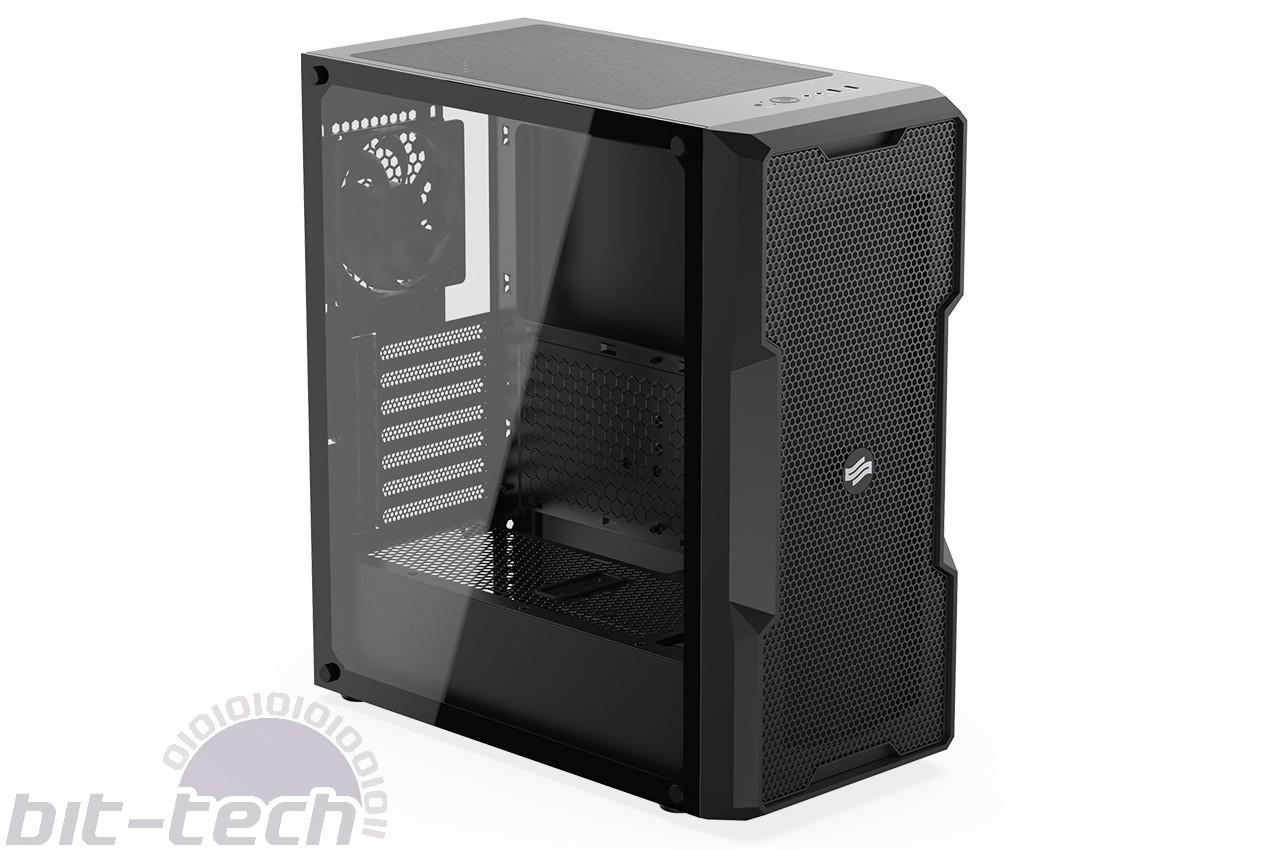
The SilentiumPC Regnum RG6V TG represents a significant value proposition for system builders who prioritize thermal performance and out-of-the-box convenience without the premium price tag. The core appeal of this chassis lies in its "fully-loaded" approach. Where many premium manufacturers charge extra for additional fans, the Regnum RG6V TG ships with four pre-installed Sigma HP120 fans, effectively eliminating the need for further investment in cooling components.
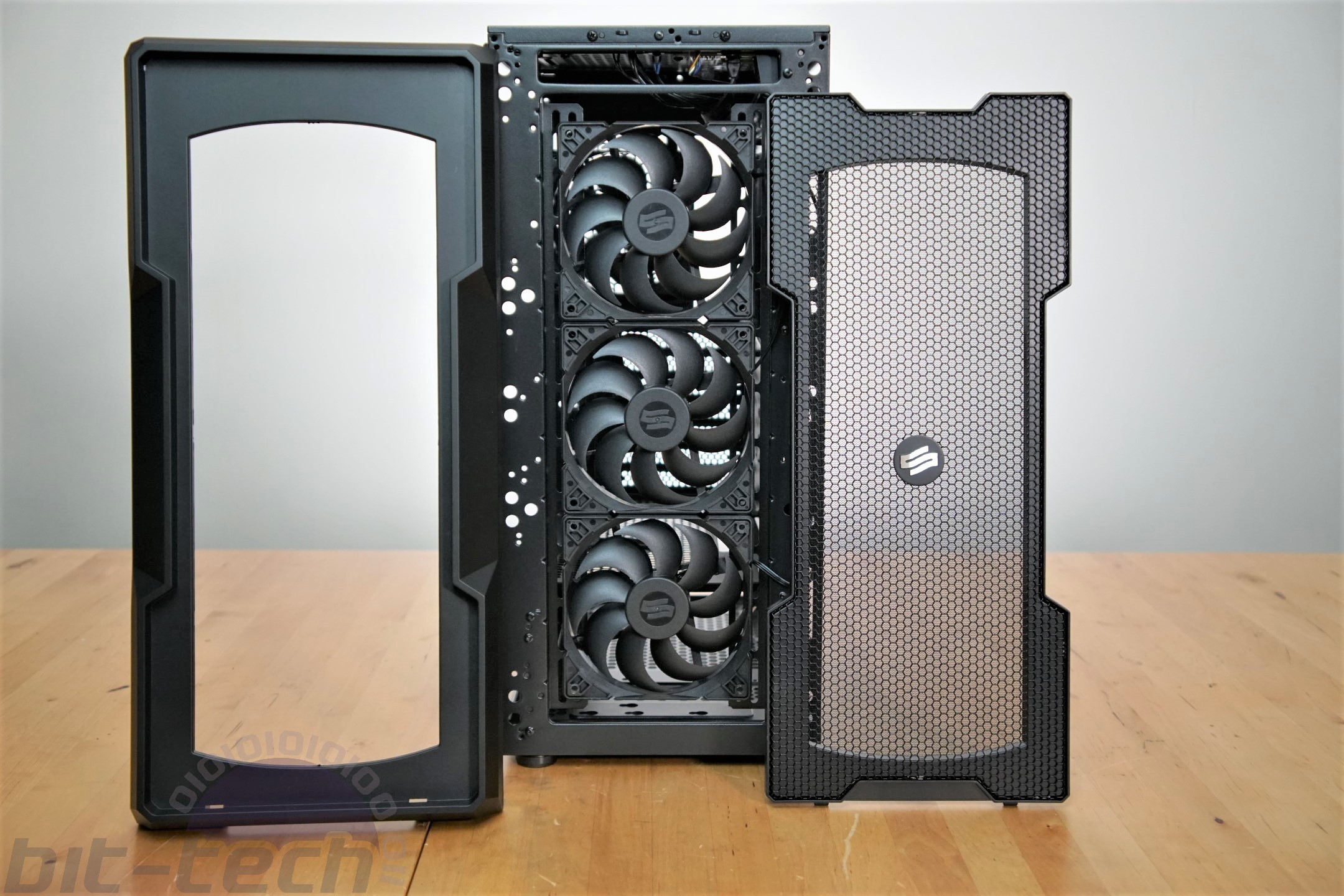
The case features a tempered glass side panel—a standard demand in modern builds—but sets itself apart with thoughtful engineering regarding airflow. The front panel utilizes a dual-layered hexagonal mesh design, which provides a striking, aggressive aesthetic reminiscent of high-performance automotive air ducts. Beyond its looks, the chassis emphasizes accessibility, with a clever magnetic filter system that allows for easy maintenance without the clunky, obtrusive frames often found in entry-level cases.
Chronology of the Review: Unboxing and First Impressions
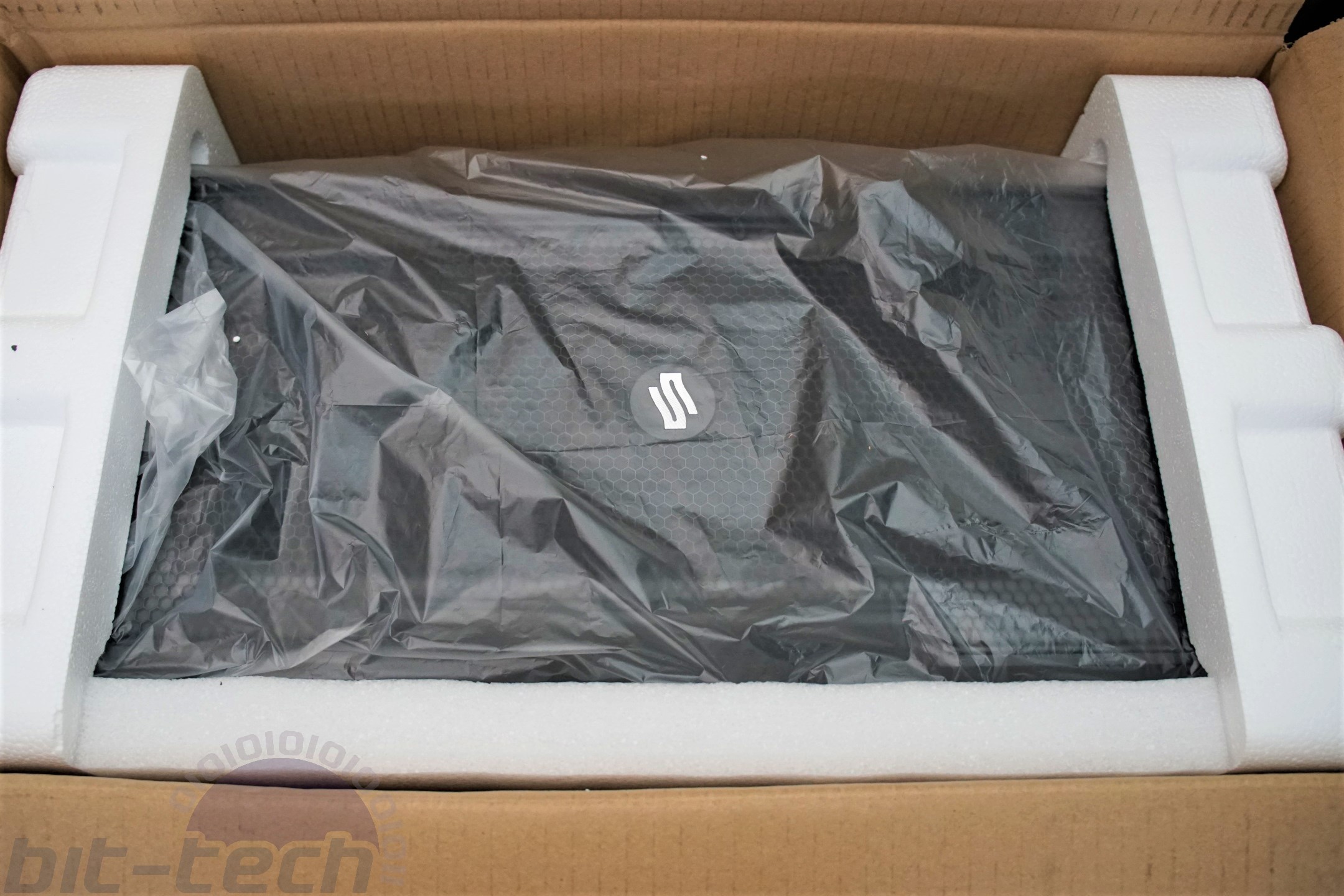
The review process began with an evaluation of the unboxing experience. For a budget-oriented product, SilentiumPC demonstrated a level of care that often eludes even higher-end competitors. The inclusion of a dedicated, high-density foam insert protecting the tempered glass panel suggests a mature approach to shipping and logistics—a refreshing change from the "cavalier" attitude many manufacturers adopt regarding glass transit.
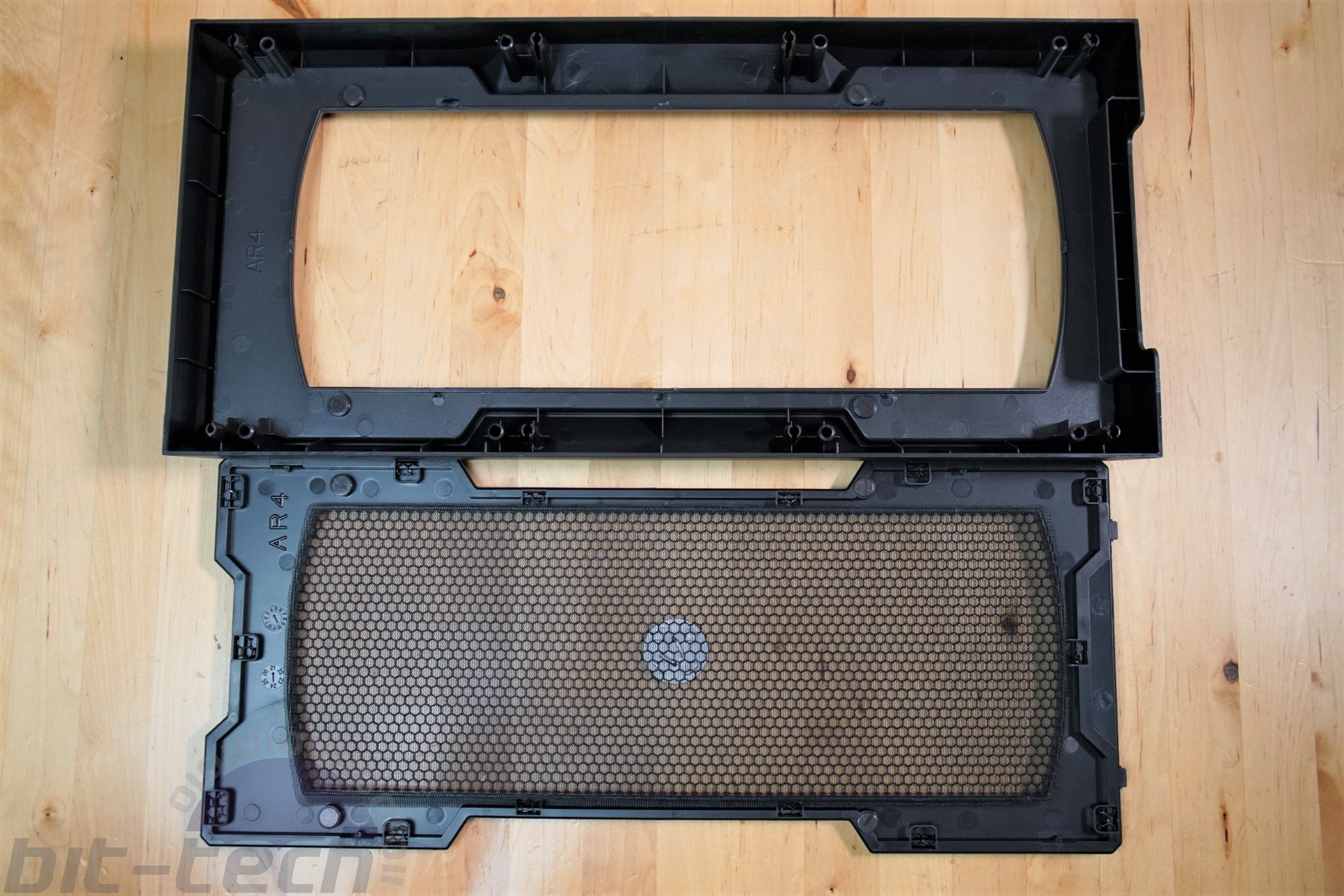
Following the unboxing, the physical inspection revealed a chassis defined by its functional minimalism. The black-box design is broken up by the aforementioned hexagonal mesh, which serves as the primary intake. Upon removing the front panel—a task made seamless by the separation of the front I/O from the plastic faceplate—the build quality of the inner components was scrutinized. The magnetic filter mechanism, which allows the fine cloth-like mesh to be detached from the coarser hexagonal guard, is a standout feature. This allows users to rinse the filter without needing to disassemble the entire front of the case.
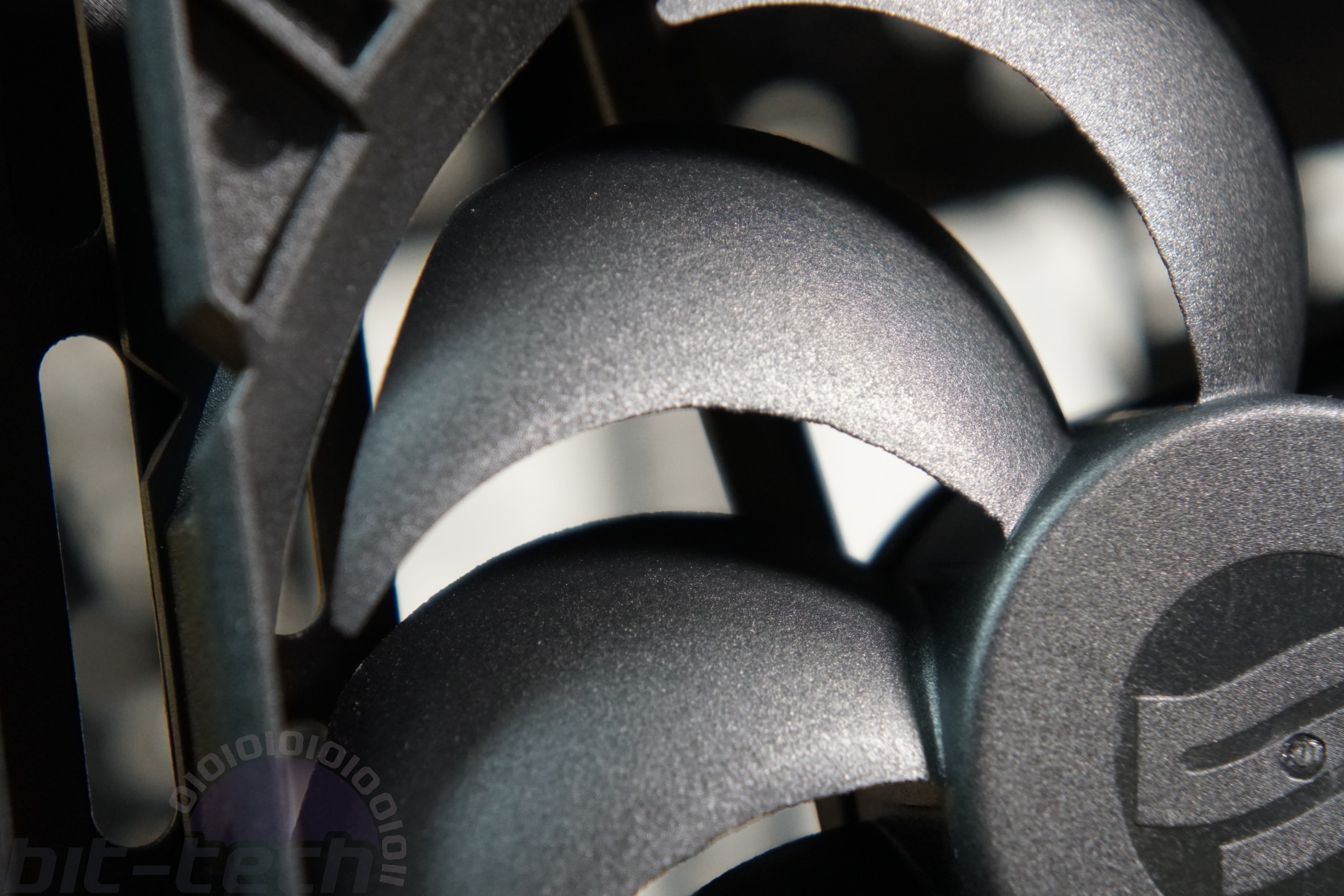
However, closer inspection of the included Sigma HP120 fans revealed the trade-offs necessitated by the budget price point. While the fans operate efficiently and look the part with their nine-blade design, tactile inspection revealed a "rough and tatty" finish on the edges of the blades, indicating a lower grade of plastic molding or finishing compared to premium fan manufacturers.
Supporting Data: Technical Specifications and Thermal Potential
The Regnum RG6V TG offers a versatile, if occasionally cramped, internal layout. The following technical specifications dictate the build limitations:
- Fan Support: Front (3x 120mm or 2x 140mm), Roof (2x 120mm or 140mm), Rear (1x 120mm).
- Radiator Support: Front (up to 360mm, max 60mm thickness), Top (up to 280mm), Rear (120mm).
- Clearance Considerations: While 280mm radiator support is listed for the roof, builders should proceed with caution. With only 52mm of clearance to the motherboard VRM heatsinks, installing a standard 280mm radiator—which typically requires 25mm fans and a 28mm radiator—will create a collision with EPS and I/O cabling.
- I/O Connectivity: 2x USB 3.2 Gen 1 Type-A, standard 3.5mm audio jacks.
The I/O panel presents a curious case of potential manufacturing inconsistencies. On the review unit, the two USB 3.2 ports were oriented in opposite directions, requiring the user to flip their thumb drives depending on which port was utilized. Given that official marketing materials depict both ports facing the same direction, it is likely that this was a quality control oversight on the review unit, though it serves as a reminder of the risks associated with rapid-fire budget manufacturing.
Official Responses and Quality Control
When questioned regarding the variance in the I/O port orientation and the finishing on the fan blades, representatives from SilentiumPC emphasized their commitment to the budget segment, noting that they prioritize internal thermal performance and structural integrity over aesthetic perfection in non-critical components.
The company maintains that the Regnum series is designed for "high-performance, high-value" scenarios, where the cost savings are funneled into the chassis’s airflow efficiency rather than secondary aesthetic refinements like polished fan blades. Regarding the I/O port issue, the company acknowledged that while QC processes are robust, the sheer volume of production in the budget tier can occasionally lead to minor assembly anomalies that do not affect the primary functionality of the device. The inclusion of rubber dust plugs for these ports was highlighted as a specific, value-added touch intended to protect the internal pins from dust buildup, further justifying the "creature comforts" philosophy.
Implications for the DIY PC Market
The SilentiumPC Regnum RG6V TG is an important case study for the current state of the PC hardware market. It illustrates a shifting trend where "budget" no longer necessarily equates to "poor performance." By focusing on the fundamentals—airflow, modular filtration, and out-of-the-box cooling—SilentiumPC provides a template for how manufacturers can offer high-tier performance metrics at a lower cost.
The Trade-off Matrix
For the consumer, the implication is clear: if you are building a system where the internal aesthetic finish of a fan blade matters less than the temperature of your GPU, this case is an exceptional contender. However, the potential for minor assembly quirks—like the reversed I/O ports or the tight tolerances around the roof radiator mount—means that this case requires a more hands-on approach from the builder.
Is it One to Watch?
The Regnum RG6V TG is absolutely "one to watch" for users who are budget-conscious but performance-oriented. It excels in its primary duty: housing components in a well-ventilated environment. It avoids the trap of many budget cases that prioritize cheap RGB lighting over actual airflow. While it may lack the refined, "polished" feel of a $200 premium chassis, it provides the essential utility required for a modern gaming or workstation build.
For the enthusiast who enjoys the process of customizing and tweaking their build, the magnetic filter system and the generous out-of-the-box fan configuration make it a highly rewarding platform. It serves as a stark reminder that as long as the core architecture is sound, brand loyalty should remain secondary to the actual engineering specifications of the hardware. As SilentiumPC continues to expand its footprint, the pressure will be on larger, more established brands to justify their price premiums with tangible improvements rather than just brand equity.
In summary, the Regnum RG6V TG is a testament to the fact that when you strip away the marketing fluff and focus on the mechanics of airflow and user-friendly maintenance, you can deliver a high-quality experience that doesn’t break the bank. Whether this model marks the beginning of a broader shift in the budget market remains to be seen, but it certainly sets a high bar for competitors to clear.


 Pevita Pearce
 Reynand Wu




