

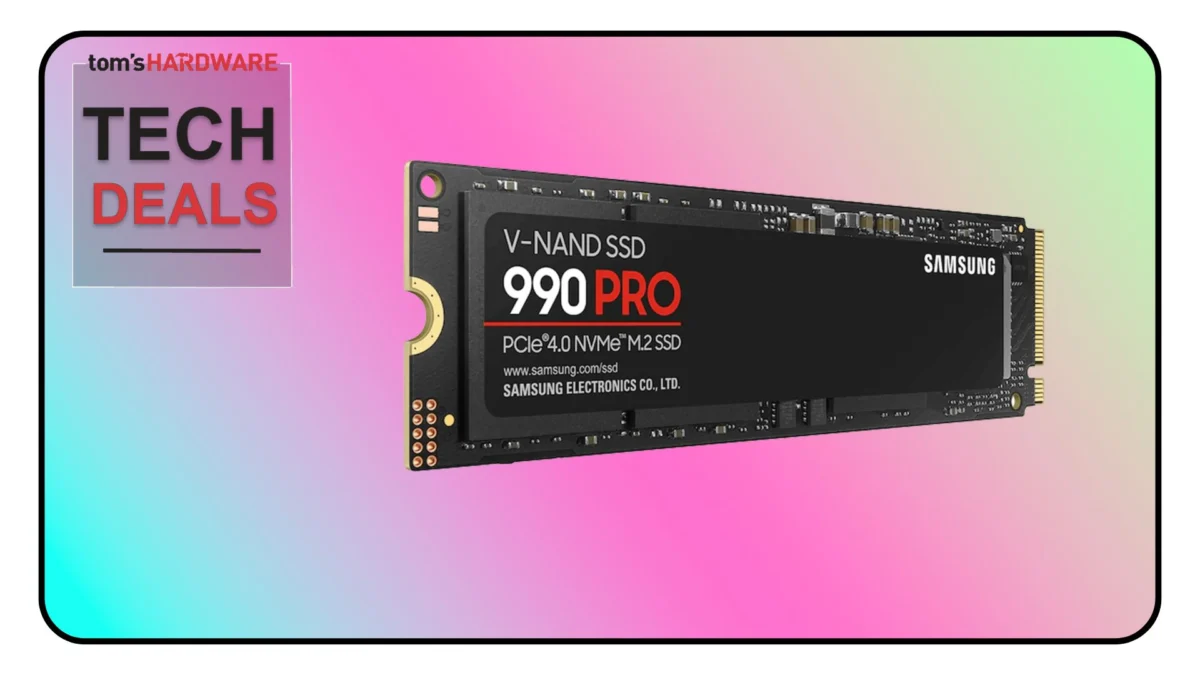
For hardware enthusiasts and system builders, the past twelve months have been a turbulent journey through the volatile landscape of storage pricing. Driven by a confluence of global NAND flash memory shortages and the insatiable appetite for high-performance storage in the burgeoning AI sector, consumer SSD prices surged to heights that made high-capacity upgrades a luxury. However, a significant market shift is currently underway. After weeks of inflated costs, prices for industry-leading drives—specifically the Samsung 990 Pro—have seen a dramatic, consumer-friendly correction.
Main Facts: A Sudden Surge in Affordability
The current market landscape offers a rare window of opportunity for those looking to expand their storage. The Samsung 990 Pro, widely regarded as the gold standard for PCIe Gen 4 performance, has seen its retail pricing drop precipitously on major platforms like Amazon.
As of this writing, the 2TB variant of the Samsung 990 Pro is available for $429.99, a significant decrease from its recent peaks. When examining the historical price index for this specific drive, we observed it trading at upwards of $639.99 just one month ago. This represents a staggering $210 savings for the end consumer.
Similarly, the 1TB entry-level capacity for the 990 Pro has seen a price adjustment, now retailing for $249.99, down from a previous high of $339.99. For power users looking toward the bleeding edge, Samsung’s latest 9100 Pro PCIe Gen 5 SSD is also seeing price movement, with the 2TB model listed at $449.99 and the 1TB model mirroring the 990 Pro’s 1TB pricing at $249.99.
The Chronology of a Market Shift
To understand why these prices are fluctuating, one must look at the timeline of the storage industry over the last year.
- Mid-2023: The NAND flash industry began to curtail production to combat a global supply glut, which had kept prices artificially low for several quarters.
- Late 2023 to Early 2024: As AI-driven server demand spiked, data centers began consuming massive quantities of high-end NAND flash. Simultaneously, consumer-grade storage manufacturers faced tighter margins, causing retail prices for top-tier NVMe drives to climb steadily.
- The Q1 2024 Peak: February and March saw the highest retail prices for flagship Gen 4 and Gen 5 drives. Supply chain constraints, combined with high demand, led to the $600+ price tags seen on high-capacity drives.
- The Current Correction: In the last four to six weeks, manufacturers have adjusted production capacity to better balance server versus consumer needs. The result is a cooling-off period where inventory levels have normalized, leading to the aggressive price drops we are witnessing today.
Technical Superiority: Why the 990 Pro Remains a Benchmark
The Samsung 990 Pro is not merely a popular choice; it is a technical powerhouse that continues to define the PCIe Gen 4 category. Utilizing a 176-layer V-NAND TLC flash architecture, the drive delivers sustained sequential read speeds of up to 7,450 MB/s and write speeds of 6,900 MB/s.
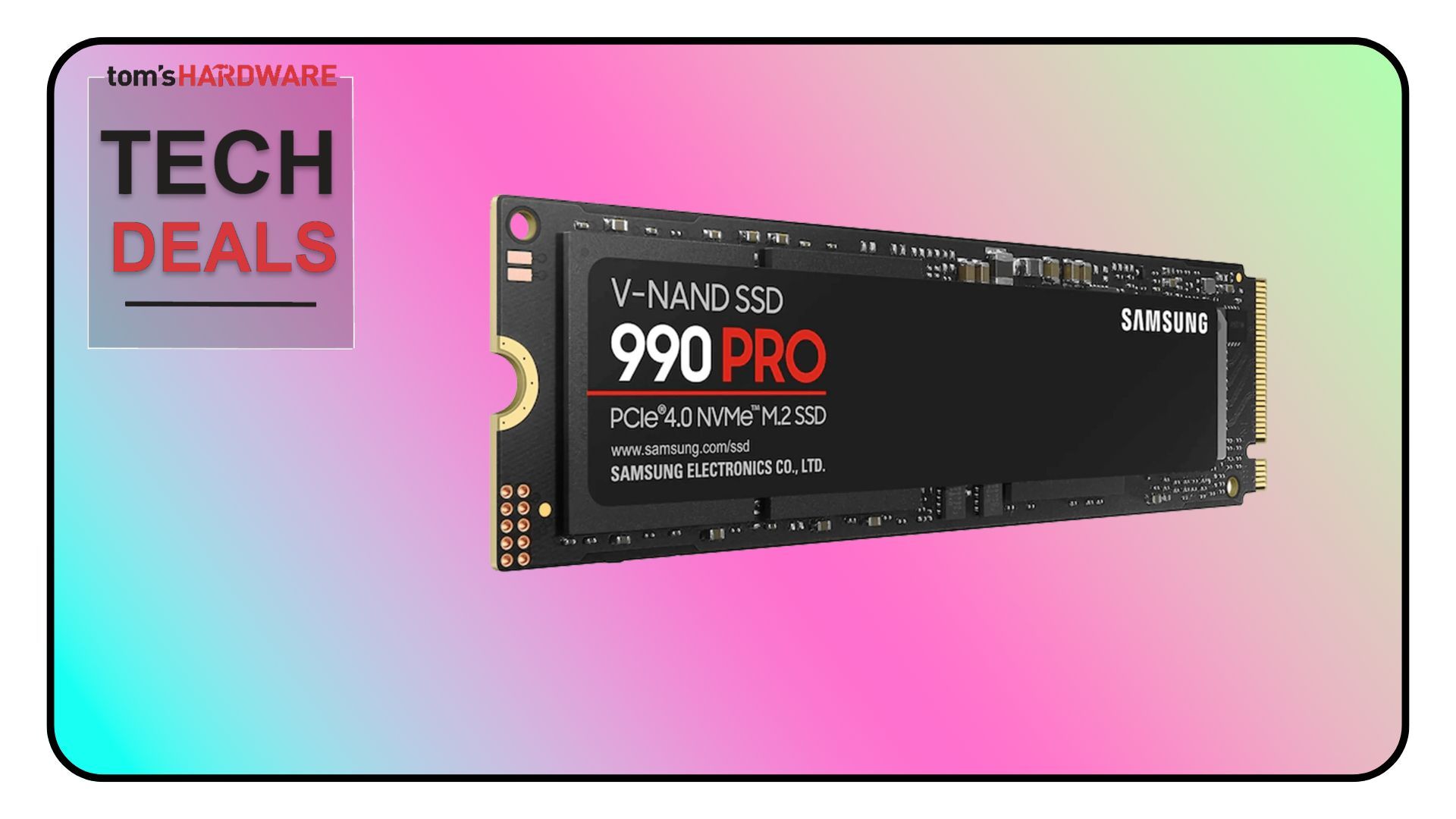
Beyond raw throughput, the drive’s efficiency is where it truly differentiates itself. In rigorous stress testing, the 990 Pro consistently demonstrated lower operating temperatures compared to its competitors, which is a critical factor for longevity in compact builds, such as high-performance laptops or the internal M.2 slot of a PlayStation 5. With a rated endurance of 1200 TBW (Terabytes Written) for the 2TB model, the drive offers a robust lifespan that justifies its premium positioning, even when the market is not discounted.
Implications for the Consumer
This price stabilization carries several implications for the average PC enthusiast.
1. The End of the "Storage Drought"
For the past year, many users have been holding off on upgrading their storage, opting to make do with smaller drives or slower SATA-based solutions. The current price drop signals that the "storage drought" may be abating, at least for the short term. It is an ideal time to migrate an OS to a faster drive or to expand game libraries without the prohibitive costs that characterized the previous quarter.
2. A Strategic Window
Market analysts often warn that price dips of this nature are cyclical. With the memory industry notoriously reactive to external demands, there is no guarantee these prices will hold through the holiday season or into the next fiscal quarter. If you are planning a system build or a mid-life upgrade, the current pricing represents a "sweet spot" of availability and cost.
3. The Shift to Gen 5
The inclusion of the 9100 Pro in these price adjustments suggests that manufacturers are eager to move volume on newer, faster standards. As PCIe Gen 5 adoption grows, the price gap between Gen 4 and Gen 5 is narrowing, providing consumers with a better "price-per-gigabit-per-second" value than ever before.
Industry Response and Future Outlook
While Samsung has not issued a formal press release regarding these specific retail price fluctuations, industry insiders suggest that the pricing reflects a broader push by major NAND manufacturers—including SK Hynix, Micron, and WD—to re-stabilize the retail channel.
The strategy is twofold: prevent consumer attrition by keeping high-performance hardware attainable, and clear the channel of older inventory to make room for the next generation of 200+ layer NAND products expected to hit the market later this year.
For the consumer, the takeaway is simple: while we may not see a return to the historic lows of late 2022, the current market is significantly more rational than it was a month ago. Whether you are a creative professional handling massive 4K video files, a competitive gamer requiring near-instant load times, or simply a user tired of managing low-disk-space warnings, these current deals on the Samsung 990 Pro series offer a tangible return on investment.
Conclusion: Act While the Market is Favorable
The volatility of the NAND flash market serves as a reminder of the interconnected nature of modern computing. When AI servers demand more memory, the consumer feels the impact in their wallet. However, the current "Great Correction" in SSD pricing is a welcome relief.
As we move forward, it is recommended that prospective buyers monitor the retail landscape closely. With the current 2TB Samsung 990 Pro sitting at a competitive $429.99, the barrier to entry for top-tier storage has been lowered significantly. Whether you choose to upgrade now or wait for potential seasonal sales, the message is clear: the market has finally turned a corner in favor of the consumer.
For those still weighing their options, consider consulting updated benchmarks and compatibility guides, as the best value often lies at the intersection of price, performance, and long-term reliability. With the current availability, you have the rare luxury of choosing the performance tier that best fits your workflow without the sting of a premium price tag.










No comments yet. Be the first to join the conversation!