Laily UPN
In an industry defined by the rapid turnover of live-service titles and the constant pressure to innovate or perish, Final Fantasy XI (FFXI) stands as a defiant, enduring monument to the golden age of the Massively Multiplayer Online Role-Playing Game (MMORPG). Yesterday, Square Enix marked the title’s 24th anniversary—a milestone that underscores its status as one of the most resilient experiences in digital history. To celebrate, the developers announced a sweeping overhaul of the game’s free trial, a move designed to lower the barrier to entry for a new generation of players while honoring the legacy of the veterans who have called Vana’diel home for over two decades.
The Evolution of an Icon: Main Facts
For the uninitiated, Final Fantasy XI is a relic of a different era—a time when MMORPGs were designed with deliberate pacing, deep social requirements, and a punishing sense of discovery. While it is not the oldest MMO in operation (a title held by games like Ultima Online), its survival for 24 years is a testament to its unique mechanics and the enduring loyalty of its community.
The core news emerging from the anniversary livestream hosted by Square Enix is the radical restructuring of the game’s "Free Trial" program. Previously, potential adventurers were confined to a 14-day window—a period so brief in the context of an sprawling, complex RPG that many prospective players struggled to grasp the game’s depth before the clock ran out. That restriction is being permanently removed. Players will now be able to explore the base game of Final Fantasy XI indefinitely, without a subscription fee or a time limit.
While the "unlimited" nature of the trial is a significant shift, the game remains a controlled environment. The level cap for trial players will be raised from 50 to 75, providing a more substantial slice of the mid-game content. However, fundamental restrictions remain: social features such as "shouts" or "tells" are still disabled to prevent spam and preserve the integrity of the paid economy. Furthermore, trial participants will not have access to the various expansion packs, keeping the experience strictly limited to the foundational Final Fantasy XI journey.
A Chronology of Resilience: 24 Years of Vana’diel
To understand why this change matters, one must look at the timeline of Final Fantasy XI. Released in Japan in May 2002 for the PlayStation 2 and later brought to PC and the Xbox 360, it was the first true cross-platform MMORPG. It bridged the gap between console gamers and the PC-centric world of EverQuest and Ultima Online.
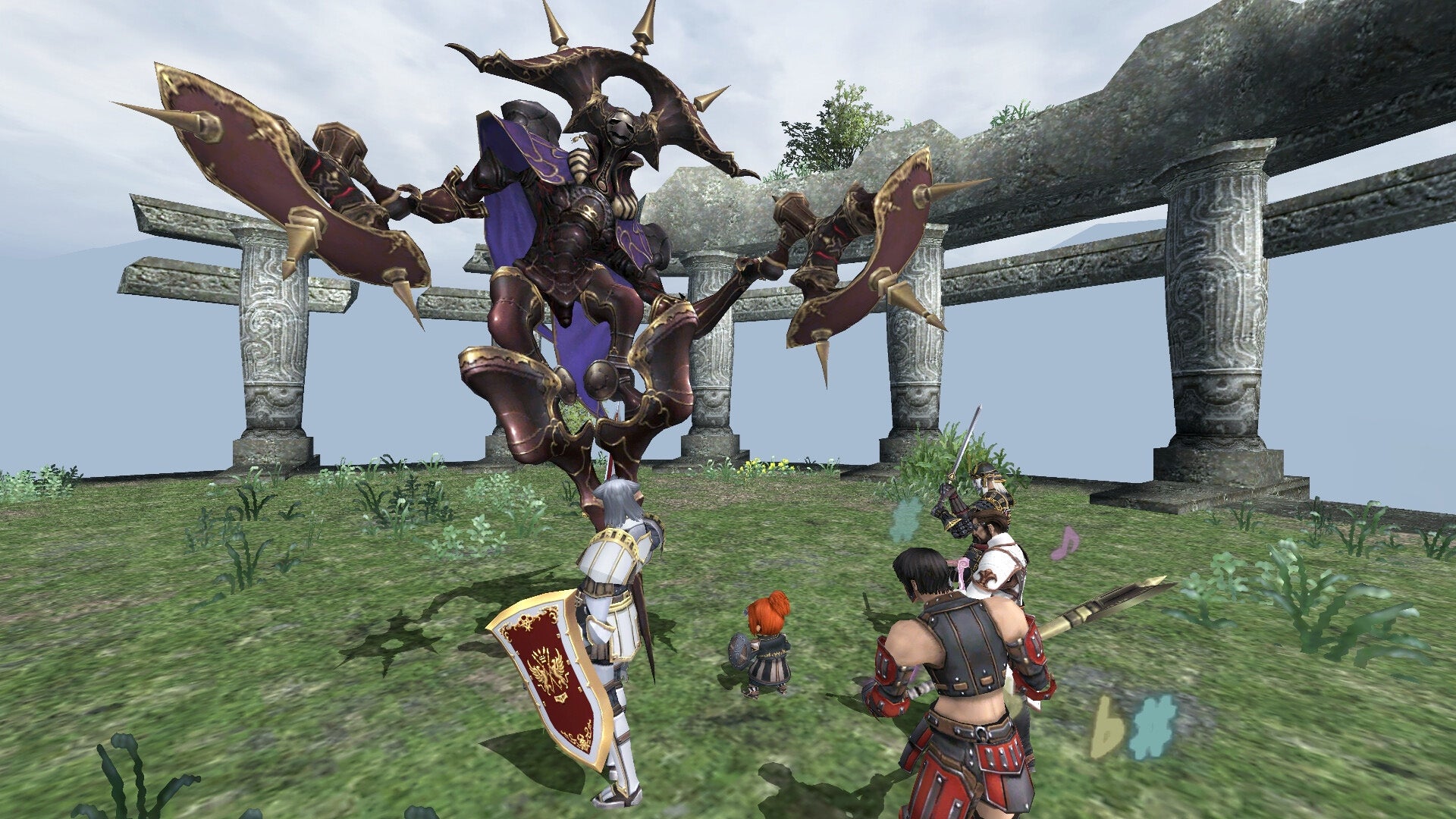
- 2002: The launch of Final Fantasy XI in Japan. It was a cultural phenomenon, proving that the Final Fantasy brand could function in a persistent, online world.
- 2003-2004: The North American and European launches. FFXI became the definitive console MMO of the mid-2000s, fostering a community known for its high level of cooperation and legendary difficulty.
- 2003-2013: The "Expansion Era." The game saw a steady cadence of massive expansions, including Rise of the Zilart, Chains of Promathia, Treasures of Aht Urhgan, and Wings of the Goddess, each adding new jobs, zones, and intricate narratives.
- 2015: The "Rhapsodies of Vana’diel" update. This was widely considered the "final" chapter of the game’s primary scenario, leading many to speculate that the game would soon go into permanent maintenance mode.
- 2016-2024: The "Maintenance and Maintenance" era. Defying market trends, Square Enix continued to provide monthly updates, quality-of-life adjustments, and new content, proving that the game was not just "on life support," but a living, breathing project.
- 2025: The 24th Anniversary. The announcement of the unlimited free trial signals that Square Enix is actively looking to acquire new players rather than simply milking the existing subscriber base.
Supporting Data: Why Accessibility Matters
In the modern gaming landscape, "Live Service" is often a pejorative term. Players are wary of games that demand daily attention, microtransactions, and aggressive monetization. Final Fantasy XI occupies a peculiar middle ground. It is, by definition, a live service, yet it operates on a subscription model that has remained relatively unchanged.
According to industry analysts, the biggest hurdle for legacy MMORPGs is not necessarily a lack of content, but a "barrier of entry" that involves both the price of admission and the perceived age of the software. By removing the 14-day trial limit, Square Enix is effectively treating the base game as a "freemium" gateway. Data from other long-running MMOs, such as EVE Online or World of Warcraft (with its own free trial tiers), suggests that extended trial periods significantly increase the conversion rate from "curious onlooker" to "paying subscriber."
Furthermore, the decision to raise the level cap to 75 is a calculated nod to the game’s history. Level 75 was the original "max level" for many years before subsequent expansions raised the bar to 99. By capping the trial at 75, Square Enix is granting players access to the "Classic" experience—the era that many long-time fans consider the pinnacle of the game’s design—without diluting the endgame content reserved for paid subscribers.
Official Responses: The Philosophy of Director Yoji Fujito
During the anniversary stream, Director Yoji Fujito addressed the reasoning behind these changes with refreshing transparency. Addressing the community’s question regarding why the level cap wasn’t raised to 99, Fujito noted that doing so would have allowed free players to bypass too much of the game’s intended progression.
"We considered 99, but that would effectively grant free users access to the vast majority of the game’s most powerful gear and content," Fujito explained. "We want the trial to be a meaningful introduction, not a replacement for the full subscription."

This indicates that Square Enix views the trial as a narrative and social primer. They want players to experience the world-building, the class system, and the unique combat mechanics of FFXI without feeling rushed by a two-week deadline. The restrictions on communication (no tells or shouts) and the gil (currency) caps remain in place as a necessary defense mechanism against the botting and real-money trading (RMT) issues that have historically plagued long-running MMORPGs.
Implications for the Future of MMORPGs
The decision to revitalize a 24-year-old game in an era where Square Enix is aggressively pivoting to a multiplatform strategy is deeply symbolic. In recent years, the company has faced challenges with its mobile-first strategies and the need to maximize the reach of its core intellectual properties. Investing in Final Fantasy XI—a game that already has its own dedicated, if niche, audience—suggests that Square Enix sees value in "legacy retention."
There are three major implications to this move:
- The "Museum" Strategy: By keeping Final Fantasy XI accessible and updated, Square Enix maintains a living history of the Final Fantasy brand. It serves as a touchstone for the franchise’s evolution.
- Community Longevity: The social bonds in FFXI are notoriously strong. By bringing in new players, the company is ensuring that the "ecosystem" remains populated, which is essential for a game that relies entirely on player interaction.
- Refutation of "Planned Obsolescence": In an age where games are often shut down after a few years when their servers are no longer profitable, FFXI remains a bold counter-example. It proves that with enough community passion and developer commitment, a game can transcend its original technological constraints.
A Final Note: "Our Adventure Never Ends"
To mark the occasion, Square Enix also released a new, high-production-value anniversary movie titled "Our Adventure Never Ends." The video, which features an anime-inspired aesthetic, serves as a love letter to the player base. It highlights the camaraderie, the epic boss battles, and the quiet moments of exploration that have defined the Vana’diel experience since 2002.
For those who have never stepped into the world of Final Fantasy XI, the combination of this new, unlimited trial and the enduring, rock-solid gameplay loop offers an invitation that is harder to ignore than ever before. Whether you are looking for a piece of gaming history or simply a new world to get lost in, the gates of Vana’diel are wide open. After 24 years, the adventure is not only continuing; it is inviting everyone to join.


 Asro
Asro
 Muslim