Ali Ikhwan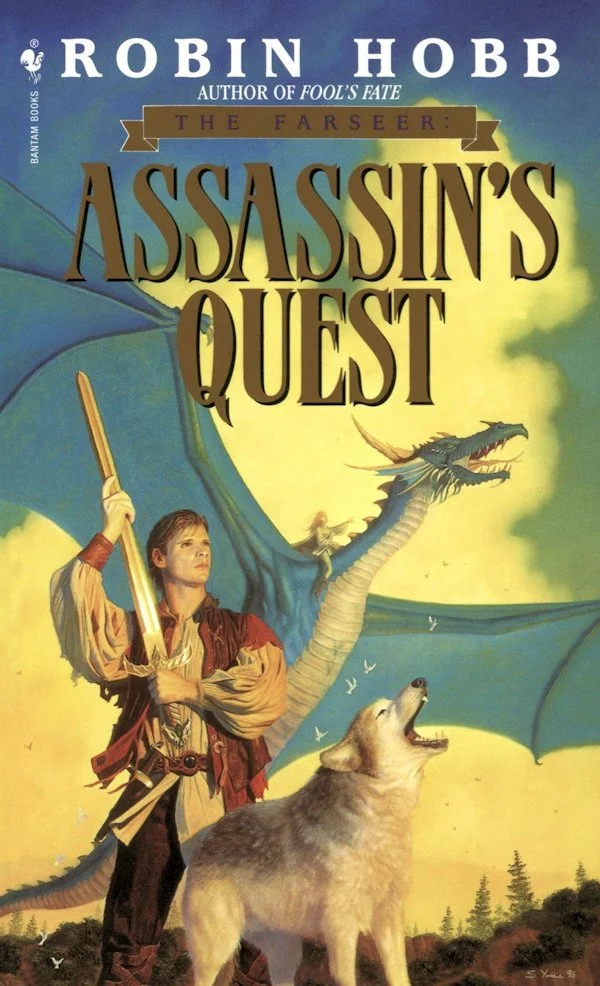
At first glance, the sprawling, melancholic landscapes of Robin Hobb’s The Farseer Trilogy—comprising Assassin’s Apprentice (1995), Royal Assassin (1996), and Assassin’s Quest (1997)—seem worlds apart from the vibrant, high-octane aesthetic of contemporary "romantasy." While modern heavyweights like Rebecca Yarros’s The Empyrean series or Sarah J. Maas’s A Court of Thorns and Roses prioritize the volatile, visceral friction of romantic attraction as a primary engine for plot, Hobb’s work is often categorized as classic, character-driven epic fantasy.
Yet, to categorize Hobb strictly as "traditional" is to overlook the subtle architecture of her storytelling. By examining the structural parallels between Hobb’s seminal work and the current zeitgeist of romantasy, we discover that the latter’s most successful tropes—intense character interiority, "found family" dynamics, and the friction between personal desire and world-saving duty—find their most sophisticated roots in the life of FitzChivalry Farseer.
The Evolution of the "Reluctant Hero" and Interiority
The hallmark of the modern romantasy genre is its unwavering commitment to the protagonist’s emotional landscape. In these narratives, the external threat—the dragon war, the faerie court coup, the crumbling empire—often serves as a pressure cooker for the protagonist’s internal development. Hobb was a pioneer of this technique long before it became a market trend.
In The Farseer Trilogy, Fitz is the quintessential reluctant hero. While the Six Duchies face the existential threat of the Red Ship Raiders, Fitz’s primary struggles are deeply, often painfully, personal. His internal monologues regarding identity, isolation, and his place in a royal hierarchy that views him as a tool rather than a person, anchor the narrative. As the Fool poignantly notes in Royal Assassin, the significance of a life is not always found in grand, world-altering gestures, but in the small, moral choices that ripple outward.
This focus on the internal is what allows Hobb to maintain reader sympathy even when Fitz makes objectively disastrous decisions. Like the protagonists of modern romantasy, who often prioritize the "chosen one" romantic connection over political stability, Fitz frequently opts for personal vengeance or emotional isolation. Because Hobb uses a tight, first-person narrative, the reader is not merely observing these choices; they are living them. We understand why he chooses the path of the porcupine—as he tells his wolf companion, Nighteyes—because we have been invited into the raw, aching vulnerability of his psyche.
Chronology of a Classic: The Farseer Trilogy
The enduring legacy of the Farseer books is built upon a deliberate, slow-burn release schedule that allowed readers to grow alongside Fitz.
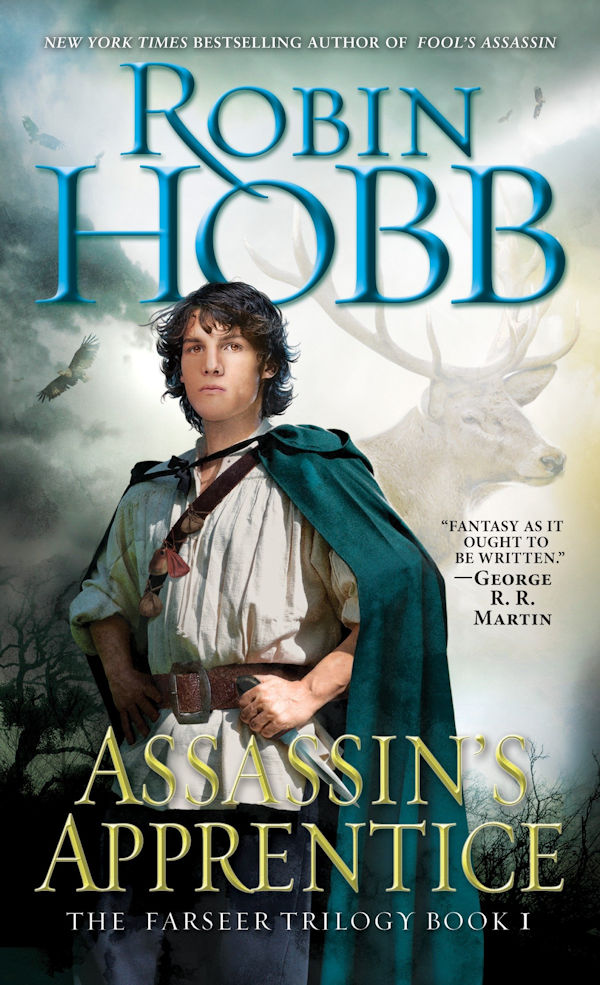
- 1995: The Awakening. Assassin’s Apprentice is published, introducing the world to the bastard son of Prince Chivalry. The book establishes the two competing magical systems—the Skill and the Wit—and the fundamental isolation of the protagonist.
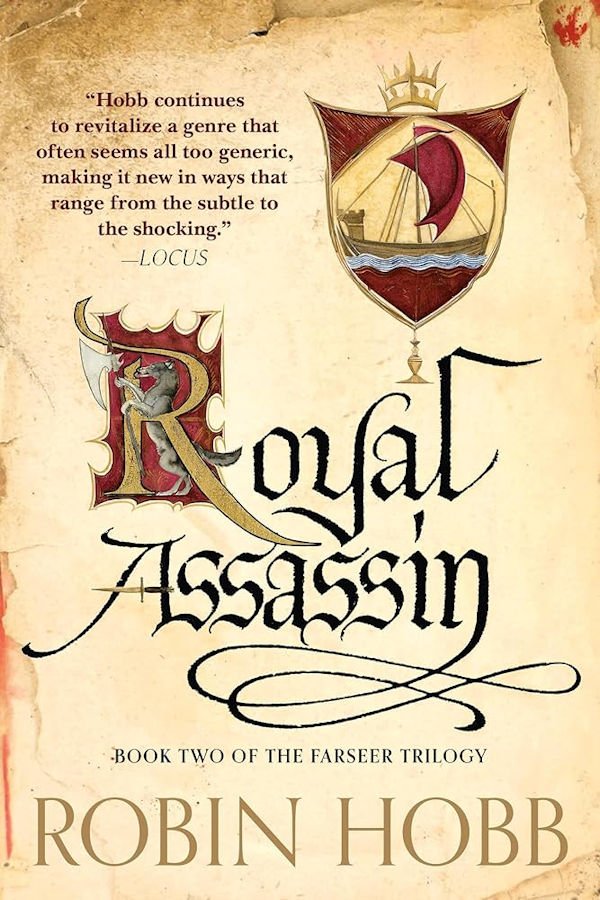
- 1996: The Escalation. Royal Assassin expands the political stakes. Here, the narrative deepens the relationship between Fitz and the Fool, while further complicating Fitz’s romantic entanglement with Molly. The emotional stakes are raised, mirroring the modern "forbidden love" trope.
- 1997: The Resolution. Assassin’s Quest brings the trilogy to a close, serving as a testament to the cost of duty. The narrative arc shifts from the confines of the castle to the vast, unforgiving wilds, forcing a confrontation between Fitz’s internal trauma and his external responsibilities.
Supporting Data: Why First-Person Narrative Succeeds
The success of both Hobb and the modern romantasy genre lies in the "Emotional Investment Multiplier." In literary analysis, the first-person perspective is a high-risk, high-reward strategy.
In a traditional third-person epic, the reader is a witness. In a first-person narrative, the reader is a confidant. Modern romantasy authors lean into this, often utilizing the protagonist’s voice to justify "irrational" behavior—such as staying with an emotionally unavailable partner or defying a kingdom to save a loved one. Hobb employs the same technique to make the reader accept Fitz’s self-destructive tendencies. By restricting the reader’s perspective to Fitz’s own limited, often biased understanding of his relationships, Hobb ensures that every heartbreak feels like a personal betrayal to the audience.
The Anatomy of Relationships: Beyond the Physical
If we strip away the explicit physical romance that defines the current romantasy boom, the relationship between Fitz and the Fool remains one of the most compelling "slow-burn" dynamics in fantasy literature.
The Fool acts as the archetype for the "forbidden" or "fated" partner. They are bound by secrets, by their unique status as outsiders, and by a level of emotional intimacy that surpasses traditional friendship. Their dynamic utilizes the "Forced Proximity" trope—as they are often thrown together by the whims of the King or the requirements of their shared destiny—and the "Ostracism" trope, as both are frequently rejected by the court.
Hobb writes their dialogue with a deliberate complexity. When Fitz confesses his confusion about the Fool’s mocking affection, the reader recognizes a familiar romantasy beat: the moment the protagonist realizes that the person who challenges them the most is the only one who truly sees them.
The Conflict of Magic as Metaphor
A recurring element in the genre is the "dangerous power" trope—magic that threatens to consume the user. In The Farseer Trilogy, the Wit and the Skill serve as literal and metaphorical manifestations of this conflict.
The Wit is presented as a wild, empathetic, but ostracized connection to the natural world. It is the forbidden love of magic systems. The Skill, conversely, is the cold, disciplined, and institutionalized power of the monarchy. Fitz’s struggle to balance these two—to avoid losing himself in the "beast" of the Wit or the "addiction" of the Skill—is a masterclass in thematic tension. He must reconcile these opposing forces within himself to find wholeness, a journey that mirrors the self-actualization arcs found in the most celebrated contemporary fantasy novels.
Implications for the Modern Genre
What does this analysis imply for the future of the genre? Firstly, it confirms that "romantasy" is not a new invention, but rather a marketing label for a long-standing desire for emotional intimacy in fantasy storytelling.
The success of The Farseer Trilogy suggests that the most enduring stories are those that treat internal emotional growth with the same gravity as external political collapse. While authors like Maas and Yarros have certainly dialed up the overt romantic tension and physical stakes, they are walking a path carved out by Hobb. They have recognized that the reader’s bond with the character is the most important element of the story.
The "implication" here is a call for a more nuanced reading of genre fiction. When we look at Hobb’s work through the lens of modern trends, we see a bridge between the classic epic and the contemporary character-focused novel. Her influence is present in every "enemies-to-lovers" arc that actually cares about the characters’ motivations and every "chosen one" narrative that dares to ask if the hero wants to be chosen at all.
A Legacy of Wisdom
Ultimately, the reason Robin Hobb remains a titan of the genre is her ability to weave profound philosophical questions into the fabric of a character’s daily life. She taught generations of readers that "wolves have no kings"—a reminder that true identity is found in nature and autonomy, not in the titles bestowed upon us by society.
As we continue to navigate the flourishing landscape of modern fantasy, we would do well to remember the cautionary advice found in Assassin’s Apprentice: "Don’t do what you can’t undo, until you’ve considered what you can’t do once you’ve done it." Whether it is a choice of love or a choice of war, the weight of the decision remains the same.
Robin Hobb’s Farseer books are more than just an entry point for high fantasy; they are the blueprint for the deep, painful, and beautiful emotional landscapes that define the modern reading experience. Her work remains a standard-bearer for the genre, proving that whether the plot revolves around a throne or a heart, the story only lives if the reader feels every heartbeat of the hero.


 Laily UPN